In the modern industrial landscape, energy efficiency has become a critical factor in equipment selection and operational cost management. The grinding process, being one of the most energy-intensive stages in mineral processing and powder production, demands careful consideration of mill type selection. This article provides a comprehensive comparison of energy consumption across various grinding mill technologies, with particular emphasis on identifying the most energy-efficient solutions for different applications.
Grinding mills consume approximately 30-50% of the total energy in mineral processing plants, making them the primary focus for energy optimization efforts. The energy efficiency of grinding equipment varies significantly based on design principles, operating mechanisms, and technological advancements. Understanding these differences is crucial for operators seeking to minimize operational costs while maintaining product quality.
Shanghai Zenith Machinery Co., Ltd., as an excellent manufacturer of ore grinding equipment, has made significant achievements in the field of ultra-fine powder grinding. Their extensive research and development efforts have produced a comprehensive range of grinding solutions that address the energy efficiency challenges facing modern industry.
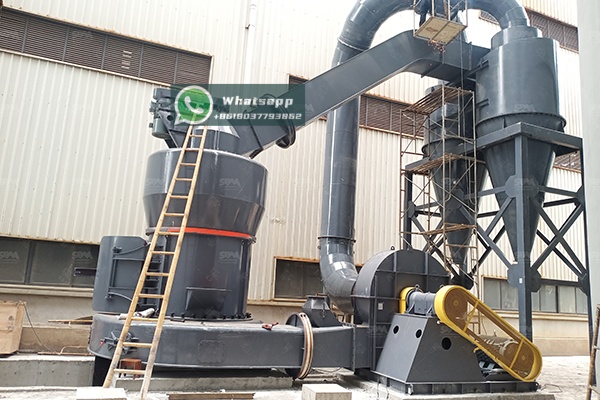
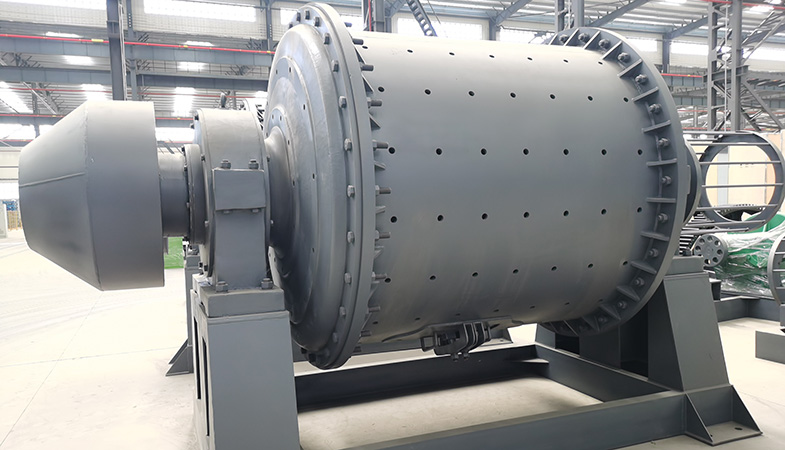
Ball mills have been the industry standard for decades, utilizing impact and attrition principles for size reduction. While reliable and versatile, traditional ball mills suffer from relatively high energy consumption due to several inherent design characteristics:
The energy consumption of ball mills typically ranges from 15-30 kWh/t, depending on the material hardness and required fineness. While wet ball mills offer slightly better efficiency due to reduced dust losses and better material transport, they still lag behind more modern technologies in energy performance.
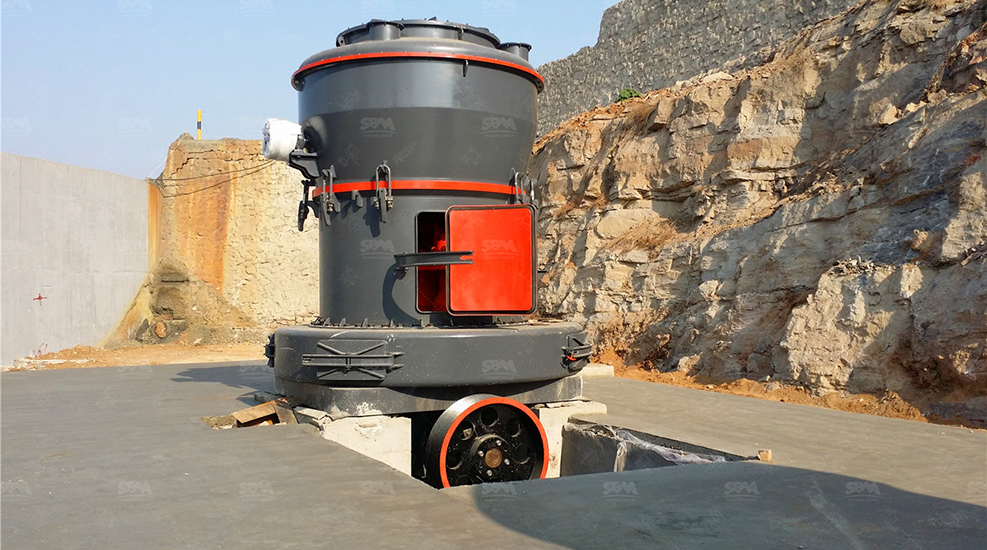
Raymond mills represent an improvement over traditional ball mills in terms of energy efficiency, particularly for medium-fine grinding applications. The roller-spring pressure system and centralized transmission contribute to better energy utilization. However, limitations remain in ultra-fine grinding applications where multiple passes may be required.
Shanghai Zenith’s advanced Raymond Mill series demonstrates the evolution of this technology, offering high grinding efficiency and lower energy consumption compared to conventional designs. The YGM4121 model, for instance, provides capacities of 5-11 t/h with optimized energy utilization.
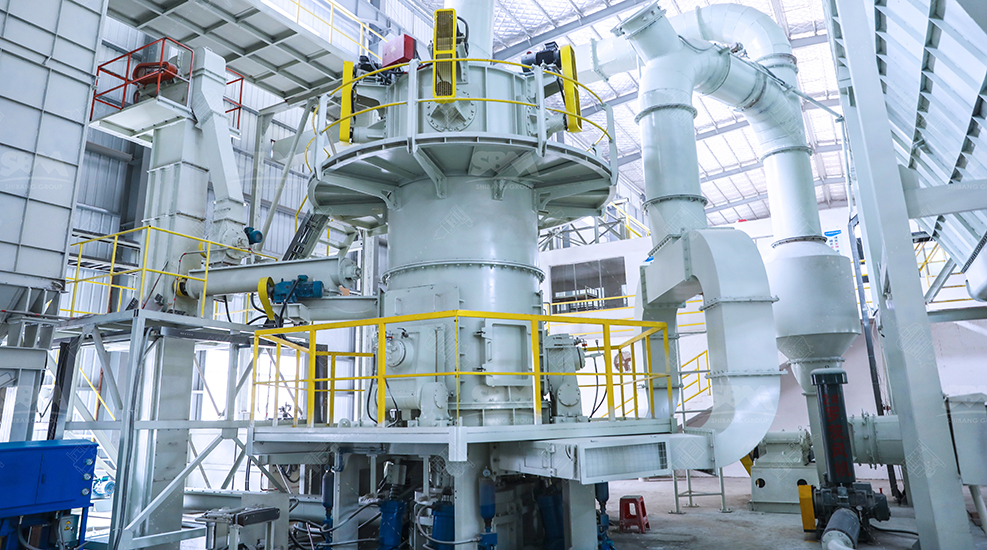
Vertical grinding mills represent a significant leap forward in energy efficiency through their integrated design that combines multiple processing stages into a single unit. The LM Vertical Grinding Mill from Shanghai Zenith exemplifies this approach, integrating five functions—crushing, grinding, powder selection, drying, and material conveying—into a single machine.
The energy advantages of vertical mills include:
For operators seeking to maximize energy efficiency in large-scale operations, the LM Vertical Grinding Mill series offers compelling advantages. The LM190K model, with its 500 kW main motor, delivers 23-68 t/h capacity while maintaining excellent energy utilization metrics.
| Model | Plate diameter (mm) | Capacity (t/h) | Output fineness (μm) | Max feed size (mm) | Main motor (kW) |
|---|---|---|---|---|---|
| LM130K | 1300 | 10-28 | 170-40 | <38 | 200 |
| LM190K | 1900 | 23-68 | 170-40 | <45 | 500 |
| LM280K | 2800 | 50-170 | 170-45 | <50 | 1250 |
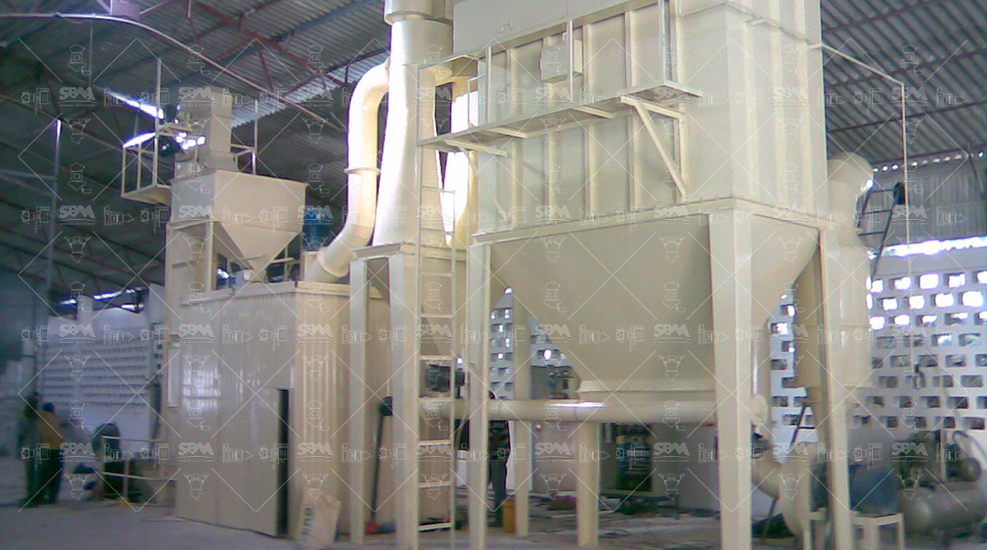
For applications requiring ultra-fine powders, traditional grinding approaches become increasingly energy-intensive. The LUM Ultrafine Vertical Mill addresses this challenge through advanced engineering that optimizes energy consumption while achieving exceptional fineness.
Key energy-saving features include:
The LUM Ultrafine Vertical Mill series represents Shanghai Zenith’s commitment to energy-efficient ultra-fine grinding. The LUM1632 model, with its 280-315 kW power range, delivers 2.0-13.5 t/h capacity with product fineness reaching D97 of 5-30μm, demonstrating superior energy efficiency in the ultrafine grinding domain.
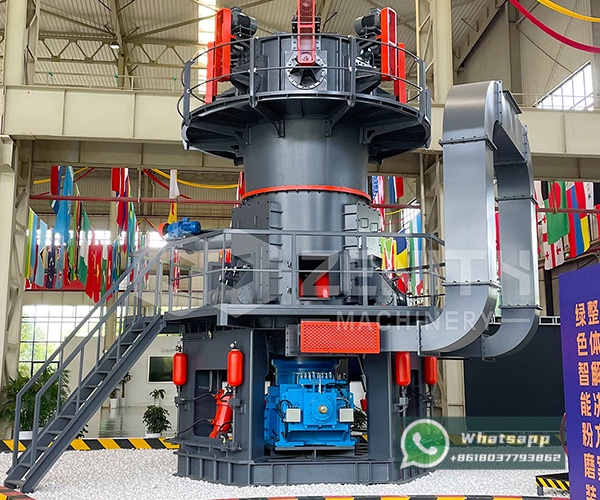
When comparing energy consumption across different mill types, several key metrics emerge:
Advanced vertical mills typically achieve 20-40% better energy efficiency compared to traditional ball mills for similar applications. This improvement stems from multiple factors including reduced energy losses, optimized grinding mechanics, and integrated processing stages.
Beyond equipment selection, several operational factors significantly impact energy consumption:
A comparative analysis of a mineral processing plant that transitioned from traditional ball mills to Shanghai Zenith’s LM Vertical Grinding Mills revealed significant energy savings. The plant reported:
These improvements demonstrate the tangible benefits of selecting appropriate mill technology based on comprehensive energy consumption analysis.
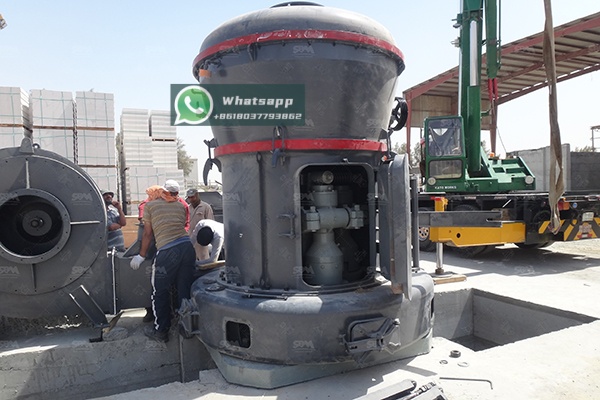
The evolution of grinding mill technology continues to focus on energy optimization through several emerging trends:
Shanghai Zenith’s ongoing research and development efforts position them at the forefront of these trends, with continuous improvements to their product lines aimed at maximizing energy efficiency while maintaining processing performance.
The comparison of energy consumption across different mill types reveals significant opportunities for operational optimization through appropriate technology selection. While traditional mills like ball mills and Raymond mills continue to serve specific applications effectively, advanced vertical grinding technologies offer substantial energy savings for most industrial grinding applications.
Shanghai Zenith’s comprehensive range of grinding equipment, particularly the LM Vertical Grinding Mill and LUM Ultrafine Vertical Mill series, demonstrates how innovative engineering can dramatically reduce energy consumption while maintaining or improving processing performance. As energy costs continue to rise and environmental considerations become increasingly important, the selection of energy-efficient grinding technology represents both an economic imperative and environmental responsibility.
Operators considering new grinding installations or upgrades should conduct thorough energy consumption analyses that consider not only the mill itself but the entire processing system. The long-term energy savings offered by advanced mill technologies often justify the initial investment, particularly when considering the total cost of ownership over the equipment lifecycle.