Barite (barium sulfate, BaSO₄) is a critical industrial mineral widely used as a functional filler and extender in the coating industry. Its high specific gravity (4.2–4.5 g/cm³), chemical inertness, and excellent brightness make it an ideal additive for paints, primers, and powder coatings. In Tanzania, the growing construction and automotive sectors have driven demand for high-quality coatings, creating opportunities for local barite processing. To meet the specific requirements of coating production—typically a fineness of 200–325 mesh (D97 ≤ 45 µm) and a stable output of 10–20 tons per hour—a reliable and energy-efficient grinding mill is essential. Shanghai Zenith Machinery Co., Ltd., a leading Chinese manufacturer of ore grinding equipment, offers a range of mills perfectly suited for this application. This article explores the technical considerations for barite grinding in Tanzania and presents two Zenith solutions that reliably deliver 10–20 tph production rates.
For coating applications, barite powder must meet strict specifications. Key parameters include:
Tanzania, with its abundant barite reserves in regions like Morogoro and Mbeya, has the potential to become a regional hub for barite powder production. However, the success of such ventures depends on selecting the right grinding technology that can handle the abrasive nature of barite (Mohs hardness 3–3.5) while minimizing operational costs.
Grinding barite to the required fineness at a throughput of 10–20 t/h poses several challenges:
Shanghai Zenith’s mills are engineered to overcome these challenges. With decades of experience in powder processing, Zenith offers robust, low-maintenance solutions that have been successfully deployed in Africa and worldwide.
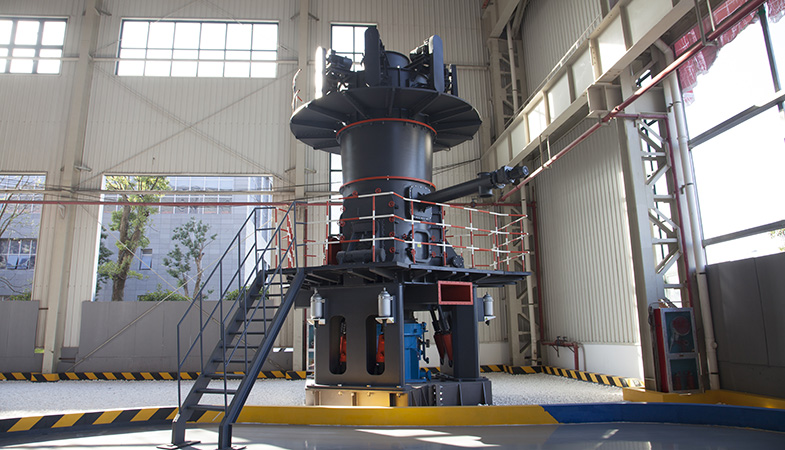
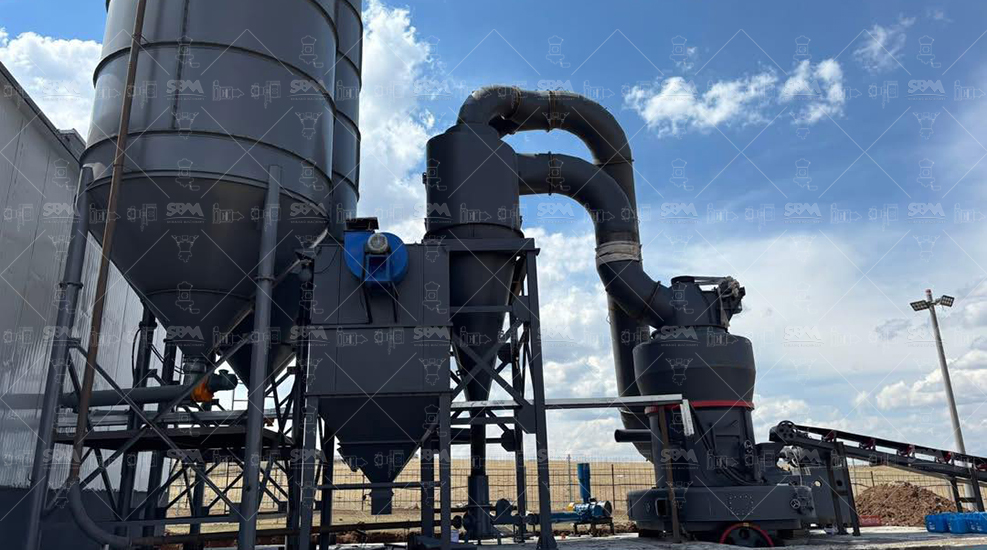
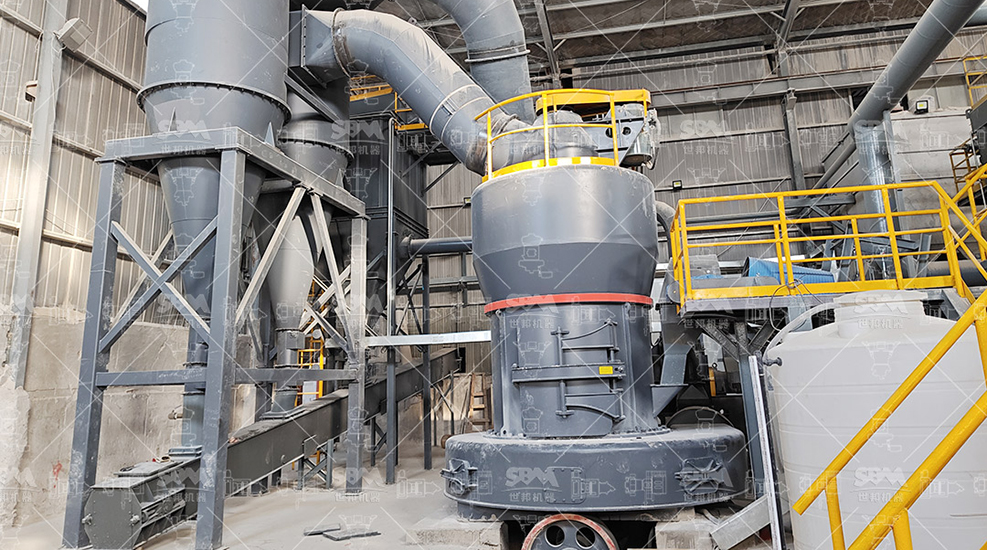
Based on the required capacity range of 10–20 t/h and typical barite properties, we recommend two products: the MTW175G Trapezium Grinding Mill and the MTM160 Medium-Speed Grinding Mill. Both mills are proven in barite grinding applications and offer excellent reliability.
The MTW series is Zenith’s flagship grinding mill, featuring a multi-patented trapezium design that increases grinding efficiency by 20–30% compared to traditional Raymond mills. The MTW175G model has a maximum feed size of 40 mm and can produce powders from 1.6 mm down to 0.038 mm (400 mesh). Its capacity range (9.5–25 t/h) ideally covers the 10–20 t/h requirement, making it the top recommendation.
| Parameter | Value |
|---|---|
| Max. Feed Size (mm) | <40 |
| Final Product Size (mm) | 1.6 – 0.045 |
| Capacity (t/h) | 9.5 – 25 |
| Main Motor Power (kW) | 160 |
| Fan Motor Power (kW) | 200 |
| Classifier Speed (r/min) | Adjustable |
| Total Weight (approx., t) | 32 |
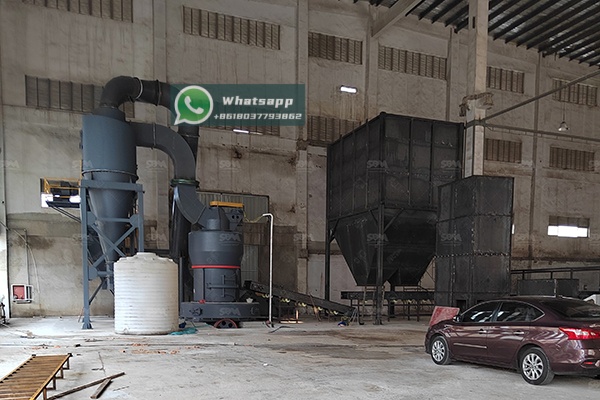
For customers seeking a cost-effective alternative with proven performance, the MTM160 is an excellent choice. This medium-speed mill is designed as an upgrade to traditional Raymond mills, offering higher output and lower energy consumption. With a capacity of 9–22 t/h and a maximum feed size of 35 mm, it can reliably produce barite powder in the 200–325 mesh range required by coating manufacturers.
| Parameter | Value |
|---|---|
| Ring Roll Number (pcs) | 6 |
| Max. Feed Size (mm) | <35 |
| Capacity (t/h) | 9 – 22 |
| Main Unit Motor Power (kW) | 132 |
| Final Product Fineness (mm) | 1.6 – 0.045 |
| Total Weight (approx., t) | 28 |
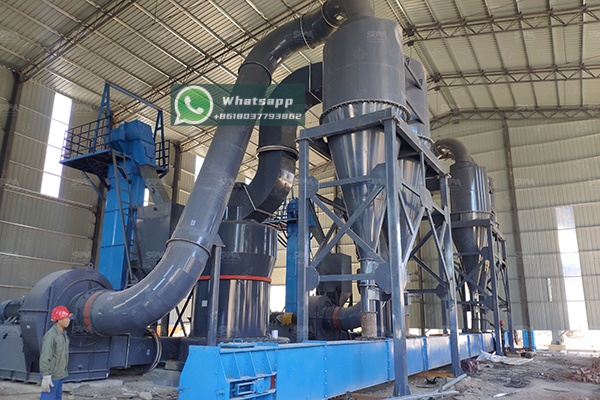
In 2022, a coating manufacturer in Dar es Salaam installed an MTW175G mill to process local barite. The plant achieved a consistent output of 15 t/h at 325 mesh (D97 ≤ 45 µm) with a specific energy consumption of only 18 kWh/t. The mill runs 20 hours per day, producing high-whiteness (92%) barite powder used in water-based paints. The customer reported a payback period of less than 18 months.
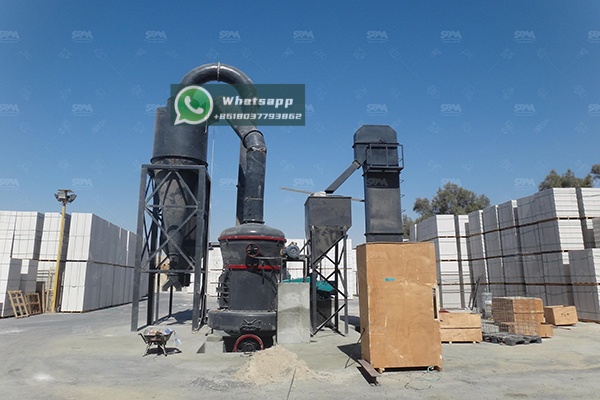
Tanzania’s coating industry is poised for growth, and reliable barite grinding equipment is key to capturing this opportunity. Shanghai Zenith Machinery Co., Ltd. offers two outstanding solutions—the MTW175G and MTM160 grinding mills—that deliver 10–20 t/h output with the precise fineness required for paint and coating applications. With robust construction, low operating costs, and a strong track record in Africa, these mills represent an excellent investment for any barite processing entrepreneur. Contact Zenith today for a customized proposal tailored to your specific raw material and local conditions.