The oil and gas industry in Ivory Coast, a significant economic driver in West Africa, relies heavily on high-performance drilling fluids (mud) to ensure efficient and safe exploration and production activities. A key component of these weighted drilling muds is barite (barium sulfate), an inert mineral prized for its high specific gravity (4.2-4.5), which is essential for controlling downhole pressure and preventing blowouts. The effectiveness of barite in this application is directly tied to its particle size distribution and fineness. For optimal performance, particularly in demanding offshore and deep-well operations, a fine grind of 600 mesh (approximately 25 microns) is increasingly required. This article explores the technical requirements for achieving this specification and the advanced grinding solutions available.
Traditionally, barite for drilling mud met the API 13A specification, which allows a certain percentage of coarse particles. However, the industry’s shift towards more challenging drilling environments has necessitated finer grinds. A 600 mesh barite powder offers superior properties:
For Ivorian operations supplying both local and regional markets, investing in grinding technology capable of consistently producing 600 mesh barite is a strategic move to enhance product value and competitiveness.
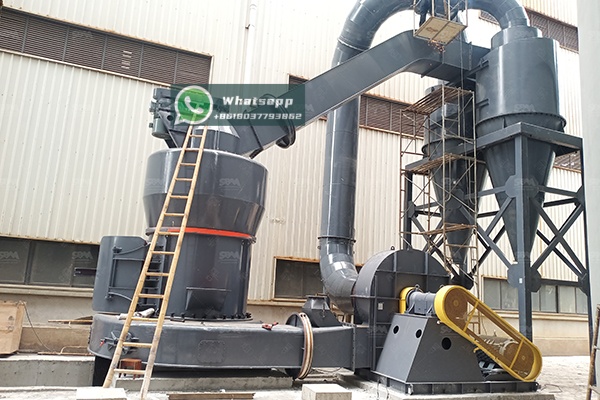
Grinding a hard, dense mineral like barite to an ultra-fine 600 mesh presents distinct challenges. Conventional grinding mills may struggle with high energy consumption, excessive heat generation (which can affect the barite’s properties), and inconsistent particle size distribution. The process demands equipment that combines robust construction with precise classification technology to efficiently separate and collect the fine powder while minimizing over-grinding.
Selecting the right mill is paramount. The ideal system must offer high grinding efficiency, energy savings, low maintenance, and, most importantly, the ability to reliably achieve the target fineness of 600 mesh. Two families of grinding mills stand out for this specific application: Vertical Roller Mills and Ultrafine Grinding Mills.
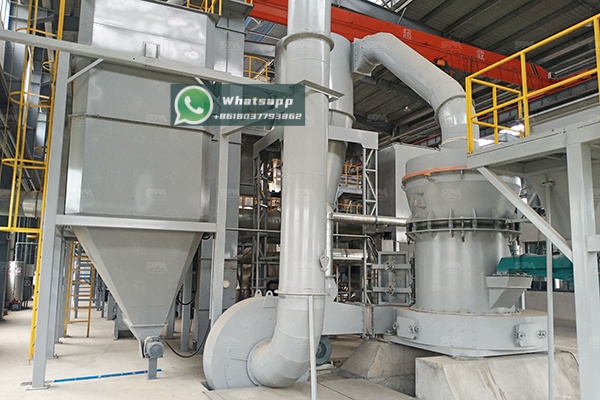
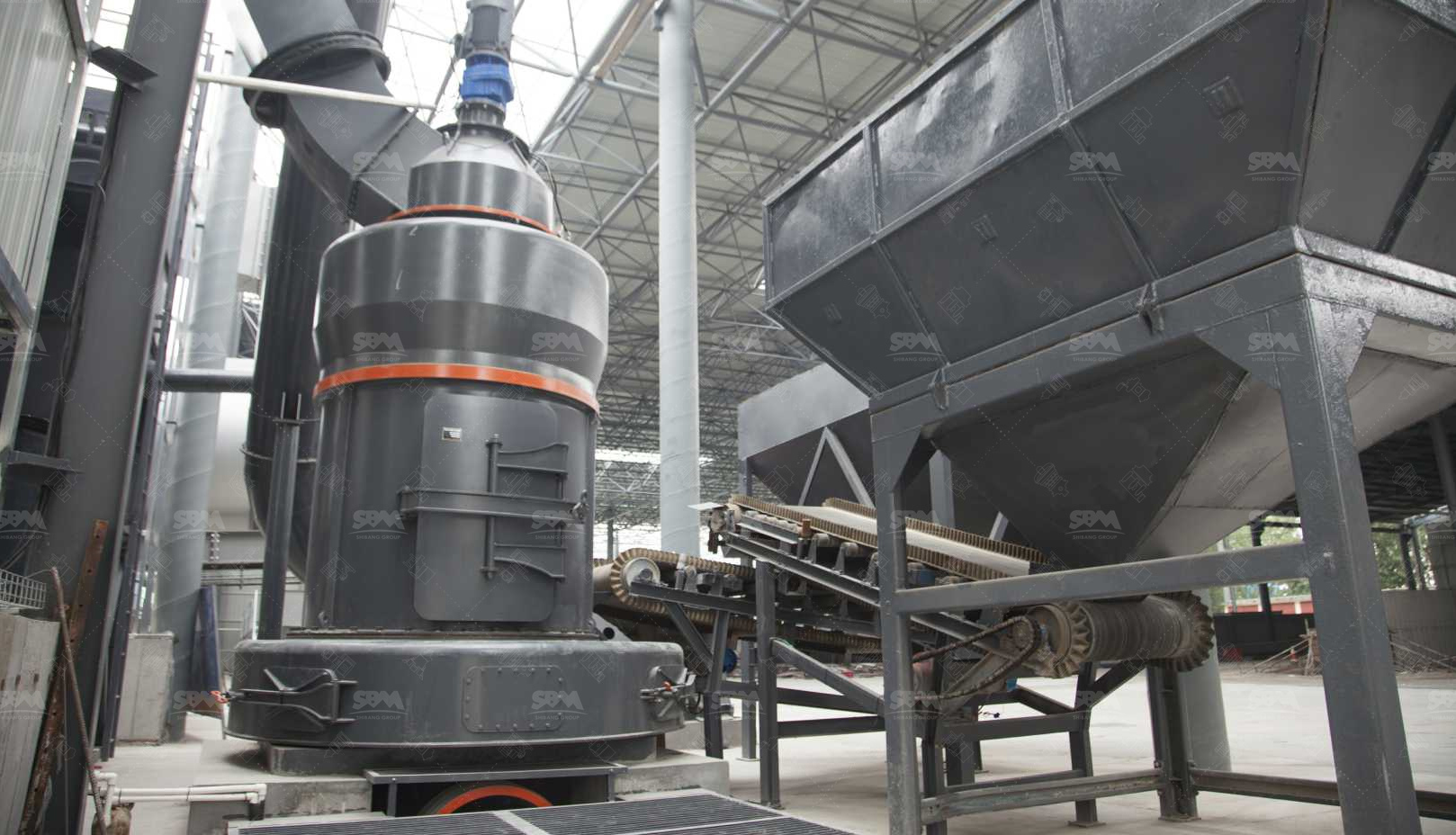
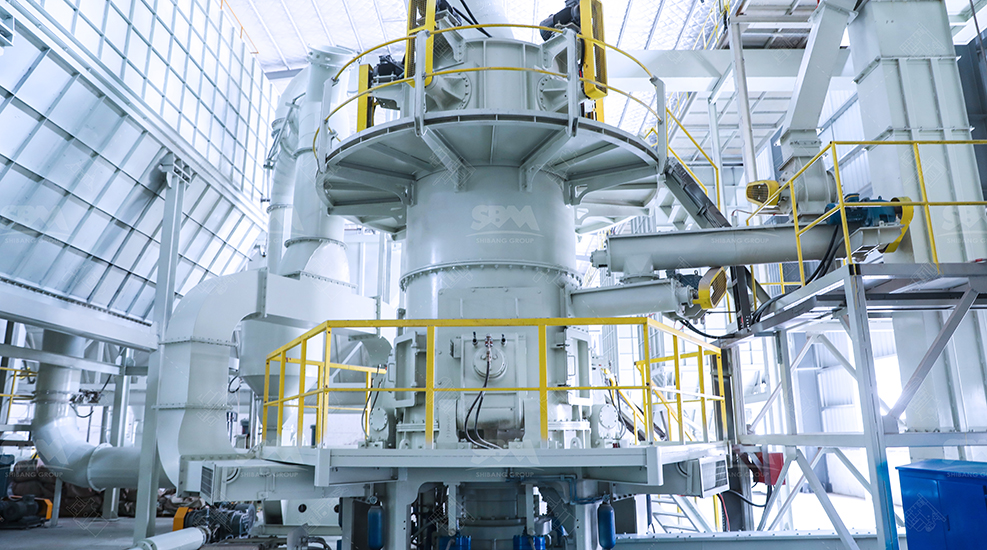
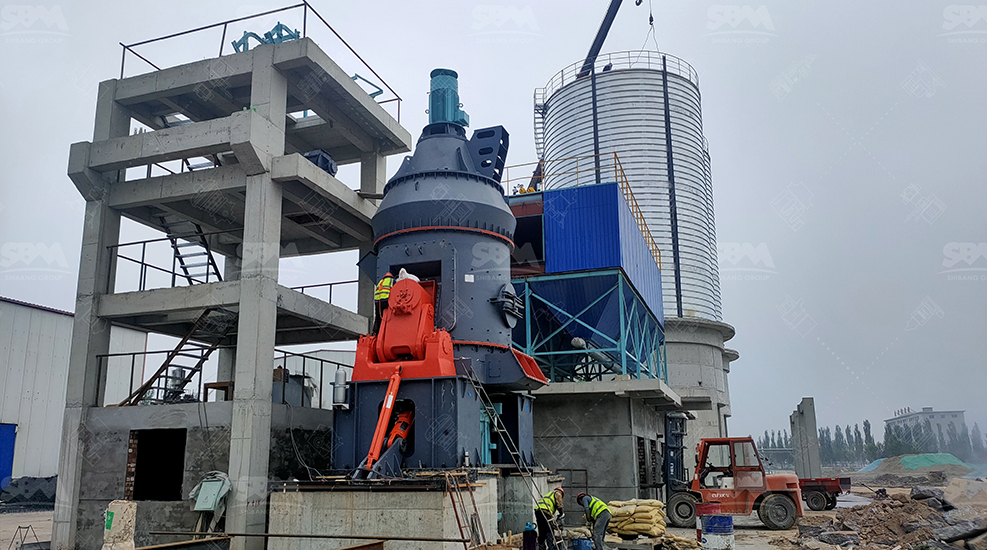
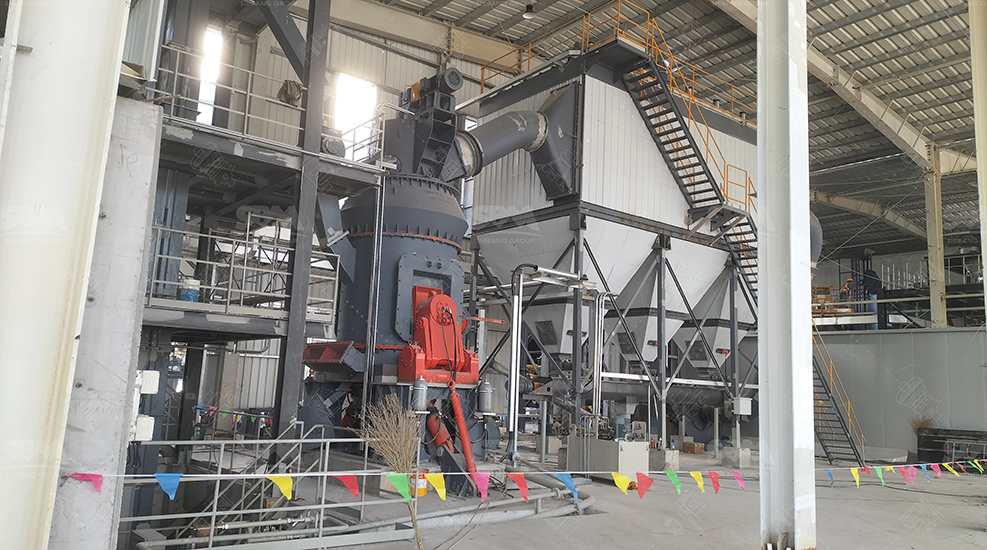
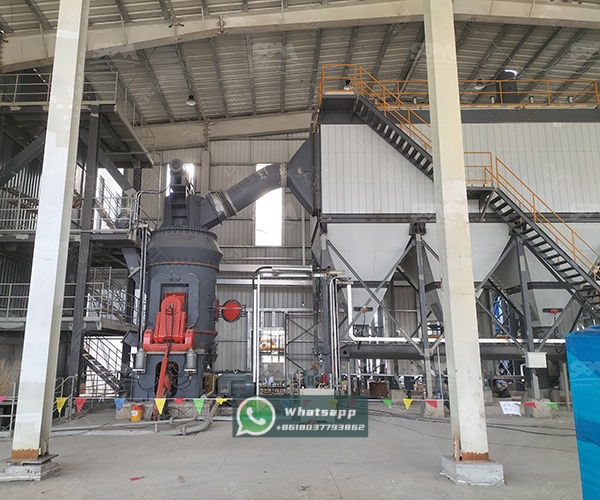
Modern Vertical Grinding Mills integrate multiple processes—drying (if needed), grinding, classification, and conveying—into a single, compact unit. Their vertical design and use of rollers and a grinding table provide a highly efficient grinding mechanism with lower energy consumption per ton compared to traditional ball mills. The integrated dynamic classifier ensures precise control over the final product fineness by instantly separating particles that meet the size requirement.
For barite grinding in the 600 mesh range, the LM Vertical Grinding Mill series from Shanghai Zenith Machinery is an exemplary choice. Zenith, an excellent manufacturer of ore grinding equipment in China, has engineered these mills for high-capacity, fine-powder production. The LM series’ ability to handle feed material and produce a consistent, fine output makes it suitable for large-scale barite processing plants.
For operations specifically focused on producing ultrafine powders like 600 mesh barite, dedicated ultrafine mills are the optimal solution. These mills often employ more advanced grinding principles and classification systems designed for the sub-25-micron range.
Shanghai Zenith Machinery’s XZM Ultrafine Grinding Mill is a flagship product in this category. It is widely recognized for its ability to produce powders from 325 to 2500 mesh, making the 600 mesh target well within its core competency. Its design minimizes energy loss and features a high-precision turbine classifier that guarantees a narrow and accurate particle size distribution, which is critical for premium drilling mud applications.
Based on the specific requirement for 600 mesh barite powder and the product portfolio of Shanghai Zenith Machinery, we highly recommend the following model for consideration:
The XZM series is engineered for high-efficiency, low-cost production of superfine powders. Its streamlined design, durable grinding components, and intelligent control system make it an ideal, low-maintenance solution for the Ivorian market. For a target output of 600 mesh, the XZM268 model offers an excellent balance of capacity and fineness control.
| Model | Working Diameter (mm) | Max Feed Size (mm) | Final Size (mesh) | Output (kg/h) | Main Motor Power (kW) |
|---|---|---|---|---|---|
| XZM221 | Φ800 | ≤20 | 325-2500 | 500-4500 | 75 |
| XZM268 | Φ1680 | ≤20 | 325-2500 | 5000-25000 | 315 |
As shown in the table, the XZM268 is particularly suitable for medium to large-scale production, with a capacity ranging from 5 to 25 tons per hour, capable of effortlessly achieving the 600 mesh specification. Its wide fineness adjustment range also provides operational flexibility for different product grades.
The demand for high-quality, ultra-fine barite in West Africa’s oil and gas sector is set to grow. For processors in Ivory Coast, investing in the right grinding technology is not merely an equipment purchase but a strategic decision to capture higher value in the supply chain. Shanghai Zenith Machinery Co., Ltd., with its specialization in the research, development, and production of industrial powder grinding equipment, offers proven solutions like the XZM Ultrafine Grinding Mill. By leveraging such advanced technology, Ivorian enterprises can reliably produce 600 mesh barite that meets the most stringent requirements of modern drilling operations, ensuring safety, efficiency, and profitability in the region’s vital energy industry.