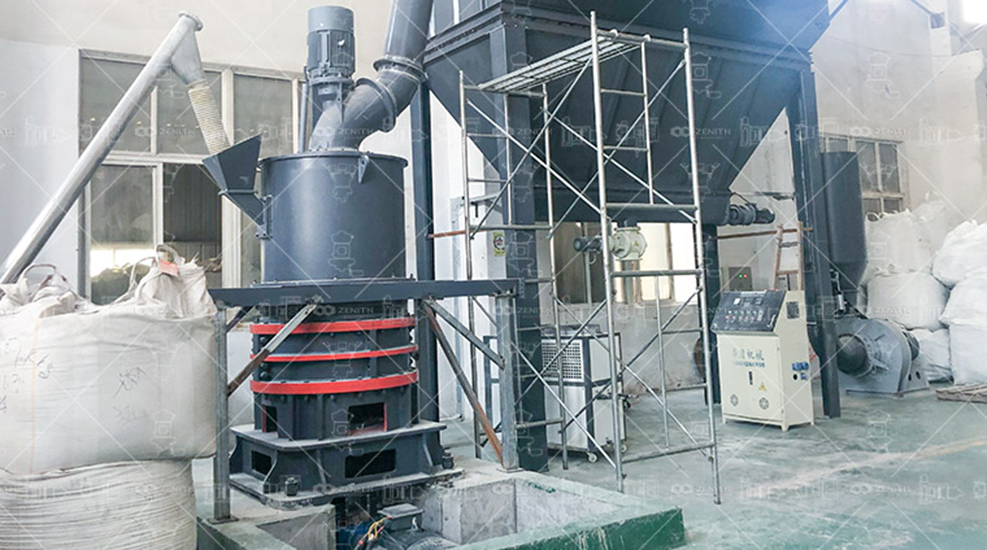
The engineered stone industry in Myanmar is experiencing significant growth, driven by both domestic demand and export opportunities. A critical component in the production of high-quality engineered stone, such as quartz surfaces and solid surfaces, is the filler material. Barite (barium sulfate), with its high density, chemical inertness, and bright white color, has emerged as a premium filler of choice. However, its value is fully realized only when processed to an ultra-fine and consistent particle size, typically targeting 1000 mesh (approximately 13-15 microns). This demands grinding technology of the highest precision and reliability. This article explores the technical requirements for barite grinding in this application and highlights the optimal solutions.
Engineered stone is a composite material made by binding crushed natural stone or quartz aggregates with a polymer resin. The filler system, which includes materials like barite, plays a multifaceted role:
Therefore, the grinding process is not merely about size reduction; it is about creating a functional powder with specific characteristics that directly influence the end product’s quality and market value.
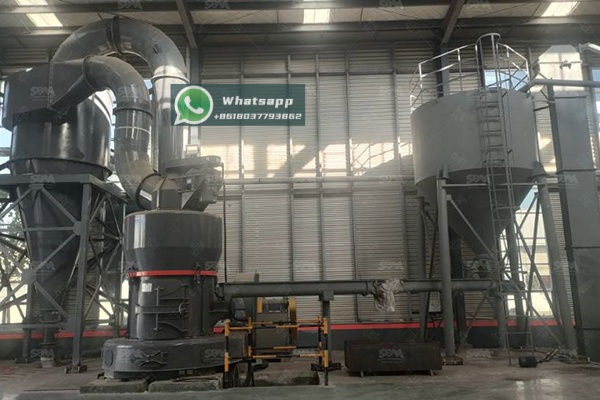
Myanmar possesses substantial barite resources, but transforming raw ore into a 1000-mesh product suitable for engineered stone presents distinct challenges:
Not all grinding mills are created equal for this task. Traditional Raymond mills or ball mills often struggle to reach 1000 mesh efficiently or consistently. The industry standard has shifted towards advanced vertical roller mills and ultrafine grinding mills specifically designed for high fineness applications.
An ideal mill for 1000-mesh barite processing should feature:
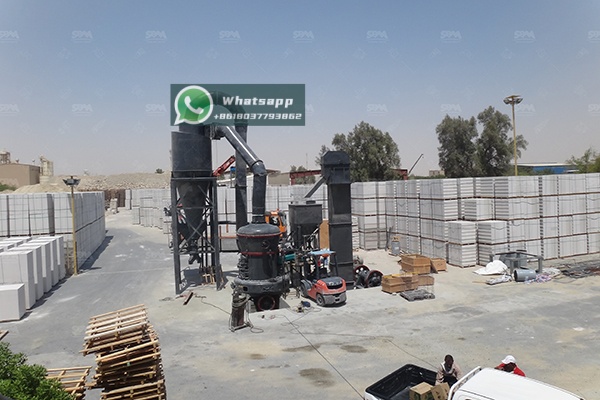
As an excellent manufacturer of ore grinding equipment with great achievements in ultra-fine powder grinding, Shanghai Zenith Machinery Co., Ltd. offers precisely engineered solutions for the Myanmar engineered stone industry. For the demanding task of producing 1000-mesh barite powder, two of our flagship products stand out.
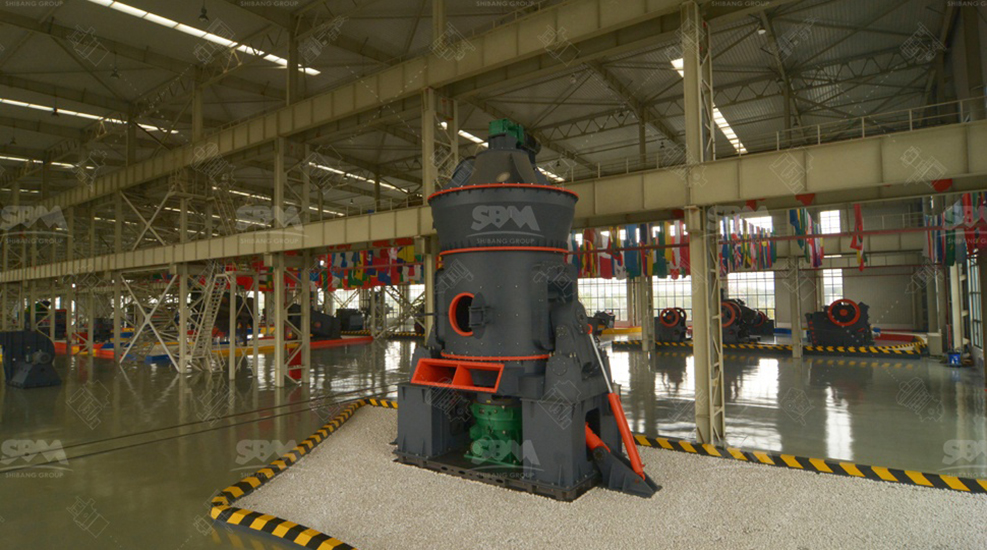
Our LUM Ultrafine Vertical Mill represents the pinnacle of integrated fine grinding technology. It is designed to produce products with a high content of end-fines and is perfectly suited for materials like barite.
For a barite grinding plant in Myanmar targeting engineered stone filler, the LUM1632 or LUM1836 model would be an ideal choice, offering the perfect balance of capacity and fineness control.
| Model | Main Machine Power (kW) | Capacity (t/h)* | Size Distribution D97 (μm) |
|---|---|---|---|
| LUM1632 | 280-315 | 2.0 – 13.5 | 5 – 30 |
| LUM1836 | 355-400 | 2.3 – 15.0 | 5 – 30 |
*Capacity varies based on material hardness, moisture, and required fineness.
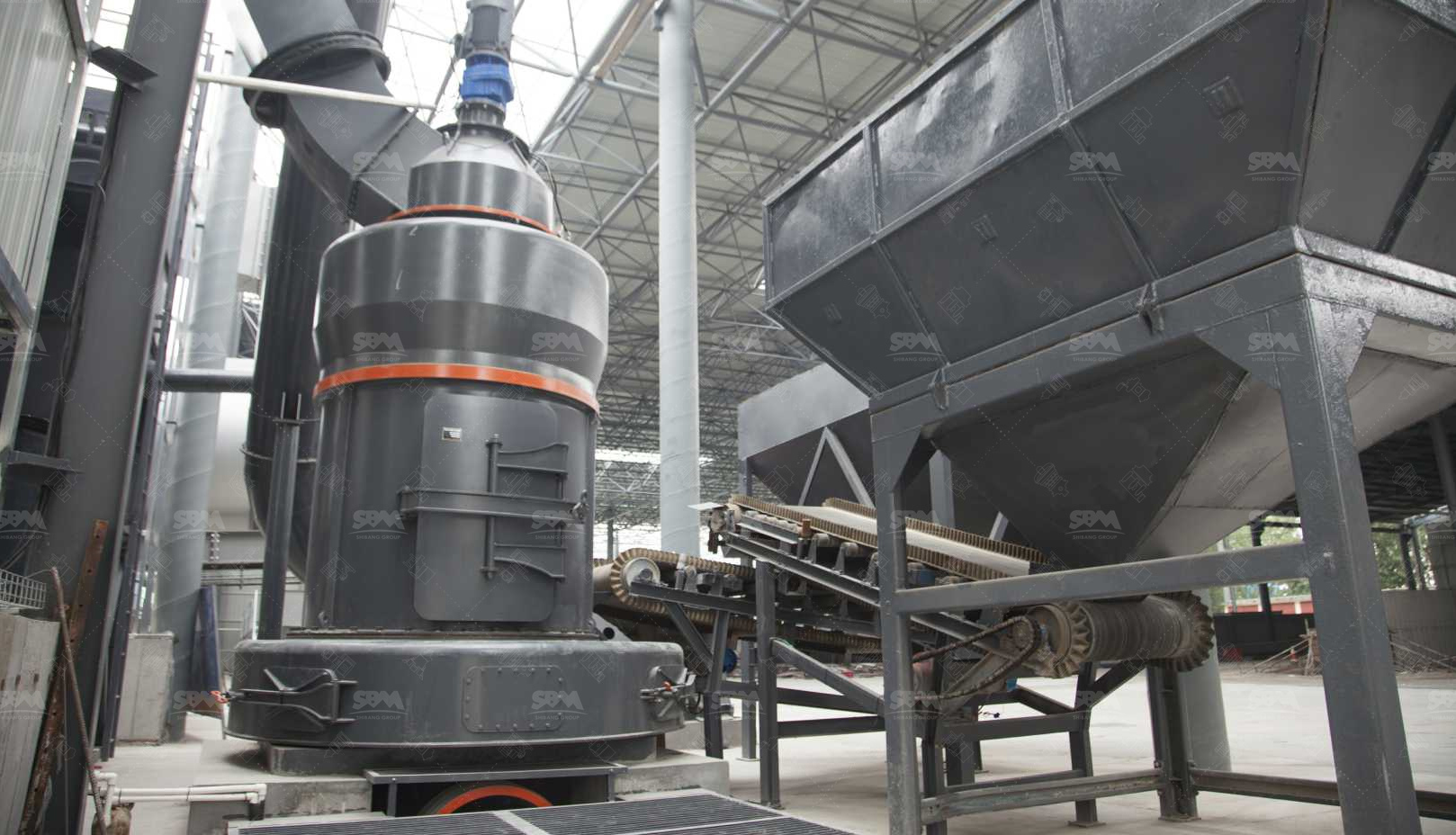
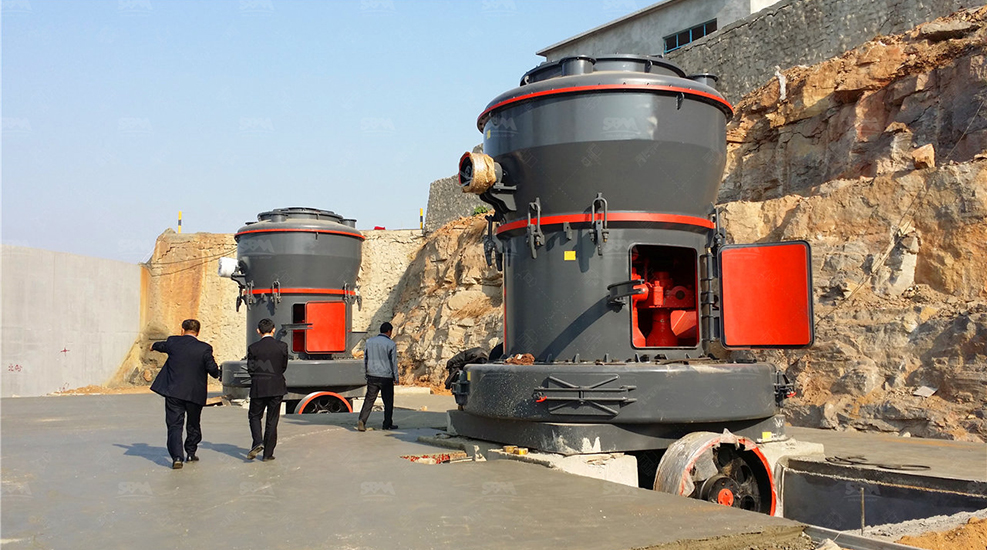
For projects with slightly different capacity requirements or as a dedicated line for ultra-fine barite, our XZM Ultrafine Grinding Mill is another proven performer. It is widely recognized for superfine powder production and can comfortably achieve a fineness range of 325-2500 mesh, making 1000 mesh a standard operational target.
Its strengths include a reliable grinding ring and roller design, efficient turbine classifier, and a compact footprint. The XZM268 model is particularly suitable for medium to larger-scale production needs in Myanmar’s growing market.
The success of Myanmar’s engineered stone sector on the global stage hinges on the quality of its raw materials, including processed barite filler. Investing in the correct grinding technology is not an expense but a strategic move to enhance product value, reduce waste, and ensure competitive advantage.
Shanghai Zenith Machinery Co., Ltd., with its specialization in research, development, and production of industrial powder grinding equipment, provides not just machines, but complete technological solutions. Our LUM Ultrafine Vertical Mill and XZM Ultrafine Grinding Mill are engineered to tackle the specific challenges of grinding barite to 1000 mesh, offering Myanmar producers the reliability, efficiency, and precision needed to excel. By choosing the right grinding partner, Myanmar’s engineered stone industry can build a foundation for sustainable, high-quality production for years to come.