Basalt, one of the most abundant volcanic rocks on Earth, has emerged as a vital raw material for Ethiopia’s growing construction sector. Due to its high compressive strength, excellent durability, and abundant deposits throughout East Africa, basalt is increasingly used as a source of high-quality aggregates for concrete, asphalt, and road base layers. As Ethiopia experiences rapid urbanization and infrastructure development, the demand for efficient grinding solutions to process basalt into fine aggregates has never been greater.
Among the various solutions available in the market, industrial grinding mills play a crucial role in reducing basalt into different fineness levels suitable for concrete and aggregate production. Shanghai Zenith Machinery Co., Ltd., a well-established Chinese manufacturer of industrial grinding equipment, offers high-performance mills perfectly suited for the Ethiopian construction aggregate industry, especially for small and medium-scale operations within the 5–10 tons per hour (TPH) production range.
Basalt’s hardness and toughness make it a preferred aggregate for high-strength concrete and road paving materials. It consists mainly of pyroxene and plagioclase and has a compressive strength typically greater than 100 MPa. When processed correctly through crushing and grinding, basalt forms angular, dense particles that provide superior bonding strength in cementitious composites.
In Ethiopia, basalt deposits extend across regions such as Oromia, Amhara, and the Somali zones. The stone’s excellent mechanical properties have positioned it as a strategic material for highway construction, railway ballast, and ready-mix concrete manufacturing. However, to achieve the optimal particle size distribution required by modern standards, specialized grinding equipment with controlled classification capabilities is necessary.
Basalt’s high abrasiveness and hardness impose significant challenges for traditional milling systems. Conventional equipment often suffers from reduced lifespan, increased energy consumption, and irregular particle size distribution. Therefore, selecting a mill that offers enhanced wear resistance, energy efficiency, and steady performance at small production scales (such as 5–10 TPH) is critical for profitability and sustainability.
The grinding process typically involves three main steps: crushing, grinding, and classification. Basalt first passes through jaw crushers or impact crushers, breaking down the larger stones into smaller fragments. These fragments are then ground in mills where particle size reduction and uniformity are achieved. The final stage involves air classifiers or separators to ensure consistency in output size.
Shanghai Zenith Machinery Co., Ltd. is a pioneer in grinding technology, providing comprehensive solutions for industrial powder processing. With decades of experience in R&D and production, Zenith’s mills have demonstrated exceptional performance in processing hard materials like basalt.
For a production capacity of 5–10 TPH basalt grinding applications in Ethiopia, two models from Zenith’s product line stand out: the MTW110Z Trapezium Grinding Mill and the LM130K Vertical Grinding Mill. Each offers unique advantages for different operational setups.
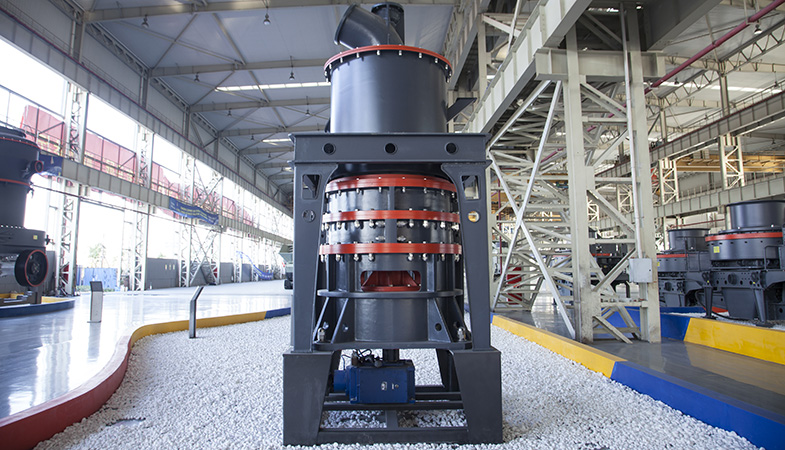
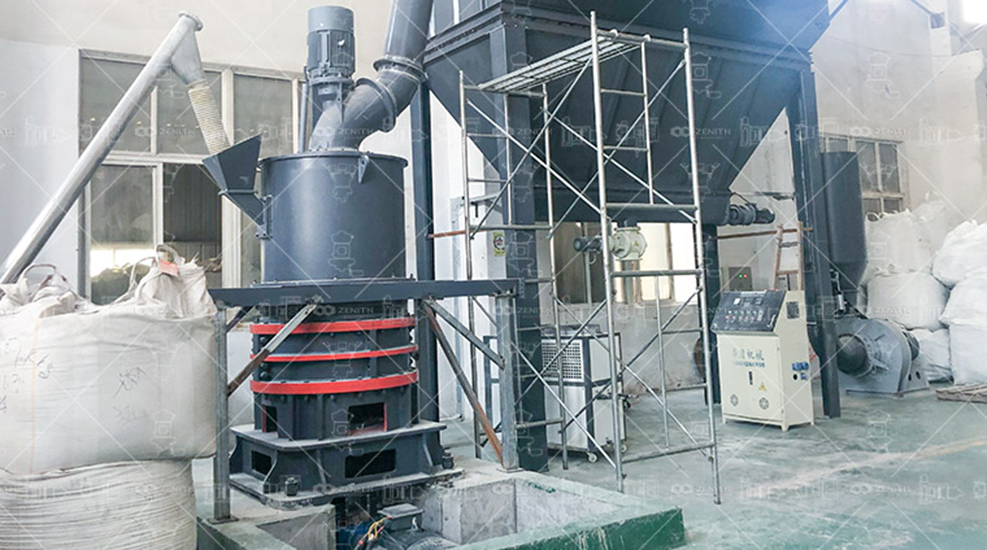
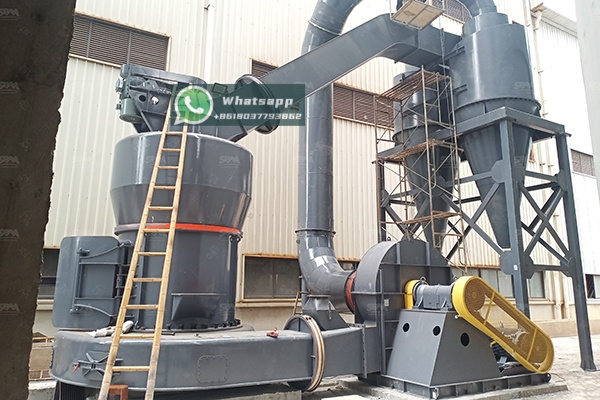
The MTW series is known for its advanced design, operator-friendly interface, and high efficiency. The MTW110Z model delivers consistent particle size output with a capacity range suitable for 3–10 TPH, making it ideal for small-scale basalt aggregate preparation lines. The optimized bevel gear system ensures smooth operation, while the unique internal airflow design minimizes energy waste and dust emissions.
| Model | Max. Feed Size (mm) | Final Size (mm) | Capacity (t/h) | Main Motor (kW) | Fan Motor (kW) |
|---|---|---|---|---|---|
| MTW110Z | <30 | 1.6–0.045 | 3–10 | 55 | 55 |
The modular structure of the MTW110Z simplifies maintenance and allows integration with dust-collection systems. For Ethiopian aggregate producers working with environmentally conscious contractors, this model provides sustainability benefits through reduced particulate emissions and optimized power consumption.
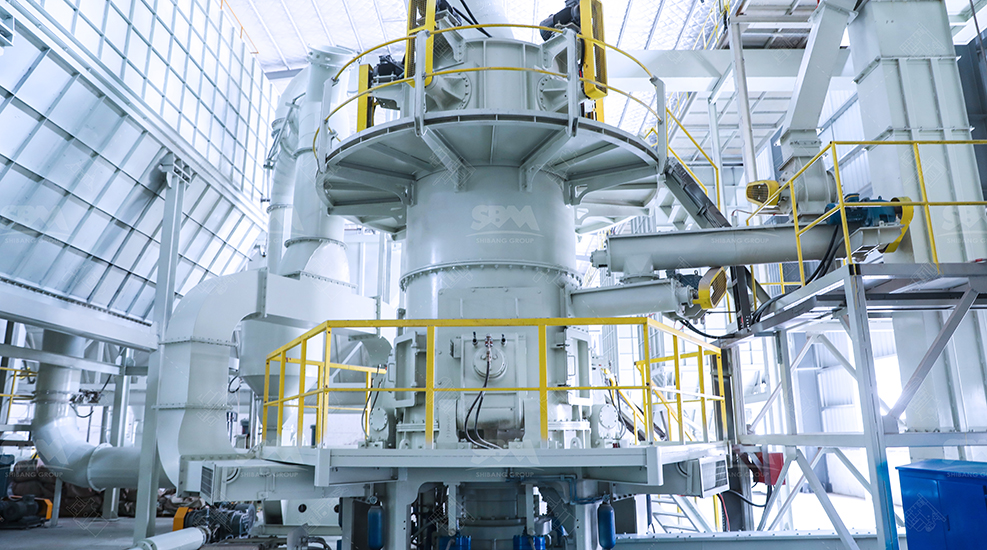
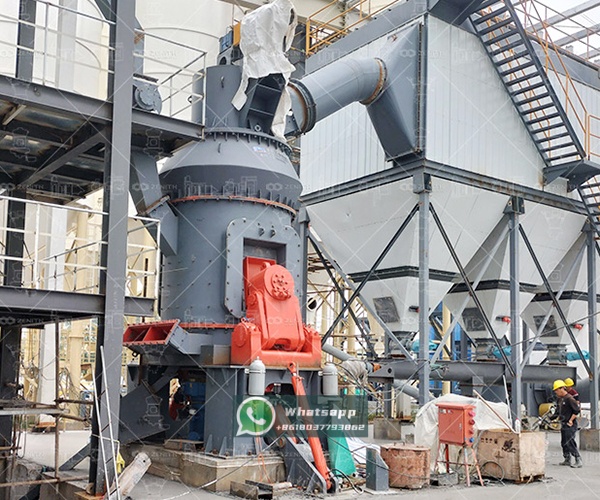
For customers seeking a more integrated solution, the LM130K Vertical Grinding Mill is a versatile choice that combines grinding, drying, and classifying within a single machine. Its compact footprint makes it suitable for installations with limited space, such as aggregate plants located near urban centers.
| Model | Plate diameter (mm) | Capacity (t/h) | Output Fineness (μm) | Max Feed Size (mm) | Main Motor (kW) |
|---|---|---|---|---|---|
| LM130K | 1300 | 10–28 | 170–40 | <38 | 200 |
The LM130K mill is engineered for stable, low-noise performance, ideal for continuous operation in construction aggregate plants. It features automatic control systems for feed and product fineness, making it easier to produce the specific gradation required for road sub-base materials or concrete mix designs.
Zenith’s basalt grinding solutions are particularly advantageous for Ethiopian operators due to several key factors:
Depending on site conditions and production goals, basalt grinding in Ethiopia can be configured in either stationary or semi-mobile lines. For a 5–10 TPH basalt grinding line, the recommended process configuration is as follows:
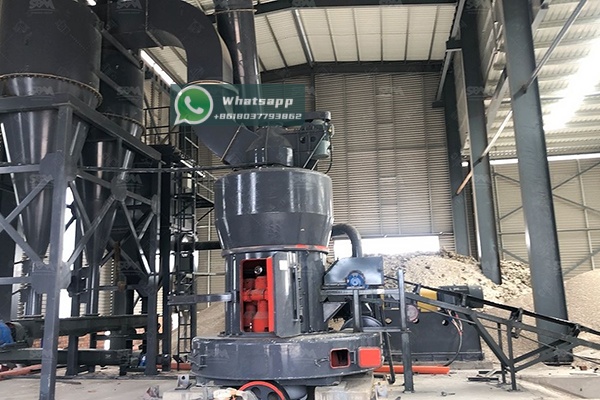
A 7 TPH basalt grinding project in central Ethiopia recently employed the MTW110Z Trapezium Mill from Zenith. The client aimed to produce 0–45 micron aggregate filler for asphalt mixing plants. After equipment commissioning, the mill achieved stable operation at 7.2 TPH, with energy consumption 15% lower than previous equipment. Moreover, maintenance intervals extended from every 300 hours to over 500 hours due to enhanced wear part durability.
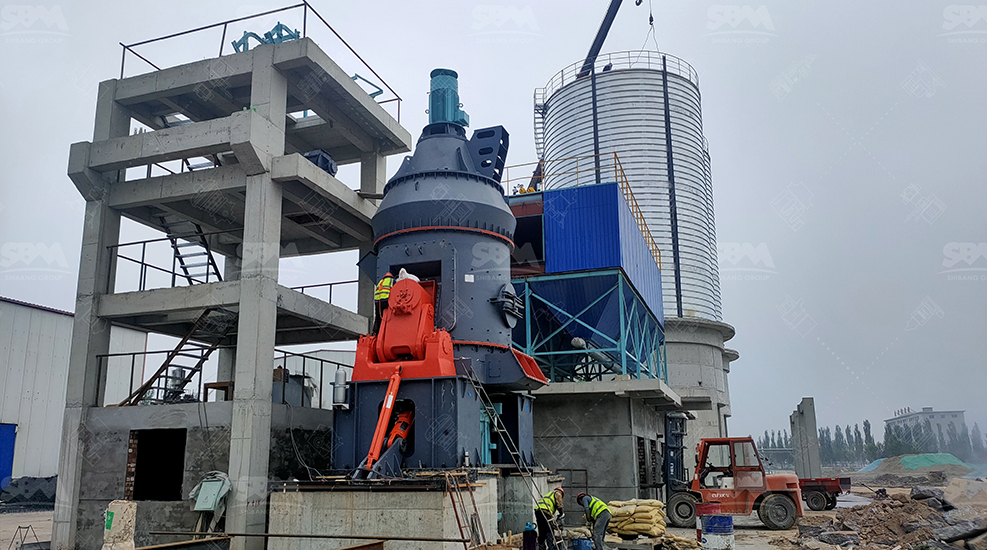
Similarly, in the northern region, a cement plant integrated the LM130K Vertical Mill to process basalt and pozzolanic materials. The integrated drying function reduced total plant energy consumption by nearly 12%, while the uniform particle size improved cement strength and surface finish in concrete applications.
Basalt grinding for construction aggregate in Ethiopia represents a rapidly expanding industrial segment that demands reliable and efficient processing technologies. By leveraging Shanghai Zenith Machinery’s advanced equipment—specifically the MTW110Z Trapezium Grinding Mill and the LM130K Vertical Grinding Mill—producers can achieve consistent quality, optimized productivity, and environmentally friendly operations within the 5–10 TPH capacity range.
Through its continuous innovation, Zenith provides Ethiopian enterprises with a pathway to sustainable growth in the construction materials sector, aligning efficiency, durability, and green production in one integrated solution.