The engineered stone industry in Egypt is experiencing significant growth, driven by both domestic construction demands and export opportunities. As a premium material for countertops, flooring, and cladding, engineered stone (also known as quartz surfaces or agglomerate stone) requires a precise blend of high-quality quartz/feldspar aggregates, pigments, and polymer resins. A key component that enhances the durability, aesthetic depth, and structural integrity of these slabs is finely ground basalt powder. Basalt, with its superior hardness, dark color, and chemical inertness, serves as an excellent filler and reinforcing agent. Processing this hard, abrasive material to the required fineness (typically between 200 to 400 mesh) for a production line of 10-20 tons per hour (TPH) presents a distinct technological challenge. Selecting the right grinding mill is not merely an operational decision; it is a strategic investment in product quality, production efficiency, and long-term profitability.
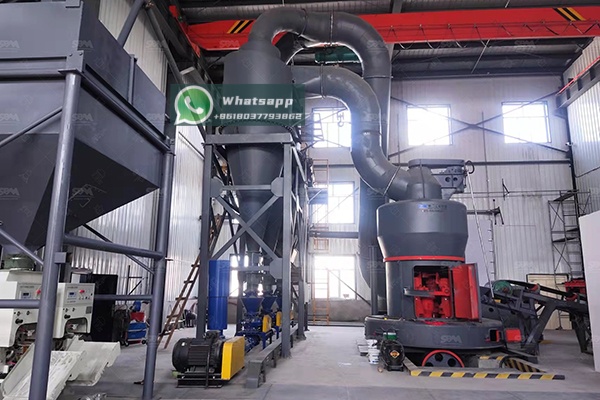
Grinding basalt for engineered stone production is fundamentally different from processing softer minerals. The primary hurdles include:
Given the challenges, traditional mills like basic Raymond Mills or simple Ball Mills often fall short due to high wear rates, inconsistent fineness, or unsuitable capacity ranges. The ideal solution must offer a robust design to handle abrasiveness, high grinding efficiency for energy savings, advanced classification for precise PSD control, and a capacity that seamlessly fits the 10-20 TPH target.
Two advanced grinding technologies stand out as particularly suitable for this application: the advanced European-style Trapezium Grinding Mill and the integrated Vertical Grinding Mill. Both offer distinct advantages for modern, cost-conscious engineered stone manufacturers in Egypt.
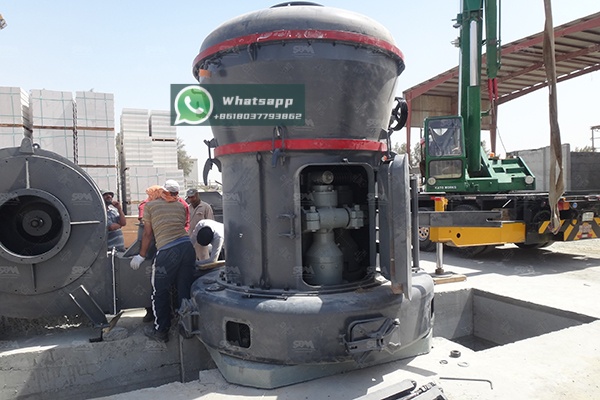
As a leading manufacturer in the field of industrial powder grinding with extensive experience in ultra-fine processing, Shanghai Zenith Machinery Co., Ltd. offers precisely engineered equipment to meet Egypt’s basalt grinding needs. For a 10-20 TPH basalt grinding plant, we highly recommend the following models:
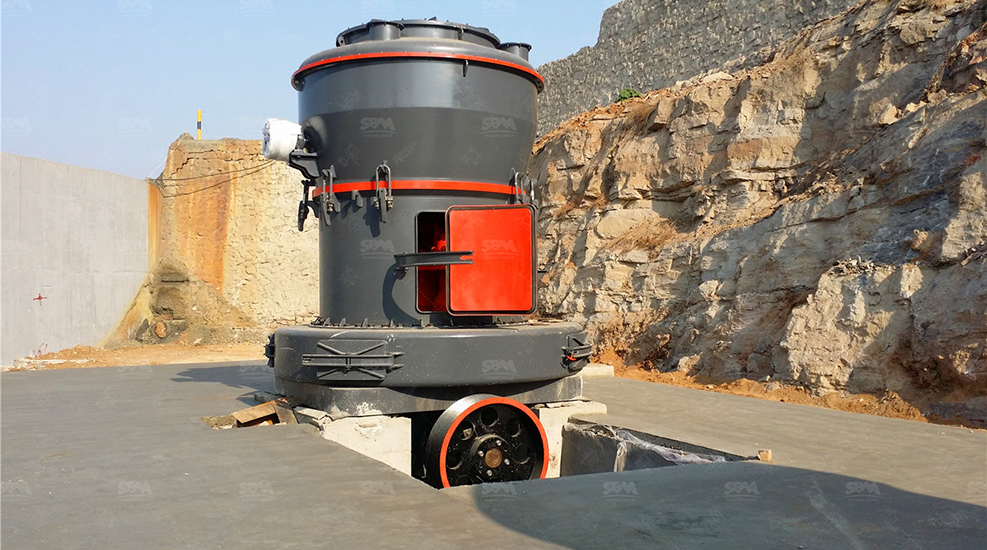
The MTW series mill is engineered with multiple national patents and represents a generational leap in trapezium mill design. Its curved air duct, internal lubricating system, and conical gear transmission make it exceptionally reliable and efficient for grinding hard materials like basalt. For a 10-20 TPH requirement, the MTW138Z model is an ideal match. It is designed to handle the abrasiveness of basalt with its wear-resistant milling rolls and ring, while its efficient classifier ensures the powder fineness meets engineered stone specifications.
| Model | Max. Feed Size (mm) | Final Product Size (mm) | Capacity (t/h) | Main Motor (kW) | Key Advantage for Basalt |
|---|---|---|---|---|---|
| MTW138Z | <35 | 1.6-0.045 | 6-17 | 90 | Perfect capacity fit, high wear resistance, excellent particle shape. |
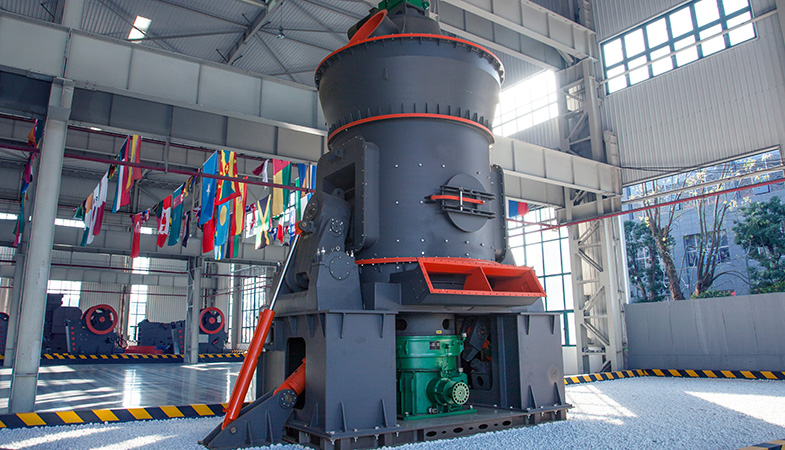
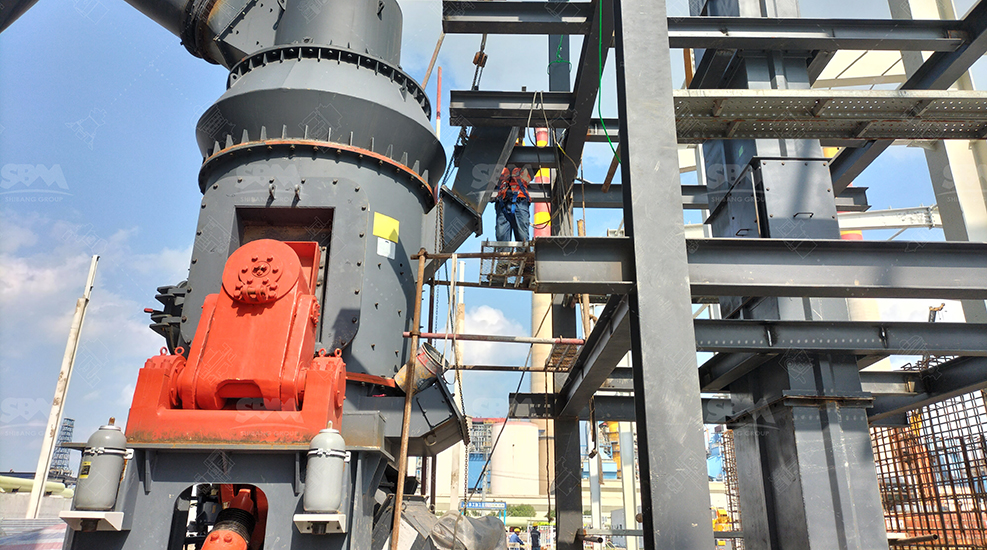
For manufacturers seeking an even more integrated and space-saving solution, the LM Vertical Grinding Mill is a superior choice. It combines crushing, grinding, powder selection, drying, and conveying in a single unit. Its grinding roller and plate are made from high-quality wear-resistant materials, making it durable for basalt processing. The direct grinding principle on the grinding plate leads to lower energy consumption compared to traditional mills. For your required capacity, the LM130K Vertical Grinding Mill is perfectly suited.
| Model | Grinding Plate Diameter (mm) | Capacity (t/h) | Output Fineness (μm) | Main Motor (kW) | Key Advantage for Basalt |
|---|---|---|---|---|---|
| LM130K | 1300 | 10-28 | 170-40 | 200 | Integrated system, lower power consumption, compact footprint, stable output. |
Both mills feature advanced PLC control systems, allowing Egyptian operators to easily adjust fineness and monitor production, ensuring a consistent and high-quality basalt powder feed for the engineered stone mixing line.
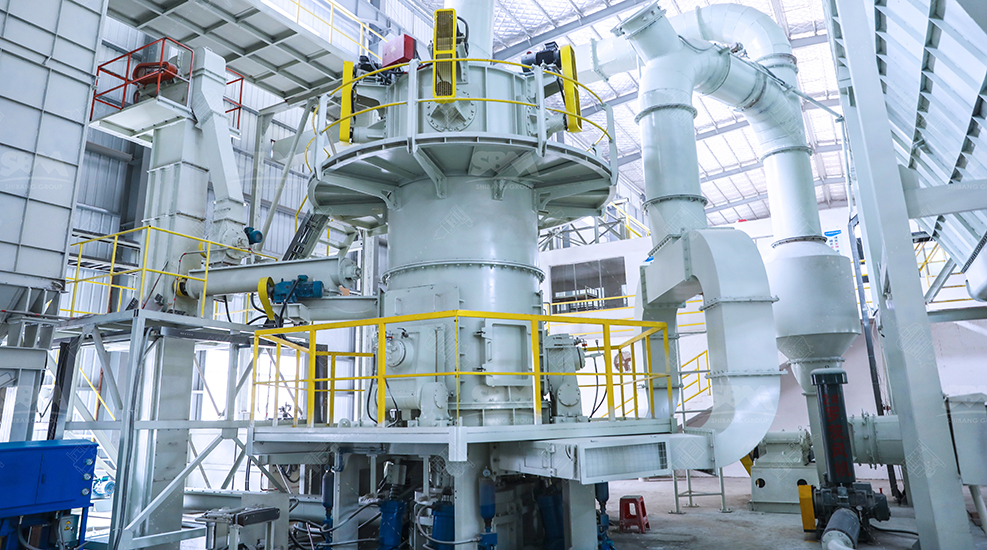
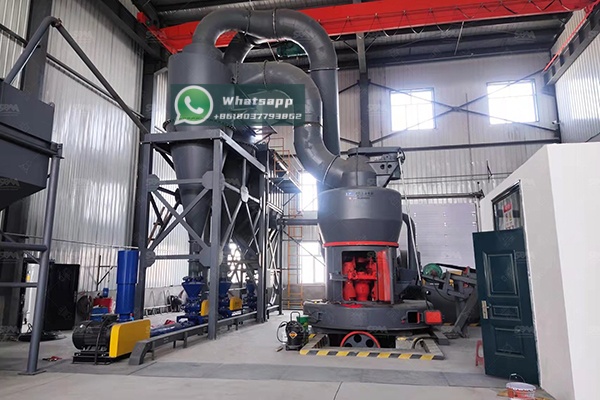
A complete 10-20 TPH basalt grinding system involves more than just the mill. It typically includes a jaw crusher for primary size reduction, a bucket elevator or feeding conveyor, the main grinding mill (MTW138Z or LM130K), a pulse dust collector to ensure a clean workshop environment, and an electrical control cabinet. Shanghai Zenith provides comprehensive plant design, equipment supply, installation guidance, and operator training services. We understand the local market conditions in Egypt and can offer tailored solutions that account for power supply, ambient conditions, and available maintenance expertise.
The success of an engineered stone factory in Egypt hinges on the quality and cost-effectiveness of its raw materials. By investing in a high-performance basalt grinding mill from a reputable manufacturer like Shanghai Zenith, producers can secure a reliable supply of superior basalt powder. This directly translates to stronger, more visually appealing finished slabs, lower production costs through energy efficiency and reduced downtime, and ultimately, a stronger competitive position in the regional and global markets. For your specific 10-20 TPH project, the Zenith MTW138Z and LM130K mills represent proven, efficient, and reliable technological pathways to achieve your production goals.