Iraq’s rapidly developing industrial sector, particularly the rubber manufacturing industry, demands high-quality fillers to enhance product performance and reduce costs. Basalt, a volcanic rock abundant in the region, has emerged as an ideal raw material for rubber filler due to its excellent thermal stability, high hardness, and chemical resistance. When ground to an ultrafine fineness of 800 mesh (approximately 18 μm), basalt powder acts as a reinforcing agent, improving wear resistance, tensile strength, and dimensional stability of rubber products. However, achieving such fine grinding efficiently and economically requires specialized milling equipment. Shanghai Zenith Machinery Co., Ltd., a leading manufacturer of ore grinding equipment in China, offers technologically advanced solutions tailored to these requirements. This article explores the technical aspects of processing basalt for rubber filler and recommends two flagship ultrafine grinding mills that deliver consistent 800-mesh output with high throughput and low energy consumption.
Basalt is an igneous rock composed mainly of plagioclase, pyroxene, and olivine. Its hardness on the Mohs scale ranges from 5 to 7, making it relatively difficult to grind. For rubber filler applications, the powder must have a narrow particle size distribution, high specific surface area, and low impurity content. At 800 mesh, basalt powder provides optimal reinforcement without compromising the rubber’s flexibility. Key benefits include improved heat dissipation, reduced swelling in oils, and enhanced aging resistance. In Iraq, where temperatures can exceed 50°C, rubber products such as tires, conveyor belts, and seals require fillers that maintain performance under extreme conditions. Thus, selecting a grinding mill that can efficiently break down basalt to ultrafine levels while preserving its inherent properties is critical.
Traditional grinding mills like Raymond mills or ball mills often struggle to achieve 800 mesh for hard materials like basalt due to limitations in grinding pressure, classification efficiency, and energy consumption. For instance, a standard ball mill might produce particles down to 200 mesh, but further grinding leads to excessive wear and high power usage. The key challenges include:
Shanghai Zenith’s ultrafine mills are specifically engineered to overcome these obstacles, combining advanced grinding mechanisms with intelligent control systems.
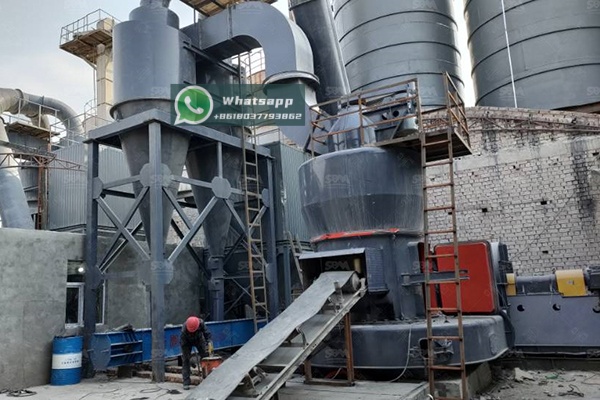
Based on extensive research and field applications, Shanghai Zenith Machinery recommends two models for producing 800-mesh basalt powder: the XZM Ultrafine Grinding Mill and the LUM Ultrafine Vertical Mill. Both machines are proven in processing hard, abrasive materials and can consistently deliver a D97 of 800 mesh (≈18 μm). Below are their technical specifications.
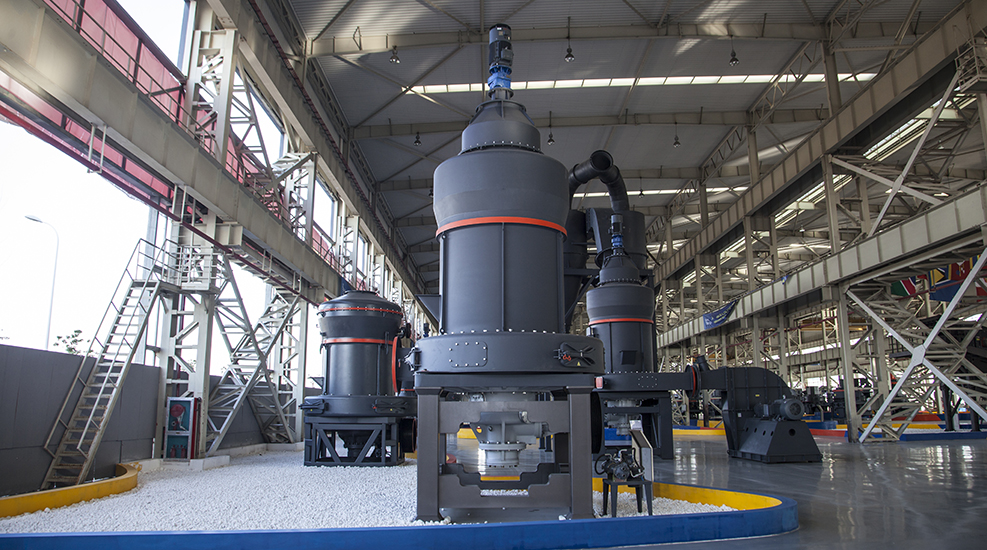
The XZM series is designed for superfine powder production with a fineness range of 325–2500 mesh. It employs multi-stage grinding rings and a high-speed impeller classifier to achieve precise particle sizing. Its compact footprint and low vibration make it suitable for both small-scale and large-scale plants.
| Model | Working Diameter (mm) | Max Feed Size (mm) | Final Size (mesh) | Output (kg/h) | Main Motor Power (kW) |
|---|---|---|---|---|---|
| XZM221 | Φ800 | ≤20 | 325–2500 | 500–4500 | 75 |
| XZM268 | Φ1680 | ≤20 | 325–2500 | 5000–25000 | 315 |
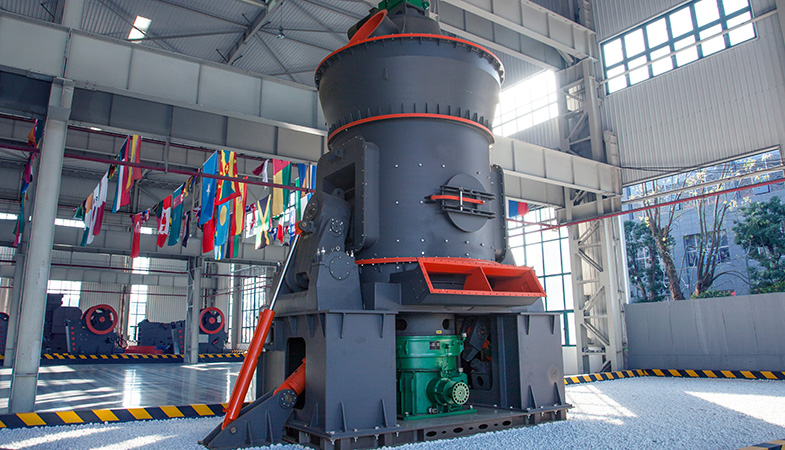
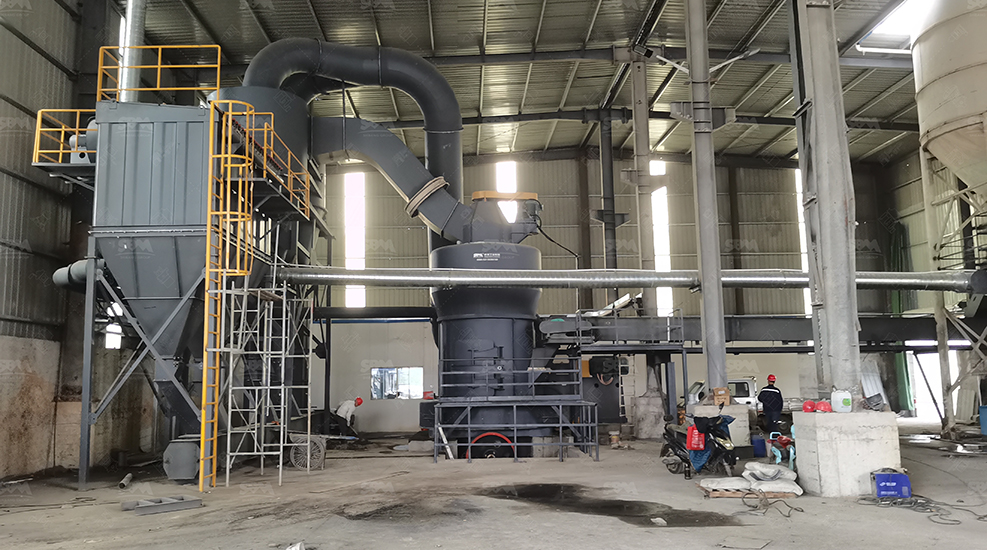
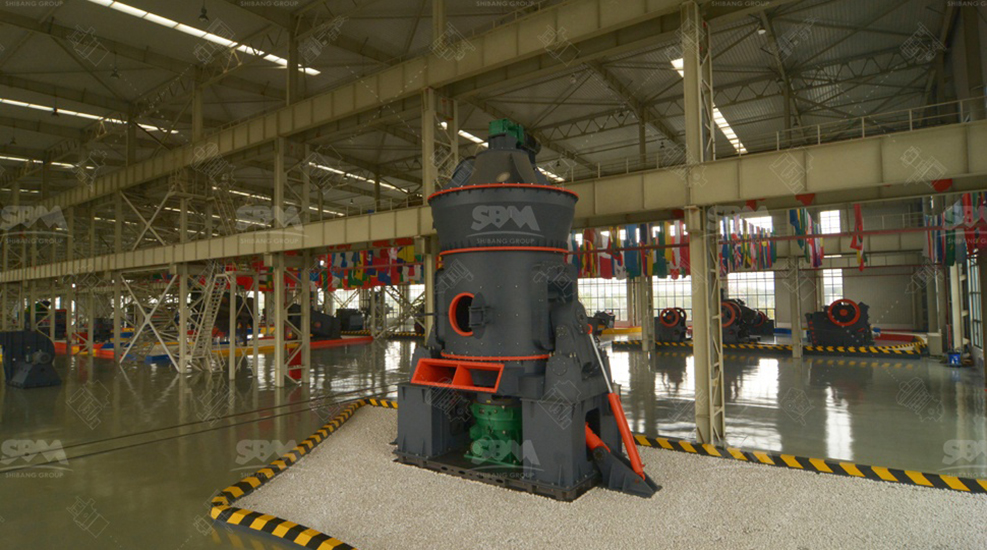
The LUM series integrates grinding, drying, classifying, and conveying in one unit. Its vertical roller design minimizes floor space and allows for automatic control of grinding pressure and classifier speed. It is particularly effective for materials with high moisture content (up to 6%). The output fineness can be adjusted between 5–30 μm, covering the 800-mesh requirement easily.
| Model | Main Machine Power (kW) | Capacity (t/h) | Size Distribution D97 (μm) |
|---|---|---|---|
| LUM1525 | 220–250 | 1.6–11.5 | 5–30 |
| LUM1632 | 280–315 | 2.0–13.5 | 5–30 |
| LUM1836 | 355–400 | 2.3–15 | 5–30 |
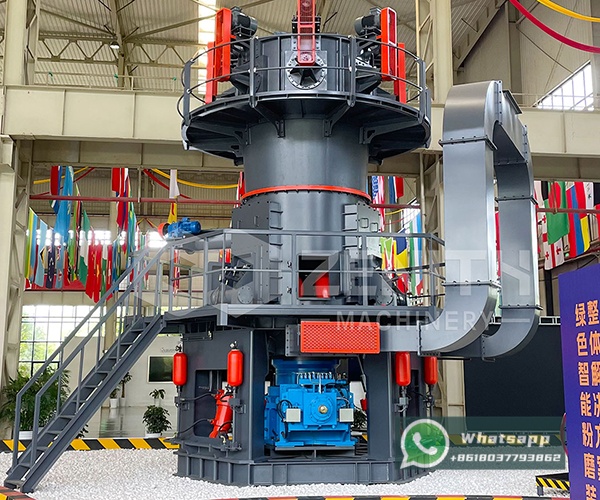
Both the XZM and LUM mills incorporate features that directly address the challenges of grinding basalt to 800 mesh:
A typical production line for basalt rubber filler using Zenith mills includes the following steps:
Iraq’s rubber industry is growing, driven by demand for automotive parts, construction materials, and oilfield equipment. Importing ultrafine basalt powder from abroad adds significant logistics costs and lead times. Establishing a local grinding plant with Zenith mills offers several economic advantages:
Grinding basalt to 800 mesh for rubber filler in Iraq presents both an opportunity and a technical challenge. Shanghai Zenith Machinery’s XZM Ultrafine Grinding Mill and LUM Ultrafine Vertical Mill are proven solutions that deliver the required fineness with high efficiency, durability, and operational simplicity. The integrated classifiers, wear-resistant components, and intelligent controls make them ideal for the demanding task of processing hard, abrasive basalt. For Iraqi entrepreneurs and industrialists looking to capitalize on local resources and reduce dependence on imports, investing in Zenith’s grinding technology is a strategic move that ensures high-quality product output at competitive costs. Contact Zenith today to discuss how we can design a tailored basalt grinding solution for your specific capacity and budget requirements.