The Australian pet care market is robust and growing, with cat ownership being particularly widespread. A key product within this sector is clumping cat litter, predominantly made from sodium bentonite. This natural clay mineral possesses exceptional moisture absorption and clumping properties. For manufacturers aiming to establish or expand production within a 10-20 tons per hour (TPH) output range, selecting the optimal grinding mill is a critical decision that impacts product quality, energy efficiency, and overall operational profitability. This article explores the technical considerations for bentonite grinding in cat litter production and presents advanced milling solutions.
Successful cat litter is not merely crushed bentonite; it is a carefully engineered granular product. The grinding process must achieve a specific particle size distribution. Too fine, and the litter becomes excessively dusty, a nuisance for homeowners and a potential respiratory irritant for pets. Too coarse, and the clumping performance, aesthetic appeal, and softness underfoot are compromised. The ideal mill must produce a consistent, controllable granular output, typically within a range of 10 to 60 mesh (2.0mm to 0.25mm), with minimal ultra-fine (dust) content. Furthermore, the mill system should integrate effective drying capabilities, as bentonite is often processed with residual moisture.
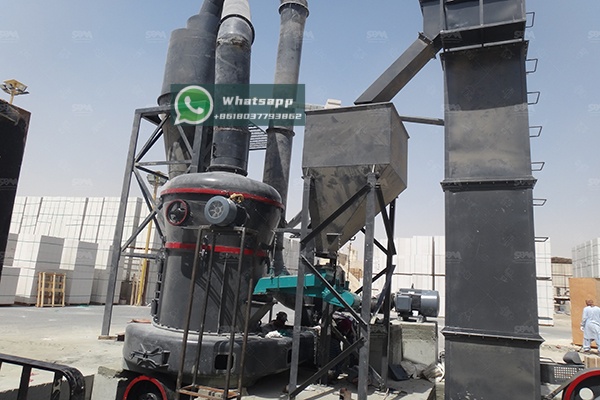
Designing a grinding circuit for this capacity range involves several key challenges:
As a leading manufacturer in industrial powder processing, Shanghai Zenith Machinery Co., Ltd. offers several technologies well-suited for bentonite cat litter production. For a 10-20 TPH application, two models stand out as particularly effective: the LM Vertical Grinding Mill and the MTW Trapezium Grinding Mill.
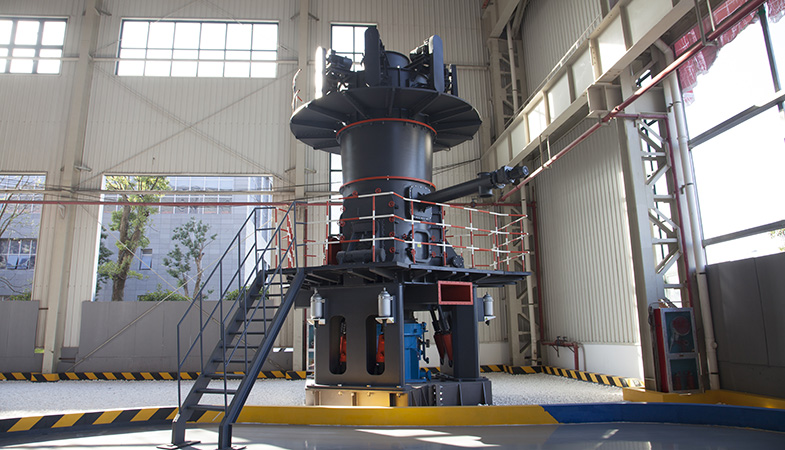
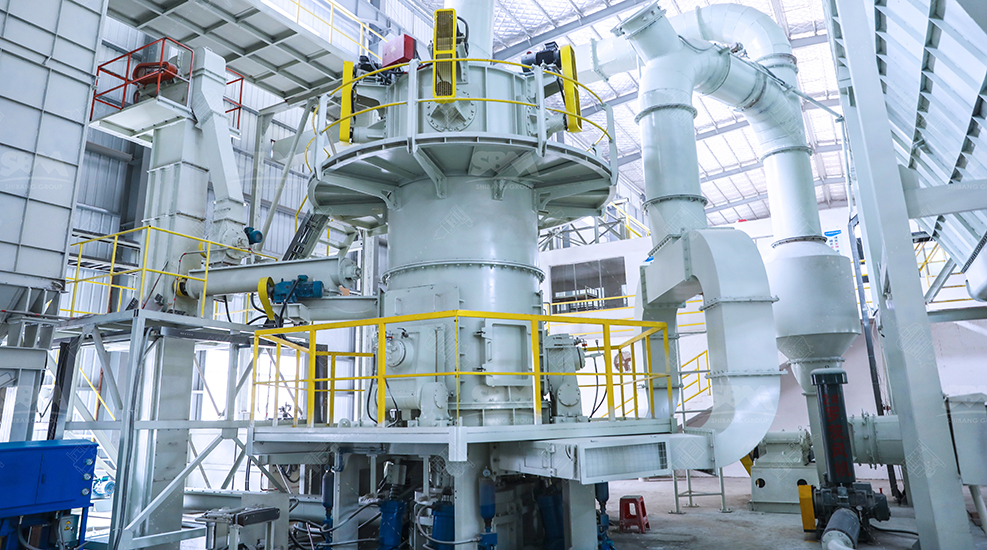
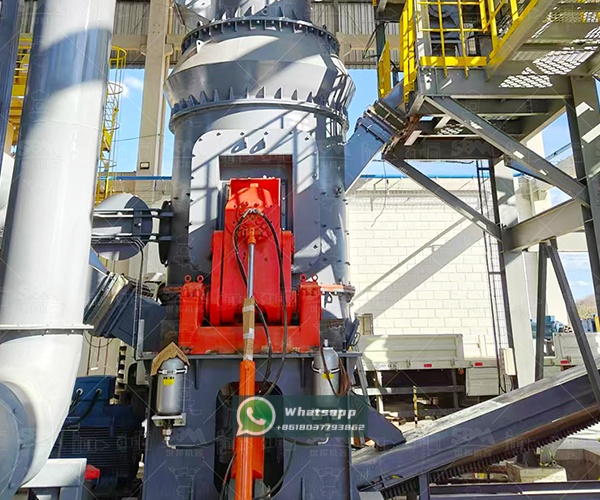
The LM Vertical Grinding Mill is an outstanding choice for bentonite processing due to its all-in-one design. It integrates crushing, grinding, drying, powder classification, and conveying into a single, compact unit. This is highly advantageous for processing moist bentonite, as hot air (from a dedicated furnace or waste heat source) can be introduced directly into the mill chamber to dry the material simultaneously with grinding. Its vertical structure occupies a small footprint, and the grinding roller and plate are designed for long service life with abrasive materials.
For a 10-20 TPH bentonite cat litter line, the LM190K model is an ideal match. Its parameters are as follows:
| Model | Plate Diameter (mm) | Capacity (t/h) | Output Fineness (μm) | Max Feed Size (mm) | Main Motor (kW) |
|---|---|---|---|---|---|
| LM190K | 1900 | 23-68 | 170-40 | <45 | 500 |
Operating within the lower to middle range of its capacity, the LM190K provides stable, efficient output with excellent adjustability of product granularity through its dynamic classifier. The integrated drying feature eliminates the need for a separate dryer, simplifying the plant layout and reducing thermal energy loss.
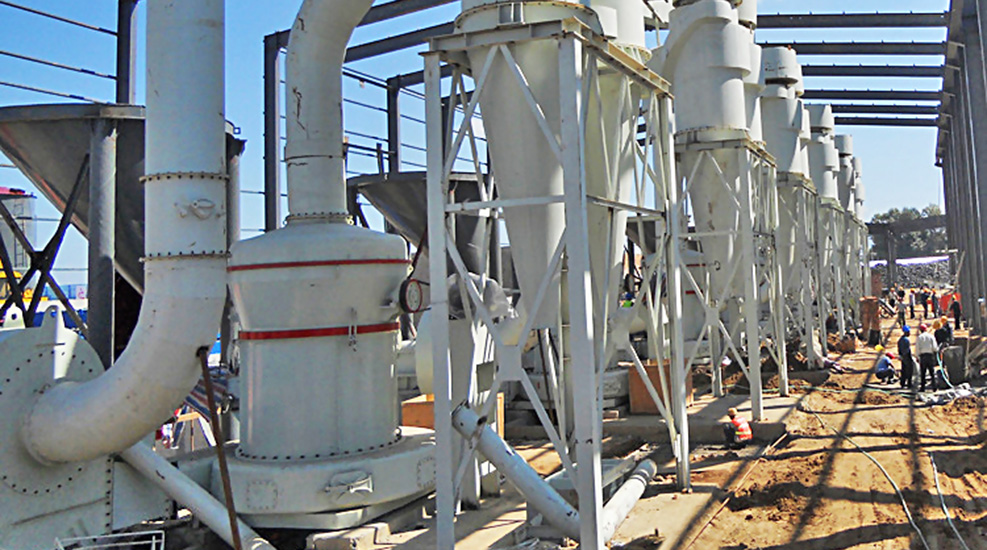
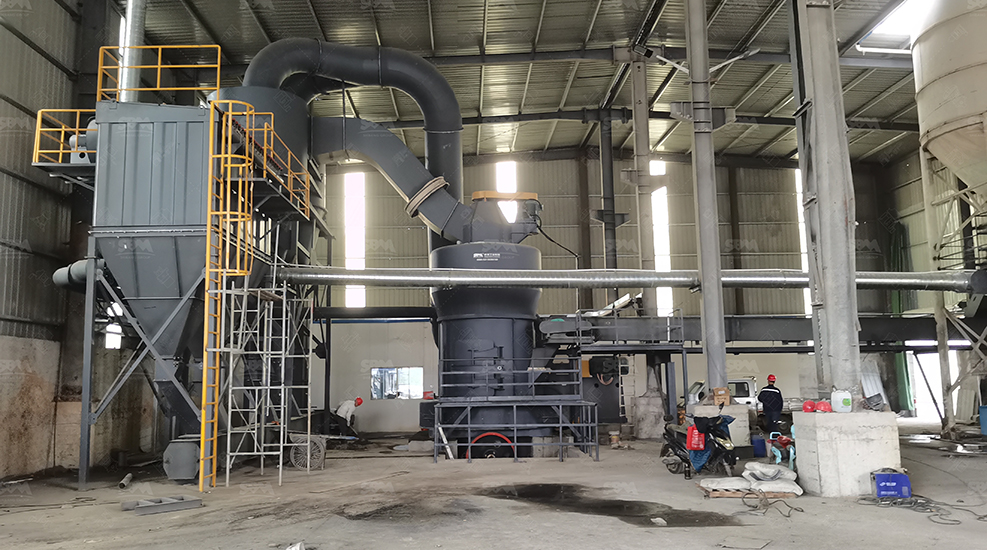
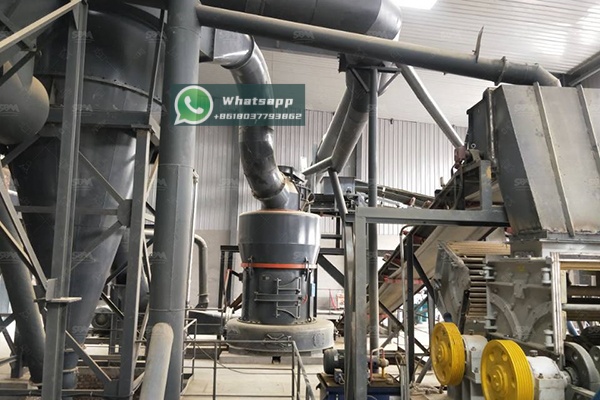
The MTW Trapezium Grinding Mill is another premier technology from Zenith, renowned for its high grinding efficiency and reliability. It features a curved shovel blade that increases feeding capacity and an internal high-efficiency turbine classifier that ensures precise particle size control. Its geared drive system is more efficient than traditional worm gear reducers, leading to significant energy savings. For bentonite grinding where the feed material is pre-dried or naturally low in moisture, the MTW series offers superb performance and product consistency.
For the target production rate, the MTW175G model is highly recommended. Its technical specifications are perfectly aligned with project requirements:
| Model | Max. Feed Size (mm) | Final Size (mm) | Capacity (t/h) | Main Motor (kW) | Fan Motor (kW) |
|---|---|---|---|---|---|
| MTW175G | <40 | 1.6-0.045 | 9.5-25 | 160 | 200 |
The MTW175G can comfortably handle a 10-20 TPH throughput. Its advanced pulse dust collector ensures an environmentally friendly operation, which is crucial for meeting Australian environmental standards. The mill’s structure is designed for easy access to key components, facilitating routine inspection and maintenance.
Beyond the mill itself, a complete production line includes feeding, pre-crushing (if necessary), grinding, classifying, dust collecting, and packaging systems. Shanghai Zenith doesn’t just supply equipment; we provide tailored solutions. Our engineers can assist in designing the entire circuit, ensuring seamless integration of the grinding mill with auxiliary equipment like feeders, elevators, and dust collectors to create a turnkey 10-20 TPH cat litter production plant. Our commitment to research and development in ultra-fine powder grinding directly translates into robust and efficient solutions for granular products like cat litter.
Establishing a competitive bentonite cat litter production line in the 10-20 TPH range requires a strategic focus on grinding technology. The key lies in selecting a mill that delivers the right particle size, manages moisture, controls dust, and operates efficiently. Shanghai Zenith Machinery’s LM Vertical Grinding Mill (particularly the LM190K model) and MTW Trapezium Grinding Mill (such as the MTW175G model) represent two of the most technically advanced and economically viable options on the market. By leveraging our deep expertise in industrial powder processing, Australian manufacturers can build a foundation for high-quality, profitable, and sustainable cat litter production.