The Turkish ceramic industry, renowned globally for its quality tiles, sanitaryware, and advanced technical ceramics, relies heavily on the consistent supply of high-purity, finely ground raw materials. Among these, bentonite clay plays a pivotal role as a plasticizer, binder, and suspension agent. To achieve the superior surface finish, mechanical strength, and precise dimensional stability demanded by modern ceramic production, processing bentonite to ultra-fine levels—specifically to 1000 mesh (approximately 13 microns)—is essential. This article explores the technical challenges of ultra-fine bentonite grinding and presents optimal milling solutions for Turkish manufacturers.
Bentonite, a highly colloidal and plastic clay primarily composed of montmorillonite, is indispensable in ceramic bodies and glazes. Its unique properties—high water absorption, swelling capacity, and thixotropy—enhance the workability of ceramic slips, improve green strength, and prevent cracking during drying. For high-value applications like porcelain and advanced technical ceramics, the particle size distribution of bentonite directly influences the sintering behavior, density, and final product aesthetics. A fineness of 1000 mesh ensures maximum surface area, leading to more homogeneous mixtures, reduced firing temperatures, and ultimately, ceramics with enhanced structural integrity and superior surface quality.
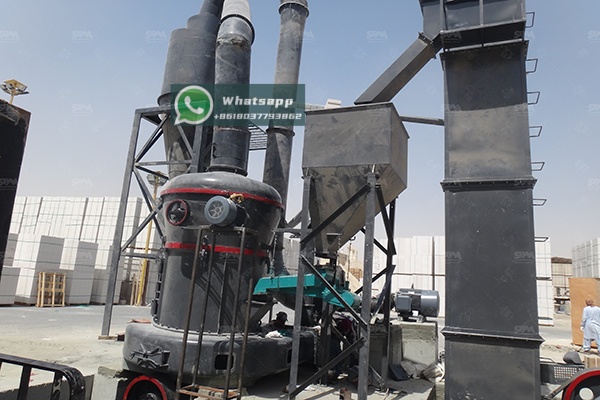
Grinding bentonite to an ultra-fine powder presents distinct challenges. Its natural moisture content, layered platelet structure, and inherent plasticity can lead to agglomeration, clogging, and reduced grinding efficiency in conventional mills. The process requires equipment capable of:
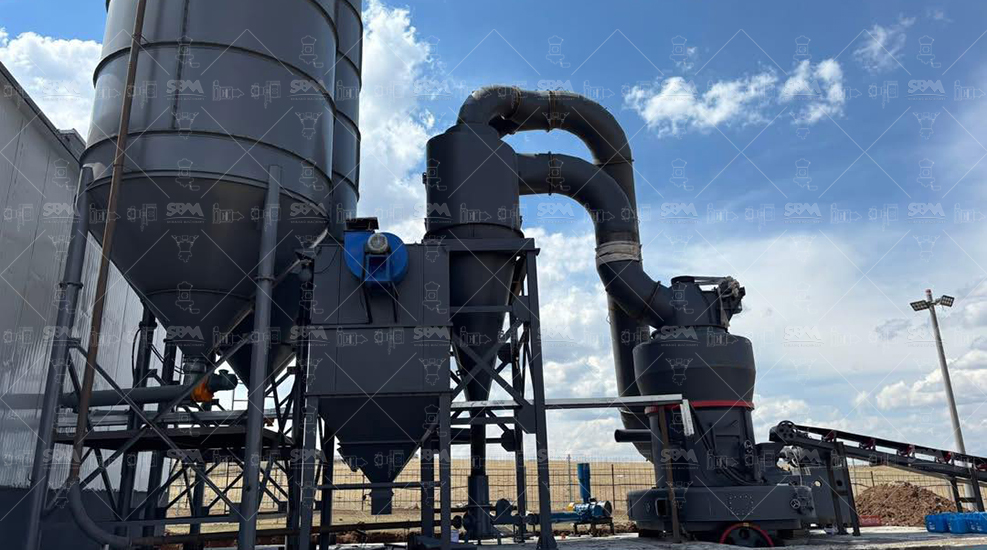
Traditional ball mills or Raymond mills often fall short in efficiently and consistently achieving the 1000-mesh target. The industry is increasingly turning to integrated vertical grinding systems and specialized ultra-fine mills that combine multiple unit operations.
Shanghai Zenith Machinery Co., Ltd., an excellent manufacturer of ore and industrial grinding equipment, has made significant achievements in the field of ultra-fine powder technology. With extensive specialization in the research, development, and production of industrial powder grinding equipment, Zenith offers robust solutions tailored for materials like bentonite. For Turkish ceramic producers aiming for the 1000-mesh benchmark, two of Zenith’s products stand out as particularly suitable.
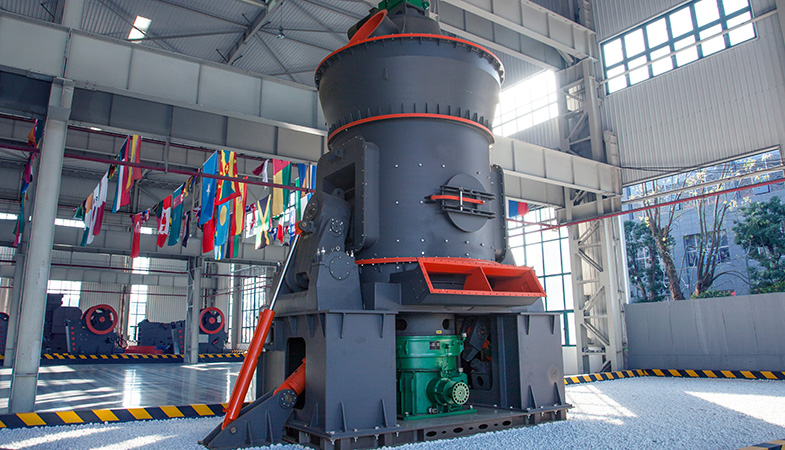
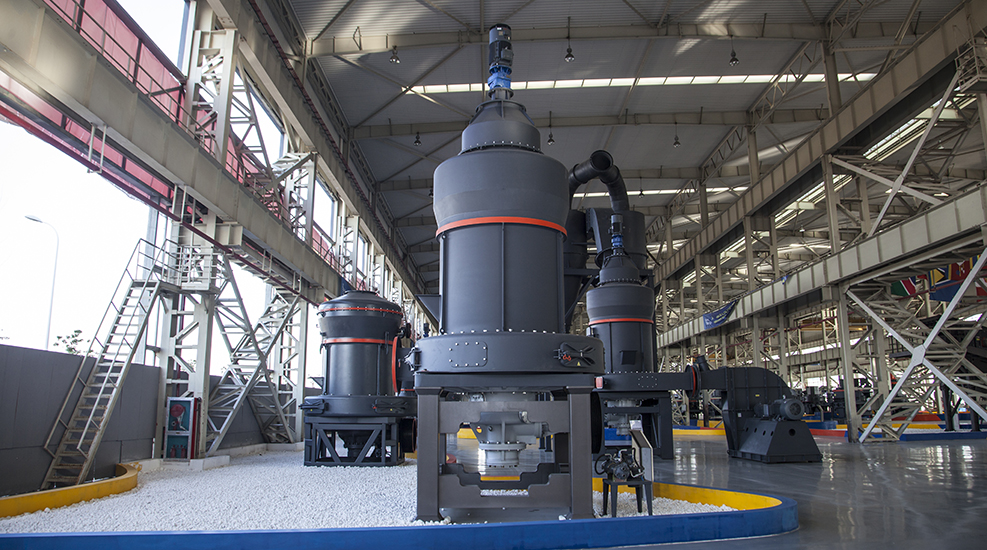
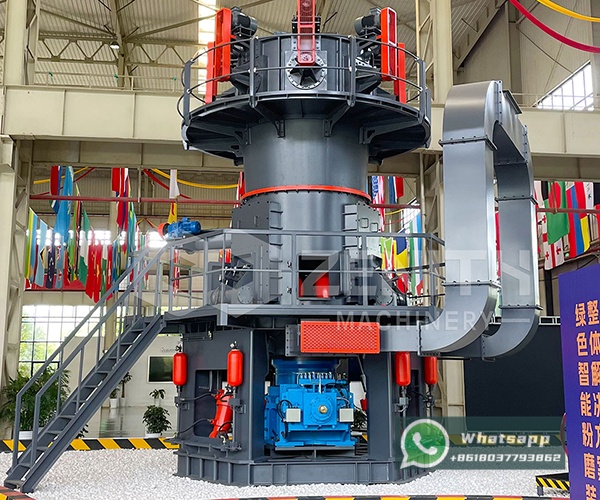
The LUM Ultrafine Vertical Mill represents a technological leap for superfine powder production. It ingeniously integrates grinding, drying, classification, and conveying into a single, compact unit. Its defining feature is a built-in high-efficiency classifier that ensures precise cut-point control, directly yielding product fineness up to 2500 mesh. For bentonite processing, its ability to handle slightly moist feed with integrated hot air drying is a major advantage, preventing agglomeration. The grinding roller operates with minimal direct metal-to-metal contact, reducing wear and heat generation, thereby preserving bentonite’s natural properties.
| Model | Main Machine Power (kW) | Capacity* (t/h) | Size Distribution D97 (μm) | Equivalent Mesh |
|---|---|---|---|---|
| LUM1125 | 110-132 | 0.8-6.5 | 5-30 | 625 – 2,500 mesh |
| LUM1525 | 220-250 | 1.6-11.5 | 5-30 | 625 – 2,500 mesh |
| LUM1836 | 355-400 | 2.3-15 | 5-30 | 625 – 2,500 mesh |
*Capacity varies based on material hardness, moisture, and required fineness.
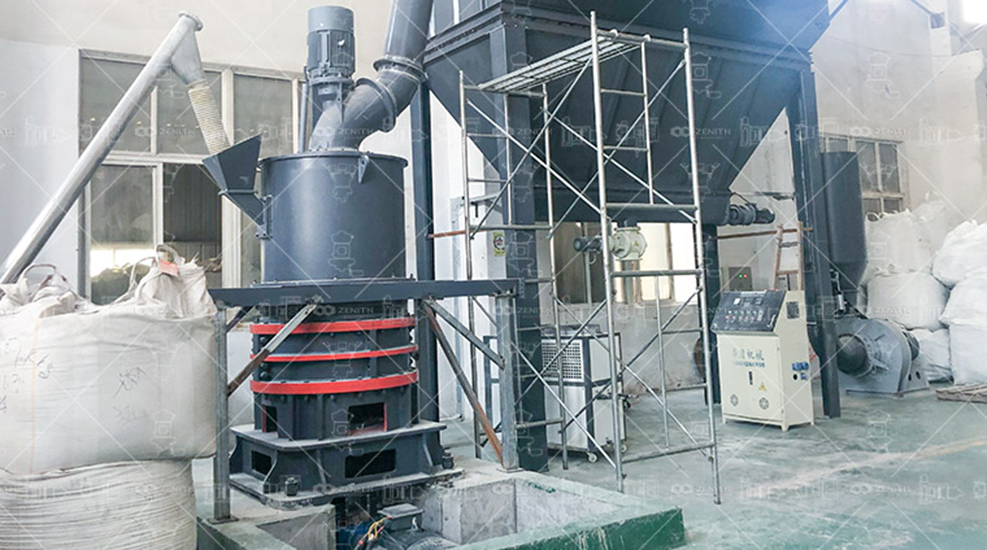
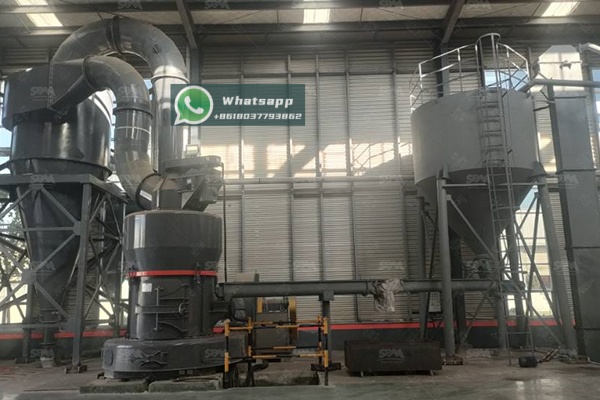
The XZM Ultrafine Grinding Mill is another flagship product from Zenith, widely recognized for producing fine and ultra-fine powder from soft to medium-hard materials. It is based on a robust design with a high-speed rotary main shaft and multiple grinding rollers. The particle size is controlled by an external high-precision air classifier, allowing for flexible adjustment between 325 and 2500 mesh. Its stability and reliability make it an excellent choice for continuous, high-volume production lines in the ceramic industry. The system’s airflow is designed cyclically, reducing dust emission and promoting an environmentally friendly workshop.
| Model | Working Diameter (mm) | Max Feed Size (mm) | Final Size (mesh) | Output* (kg/h) | Main Motor Power (kW) |
|---|---|---|---|---|---|
| XZM221 | Φ800 | ≤20 | 325-2500 | 500-4500 | 75 |
| XZM268 | Φ1680 | ≤20 | 325-2500 | 5000-25000 | 315 |
*Output for bentonite at 1000 mesh would be in the mid-to-upper range of the scale.
For Turkish ceramic companies, partnering with a reliable technology provider is key. Shanghai Zenith Machinery offers not just equipment but comprehensive solutions:
Achieving a consistent 1000-mesh fineness in bentonite processing is no longer a technical hurdle but a strategic investment for Turkish ceramic manufacturers seeking to enhance product quality and competitive edge. Advanced grinding systems, such as the LUM Ultrafine Vertical Mill and XZM Ultrafine Grinding Mill from Shanghai Zenith Machinery, provide the technological foundation for this precision. By integrating efficient grinding, drying, and classification, these mills deliver the high-quality bentonite powder essential for producing next-generation ceramic materials, ensuring Turkey’s continued leadership in the global ceramic market.