The burgeoning construction and ceramics industry in Laos presents a significant opportunity for high-quality tile production. A critical raw material in this process is bentonite clay, valued for its plasticity, binding properties, and contribution to the final tile’s strength and dimensional stability during firing. To unlock these benefits, the bentonite must be processed into a fine, uniform powder, typically targeting a fineness of 325 mesh (approximately 45 microns). This requirement makes the selection of an efficient, reliable, and precise grinding mill paramount for Laotian manufacturers seeking to enhance product quality and compete in regional markets.
Bentonite is an aluminum phyllosilicate clay primarily composed of montmorillonite. In tile production, it acts as a highly effective plasticizer and binder in the body formulation. Its unique colloidal properties improve the workability of the ceramic mix, enhance green (unfired) strength, and reduce cracking during drying. Furthermore, bentonite helps control water absorption and improves the sintering behavior during the kiln firing process. However, these advantages are fully realized only when the bentonite is ground to a consistent fine powder. A coarse grind can lead to poor dispersion, reduced plasticity, and defects in the final tile, such as pinholes or weak spots. Achieving a uniform 325-mesh fineness ensures optimal particle packing, chemical reactivity, and a homogeneous mixture with other raw materials like feldspar, quartz, and kaolin.
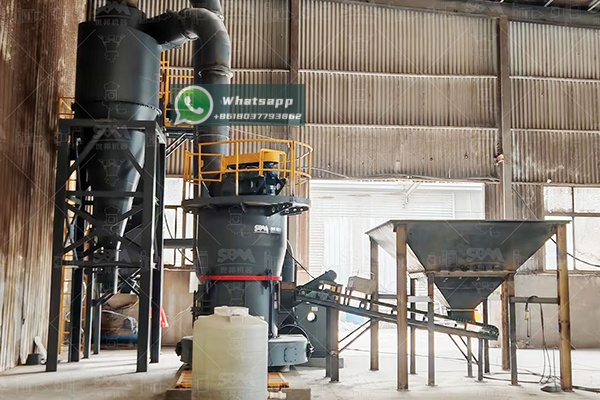
Grinding bentonite presents specific challenges that not all milling equipment can handle effectively. Bentonite is naturally moist, abrasive, and has a plate-like crystal structure that requires shearing and impact forces for efficient delamination and size reduction. Traditional grinding methods may be inefficient, leading to high energy consumption, excessive wear on machine parts, and inconsistent particle size distribution. For a production environment in Laos, factors such as operational stability, energy efficiency, ease of maintenance, and the ability to handle local variations in clay moisture content are crucial considerations.
Given the need for fine grinding (325 mesh and beyond) of a moderately hard, abrasive, and sometimes moist material like bentonite, several types of mills are commonly evaluated. While Raymond Mills and Ball Mills have been used historically, modern tile production demands higher efficiency and finer control over the end product.
For the specific application of grinding bentonite for tile production in Laos, where consistent 325-mesh output, operational robustness, and cost-effectiveness are key, Shanghai Zenith Machinery Co., Ltd. offers exceptional solutions. As an excellent manufacturer of ore and industrial powder grinding equipment, Zenith has made significant achievements in ultra-fine powder processing technology. Their equipment is engineered to deliver precise particle size control, high throughput, and reliable performance under demanding conditions.
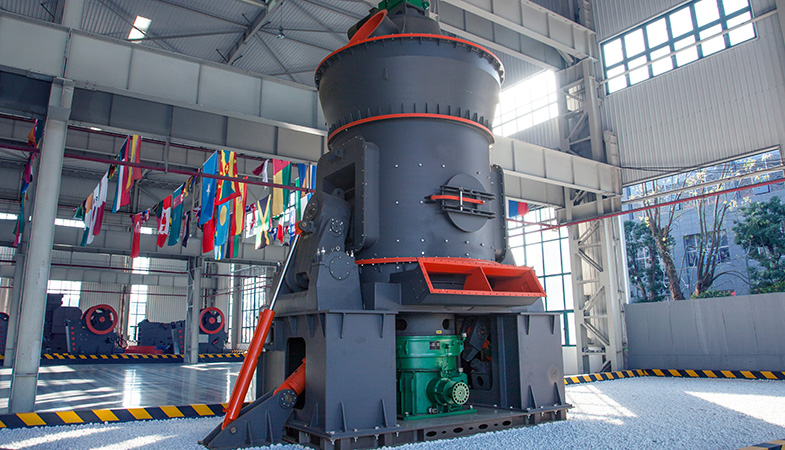
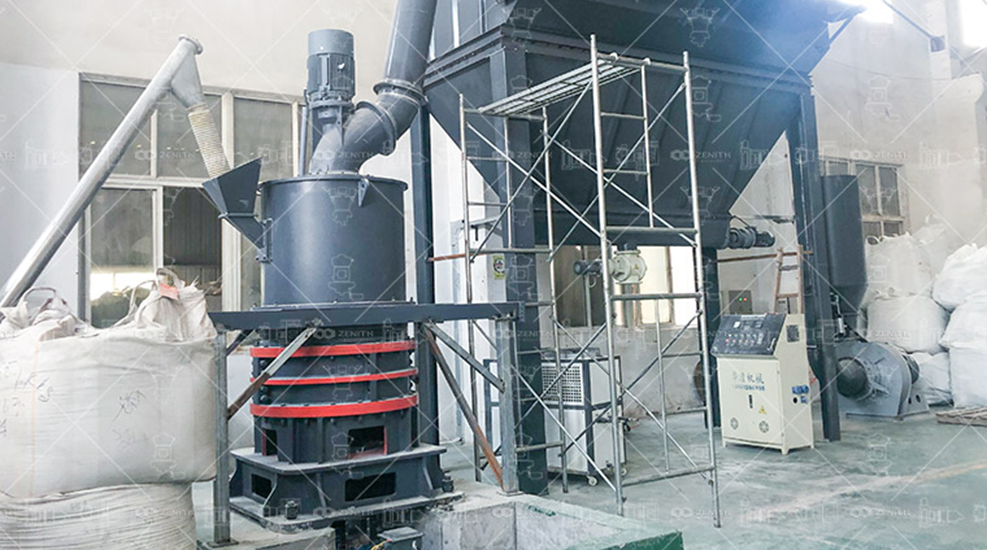
For bentonite processing targeting 325 mesh, the Zenith XZM Ultrafine Grinding Mill stands out as a highly suitable choice. This mill is specifically designed for producing superfine powders from soft to medium-hard materials with moisture content below 6%. Its innovative design features a high-efficiency classifier that ensures precise particle size cuts, directly addressing the need for a consistent 325-mesh product for tile bodies.
The XZM Mill’s advantages for a Laotian tile plant include:
Below are the technical parameters for the XZM series, with the XZM221 model being particularly well-suited for medium-scale tile production facilities in Laos:
| Model | Working Diameter (mm) | Max Feed Size (mm) | Final Size (Mesh) | Output (kg/h) | Main Motor Power (kW) |
|---|---|---|---|---|---|
| XZM221 | Φ800 | ≤20 | 325-2500 | 500-4500 | 75 |
| XZM268 | Φ1680 | ≤20 | 325-2500 | 5000-25000 | 315 |
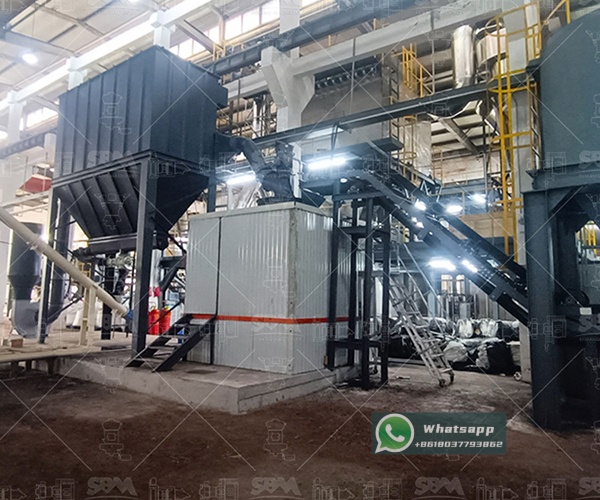
For operations where the primary target is a solid 325-mesh product with potential for slightly coarser applications, or where initial investment considerations are paramount, Zenith’s MTM Medium-Speed Grinding Mill serves as a robust and economical alternative. It is an upgraded version of the traditional Raymond mill, offering higher efficiency, a more durable structure, and reliable performance for grinding non-flammable and non-explosive materials like bentonite.
Key features of the MTM Mill include:
>
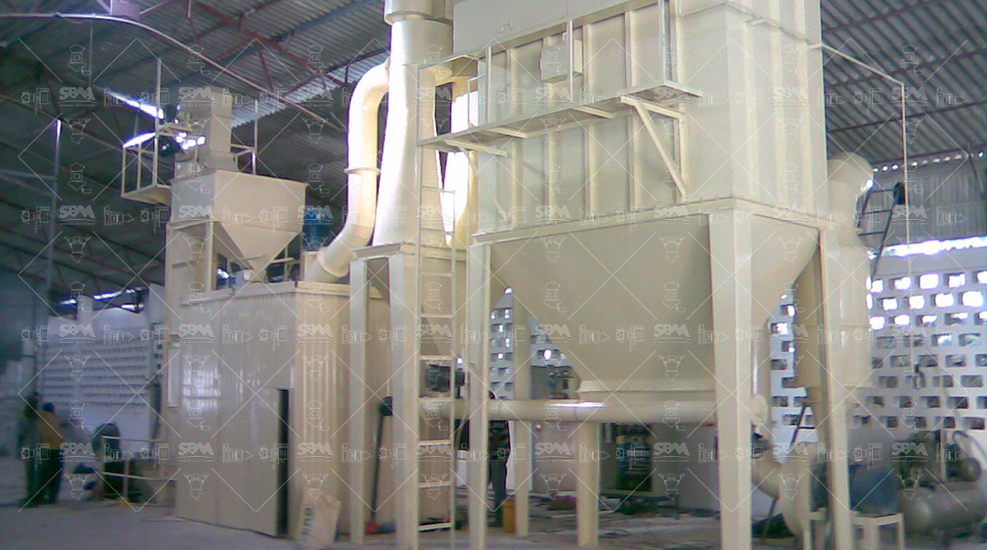
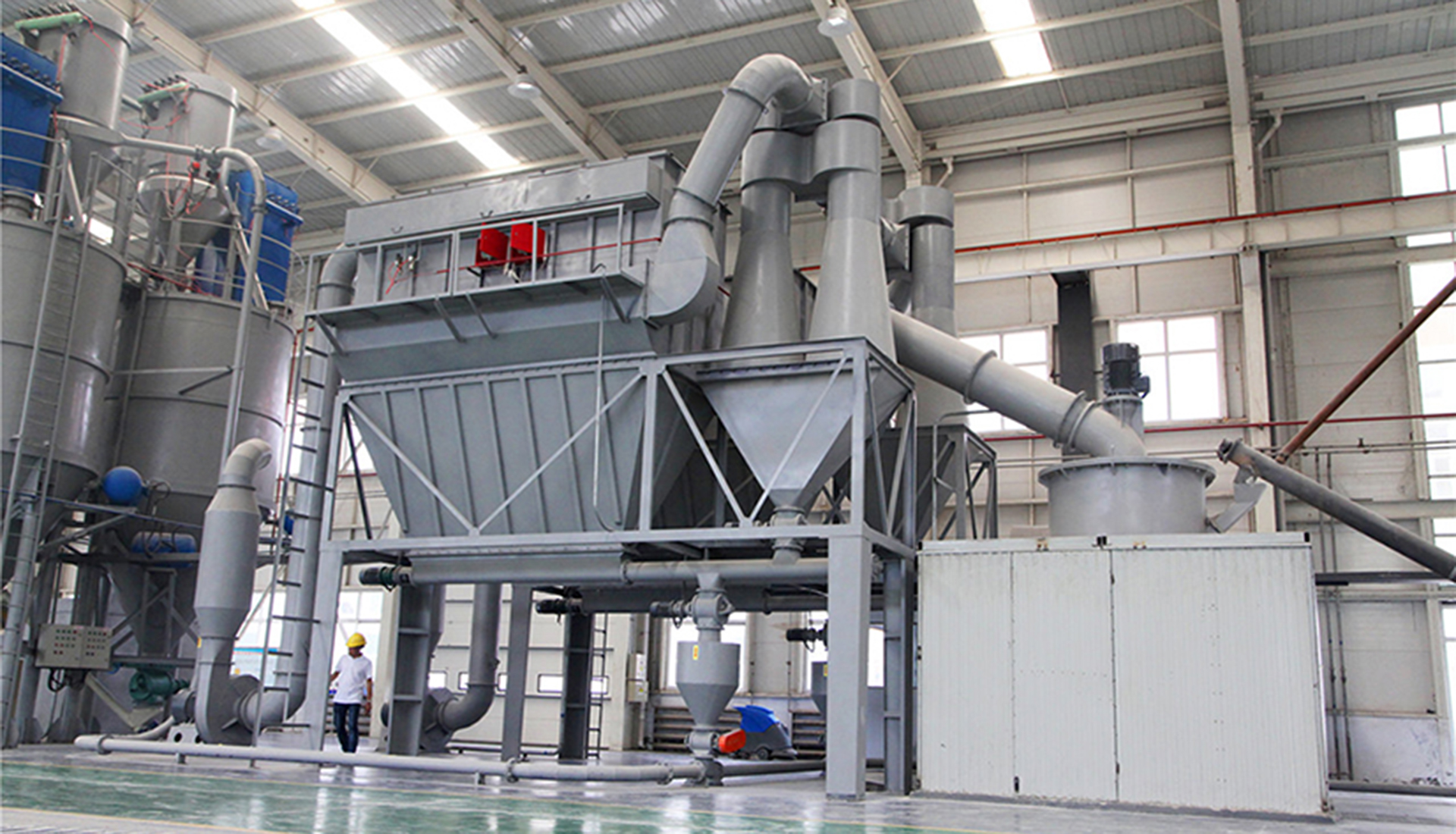
The integration of a Zenith grinding mill, such as the XZM221, into a tile production line is straightforward. The process typically involves: primary crushing of raw bentonite (if necessary), drying to control moisture, feeding into the XZM mill for fine grinding, collection of the 325-mesh powder via a cyclone and bag filter, and finally, storage and batching with other ceramic materials. Zenith mills are designed with integrated powder collection systems, promoting a clean working environment—a crucial aspect of modern manufacturing.
Partnering with a reputable supplier like Shanghai Zenith ensures not only high-quality equipment but also access to professional technical support, installation guidance, and after-sales service, which are invaluable for ensuring the long-term success of the grinding operation in Laos.
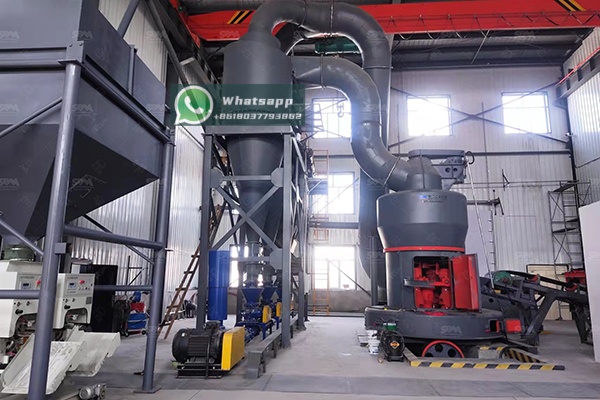
Producing high-quality tiles in Laos requires meticulous attention to raw material preparation. Grinding bentonite to a consistent 325-mesh fineness is a critical step that directly influences the plasticity, strength, and final quality of the tiles. Investing in advanced, purpose-built grinding technology is essential. Shanghai Zenith Machinery Co., Ltd., with its expertise in industrial powder processing, offers ideal solutions like the XZM Ultrafine Grinding Mill and the MTM Medium-Speed Grinding Mill. These mills provide the precision, efficiency, and reliability needed to process Laotian bentonite into a superior-grade powder, thereby empowering local tile manufacturers to enhance their product quality, reduce production costs, and strengthen their competitiveness in the ASEAN market and beyond.