Vietnam’s rapidly growing metallurgical industry, encompassing steel production and non-ferrous metal processing, relies heavily on high-quality fluxes to optimize operations. Calcium carbonate (CaCO3) is a fundamental fluxing agent used to remove impurities, control slag viscosity, and improve furnace efficiency. The performance of this flux is intrinsically linked to its particle size, uniformity, and purity, making the grinding process a pivotal stage in its preparation. For medium-scale operations requiring a throughput of 5 to 10 tons per hour (TPH), selecting the right grinding technology is paramount for achieving both economic and technical goals.
Grinding calcium carbonate for metallurgical flux differs from producing fillers for plastics or paints. The primary objective is not necessarily achieving ultra-fine particle sizes (e.g., below 10 microns), but rather producing a consistent, controlled granularity that promotes rapid reaction in high-temperature environments. Key requirements include:
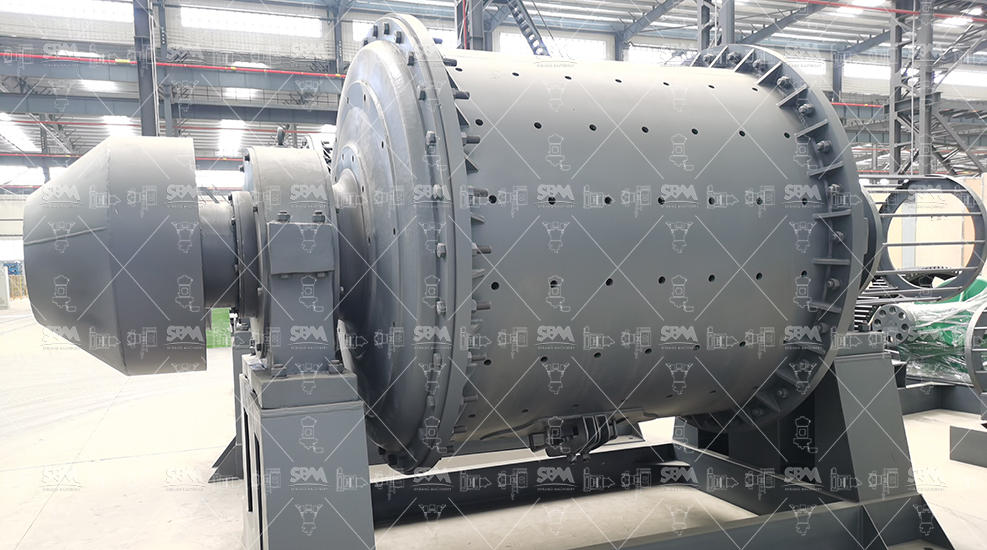
Several grinding mill types can be considered for this application. Traditional solutions like Raymond Mills are reliable but may lack the efficiency and fineness control for modern demands. Ball Mills, while robust, often have higher energy consumption and a larger footprint. For a 5-10 TPH capacity targeting metallurgical-grade powder, advanced vertical roller mills and European-style trapezium mills present the most compelling advantages.
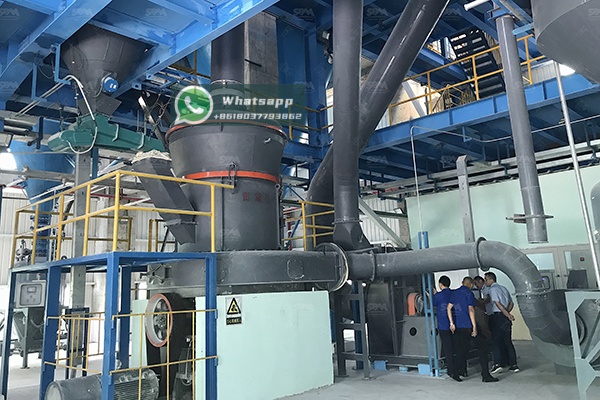
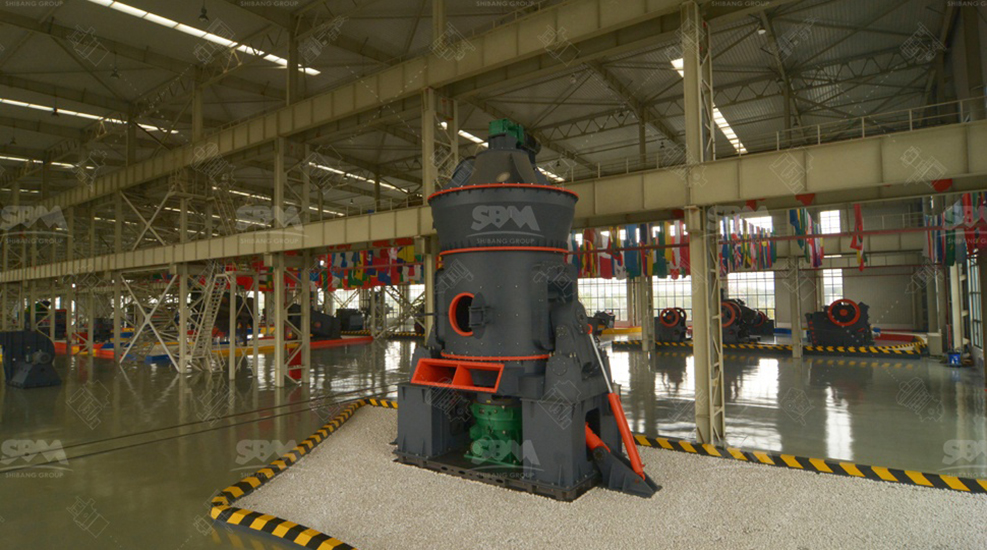
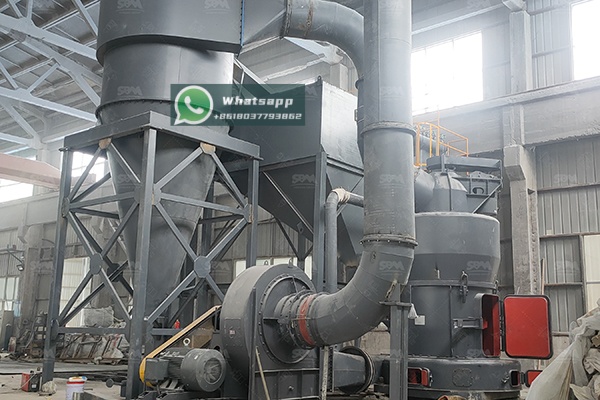
VRMs, such as the LM Vertical Grinding Mill series, are highly suited for this task. They integrate multiple processes—drying, grinding, classification, and conveying—into a single, compact unit. Their principle involves grinding material between a rotating table and rollers under hydraulic pressure. This design offers superior energy efficiency compared to ball mills, as it directly applies force to the material bed rather than relying on impact and attrition of countless balls.
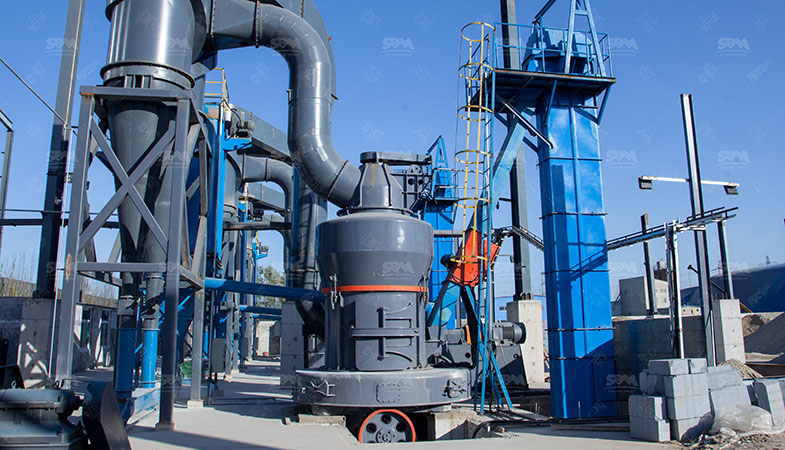
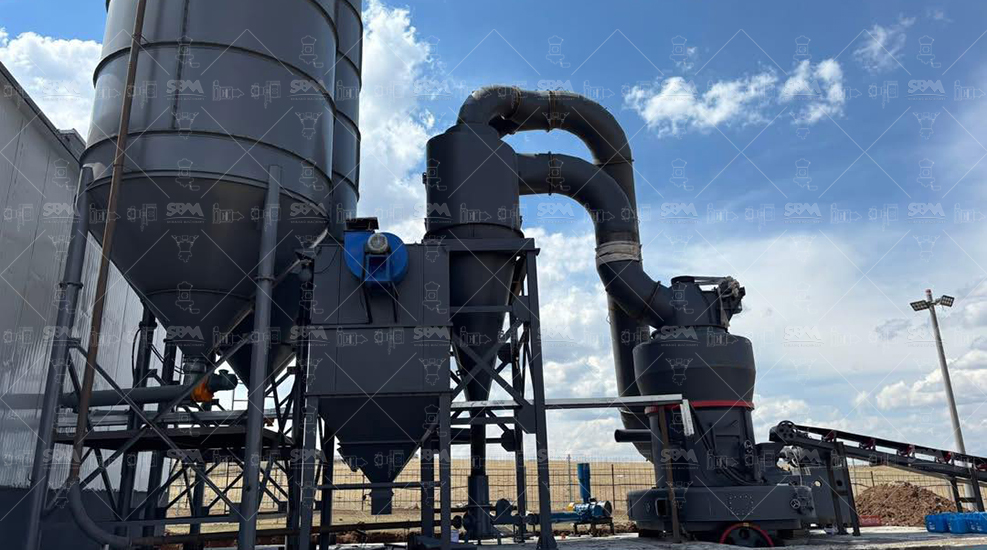
The MTW series Trapezium Grinding Mill represents an evolution of the Raymond mill. It features a curved shovel blade that increases feeding capacity and efficiency, an internal efficient powder classifier, and a streamlined air duct system. These improvements result in higher output, finer product, and lower energy consumption per ton, making it an excellent choice for consistent production of calcium carbonate flux.
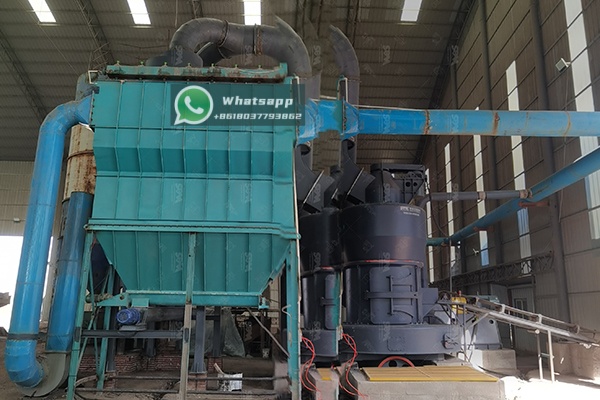
For a 5-10 TPH calcium carbonate flux grinding project in Vietnam, Shanghai Zenith Machinery Co., Ltd., an excellent manufacturer renowned for its achievements in industrial powder grinding equipment, offers an optimal solution. Based on the specific requirements of controlled granularity, system stability, and energy savings, we highly recommend our LM Vertical Grinding Mill, specifically the LM130K model.
The LM Vertical Grinding Mill is engineered to excel in mineral processing applications. Its centralized control system allows for easy adjustment of fineness and output, while its sealed grinding chamber and pulse dust collector ensure an environmentally friendly operation with minimal dust emission—a critical consideration for modern plants.
The technical parameters for the LM130K model are perfectly aligned with the project’s needs:
| Model | Plate Diameter (mm) | Capacity (t/h) | Output Fineness (μm) | Max Feed Size (mm) | Main Motor (kW) |
|---|---|---|---|---|---|
| LM130K | 1300 | 10-28 | 170-40 | <38 | 200 |
As shown in the table, the LM130K offers a capacity range that comfortably encompasses the 5-10 TPH target, with significant headroom for future expansion. Its ability to produce powder in the 170-40μm (approximately 80-325 mesh) range directly meets the fineness requirements for metallurgical flux. Furthermore, its integrated design reduces the plant’s footprint and simplifies the overall process flow.
For clients who prefer a more traditional yet highly advanced mill structure, Zenith’s MTW Trapezium Grinding Mill is another outstanding choice. The MTW138Z model is particularly suitable for this capacity range.
| Model | Max. Feed Size (mm) | Final Size (mm) | Capacity (t/h) | Main Motor (kW) |
|---|---|---|---|---|
| MTW138Z | <35 | 1.6-0.045 | 6-17 | 90 |
The MTW138Z mill features a bevel gear integral transmission system for smoother operation, an internal efficient turbine classifier, and an arc-shaped air duct that minimizes flow resistance. Its capacity of 6-17 TPH aligns perfectly with the project specification, and it is renowned for its reliability and lower maintenance costs.
The selection of a calcium carbonate grinding mill is a strategic decision that impacts product quality, production cost, and operational reliability. For Vietnamese enterprises targeting a 5-10 TPH flux production line, investing in modern, efficient technology from a proven supplier is key. Shanghai Zenith’s LM Vertical Grinding Mill (LM130K) and MTW Trapezium Grinding Mill (MTW138Z) both provide robust, efficient, and tailored solutions. With decades of specialization in research, development, and production of industrial grinding equipment, Zenith can provide not only the machine but also comprehensive support including process design, installation guidance, and after-sales service, ensuring the long-term success of your metallurgical flux production venture.