Shanghai Zenith Machinery Co., Ltd. is a leading manufacturer in China specializing in industrial grinding mills, with decades of experience in the design and manufacturing of mining and powder processing equipment. In Zambia, the demand for high-quality calcium carbonate as a rubber filler has been rapidly increasing due to the country’s growing manufacturing and construction sectors. This article discusses the use of a calcium carbonate grinding mill for producing rubber filler at a capacity of 1–3 tons per hour (TPH), and introduces Zenith’s suitable equipment solutions for this application.
Zambia, a key player in Southern Africa’s mining and industrial economy, has seen steady growth in its rubber and plastics industries. Calcium carbonate (CaCO₃) is one of the most important additives in rubber production, providing improved mechanical strength, reduced production costs, and enhanced processability. With industrial activities expanding, local production of calcium carbonate powder has become increasingly important for import substitution and cost optimization.
The calcium carbonate used for rubber fillers should have high purity, fine particle size, and uniform distribution. Typically, the required particle fineness ranges from 325 mesh (45 µm) to 2500 mesh (5 µm), depending on the application and processing technology. Producing such fine powders efficiently requires advanced grinding technology that ensures consistent quality, low energy consumption, and minimal environmental impact.
For rubber filler production at a small-scale capacity of 1–3 TPH, the plant setup should meet the following key requirements:
Based on our experience in ultra-fine grinding technology and successful project cases across Africa, two efficient grinding systems are recommended for calcium carbonate processing in Zambia at a capacity of 1–3 TPH: the XZM Ultrafine Grinding Mill and the LUM Ultrafine Vertical Mill.
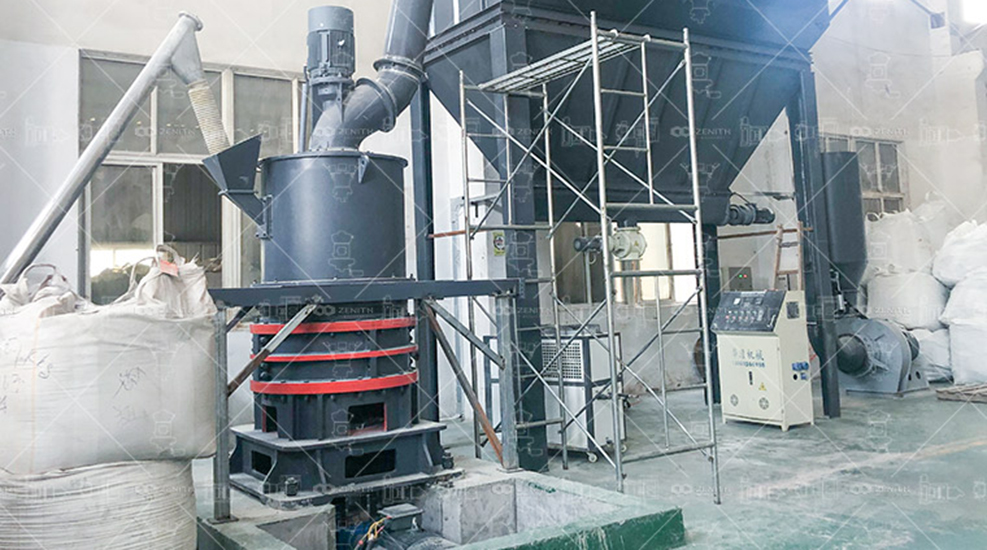
The XZM Ultrafine Grinding Mill is a proven choice for producing fine and ultra-fine calcium carbonate powder. It utilizes a combination of rolling, grinding, and impact mechanisms to achieve particle fineness from 325 mesh to 2500 mesh. This makes it suitable for rubber filler production, where fine and consistent powder characteristics are critical.
It operates efficiently with low noise, reduced energy consumption, and high reliability. The mill’s unique design ensures minimal dust emissions and easy maintenance. For Zambian producers, the XZM mill can conveniently achieve a targeted output of 1–3 TPH while maintaining excellent powder quality.
| Model | Working Diameter (mm) | Max Feed Size (mm) | Final Size (mesh) | Output (kg/h) | Main Motor Power (kW) |
|---|---|---|---|---|---|
| XZM221 | Φ800 | ≤20 | 325–2500 | 500–4500 | 75 |
| XZM268 | Φ1680 | ≤20 | 325–2500 | 5000–25000 | 315 |
The XZM221 model is particularly suitable for smaller production capacities, such as 1–3 TPH, due to its energy-efficient motor, compact design, and fine control over product quality. The flexibility to produce different fineness grades allows the plant to serve various rubber manufacturers with varying technical requirements.
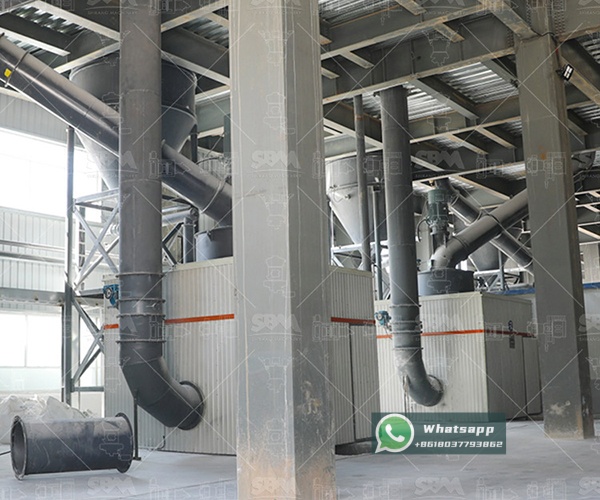
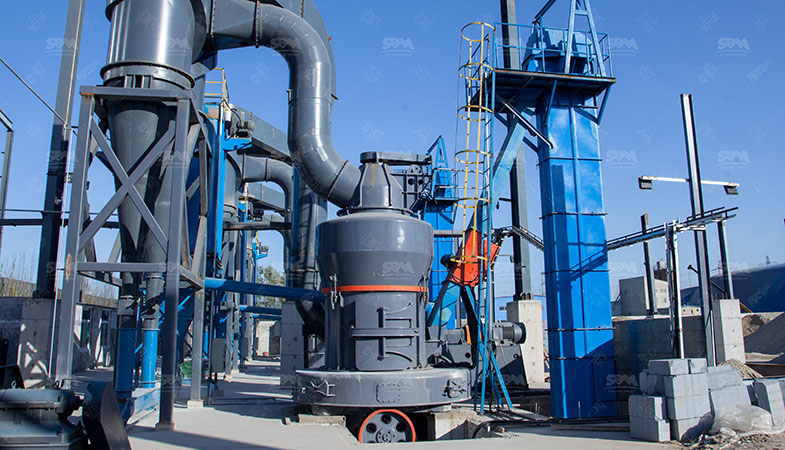
For customers who prioritize integrated systems with advanced automation, the LUM Ultrafine Vertical Mill offers a state-of-the-art solution. This equipment combines grinding, drying, classifying, and conveying in one unit, significantly reducing the footprint and system complexity.
Its vertical design ensures uniform particle distribution and excellent control over product fineness. The LUM mill adopts a high-efficiency powder separator and PLC control system, which helps achieve stable quality and minimize operator intervention. This makes it ideal for enterprises in Zambia planning long-term, sustainable production with consistent output of ultra-fine calcium carbonate powder.
| Model | Main Machine Power (kW) | Capacity (t/h) | Size Distribution D97 (µm) |
|---|---|---|---|
| LUM1525 | 220–250 | 1.6–11.5 | 5–30 |
| LUM1632 | 280–315 | 2.0–13.5 | 5–30 |
| LUM1836 | 355–400 | 2.3–15 | 5–30 |
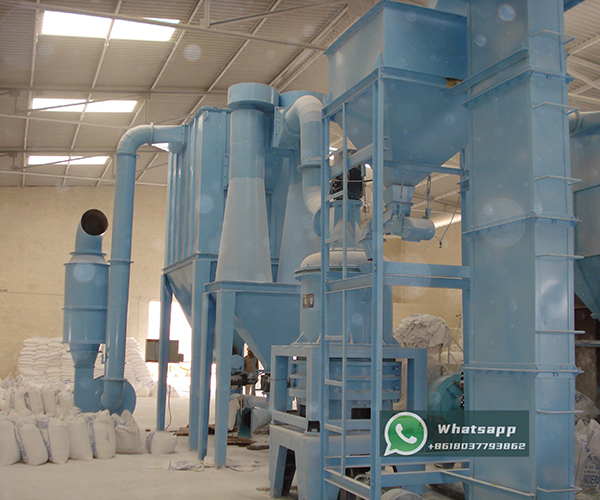
For small- to mid-scale calcium carbonate production of 1–3 TPH, the LUM1525 model is ideal. It offers stable operation, consistent particle size output (down to D97=5 µm), and easy integration with existing dust collection systems. The vertical configuration also means lower energy usage, reduced system vibration, and quieter operation — important factors in meeting Zambia’s environmental standards.
The general process for calcium carbonate grinding includes the following stages:
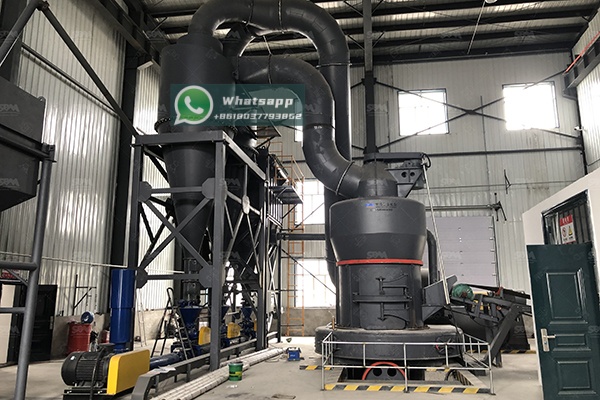
When selecting grinding equipment for calcium carbonate production, performance, energy efficiency, and product consistency are critical. Shanghai Zenith Machinery Co., Ltd.’s XZM and LUM series mills are optimized for such applications, delivering several key advantages:
The demand for high-quality calcium carbonate for rubber applications in Zambia presents a significant growth opportunity. With the right technology, manufacturers can achieve consistent, high-purity production at economical operating costs. Zenith’s XZM Ultrafine Grinding Mill and LUM Ultrafine Vertical Mill provide efficient, reliable, and eco-friendly solutions ideally suited for 1–3 TPH calcium carbonate production lines.
By leveraging Zenith’s global experience and local support, Zambian companies can establish advanced calcium carbonate processing plants to meet the expanding needs of the rubber industry while ensuring sustainable and profitable operations.
For more information or detailed project consultation, please contact Shanghai Zenith Machinery Co., Ltd.—Your trusted partner in powder grinding technology.