The tile manufacturing industry in Zambia has seen rapid development in recent years, driven by infrastructure expansion, population growth, and rising demand for high-quality building materials. One of the essential raw materials for producing ceramic and porcelain tiles is calcium carbonate (CaCO₃), a mineral critical in improving tile strength, surface smoothness, and color consistency. To achieve the desired particle size and fineness, calcium carbonate must undergo a precise and efficient grinding process. This is where advanced industrial grinding technology comes into play.
Shanghai Zenith Machinery Co., Ltd. has established itself as a global leader in industrial grinding equipment, providing efficient and reliable solutions for various materials processing needs. As an outstanding Chinese manufacturer specializing in ultra-fine powder grinding technology, Zenith offers a full range of mills suitable for calcium carbonate processing plants, particularly for small- to medium-capacity setups, such as 1–3 tons per hour (TPH), which perfectly match Zambia’s industrial requirements.
Zambia’s tile manufacturing sector has grown considerably due to increased construction in both commercial and residential areas. However, the raw material supply chain remains a challenge, especially in processing high-quality calcium carbonate. Most available limestone requires refining and grinding before use in production lines. Investing in a reliable grinding mill not only ensures stable raw material supply but also reduces dependence on imports, leading to lower production costs and improved product consistency.
Local manufacturers are seeking efficient industrial milling systems capable of producing fine calcium carbonate powder in a controlled manner. This makes selecting the right grinding equipment crucial for tile producers targeting productivity between 1 and 3 TPH.
Processing calcium carbonate for ceramics and tiles requires a powder fineness generally ranging from 325 mesh (about 45 µm) to 1250 mesh (around 10 µm), depending on the tile’s quality and finish. The grinding process must ensure uniform particle distribution, minimal contamination, low energy consumption, and stable operation over extended periods.
Key performance aspects include:
For calcium carbonate grinding at 1–3 TPH capacity in Zambia, Shanghai Zenith Machinery Co., Ltd. offers a comprehensive solution line. Two products from the Zenith portfolio are particularly suitable: the MTW Trapezium Grinding Mill and the XZM Ultrafine Grinding Mill. These mills meet the demand for fine and ultrafine calcium carbonate powders while assuring excellent performance, durability, and energy savings.
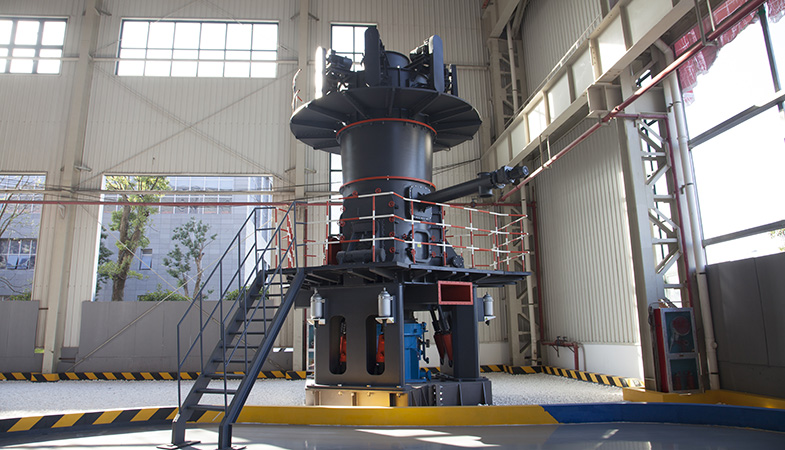
The MTW series is a highly efficient, environmentally friendly grinding solution. It is especially suitable for medium-hard materials such as limestone, dolomite, and calcium carbonate. Equipped with European technology, the MTW Trapezium Mill features reduced energy consumption and longer wearing parts life. For a plant capacity of 1–3 TPH, the MTW110 or MTW110Z models are ideal choices.
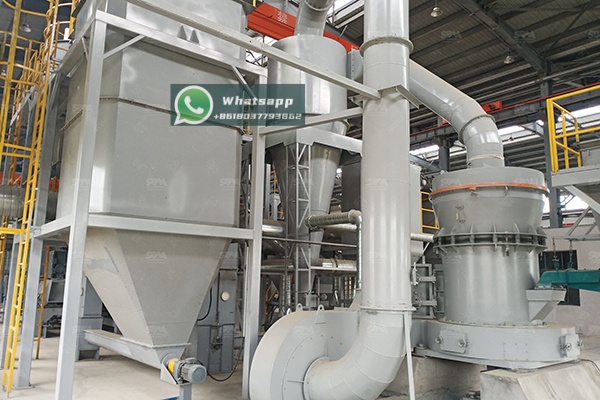
| Model | Max. Feed Size (mm) | Final Size (mm) | Capacity (t/h) | Main Motor (kW) | Fan Motor (kW) |
|---|---|---|---|---|---|
| MTW110 | <30 | 1.6–0.045 | 3–9 | 55 | 55 |
| MTW110Z | <30 | 1.6–0.045 | 3–10 | 55 | 55 |
These models are efficient for stable grinding performance and flexible production control. Their advanced technology ensures uniform powder size distribution, which improves the appearance and performance of finished tiles. Moreover, the MTW Mill’s air classifier allows real-time fineness adjustment—important in different tile glaze formulations.
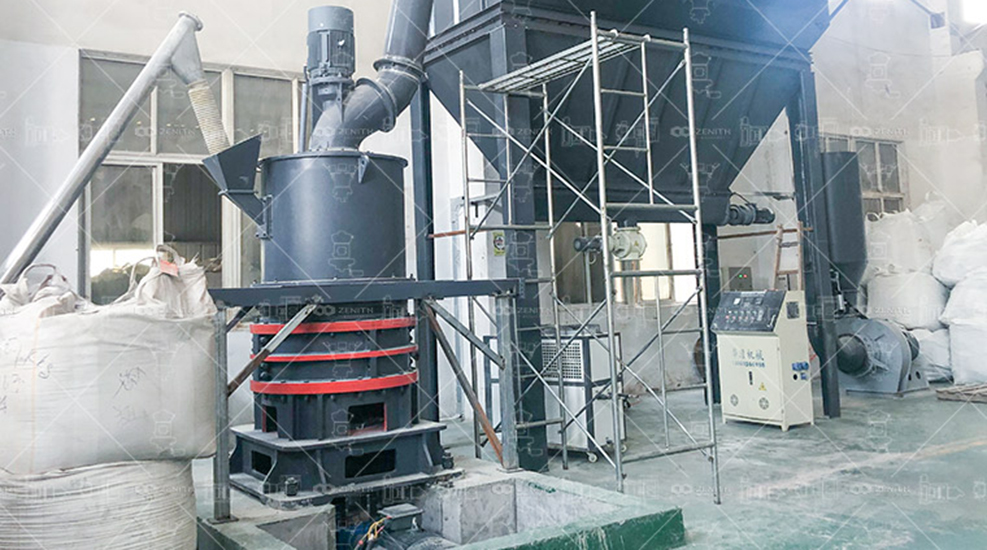
For finer applications requiring ultrafine calcium carbonate (up to 2500 mesh), the XZM Ultrafine Grinding Mill is recommended. It is a highly efficient machine that delivers consistent ultra-fine powder, optimized for ceramic and glazing formulations. Its compact design and easy operation make it an outstanding choice for medium-sized tile factories in Zambia aiming at premium product lines.
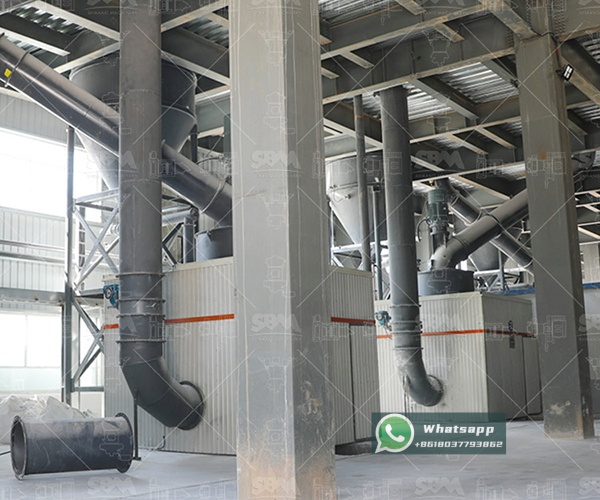
| Model | Working Diameter (mm) | Max Feed Size (mm) | Final Size (mesh) | Output (kg/h) | Main Motor (kW) |
|---|---|---|---|---|---|
| XZM221 | Φ800 | ≤20 | 325–2500 | 500–4500 | 75 |
| XZM268 | Φ1680 | ≤20 | 325–2500 | 5000–25000 | 315 |
The XZM series mill is an ideal fit for achieving ultra-fine grades of calcium carbonate. Its high-efficiency turbine classifier prevents oversized particles from passing, ensuring a particle size distribution suitable for high-gloss and premium ceramic tiles. Moreover, the mill’s energy-efficient design helps reduce operational costs, which is crucial for competitiveness in developing markets such as Zambia.
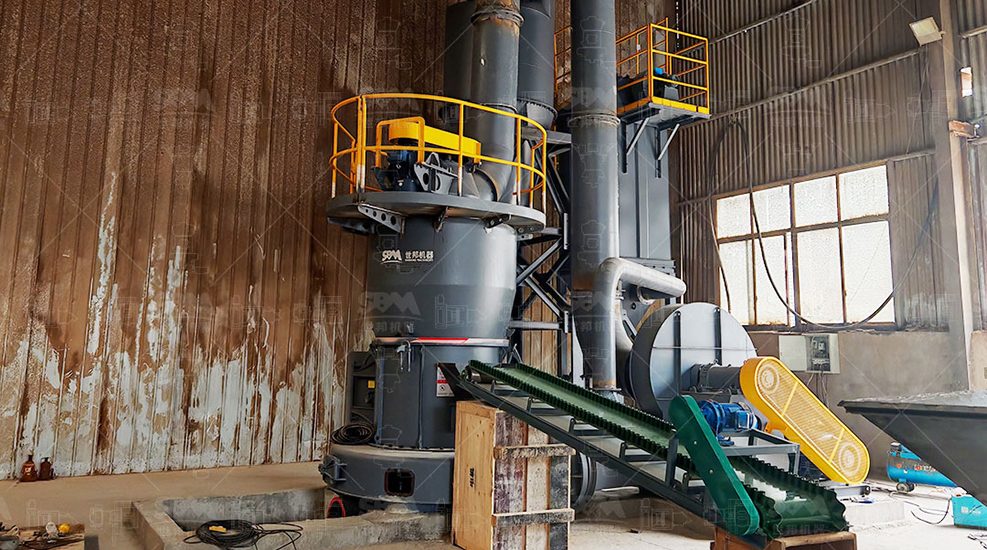
When designing a calcium carbonate grinding plant with 1–3 TPH capacity, the production line typically includes a raw material hopper, elevator or conveyor, main grinding unit, finished product collector, and a dust control system. The layout ensures an integrated and continuous operation process.
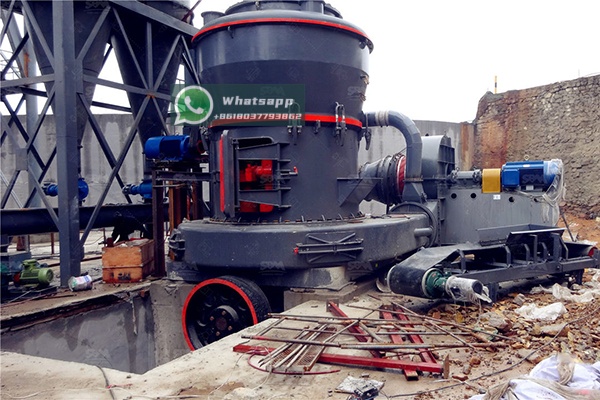
A schematic process may include:
Using equipment from Shanghai Zenith Machinery Co., Ltd. brings numerous benefits to Zambian tile manufacturers, including:
As Zambia continues to build modern infrastructure and expand its tile manufacturing sector, efficient and reliable calcium carbonate grinding solutions become key to maintaining quality and cost advantages. The combination of Zenith’s MTW Trapezium Grinding Mill and XZM Ultrafine Grinding Mill provides an optimal balance between production efficiency, product quality, and economic benefits. Their suitability for small- to medium-scale operations enables Zambian manufacturers to modernize while achieving global standards in ceramic tile production.
Shanghai Zenith Machinery Co., Ltd. stands ready to support the Zambian market with complete technical consultation, customized design, and after-sales service—ensuring each calcium carbonate grinding plant maximizes productivity and sustainability.
For inquiries, please contact our professional technical team to learn more about tailored solutions for calcium carbonate grinding in tile production.