Carbon black plays a central role in the modern rubber industry. It is the most widely used reinforcing filler for tyre treads, industrial rubber hoses, conveyor belts, gaskets, seals, and many moulded rubber components. In Qatar, the ongoing development of oil and gas infrastructure, logistics, and manufacturing has raised demand for durable rubber products that can perform consistently under extreme heat and heavy mechanical loads. To achieve these performance requirements, rubber compounders must first prepare carbon black of the correct particle size. A carbon black grinding mill for rubber filler in Qatar at 150 mesh is therefore an essential production asset, because it transforms compacted or agglomerated carbon black into a uniform powder that can be blended accurately with rubber polymers and additives.
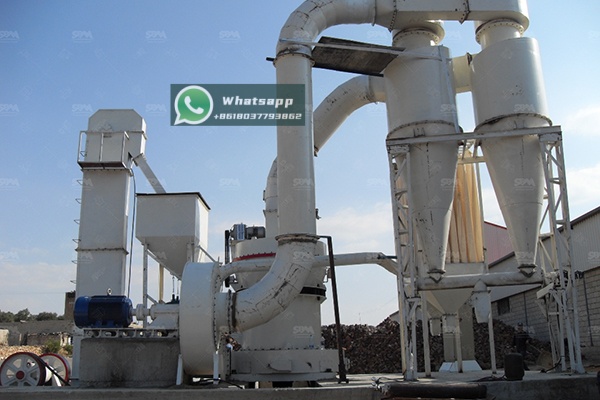
In the industrial world, mesh number describes how many openings are present in a sieve over a length of one inch. A 150 mesh screen has 150 openings per linear inch, which corresponds to a particle size of approximately 104 microns. For carbon black used as a rubber filler, grinding to 150 mesh creates an optimum balance between dispersion quality and processing economy. Powder finer than 150 mesh may improve dispersion but can also increase dusting, energy consumption, and oil absorption demand. Powder coarser than 150 mesh may produce visible defects, weak spots, or uneven physical properties in the finished rubber article. Thus, for many rubber filler applications in Qatar, 150 mesh is the specified target. A grinding mill that can hold this specification reliably while maintaining good throughput becomes a critical link in the production chain.
Carbon black is not a hard mineral like quartz, but it presents several challenges to grinding equipment. Because of its very small primary particle size and high surface area, carbon black tends to form soft agglomerates. These agglomerates can block feeders, stick to the classifier wheel, and create an unstable grinding bed. Also, carbon black has low bulk density, which makes pneumatic conveying and dust collection more difficult. In addition, excessive heat inside the grinding chamber can change the surface chemistry of carbon black and negatively influence its reinforcement properties in rubber. Therefore, the preferred carbon black grinding mill must have a robust feed system, efficient air classification, good sealing, and stable temperature and pressure control. It must also be easy to clean when the product grade is changed.
When choosing a carbon black grinding mill for rubber filler in Qatar, project owners should evaluate several factors. First, the required fineness: 150 mesh means the mill should produce a final product in the range of about 0.1 millimetres, not necessarily hundreds of microns finer. A medium-fine mill is therefore often more economical than an ultrafine mill. Second, capacity: Qatar rubber plants range from small mixing units to large integrated manufacturing lines, so the mill must match the downstream mixer’s demand. Third, energy consumption and operating cost: carbon black grinding consumes electricity in the main mill, classifier, and fan, so high-efficiency designs reduce the cost per tonne. Fourth, reliability and service life: because carbon black is only mildly abrasive but sticky, wear-resistant materials and easy access for maintenance matter greatly. Finally, environmental controls: dust-tight operation and bag filters protect operators and comply with environmental regulations.
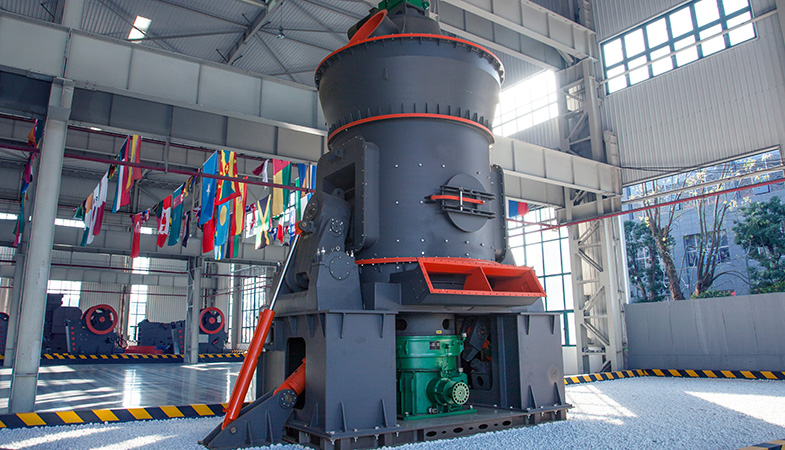
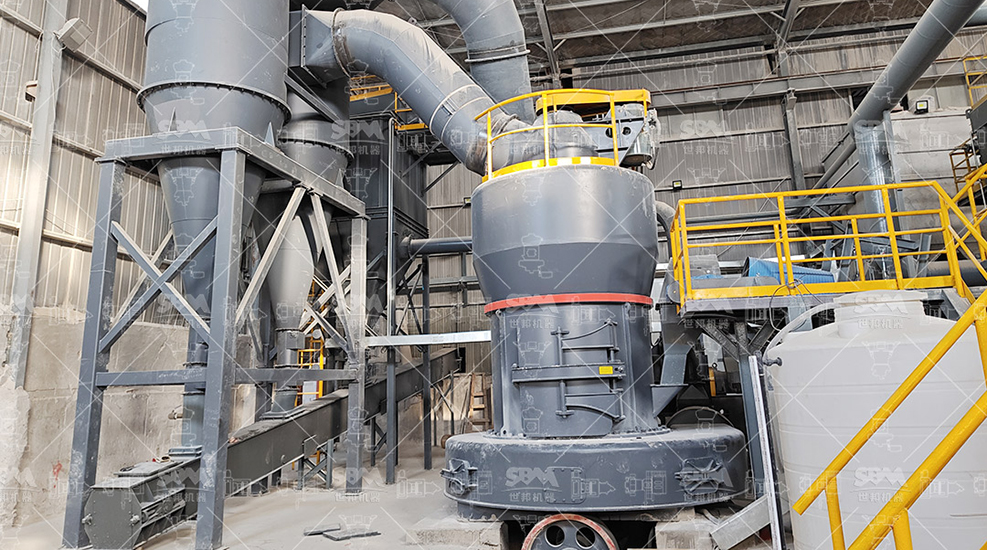
Shanghai Zenith Machinery Co., Ltd. is a leading Chinese manufacturer of ore grinding equipment. In the field of industrial powder grinding, Zenith has accumulated extensive experience and has designed several mill series for minerals, chemicals, and carbon-based materials. For projects where high capacity, advanced technology, and stable product quality are required, the MTW Trapezium Grinding Mill is an excellent choice. The MTW mill uses trapezium-shaped rollers and a curved grinding ring to create an ideal grinding zone. Material is crushed, ground, and then carried by an air flow to a high-efficiency dynamic classifier. Coarse particles are returned to the grinding table, while fine powder enters the cyclone collectors. This closed system minimizes dust leakage and provides precise control of final fineness.
The MTW series can accept feed sizes up to 30-50 mm and produce final fineness from 1.6 mm down to 0.045 mm. Since 150 mesh is approximately 0.104 mm, all MTW models can be easily adjusted to meet this target. In addition to carbon black, the MTW mill can grind barite, limestone, coal, gypsum, and many other non-metallic minerals, which is a valuable advantage for multipurpose plants in Qatar.
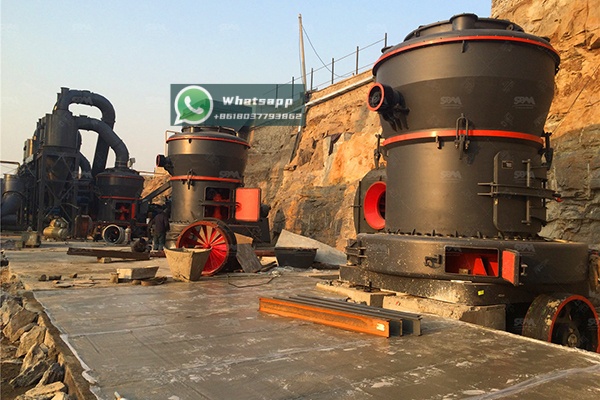
Table 1 below lists the main technical parameters of representative MTW models. The selected model depends primarily on required throughput and available motor power.
| Model | Max. Feed Size (mm) | Final Size (mm) | Capacity (t/h) | Main Motor (kW) | Fan Motor (kW) |
|---|---|---|---|---|---|
| MTW110 | <30 | 1.6-0.045 | 3-9 | 55 | 55 |
| MTW110Z | <30 | 1.6-0.045 | 3-10 | 55 | 55 |
| MTW138Z | <35 | 1.6-0.045 | 6-17 | 90 | 110 |
| MTW175G | <40 | 1.6-0.045 | 9.5-25 | 160 | 200 |
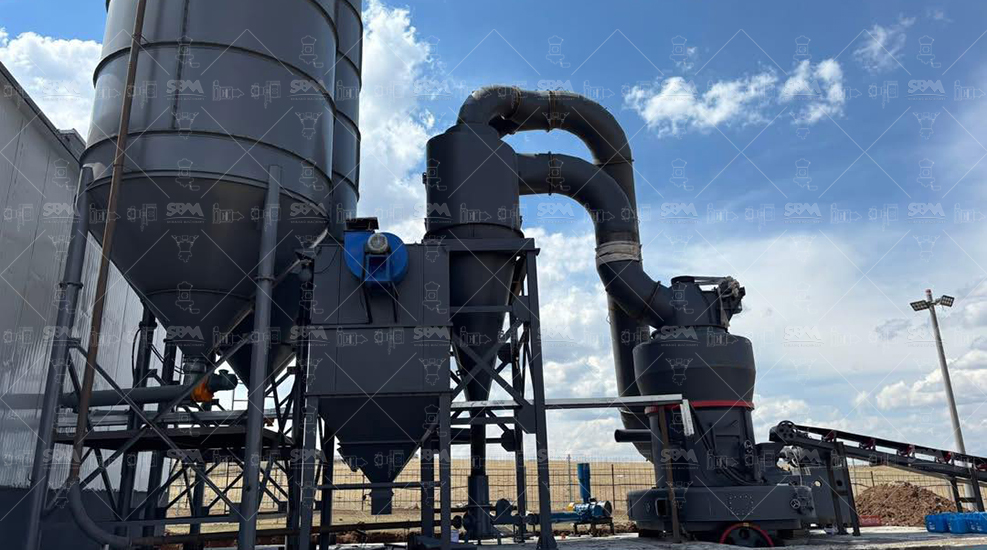
For rubber compounders with smaller production capacities or a tighter budget, Zenith’s Raymond Mill remains a proven and highly cost-effective option. The YGM series Raymond Mill has served the mineral powder industry for decades. It is based on a centrifugal grinding principle: rollers swing outward under centrifugal force and press against a stationary grinding ring. Carbon black entering the grinding zone is repeatedly crushed and rubbed until it is fine enough to be carried out by the air classifier. The YGM series can produce fineness from 1.6 mm down to 0.045 mm, so a 150 mesh carbon black product is well within its normal working range. Because no ultra-fine grinding is required at this specification, the Raymond Mill consumes less energy and requires less maintenance than more complex pulverizers.
Qatar’s manufacturers, especially those producing rubber moulded parts or offering toll grinding services, can benefit from the simple structure and easy operation of the YGM Raymond Mill. It occupies a relatively small footprint and can be installed quickly. With proper selection of the rotary feeder and bag filter, the whole system operates under negative pressure, making it safe for handling fine carbon black powder.
Table 2 provides the technical parameters of the main YGM Raymond Mill models.
| Model | Roller Quantity (pcs) | Max Feed Size (mm) | Discharging Size (mm) | Capacity (t/h) |
|---|---|---|---|---|
| YGM8314 | 3 | 20 | 1.6-0.045 | 1.2-4.6 |
| YGM9517 | 4 | 25 | 1.6-0.045 | 2.1-8 |
| YGM4121 | 5 | 30 | 1.6-0.045 | 5-11 |
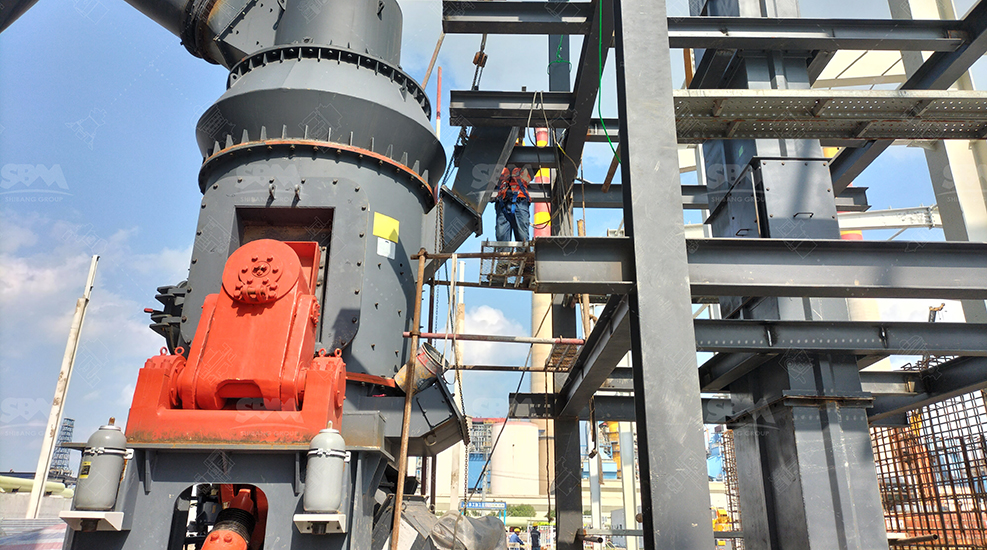
Shanghai Zenith Machinery Co., Ltd. has developed a comprehensive product portfolio that includes the MTW Trapezium Grinding Mill, MTM Medium-Speed Grinding Mill, LM Vertical Grinding Mill, LUM Ultrafine Vertical Mill, XZM Ultrafine Grinding Mill, Raymond Mill, Ball Mill, and Hammer Mill. This wide range allows our engineers to provide not just a single machine but a complete, tailor-made system with feeders, conveying equipment, classifiers, dust collectors, and electrical controls. For carbon black rubber filler production in Qatar, we can supply the mill, recommend the optimal airflow speed and classifier speed, and support the installation and commissioning. Our machines have been exported to many countries with harsh operating environments, and our after-sales network ensures spare parts and technical support are available when needed.
Choosing the right carbon black grinding mill for rubber filler in Qatar at 150 mesh is a long-term investment. A correctly designed mill raises productivity, improves product consistency, lowers energy costs, and reduces downtime. Zenith’s MTW Trapezium Grinding Mill and YGM Raymond Mill are both excellent solutions; the optimum selection depends on desired capacity, available space, budget, and downstream process requirements. With years of experience in ultra-fine and fine powder grinding, Zenith can help you define the most efficient process flow and select the most economical equipment. We also support customisation of the grinding roller and ring materials, so they can withstand the mild abrasion and sticky nature of carbon black.
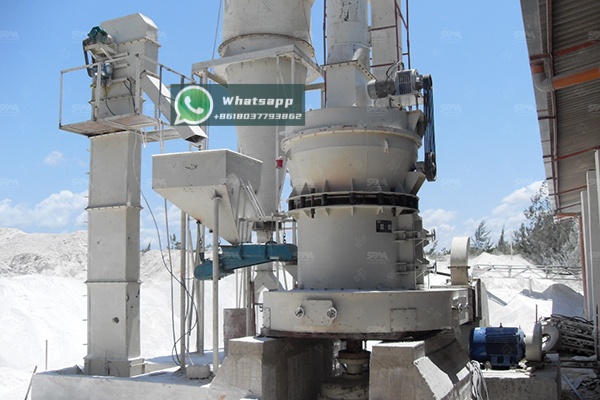
As Qatar continues to develop its non-energy industrial base, the demand for high-quality rubber products will keep increasing. To compete in this growing market, local producers need reliable raw material preparation equipment. Carbon black grinding to 150 mesh is a critical step that directly affects the dispersion, strength, and appearance of rubber compounds. Both the MTW Trapezium Grinding Mill and the YGM Raymond Mill from Shanghai Zenith Machinery provide practical and efficient answers to this requirement. They combine mature technology, adjustable fineness, robust construction, and ease of maintenance. If you are planning a carbon black grinding project in Qatar, contact Zenith to receive a feasibility analysis, process recommendation, and equipment quotation. Our team is ready to help you turn raw carbon black into a high-value rubber filler powder with consistent quality and low operating cost.