The growing demand for high-quality animal feed additives in Southeast Asia has encouraged many manufacturers to explore new materials and processing technologies. One of the most promising materials used as a feed additive is diatomite. Known for its natural porosity, high adsorption capacity, and trace mineral content, diatomite has proven beneficial in improving animal nutrition and digestive efficiency. In Laos, where agriculture and livestock play an essential role in the economy, an efficient diatomite grinding solution with a capacity of 3–5 tons per hour (TPH) can greatly enhance local production efficiency and product quality.
Shanghai Zenith Machinery Co., Ltd. is a trusted name in industrial grinding solutions. As one of China’s leading manufacturers of powder grinding equipment, Zenith has accumulated extensive experience in the design, production, and commissioning of grinding systems for minerals and agricultural applications. This article discusses the application of Zenith’s grinding technology for diatomite processing in Laos and recommends suitable milling equipment to achieve a 3–5 TPH production target.
Diatomite, also known as diatomaceous earth, is primarily composed of silica. It is formed from fossilized remains of diatoms, microscopic aquatic organisms with intricate silica shells. Because of its fine structure and high surface area, diatomite is used in diverse industries, ranging from filtration and insulation to fertilizers and feed additives. In animal feed production, finely ground diatomite serves several key purposes:
The production of diatomite powder for feed additives requires precise particle size control, stability of fineness, and low contamination. A grinding system capable of producing powder in the range of 45–325 mesh is typically suitable for this purpose.
The planned production capacity for diatomite grinding in Laos is around 3–5 tons per hour, and the desired fineness is approximately 45–325 mesh, depending on the specific requirements of animal feed manufacturers. To achieve consistent quality and energy efficiency in this capacity range, the grinding system should feature:
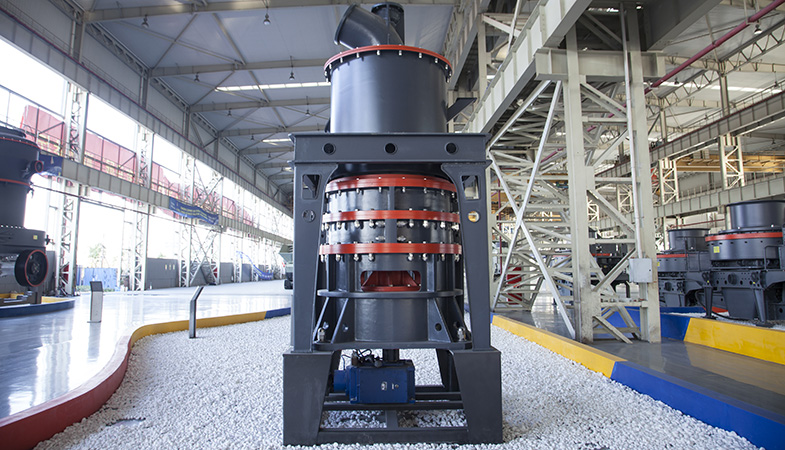
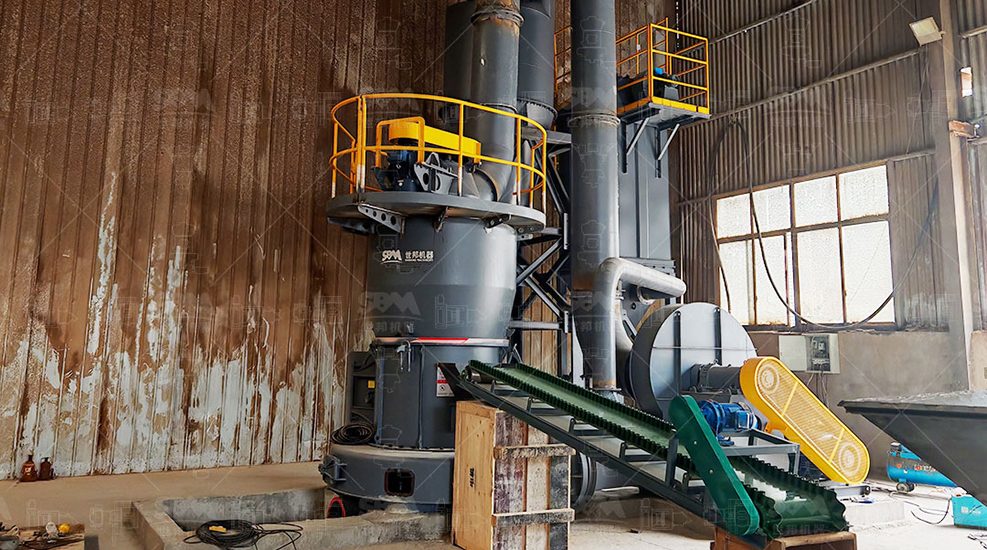
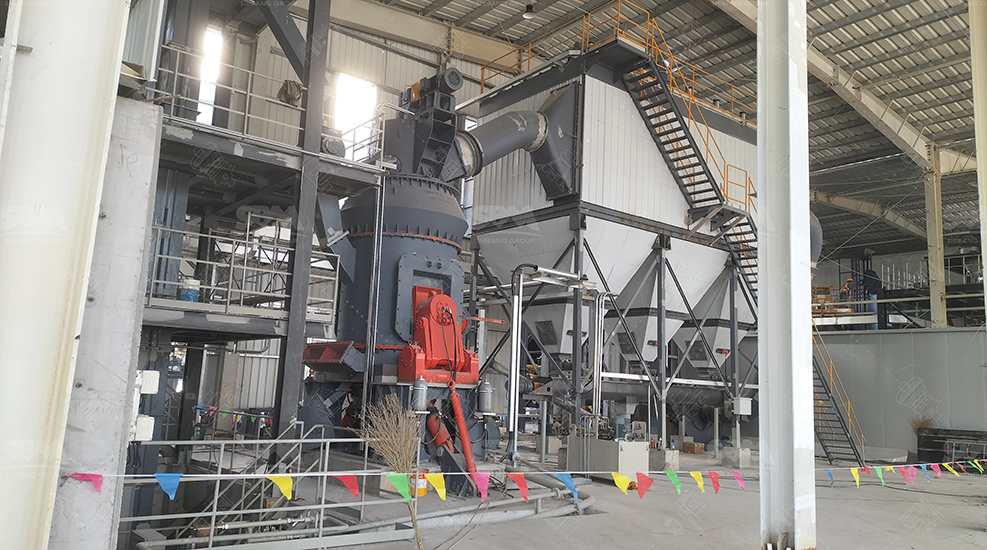
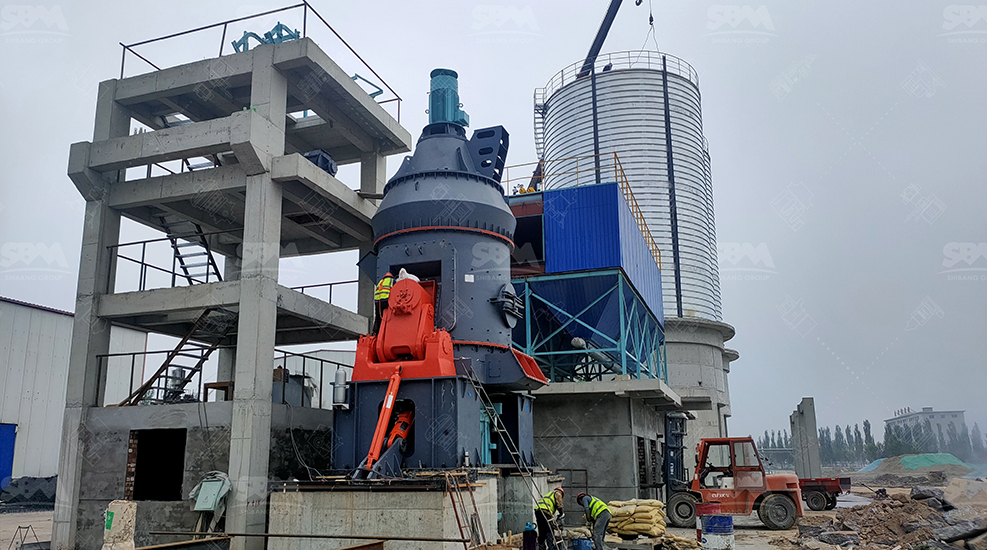
Considering these operational criteria, Zenith’s MTW Trapezium Grinding Mill and MTM Medium-Speed Grinding Mill are excellent solutions for diatomite processing in this capacity range.
The MTW series developed by Shanghai Zenith Machinery Co., Ltd. is one of the most popular grinding mills for producing medium-fine powders from minerals such as limestone, calcite, dolomite, and diatomite. It adopts advanced European technology with a unique bevel gear drive and volute airflow structure. This design ensures a smooth operation, lower noise, and longer service life of wearing parts.
For a production capacity between 3 and 5 TPH, models like the MTW110 and MTW110Z are particularly suitable for diatomite processing in Laos. These models feature advanced analytical systems for accurate fineness control, and their environmentally friendly design minimizes dust emissions.
| Model | Max. Feed Size (mm) | Final size (mm) | Capacity (t/h) | Main motor (kW) | Fan motor (kW) |
|---|---|---|---|---|---|
| MTW110 | <30 | 1.6–0.045 | 3–9 | 55 | 55 |
| MTW110Z | <30 | 1.6–0.045 | 3–10 | 55 | 55 |
The MTW Trapezium Mill’s adjustable pressure system ensures optimal grinding performance across varied feed hardness levels. With a clean operation and optimized airflow system, this equipment ensures uniform powder collection and minimal product loss.
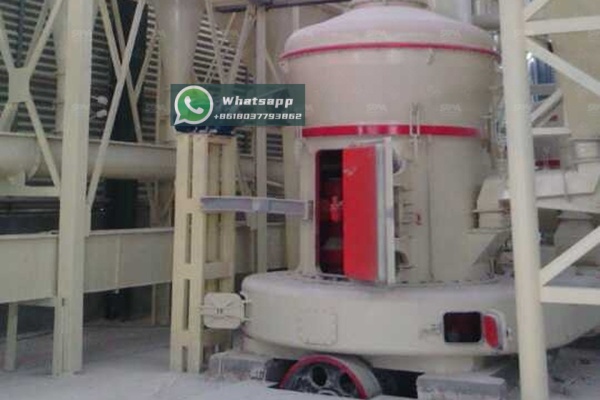
Alternatively, the MTM Medium-Speed Grinding Mill stands out as another efficient choice for diatomite production. With its moderate grinding force and advanced classification technology, it allows for stable, cost-effective grinding of minerals in the 3–22 TPH range. Its key advantage lies in consistent product fineness and simple operational control.
| Model | Ring Roll Number (pcs) | Max. Feed Size (mm) | Output (t/h) | Main Motor Power (kW) |
|---|---|---|---|---|
| MTM100 | 4 | <25 | 3–8 | 37 |
| MTM130 | 5 | <30 | 6–11 | 75 |
Given its balanced performance, simple maintenance, and moderate energy consumption, the MTM100 model is perfectly aligned with a 3–5 TPH plant requirement for diatomite grinding in Laos. It ensures low operational costs, making it highly suitable for small and mid-sized feed additive enterprises.
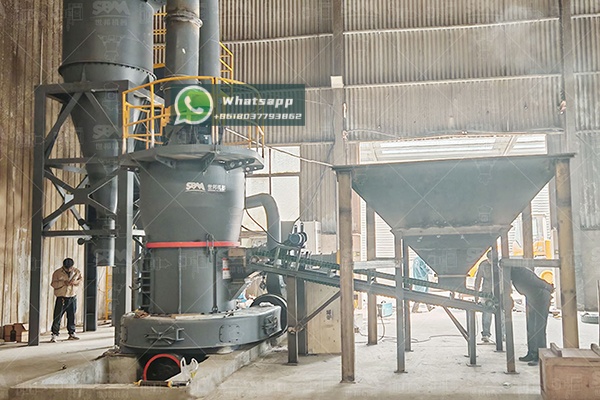
The diatomite grinding process involves several stages, from raw material crushing to final powder collection. A typical system configuration can be summarized as follows:
For Laos, where environmental regulations are becoming more stringent, Zenith’s grinding systems come equipped with efficient pulse dust collectors and noise control designs, ensuring compliance with local green manufacturing policies.
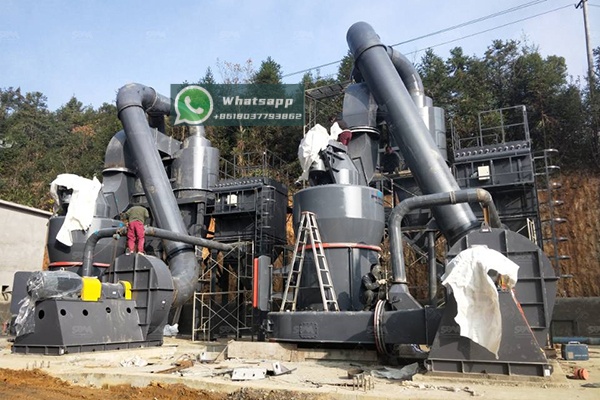
By adopting Zenith’s MTW or MTM grinding systems, producers in Laos can realize several operational and economic benefits:
Zenith’s engineering team can also provide tailored design services for local installations, optimizing mill configuration, layout plans, and downstream processing connections to local feed mills.
With Laos increasingly focused on agricultural self-sufficiency and export-oriented feed industries, upgrading to efficient mineral additive processing is a wise investment. The utilization of local diatomite resources can reduce import costs of additives and support sustainable development of the local feed sector. A 3–5 TPH diatomite grinding line can supply enough powder for several regional feed factories, ensuring stable additive quality and price competitiveness.
Moreover, with the regional integration under ASEAN economic frameworks, Laos-based processing facilities can become strategic suppliers to neighboring countries, including Thailand and Vietnam, further expanding market potential.
The integration of modern grinding technology from Shanghai Zenith Machinery Co., Ltd. provides Laos with an opportunity to develop an efficient and sustainable diatomite processing industry. Whether choosing the MTW Trapezium Grinding Mill or the MTM Medium-Speed Grinding Mill, operators can achieve high-quality diatomite powder suitable for animal feed additive applications. With proven technology, low operational costs, and international technical support, Zenith remains an outstanding partner for mineral processing solutions across Southeast Asia.
For detailed project consultation and equipment selection, please contact Shanghai Zenith Machinery Co., Ltd. Our technical team can offer customized process design, on-site commissioning, and post-sales service to ensure the long-term success of your diatomite grinding operation in Laos.