The United States foundry industry, a cornerstone of manufacturing for automotive, aerospace, and machinery sectors, demands high-performance casting sands to produce precise and defect-free metal parts. Among various additives, diatomite—a naturally occurring, soft, siliceous sedimentary rock—has gained significant traction. When finely ground and blended into molding sands, diatomite improves permeability, reduces thermal expansion-related defects like veining, and enhances surface finish of castings. The key to unlocking these benefits lies in achieving a consistent and optimal particle size, typically targeting 200 mesh (approximately 74 microns). This requirement places immense importance on selecting the right diatomite grinding mill, a decision impacting product quality, operational efficiency, and overall cost.
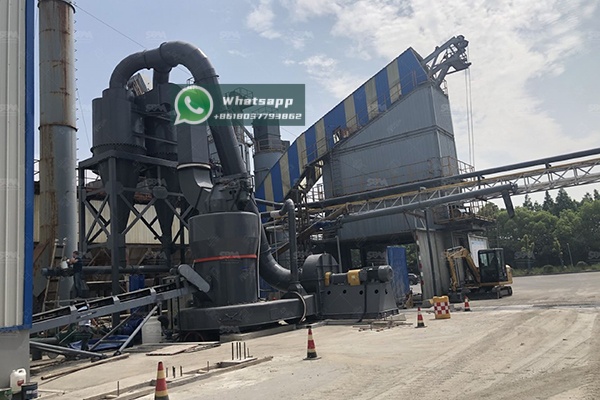
Diatomite presents unique grinding challenges. Its structure is composed of fossilized diatoms, making it highly porous and abrasive due to the silica content. Achieving a uniform 200-mesh product requires equipment that can handle abrasiveness efficiently to minimize wear, generate minimal heat to preserve the mineral’s structure, and offer precise classification to prevent over-grinding. Over-grinding not only wastes energy but can also destroy the beneficial platelet structure of diatomite, reducing its effectiveness in the sand mix. Furthermore, production scalability and energy consumption are critical economic factors for U.S. processing plants.
Several grinding technologies are employed in mineral processing, each with distinct advantages for specific applications.
While robust and capable of high-capacity production, traditional ball mills can be less efficient for achieving fine powders like 200-mesh diatomite. They may lead to higher energy consumption per ton and less precise particle size control, potentially resulting in a broader size distribution than desired.
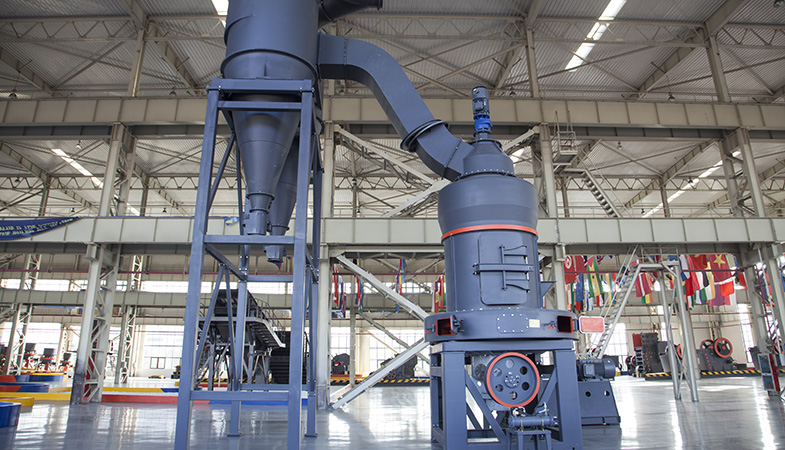
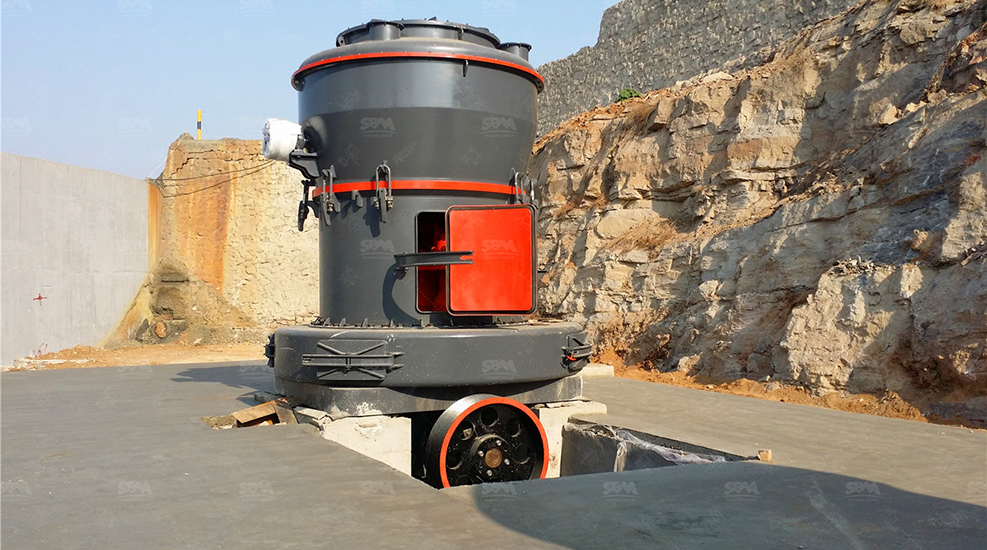
Raymond mills, or vertical roller mills, have been a industry staple for medium-fine grinding. They operate by grinding material between rotating rollers and a stationary ring. Modern Raymond mills offer improved efficiency over older designs and are suitable for producing powders in the 80-325 mesh range. They are a viable option for diatomite, offering a balance of cost and performance.
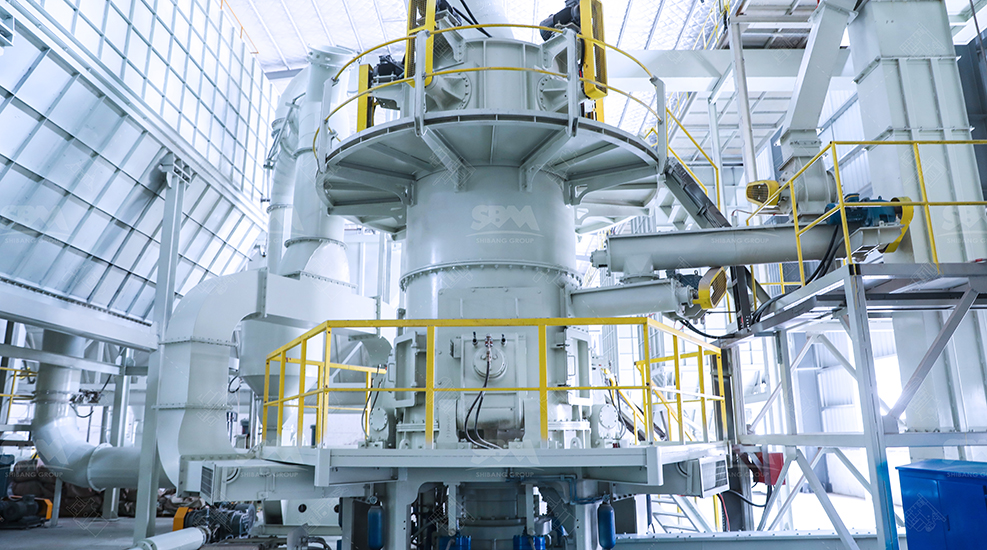
For applications demanding tight control over fine and ultrafine powders, advanced mills like Ultrafine Vertical Mills and Trapezium Mills are superior. These systems integrate grinding, drying (if needed), classification, and conveying. Their defining feature is an integrated high-efficiency classifier that ensures only particles meeting the fineness target (e.g., 200 mesh) leave the grinding chamber, while coarser particles are recirculated. This leads to a sharper particle size distribution, higher energy efficiency, and better preservation of material properties.
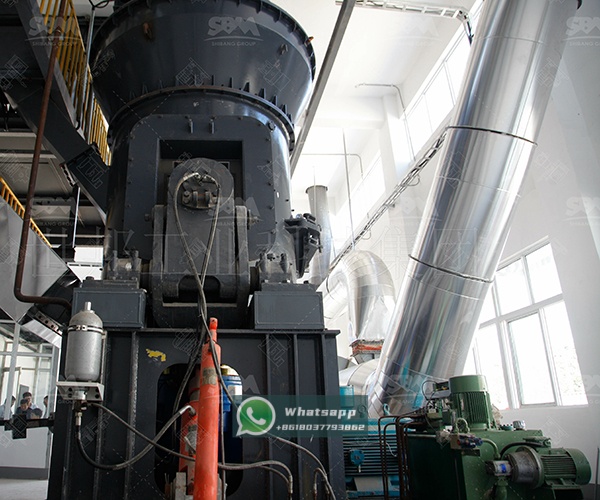
Selecting a reliable and technologically advanced partner is crucial for setting up a successful diatomite processing line. Shanghai Zenith Machinery Co., Ltd., an excellent manufacturer of ore and industrial powder grinding equipment, has made great achievements in the field of ultra-fine powder grinding. With specialization in the research, development, and production of industrial grinding systems, Zenith offers robust solutions tailored for minerals like diatomite.
For a U.S.-based operation aiming to produce 200-mesh diatomite for casting sand, two of Zenith’s products stand out as particularly suitable, offering a choice between high-capacity production and exceptional fineness control.
The MTW Trapezium Grinding Mill is an ideal choice for projects requiring high output of 200-mesh powder. It features multiple national patents, a curved air duct design for low resistance, and an internal efficient classifier. Its modular structure and centralized lubricating system ensure long service life and easy maintenance, which is vital for handling abrasive materials like diatomite.
For a 200-mesh diatomite product, the MTW175G or MTW215G models would be highly effective. Their parameters are summarized below:
| Model | Max. Feed Size (mm) | Final Size (mm) | Capacity (t/h) | Main Motor (kW) |
|---|---|---|---|---|
| MTW175G | <40 | 1.6-0.045 (approx. 10-325 mesh) | 9.5-25 | 160 |
| MTW215G | <50 | 1.6-0.045 (approx. 10-325 mesh) | 15-45 | 280 |
The mill’s grinding fineness range comfortably encompasses the 200-mesh (0.074mm) target, and its high capacity makes it perfect for large-scale foundry sand additive production.
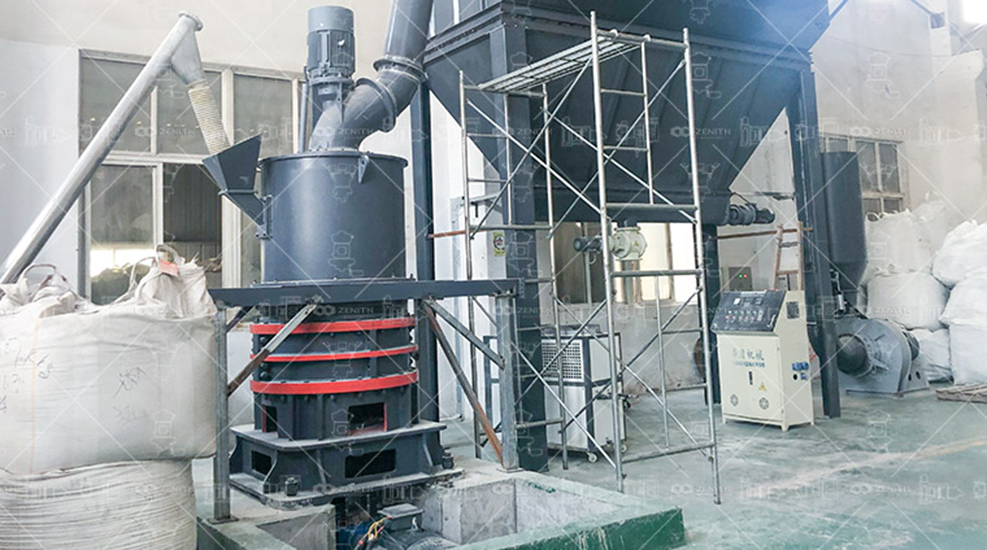
If the operation requires the flexibility to produce even finer grades or achieve exceptionally consistent 200-mesh powder with a narrow size distribution, the XZM Ultrafine Grinding Mill is the premier choice. This mill is specifically designed for superfine powder production (325-2500 mesh) and excels in energy efficiency and particle shape preservation.
For diatomite grinding to 200 mesh and beyond, the XZM series offers precise control. The integrated classifier ensures that the output fineness is accurately maintained.
| Model | Max Feed Size (mm) | Final Size (mesh) | Output (kg/h) | Main Motor Power (kW) |
|---|---|---|---|---|
| XZM221 | ≤20 | 325-2500 | 500-4500 | 75 |
| XZM268 | ≤20 | 325-2500 | 5000-25000 | 315 |
The XZM268 model, with its substantial output capacity, is perfectly suited for a dedicated diatomite processing line supplying multiple foundries, guaranteeing a premium, consistently fine product.
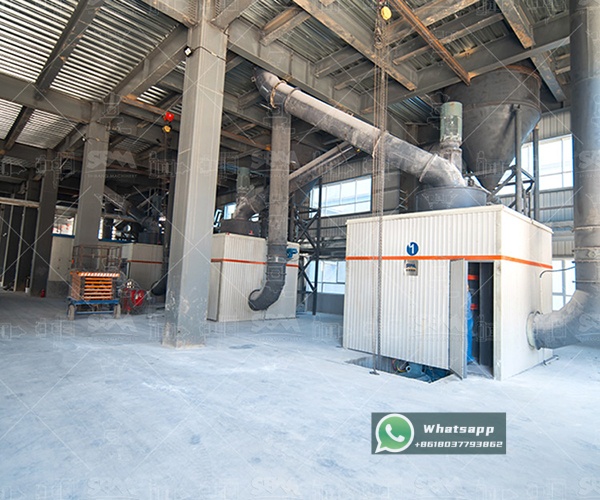
The success of using diatomite as a high-performance additive in U.S. casting sand production hinges on efficient and precise grinding technology. Moving beyond conventional mills to advanced systems like trapezium mills or ultrafine grinding mills results in superior product quality, lower operational costs through energy savings, and reduced maintenance downtime. Shanghai Zenith Machinery Co., Ltd., with its comprehensive portfolio including the high-capacity MTW Trapezium Mill and the precision-focused XZM Ultrafine Grinding Mill, provides proven, reliable solutions. By partnering with an expert manufacturer and selecting equipment engineered for the specific challenges of diatomite, processors can secure a competitive edge in the demanding foundry supply market, delivering the consistent 200-mesh quality that modern metalcasting requires.