Diatomite, also known as diatomaceous earth, is a naturally occurring soft sedimentary rock primarily composed of the fossilized remains of diatoms. With its high porosity, light weight, and excellent thermal insulation properties, diatomite has become an essential raw material in various industries including ceramics, construction, filtration, and tile manufacturing. In India, the growing demand for energy-efficient and eco-friendly tile products is driving the need for reliable and efficient diatomite grinding systems. To meet this demand, advanced grinding mills—capable of producing fine and consistent diatomite powders—are indispensable.
Shanghai Zenith Machinery Co., Ltd., an established leader in ore and mineral grinding equipment manufacturing, offers a wide range of industrial mills that provide efficient, high-quality solutions for diatomite processing. This article explores the role of diatomite grinding mills in the Indian tile industry, highlights the challenges faced by manufacturers, and presents professional recommendations for production lines with a capacity of 1–3 tons per hour (TPH).
Diatomite is increasingly used in ceramic and tile manufacturing due to its unique properties. When ground into ultrafine powder, diatomite acts as an excellent filler and fluxing agent. It enhances the thermal stability, reduces shrinkage during firing, and improves the mechanical strength of tiles. Additionally, diatomite contributes to lighter-weight products, which are easier to handle and transport.
In India’s rapidly growing construction and infrastructure sectors, tiles produced with diatomite additives are sought after for their energy-saving characteristics and refined aesthetics. To ensure that these attributes are achieved, the grinding process must deliver precise particle size control, high throughput, and stable performance under continuous operation.
Diatomite is a relatively soft but highly porous material. Excessive grinding can cause structural collapse of its micro-porous texture, while insufficient grinding results in uneven particle size distribution. The ideal grinding system for diatomite must therefore deliver fine and uniform powders (generally in the range of 100–600 mesh) while maintaining the mineral’s structural integrity. Moreover, since diatomite often contains moisture, the chosen grinding equipment should have integrated drying capability to enhance processing efficiency.
For small- to medium-scale tile production plants in India, a capacity range of 1–3 TPH is typically adequate to ensure consistent supply while maintaining manageable operational costs. Equipment selection for such applications should emphasize energy efficiency, low maintenance, and easy operation.
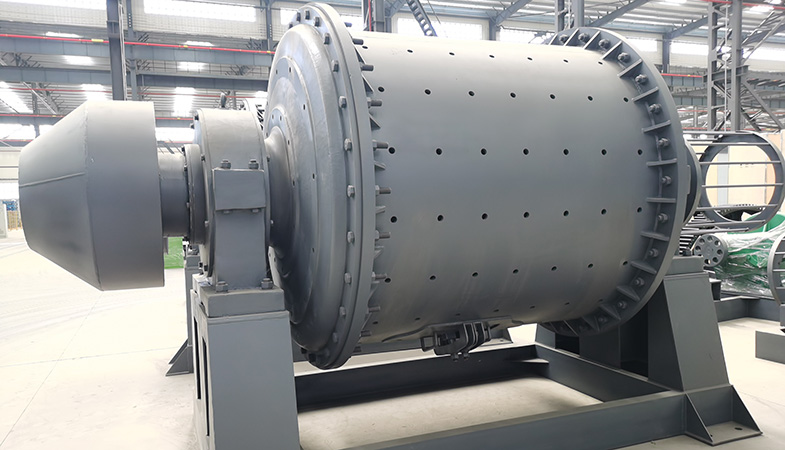
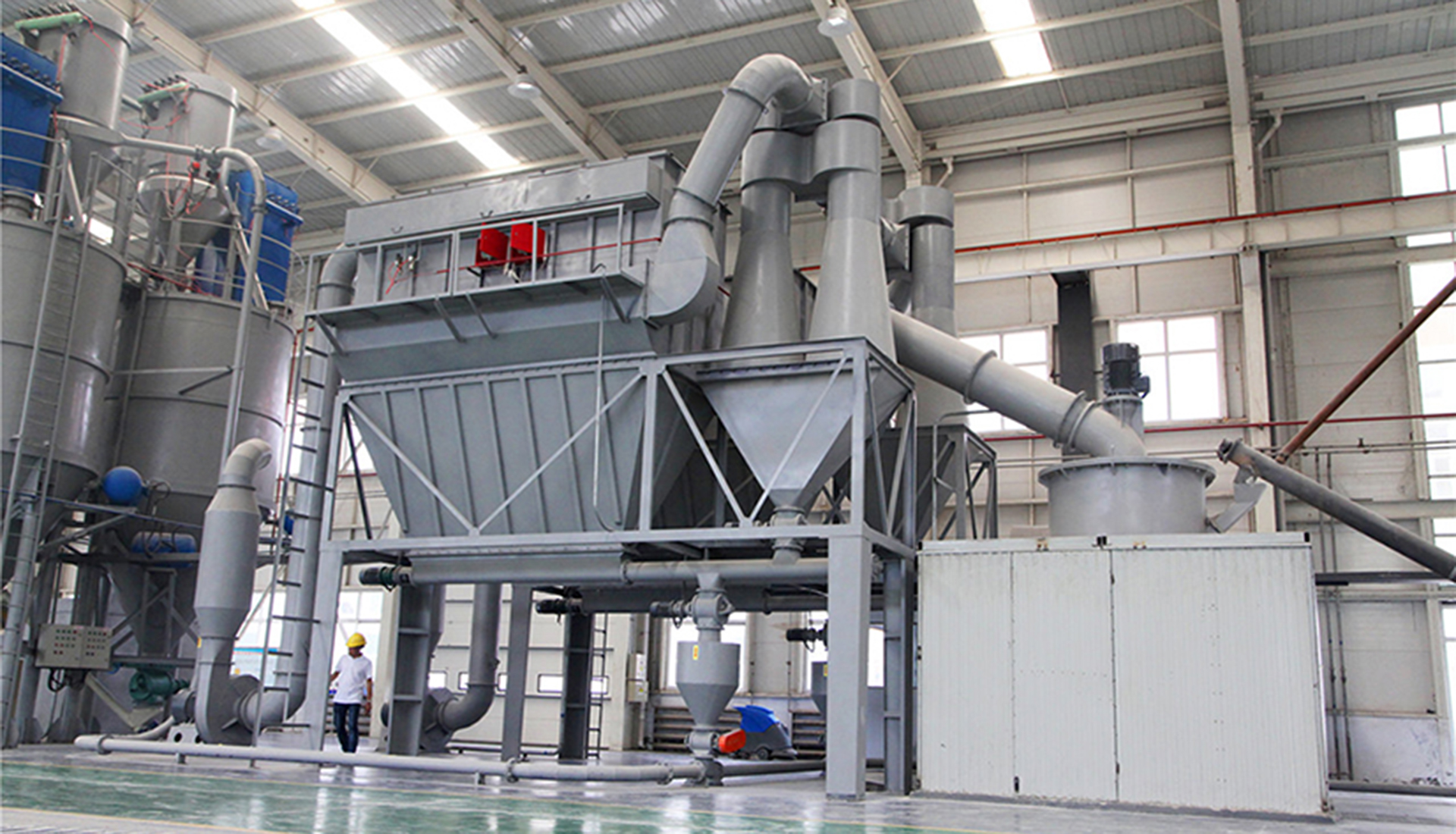
Shanghai Zenith Machinery Co., Ltd. has developed several grinding mill solutions ideal for processing diatomite in tile production lines. For capacities between 1–3 TPH, the following options are highly recommended:
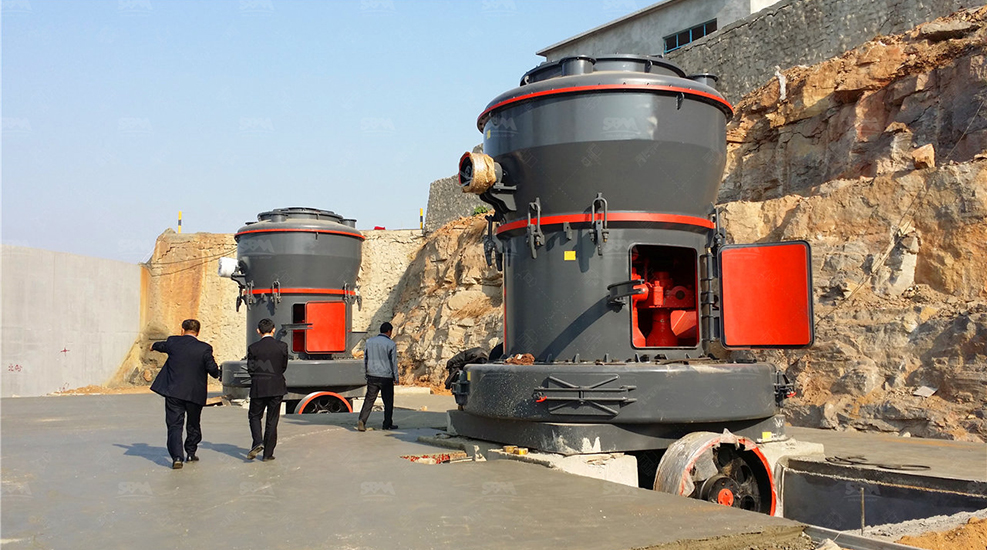
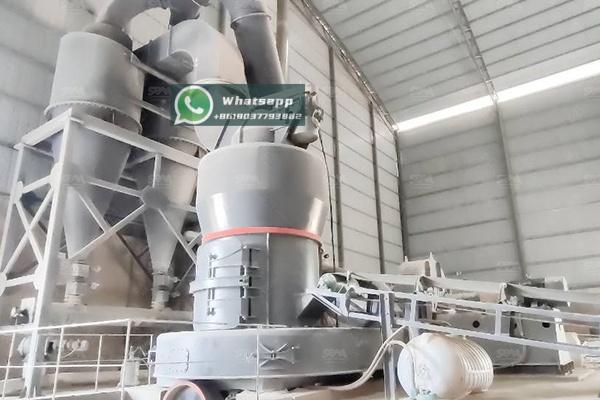
The MTW Trapezium Grinding Mill combines advanced European technology with efficient design principles. It is equipped with a bevel gear-driven system, thin oil lubrication, and a fan system with improved efficiency. These features make it particularly suitable for diatomite grinding, where reliability, airflow control, and consistent output fineness are crucial. For tile manufacturers seeking continuous, stable production of high-quality diatomite powder, the MTW series offers an excellent balance between cost and performance.
| Model | Max. Feed Size (mm) | Final Size (mm) | Capacity (t/h) | Main Motor (kW) | Fan Motor (kW) |
|---|---|---|---|---|---|
| MTW110 | <30 | 1.6–0.045 | 3–9 | 55 | 55 |
| MTW110Z | <30 | 1.6–0.045 | 3–10 | 55 | 55 |
Recommended Configuration: For diatomite processing in a 1–3 TPH tile production line, the MTW110Z model would be ideal. Its stable air circulation system ensures uniform powder classification, while the compact structural design minimizes plant footprint—a valuable advantage for production sites in urban or semi-urban regions in India.
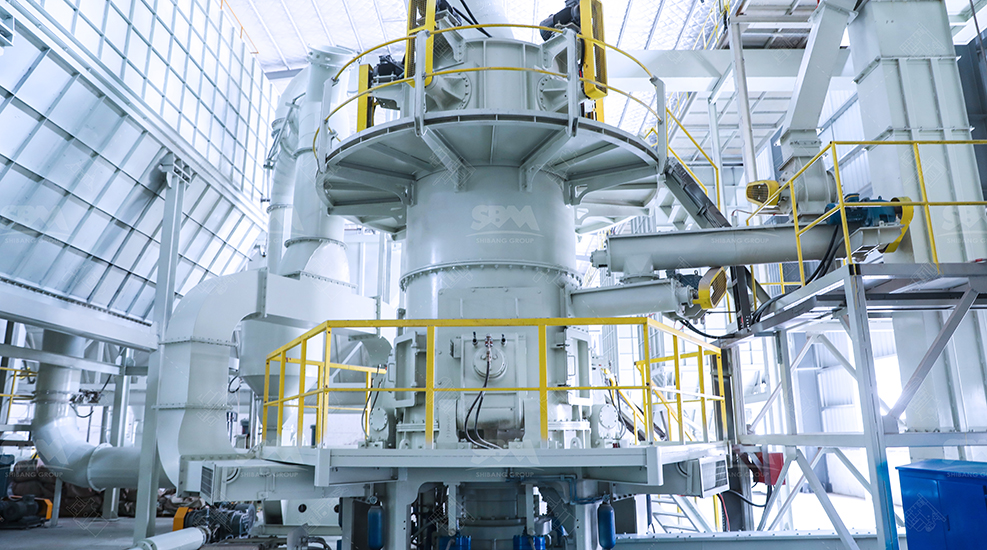
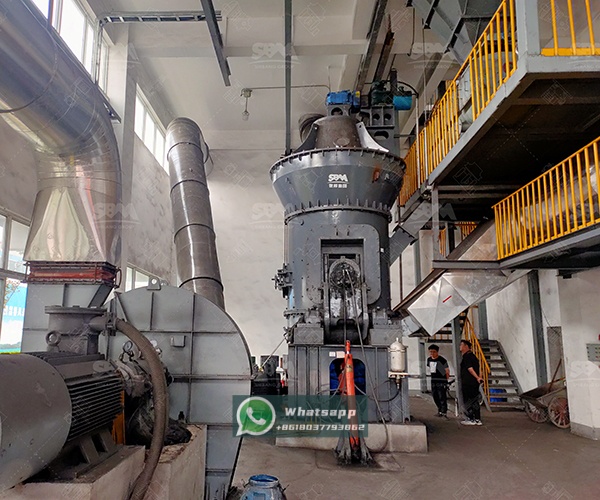
The LM Vertical Grinding Mill is an all-in-one solution that integrates crushing, drying, grinding, powder selection, and material conveying in a single compact unit. It offers excellent performance for materials with varying moisture levels, such as diatomite. In addition, its vertical structure reduces energy loss and enhances drying efficiency, making it particularly suitable for the warm, humid climates found in many regions of India.
| Model | Plate Diameter (mm) | Capacity (t/h) | Output Fineness (μm) | Max Feed Size (mm) | Main Motor (kW) |
|---|---|---|---|---|---|
| LM130K | 1300 | 10–28 | 170–40 | <38 | 200 |
| LM130X-GX | 1300 | 4–12 | 325–600 mesh | – | 220 |
Recommended Configuration: The LM130X-GX vertical fine-powder mill version can easily handle diatomite grinding applications at 1–3 TPH output rates. It delivers superior fine powder characteristics and allows flexibility in adjusting product fineness, ranging from 325 to 600 mesh. The integrated drying function is particularly useful when processing natural diatomite with residual moisture.
When comparing available equipment on the market, several key advantages distinguish Shanghai Zenith’s grinding mills:
Consider a mid-sized ceramic tile manufacturer based in Gujarat, India—an area known for its robust ceramic industry. The company aims to incorporate 10–15% diatomite into its tile body mixture. Using a 1–3 TPH diatomite grinding system helps maintain continuous feedstock for the batching line, ensuring consistent product quality while minimizing raw material variation. By adopting the MTW110Z Trapezium Mill for initial grinding and an LM130X-GX Vertical Fine-powder Mill for fine classification and moisture control, the plant achieves high efficiency, stable performance, and an annual output growth of over 15% compared to older Raymond-mill systems.
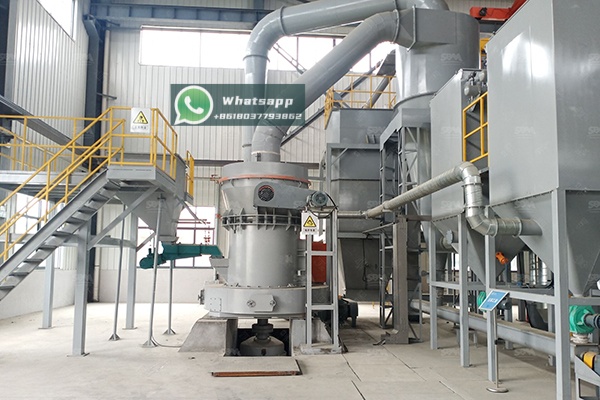
For diatomite grinding in India’s tile-manufacturing sector, maintenance plays a crucial role in ensuring long-term operational stability. Zenith’s mills are designed for low-maintenance operation. Features such as centralized lubrication systems, wear-resistant materials, and easy-replacement grinding rollers minimize downtime. Regular inspection of classifier systems and filter units ensures efficient separation and dust-free operation over long cycles.
Additionally, local service support from Shanghai Zenith’s technical partners in India ensures that customers receive timely on-site training, spare parts supply, and optimization guidance, enabling 24/7 industrial-grade reliability.
The integration of diatomite in tile manufacturing represents a promising direction for India’s ceramic industry, especially in terms of sustainability, weight reduction, and enhanced thermal insulation. Achieving high-quality diatomite powder, however, requires advanced grinding solutions capable of ensuring precision, efficiency, and durability. For production lines in the 1–3 TPH range, the MTW Trapezium Grinding Mill and the LM Vertical Grinding Mill from Shanghai Zenith Machinery Co., Ltd. stand out as reliable choices. Their proven performance, robust design, and adaptability to various raw material conditions make them an ideal fit for modern tile production enterprises in India.
By selecting high-efficiency equipment from Shanghai Zenith Machinery, Indian manufacturers can enhance their production capabilities, reduce operational costs, and ensure a sustainable, environmentally friendly tile production process.