South Africa’s energy sector is heavily reliant on coal-fired power plants, which account for over 80% of the country’s electricity generation. However, coal combustion releases sulfur dioxide (SO₂), a major contributor to acid rain and respiratory illnesses. To comply with stringent environmental regulations such as the National Environmental Management: Air Quality Act (NEM:AQA), power stations and industrial boilers must implement effective flue gas desulfurization (FGD) systems. Among various sorbents, dolomite (CaMg(CO₃)₂) has emerged as a cost-effective and abundant alternative to limestone, particularly in regions where dolomite deposits are plentiful. Proper grinding of dolomite to a specific fineness—typically 150 mesh (100 microns)—is critical for maximizing the surface area and ensuring rapid chemical reaction with SO₂. This article explores the technical requirements for dolomite grinding in South African desulfurization applications and presents the most suitable milling solutions from Shanghai Zenith Machinery Co., Ltd.
In wet or semi-dry FGD processes, dolomite is first ground into a fine powder and then mixed with water to form a slurry. The slurry is sprayed into the flue gas stream, where the following reactions occur:
CaMg(CO₃)₂ + 2SO₂ + O₂ → CaSO₄ + MgSO₄ + 2CO₂
MgSO₄ is highly soluble and enhances the overall desulfurization efficiency. For optimal reaction kinetics, the dolomite particles must have a specific surface area corresponding to a particle size of about 100–150 microns (150 mesh). Finer particles increase the reaction rate but also raise energy consumption and milling costs. Coarser particles lead to incomplete reaction and wasted sorbent. Therefore, achieving a consistent 150 mesh product with minimal oversize is a key performance indicator for desulfurization grinding mills in South Africa.
Dolomite has a Mohs hardness of 3.5–4, which is moderately hard and abrasive. The moisture content of raw dolomite can vary from 2% to 8%, depending on mining and storage conditions. Power plants in South Africa often operate 24/7, requiring high-reliability equipment with low downtime. Additionally, many facilities are located in remote areas with limited access to skilled maintenance. Therefore, the grinding mill must offer robust construction, ease of operation, and energy efficiency. Traditional ball mills, while reliable, are often oversized and consume high energy for the required fineness. Vertical roller mills and trapezium mills provide a more modern solution with integrated classification and lower specific power consumption.
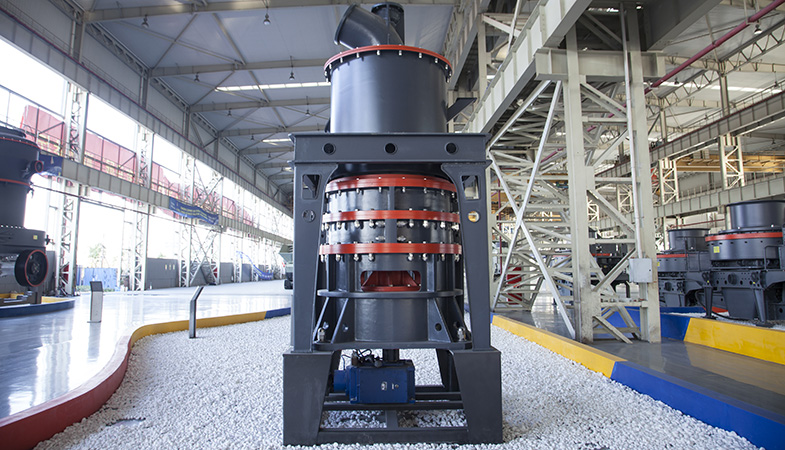
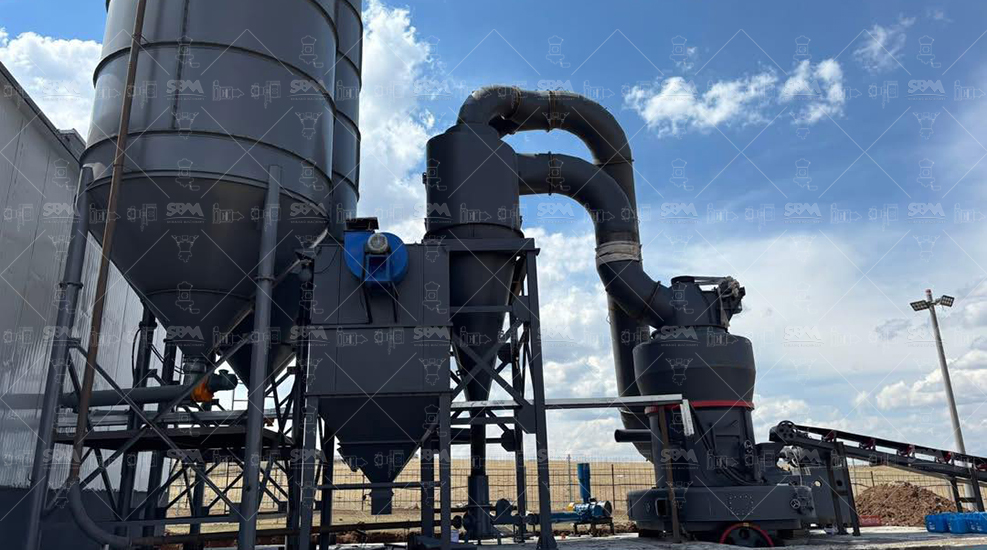
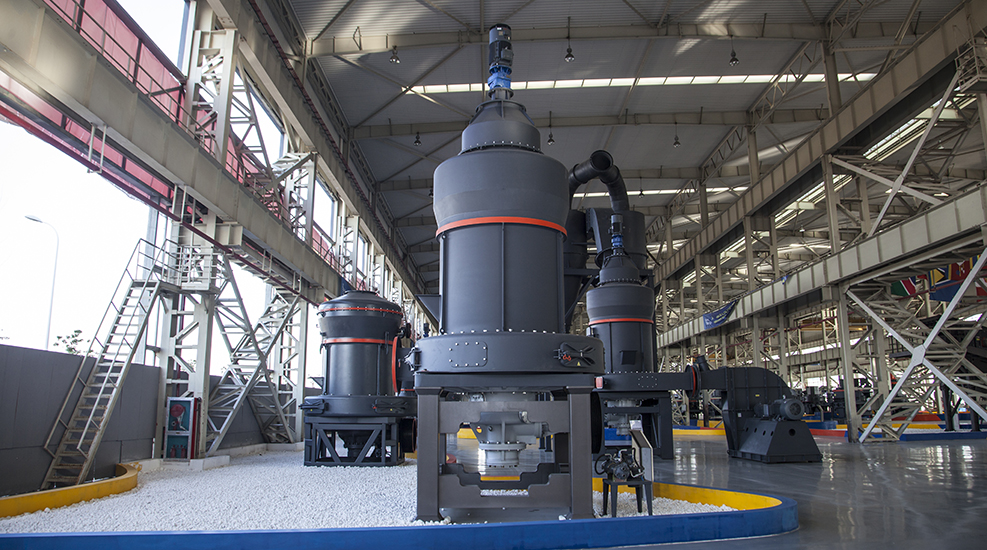
For a target fineness of 150 mesh (0.1 mm), several mill types can be considered. Raymond mills are a classic choice but may have limitations in capacity and efficiency for large-scale desulfurization. Ball mills, especially overflow types, can produce the required fineness but are bulky and energy-intensive. Among the advanced options, the MTW Trapezium Grinding Mill from Shanghai Zenith Machinery Co., Ltd. stands out as an ideal solution due to its patented design, high grinding efficiency, and superior classification system. The MTW mill uses a trapezoidal grinding ring and roller to create a stable material bed, ensuring uniform particle size distribution. Its built-in classifier can easily adjust the fineness from 1.6 mm down to 0.045 mm (325 mesh), making it perfectly suited for 150 mesh production. Another viable option is the LM Vertical Grinding Mill, which integrates drying and grinding in one unit, useful when raw dolomite has higher moisture content.
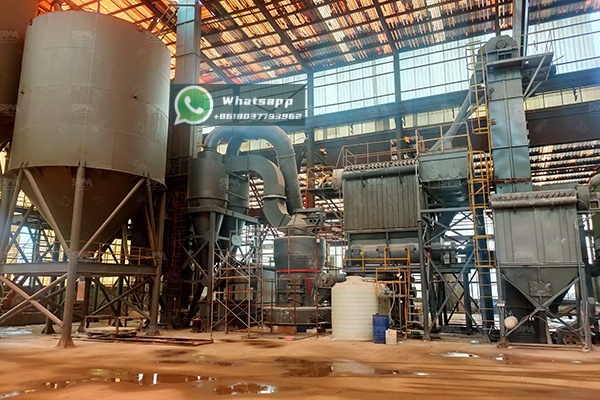
Shanghai Zenith Machinery Co., Ltd. has extensive experience in supplying grinding mills for desulfurization projects across Africa. The MTW series is designed with a number of innovations that directly address the needs of South African operators:
The following table presents the technical parameters of the MTW series mill models most suitable for 150 mesh dolomite grinding:
| Model | Max. Feed Size (mm) | Final Size (mm) | Capacity (t/h) | Main Motor (kW) | Fan Motor (kW) |
|---|---|---|---|---|---|
| MTW110 | <30 | 1.6–0.045 | 3–9 | 55 | 55 |
| MTW138Z | <35 | 1.6–0.045 | 6–17 | 90 | 110 |
| MTW175G | <40 | 1.6–0.045 | 9.5–25 | 160 | 200 |
| MTW215G | <50 | 1.6–0.045 | 15–45 | 280 | 315 |
For a typical desulfurization plant consuming 10–20 t/h of dolomite ground to 150 mesh, the MTW138Z or MTW175G would be the recommended choices. These models offer a comfortable safety margin and can be operated in single or multiple units depending on total demand. The final product fineness can be precisely adjusted via the classifier speed, ensuring that over 90% of the particles pass through a 150 mesh sieve.
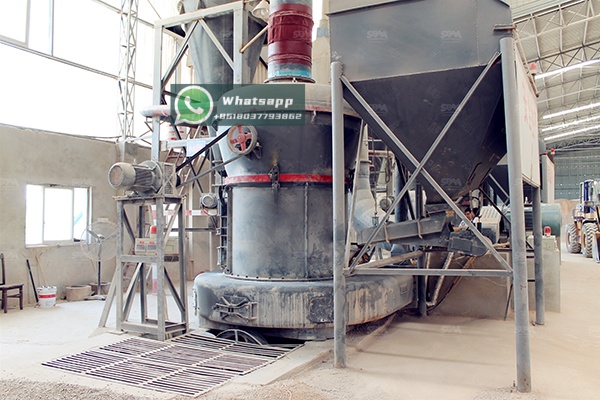
In 2022, a major independent power producer in the Mpumalanga province upgraded its FGD system by replacing two old ball mills with a single Zenith MTW175G mill. The raw dolomite feed had a moisture content of 5% and a top size of 35 mm. After installation, the mill consistently produced 22 t/h of powder with 95% passing 150 mesh. The specific power consumption dropped from 28 kWh/t to 18 kWh/t, resulting in annual energy savings of over 1.2 million ZAR. The plant also reported reduced maintenance downtime due to the MTW’s automatic lubrication system and wear-resistant components. This case demonstrates the tangible benefits of selecting the right grinding technology for South African conditions.
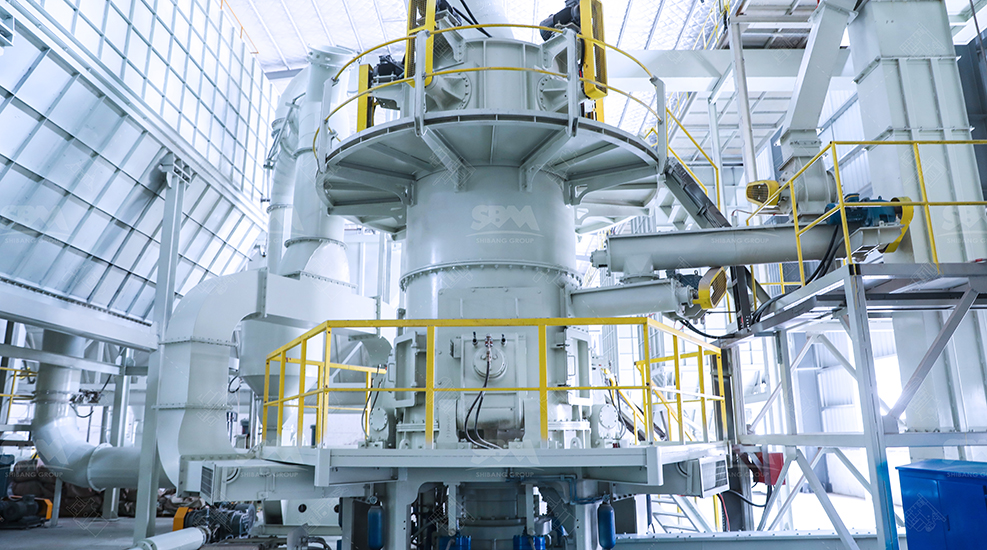
In some regions of South Africa, dolomite can have moisture levels above 8% due to open-pit mining during rainy seasons. For such applications, the LM Vertical Grinding Mill offers an integrated drying capability. The mill uses hot gases from the kiln or a hot air generator to evaporate moisture inside the grinding chamber. The LM series also provides a compact layout and can achieve fineness down to 40 microns. However, for standard 150 mesh requirements, the MTW trapezium mill is more cost-effective and easier to maintain. Below is a reference table for the LM vertical mill series suitable for mineral grinding:
| Model | Plate Diameter (mm) | Capacity (t/h) | Output Fineness (μm) | Max Feed Size (mm) | Main Motor (kW) |
|---|---|---|---|---|---|
| LM130K | 1300 | 10–28 | 170–40 | <38 | 200 |
| LM190K | 1900 | 23–68 | 170–40 | <45 | 500 |
| LM280K | 2800 | 50–170 | 170–45 | <50 | 1250 |
When selecting between MTW and LM mills, operators should consider moisture content, required capacity, and capital budget. For most dry dolomite applications in South Africa, the MTW mill remains the preferred choice.
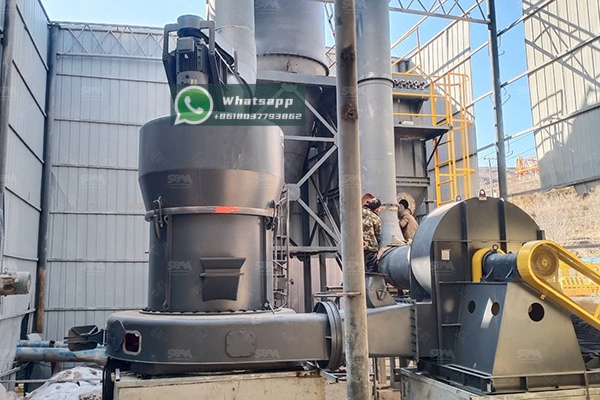
South Africa’s commitment to reducing SO₂ emissions while maintaining affordable electricity requires efficient and robust desulfurization technologies. Dolomite, as a natural sorbent, offers a sustainable solution when ground to a consistent 150 mesh fineness. Shanghai Zenith Machinery Co., Ltd., with its extensive product range and proven track record, provides the ideal grinding equipment to meet these demands. The MTW Trapezium Grinding Mill, in particular, combines high capacity, low energy consumption, and precise particle size control—all essential for cost-effective FGD operations. Whether you are upgrading an existing plant or designing a new one, contact Zenith’s team of experts to discuss the optimal mill configuration for your specific conditions. With decades of experience and a global service network, Zenith ensures that your dolomite grinding process runs smoothly, day after day.