Namibia, a country in southern Africa, has a growing mining and energy sector, particularly in oil and gas exploration. Drilling operations require high-quality drilling mud (also known as drilling fluid) to lubricate the drill bit, remove cuttings, and maintain wellbore stability. One essential component in water-based drilling muds is ground dolomite (calcium magnesium carbonate, CaMg(CO₃)₂). Dolomite is used as a weighting agent to adjust mud density and as a pH buffer to control alkalinity. The particle size distribution of dolomite powder is critical: typically, drilling mud requires a fineness of 200–325 mesh (0.074–0.044 mm) with a consistent particle size to ensure proper rheological properties. In Namibia, the demand for efficient and reliable grinding mills to produce dolomite powder at a capacity of 20–30 tons per hour (tph) is rising. Selecting the right mill is crucial for minimizing operational costs, ensuring high productivity, and meeting strict quality standards.
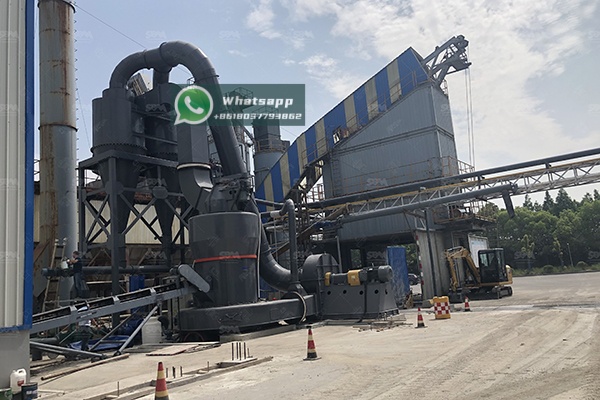
Shanghai Zenith Machinery Co., Ltd. is an excellent manufacturer of ore grinding equipment in China, with decades of experience in ultra-fine powder grinding. Our company specializes in the research, development, and production of industrial powder grinding equipment, including MTW Trapezium Grinding Mills, Ball Mills, MTM Medium-Speed Grinding Mills, Raymond Mills, LM Vertical Grinding Mills, LUM Ultrafine Vertical Mills, XZM Ultrafine Grinding Mills, and Hammer Mills. For the specific requirement of 20–30 tph dolomite grinding for drilling mud in Namibia, we recommend our advanced MTW215G Trapezium Grinding Mill and LM130K Vertical Grinding Mill, both of which offer high efficiency, low energy consumption, and reliable performance in harsh environments.
Drilling muds are complex suspensions of solids, liquids, and chemicals. Dolomite powder serves multiple functions:
The ideal dolomite powder for drilling mud has a specific gravity of about 2.85 and a particle size in the range of 0.044–0.074 mm (325–200 mesh). Over-grinding (<10 μm) can cause excessive viscosity, while coarse particles (>100 μm) may cause settling. Therefore, the grinding mill must offer precise control over the final product fineness and produce a narrow particle size distribution.
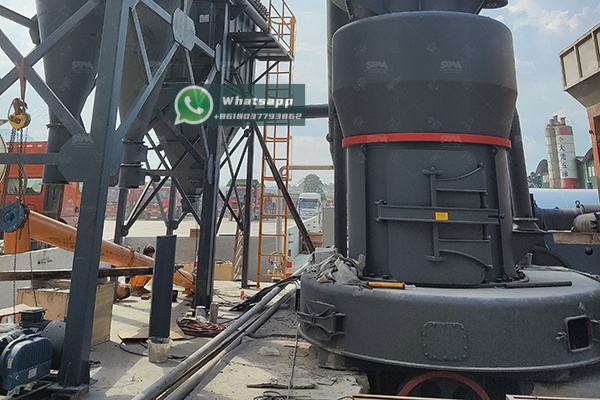
When choosing a mill for a Namibia-based dolomite grinding plant targeting 20–30 tph, several factors must be considered:
Zenith’s MTW and LM series mills are designed to meet these criteria. Below we discuss two recommended models in detail.
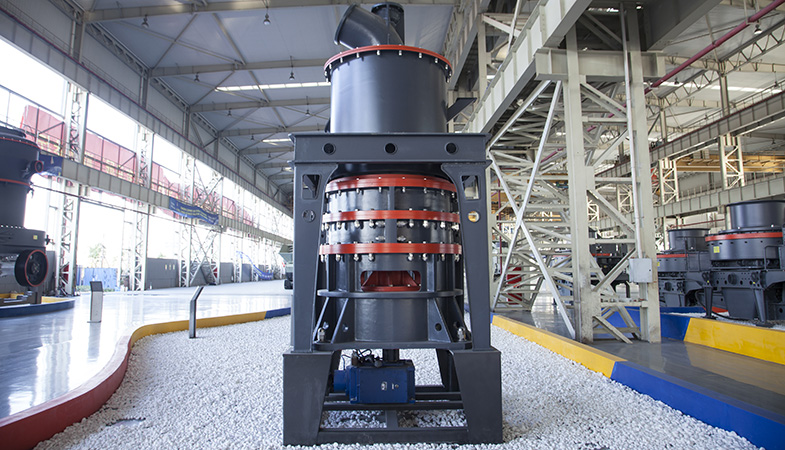
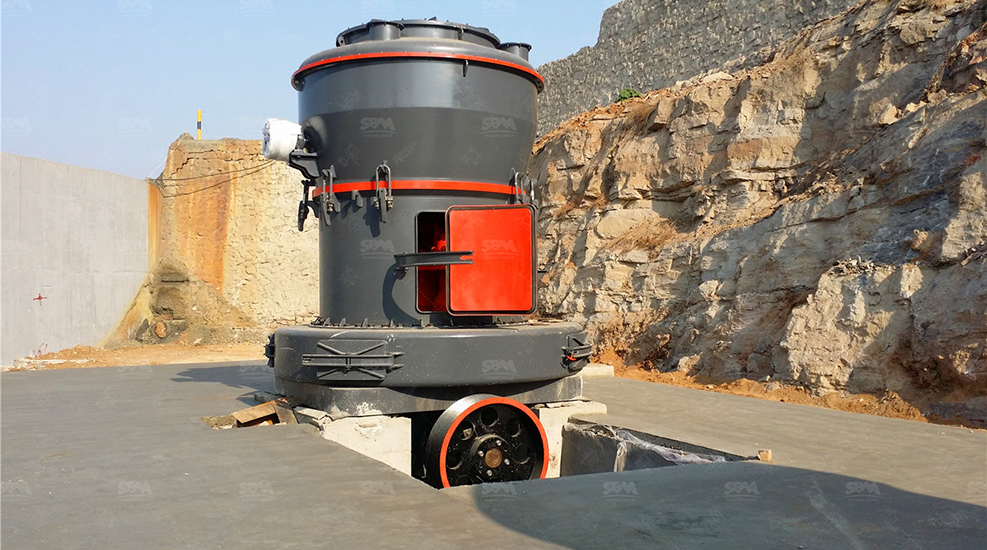
The MTW Trapezium Grinding Mill is a patented, eco-friendly mill widely used for processing non-metallic minerals like dolomite. It features a compact design, long service life, and a multi-roller grinding ring system. The MTW215G model is the largest in the MTW series, with a capacity of 15–45 t/h, fully covering the 20–30 tph requirement. It can produce a final product fineness adjustable from 1.6 mm to 0.038 mm (10–400 mesh). Key advantages include:
The following table shows the technical parameters of the MTW215G Trapezium Grinding Mill:
| Parameter | Value |
|---|---|
| Model | MTW215G |
| Max. Feed Size (mm) | <50 |
| Final Size (mm) | 1.6 – 0.045 |
| Capacity (t/h) | 15 – 45 |
| Main Motor Power (kW) | 280 |
| Fan Motor Power (kW) | 315 |
| Classifier Speed (r/min) | Adjustable |
For a typical dolomite grinding plant in Namibia requiring 25 tph at 325 mesh (0.044 mm), the MTW215G can operate at around 60–70% of its maximum capacity, providing flexibility for future expansion. The robust steel structure and wear-resistant alloy rollers ensure a lifespan of 8,000–12,000 hours before roller replacement, reducing downtime.
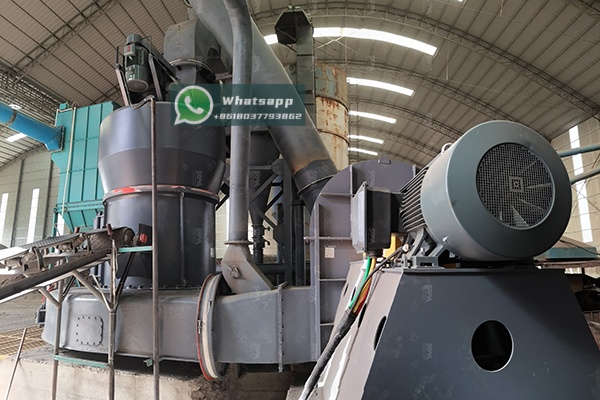
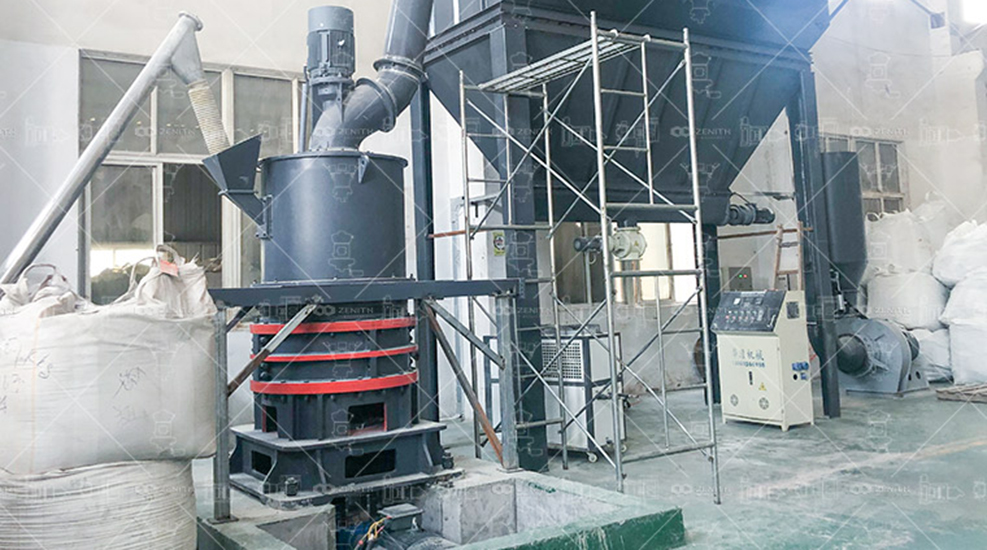
The LM Vertical Grinding Mill integrates five functions—crushing, grinding, powder selection, drying, and material conveying—into a single unit. It occupies a small footprint and is ideal for large-scale, continuous production. The LM130K model has a capacity of 10–28 t/h, which closely matches the 20–30 tph target (the upper end of 28 t/h can be achieved with optimized feed and fineness). For a strictly 30 tph requirement, two LM130K units could be used in parallel, or the slightly larger LM190K (23–68 t/h) could be considered, but for a single mill solution, the MTW215G is more straightforward. Nevertheless, the LM130K offers advantages:
Technical parameters of the LM130K Vertical Grinding Mill are shown below:
| Parameter | Value |
|---|---|
| Model | LM130K |
| Plate Diameter (mm) | 1300 |
| Capacity (t/h) | 10 – 28 |
| Output Fineness (μm) | 170 – 40 |
| Max Feed Size (mm) | <38 |
| Main Motor Power (kW) | 200 |
For a plant targeting 20–25 t/h, the LM130K is an excellent choice due to its compact layout and lower installation height. It is especially suitable for locations where floor space is limited. The mill can also be equipped with an online particle size analyzer for real-time quality control.
Both the MTW215G and LM130K are capable of producing high-quality dolomite powder for drilling mud. The following comparison helps in decision-making:
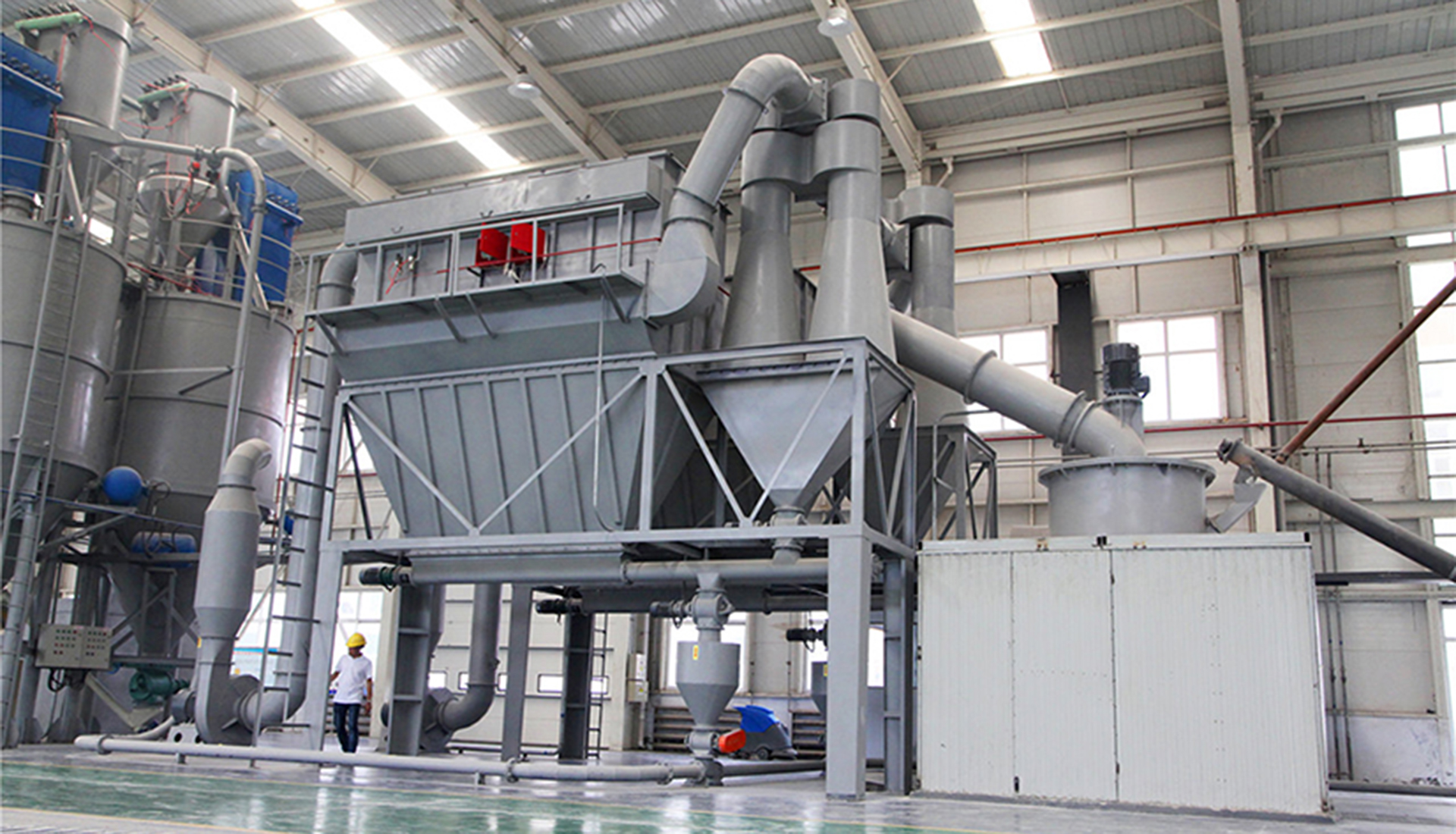
Many customers in Namibia have successfully installed MTW series mills for local mineral processing due to their proven durability in dusty, remote environments. Shanghai Zenith offers complete turnkey solutions including crushers, feeders, elevators, bag dust collectors, and control systems. Our after-sales service includes on-site commissioning, operator training, and spare parts supply via our regional partners.
Dolomite grinding for drilling mud in Namibia requires a reliable, efficient mill that can produce 20–30 tph of fine powder with consistent particle size. Shanghai Zenith Machinery Co., Ltd. provides two excellent solutions: the MTW215G Trapezium Grinding Mill (15–45 t/h) and the LM130K Vertical Grinding Mill (10–28 t/h). Both mills are designed for long-term, low-maintenance operation and can be tailored to local conditions. For projects where single-mill throughput of 30 tph is mandatory, the MTW215G is the recommended choice. For those prioritizing energy savings and space, the LM130K is an attractive alternative. Contact Zenith today for detailed system design and a customized quotation for your Namibia project.
Note: All product parameters are subject to change with continuous improvement. Please consult your local Zenith representative for the latest specifications.