The glass industry in Egypt, with its rich historical legacy and modern ambitions, is a vital sector of the national economy. From architectural glass to high-quality containers and tableware, the demand for superior raw materials is paramount. Among these, dolomite (CaMg(CO3)2) is an essential fluxing agent and stabilizer. It lowers the melting temperature of the silica batch, improves chemical durability, and enhances resistance to weathering. However, its efficacy is directly tied to its fineness and purity. For advanced glass formulations, especially those requiring high clarity and specific physical properties, a consistent and ultra-fine powder of around 1000 mesh (approximately 13 microns) is not a luxury but a necessity. This article explores the technical challenges of producing such fine dolomite powder in Egypt and presents advanced grinding solutions.
Grinding dolomite to a consistent 1000 mesh presents several significant challenges that go beyond simple size reduction.
Dolomite has a Mohs hardness of 3.5-4. While not extremely hard, its abrasive nature can cause rapid wear on grinding components, leading to contamination of the final product with metal particles—an unacceptable outcome for glass making. The grinding equipment must be constructed from wear-resistant materials.
Prolonged grinding generates heat. Excessive heat can initiate the decomposition of dolomite, driving off CO2 prematurely and altering its chemical composition from CaMg(CO3)2 to a mixture of calcium and magnesium oxides. This compromises its function as a flux in the glass batch.
Achieving ultra-fine powder traditionally requires multiple grinding stages and high energy input. For Egyptian manufacturers, operational efficiency and cost control are critical for maintaining competitiveness in both local and export markets.
For uniform melting and batch homogeneity, the particle size distribution must be tightly controlled. A mill that produces a wide range of particle sizes is unsuitable. The goal is a narrow distribution centered on the target 1000 mesh fineness.
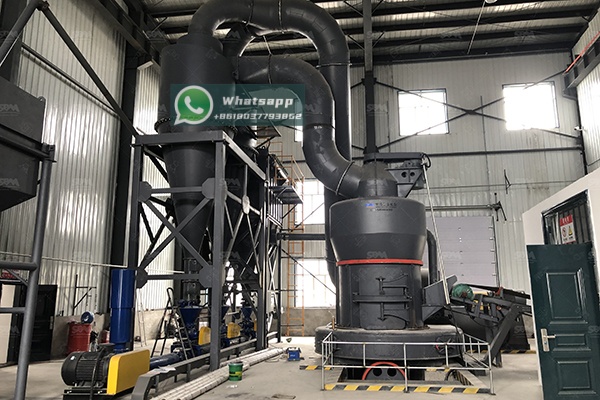
To overcome these challenges, modern glass producers are moving away from traditional ball mills or basic Raymond mills for ultra-fine applications. The technology of choice must integrate several functions: efficient grinding, precise classification, effective drying (if processing moist feed), and low thermal impact.
This is where the expertise of specialized manufacturers becomes crucial. Shanghai Zenith Machinery Co., Ltd., an excellent manufacturer of ore grinding equipment, has made great achievements in the field of ultra-fine powder grinding. Specializing in the research, development, and production of industrial powder grinding equipment, Zenith offers solutions specifically engineered for materials like dolomite.
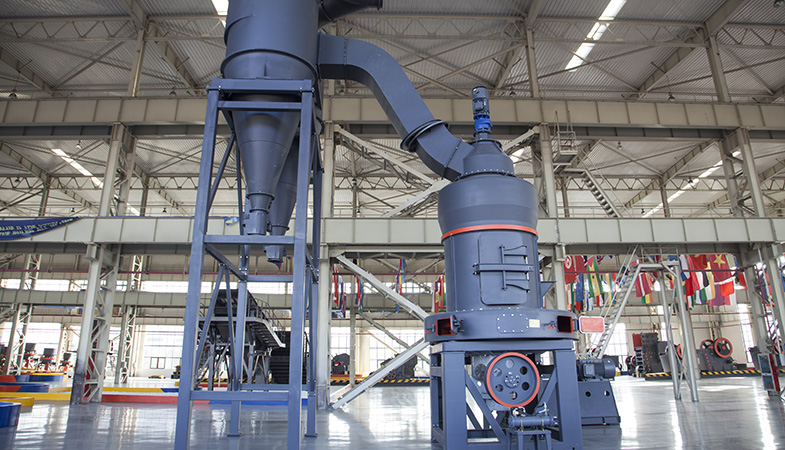
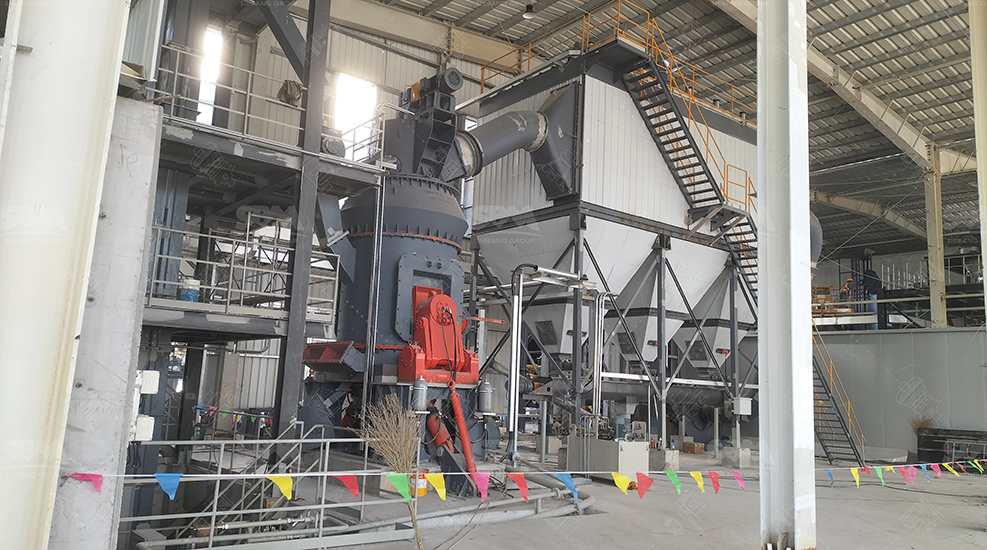
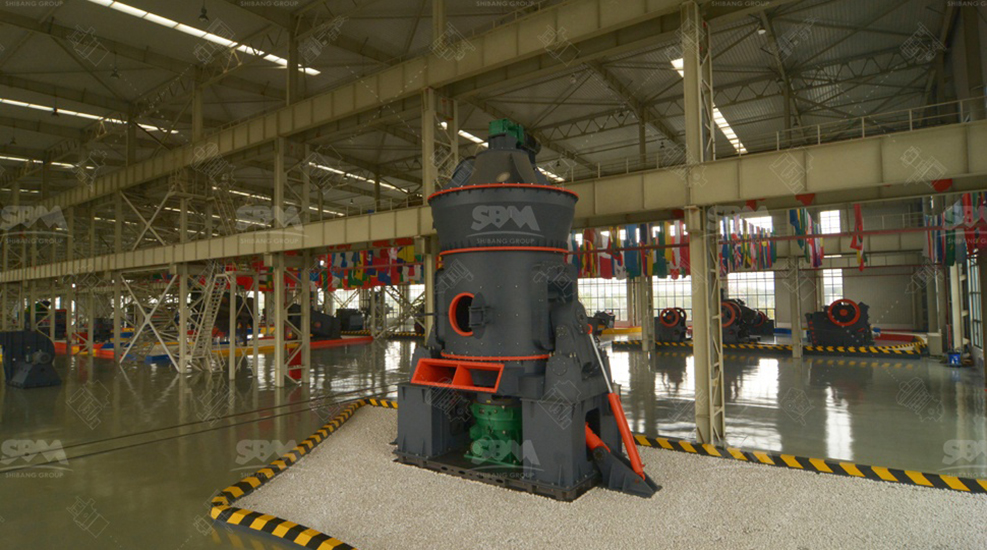
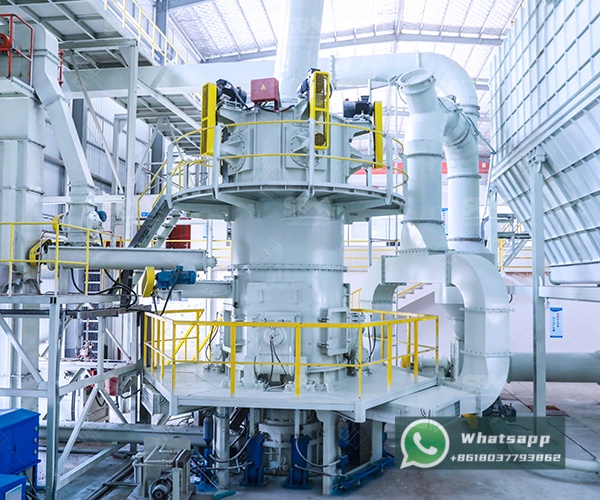
For the specific requirement of producing 1000 mesh dolomite powder for Egypt’s glass industry, Zenith’s LUM Ultrafine Vertical Mill stands out as an optimal solution. It integrates grinding, drying, classifying, and conveying into a single, compact system. Its design minimizes heat generation through efficient grinding principles and often incorporates cooling systems, directly addressing dolomite’s thermal sensitivity.
The most critical feature for achieving 1000 mesh is its advanced, high-precision classification system. The integrated classifier can precisely separate particles, ensuring that only powder meeting the fineness requirement is collected as product, while coarser particles are returned for further grinding. This results in a remarkably narrow and consistent particle size distribution.
| Model | Main Machine Power (kW) | Capacity (t/h)* | Size Distribution D97 (μm) | Suitable for 1000 Mesh (≈13μm) |
|---|---|---|---|---|
| LUM1125 | 90-110 | 0.8-5 | 5-30 | Excellent |
| LUM1525 | 220-250 | 1.6-11.5 | 5-30 | Excellent |
| LUM1836 | 355-400 | 2.3-15 | 5-30 | Excellent |
*Capacity varies based on material hardness, moisture, and required fineness.
Furthermore, its vertical structure occupies a small footprint—a significant advantage for plant layout—and its intelligent control system allows for stable, automated operation with easier maintenance.
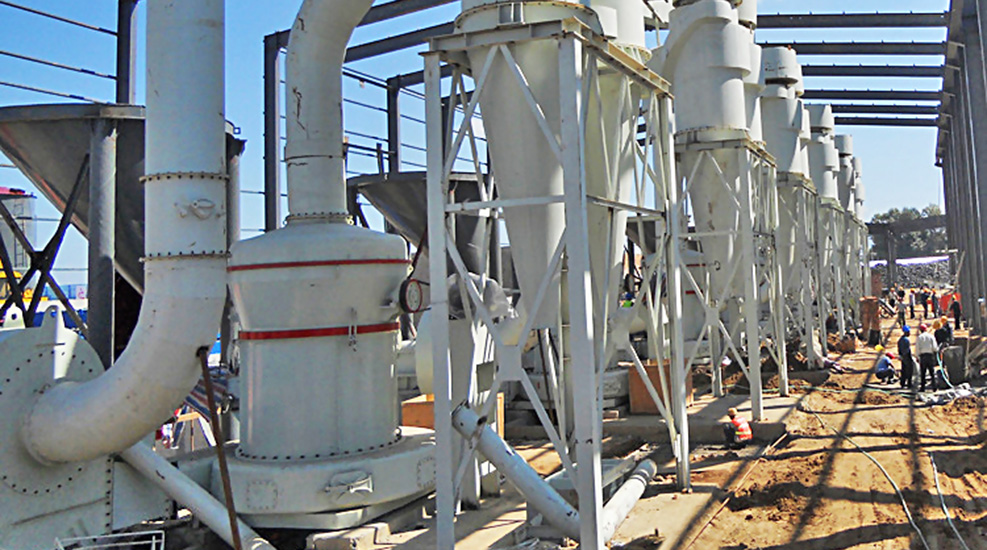
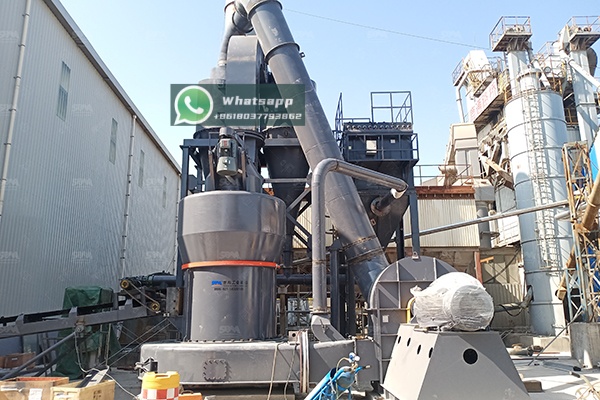
For projects with slightly different capacity requirements or where a proven, widely-adopted ultrafine mill is preferred, Zenith’s XZM Ultrafine Grinding Mill is another formidable candidate. It is renowned for its reliability and wide application in producing powders from 325 to 2500 mesh.
The XZM mill is particularly suitable for grinding soft to medium-hard materials with moisture content below 6%. Its airflow system helps in cooling the grinding chamber, mitigating heat-related issues with dolomite. For a guaranteed 1000 mesh output, the model selection must be carefully matched to the production capacity needs.
| Model | Working Diameter (mm) | Max Feed Size (mm) | Final Size (Mesh) | Output (kg/h)* | Main Motor Power (kW) |
|---|---|---|---|---|---|
| XZM221 | Φ800 | ≤20 | 325-2500 | 500-4500 | 75 |
| XZM268 | Φ1680 | ≤20 | 325-2500 | 5000-25000 | 315 |
*Output for 1000 mesh will be toward the lower end of the range.
Investing in advanced grinding technology like the LUM or XZM mills from Zenith translates into tangible benefits for Egyptian glass manufacturers:
The pursuit of excellence in Egypt’s glass industry hinges on the quality of its raw materials. Producing 1000 mesh dolomite powder is a technically demanding but essential process. By adopting state-of-the-art grinding technology, such as the LUM Ultrafine Vertical Mill or the XZM Ultrafine Grinding Mill from Shanghai Zenith Machinery Co., Ltd., Egyptian manufacturers can overcome the challenges of abrasiveness, heat sensitivity, and energy consumption. These solutions offer a path to producing the consistent, high-purity dolomite powder required for advanced glass making, thereby strengthening the foundation of this vital industry and supporting its future growth and innovation.