Dolomite is a natural mineral composed primarily of calcium magnesium carbonate (CaMg(CO3)2). In agriculture and horticulture, it is widely used as a soil amendment because it neutralizes acidity and supplies both calcium and magnesium. Across Canada, acidic soils are common in many agricultural regions, including parts of Ontario, Quebec, the Atlantic provinces, British Columbia, and the Canadian Shield. Crops such as alfalfa, clover, canola, soybeans, potatoes, and many vegetables can benefit from corrected soil pH. However, the effectiveness of dolomite is not determined only by its chemical composition. Particle size, or fineness, plays a decisive role in how quickly and efficiently the material reacts in the soil. This is why 800 mesh dolomite powder has become an attractive product for modern soil improvement programs in Canada.
Mesh size refers to the number of openings per linear inch in a standard sieve. An 800 mesh powder is extremely fine, typically with particles around 18 micrometers or less, depending on the sieve standard and the D97 specification. When dolomite is ground to this fineness, its specific surface area increases dramatically. A larger surface area allows soil acids to react with the carbonate particles more rapidly. In practical terms, 800 mesh dolomite can raise soil pH faster than coarse agricultural lime, and it can release calcium and magnesium more efficiently. For Canadian farms, greenhouses, nurseries, and turf managers, this faster reaction can be valuable when correcting severe acidity, preparing seedbeds, or maintaining precise pH levels for high-value crops.
Finer dolomite also offers formulation advantages. It can be blended into granular fertilizers, suspended in liquid lime products, or used in pelletized soil amendments. Nevertheless, fine powder requires proper dust control, moisture management, and storage. A reliable grinding system is therefore essential for producing consistent 800 mesh dolomite at industrial scale.
Canadian soils vary widely, from sandy podzols and acidic forest soils to heavier clay loams in Ontario and Quebec. Many of these soils have limited natural buffering capacity and can become acidic due to rainfall, crop removal, and fertilizer use. Dolomite addresses two common deficiencies at once: calcium and magnesium. Magnesium is especially important for chlorophyll formation, photosynthesis, and enzyme activation. Crops such as potatoes, sugar beets, alfalfa, and greenhouse vegetables are sensitive to magnesium deficiency. By using 800 mesh dolomitic lime, growers can correct pH and supply magnesium in a readily reactive form.
Because 800 mesh particles are so fine, the material can react within weeks rather than months under adequate moisture. This makes it suitable for targeted applications in horticulture, turf management, and no-till systems where incorporation is limited. It is also useful in the production of customized fertilizer blends and soil conditioners. However, growers should always base application rates on laboratory soil tests and provincial recommendations. Over-liming can reduce the availability of micronutrients such as iron, manganese, and zinc. The goal is not simply to apply the finest powder, but to apply the right amount of a consistent, high-quality product.
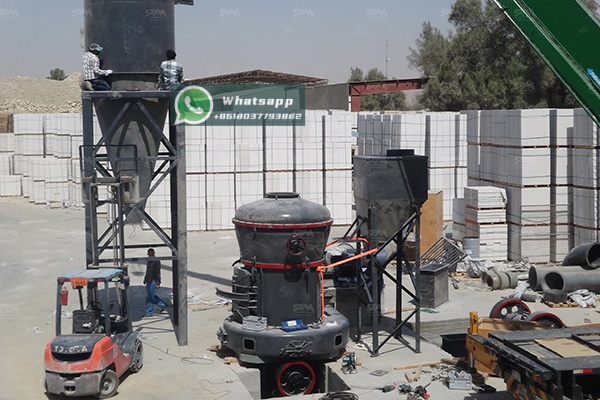
Producing 800 mesh dolomite in Canada requires a grinding mill that can deliver stable fineness, high capacity, and low energy consumption. The raw material may vary in hardness, moisture, and chemical purity. Canadian producers also face long distances, cold winters, and strict environmental expectations. A suitable system should include reliable dust collection, automated classification, wear-resistant grinding parts, and easy maintenance. It should also be able to adjust product fineness without frequent downtime.
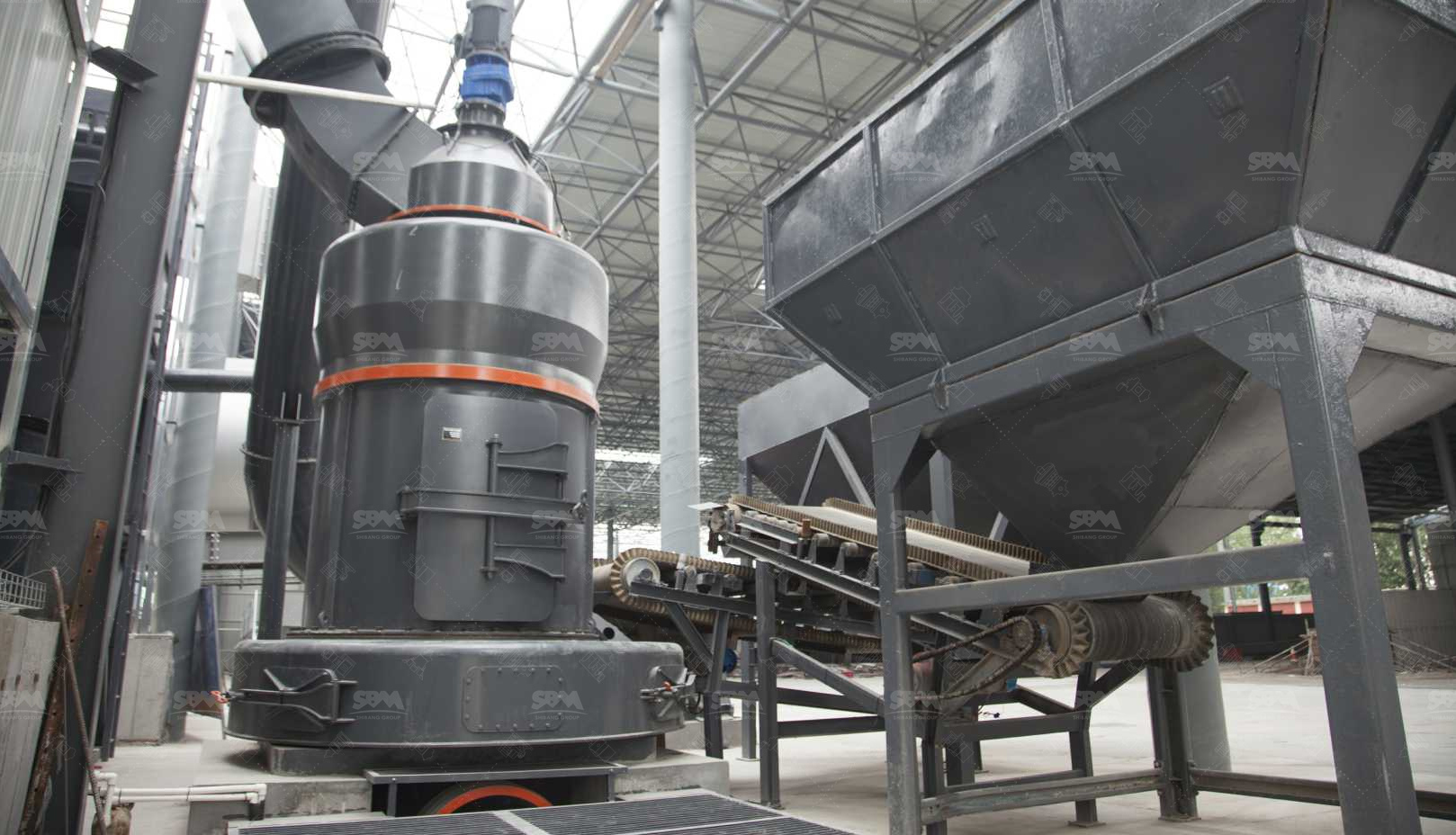
Shanghai Zenith Machinery Co., Ltd. is an excellent manufacturer of ore grinding equipment in China and has made great achievements in the field of ultra-fine powder grinding. The company specializes in the research, development, and production of industrial powder grinding equipment and related devices. Its main products include the MTW Trapezium Grinding Mill, Ball Mill, MTM Medium-Speed Grinding Mill, Raymond Mill, LM Vertical Grinding Mill, LUM Ultrafine Vertical Mill, XZM Ultrafine Grinding Mill, and Hammer Mill. For 800 mesh dolomite for soil improvement, two product lines are particularly relevant: the XZM Ultrafine Grinding Mill and the LUM Ultrafine Vertical Mill.
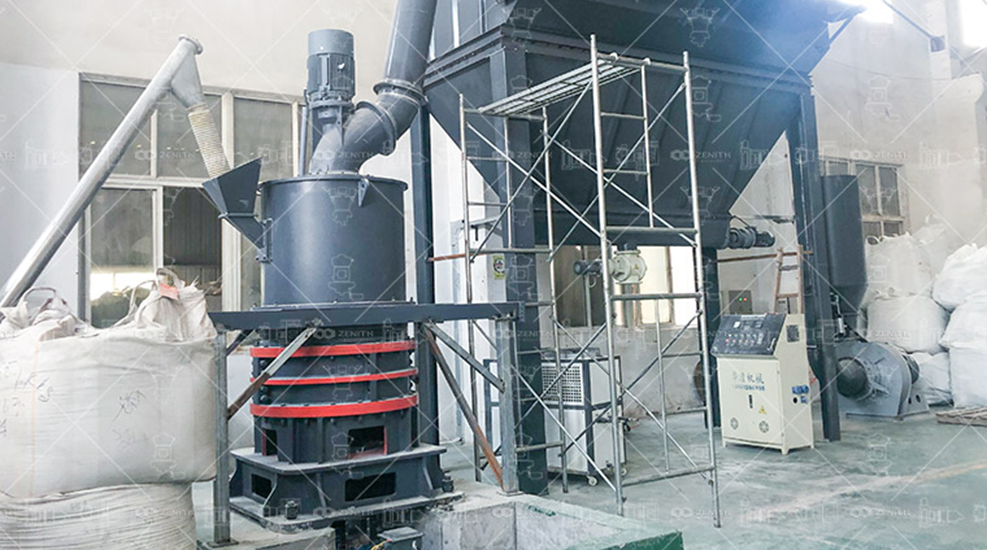
The XZM Ultrafine Grinding Mill is widely used for superfine powder production. It is suitable for grinding soft or medium-hard materials with moisture content below 6%, and it can achieve an output fineness of 325-2500 mesh. This range easily covers the 800 mesh target required for high-reactivity dolomite soil amendments. The XZM mill combines grinding, classification, and collection in a controlled circuit, allowing producers to maintain a consistent particle size distribution. For Canadian soil improvement markets, consistent fineness is critical because it affects reactivity, blending behavior, and customer confidence.
Two representative XZM models are available. The XZM221 is a compact option suitable for small to medium production, regional soil amendment plants, or specialized greenhouse suppliers. The XZM268 offers significantly higher output and is better suited to large-scale dolomite powder production or operations serving multiple provinces. Both models can be configured with dust collection and automation to meet modern environmental and operating requirements.
| Model | Working diameter (mm) | Max feed size (mm) | Final size (mesh) | Output (kg/h) | Main motor power (kW) |
|---|---|---|---|---|---|
| XZM221 | Φ800 | ≤20 | 325-2500 | 500-4500 | 75 |
| XZM268 | Φ1680 | ≤20 | 325-2500 | 5000-25000 | 315 |
For a Canadian producer targeting 800 mesh dolomite, the XZM221 can be an excellent entry point for bagged agricultural products or specialty blends. The XZM268 is recommended when higher tonnage is needed for bulk soil improvement programs, fertilizer coating, or suspension lime manufacturing.
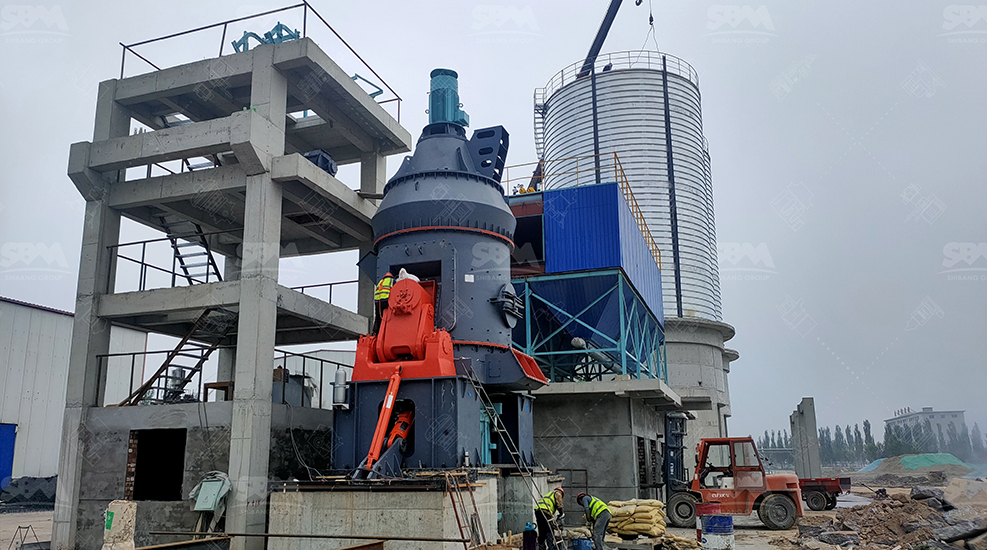
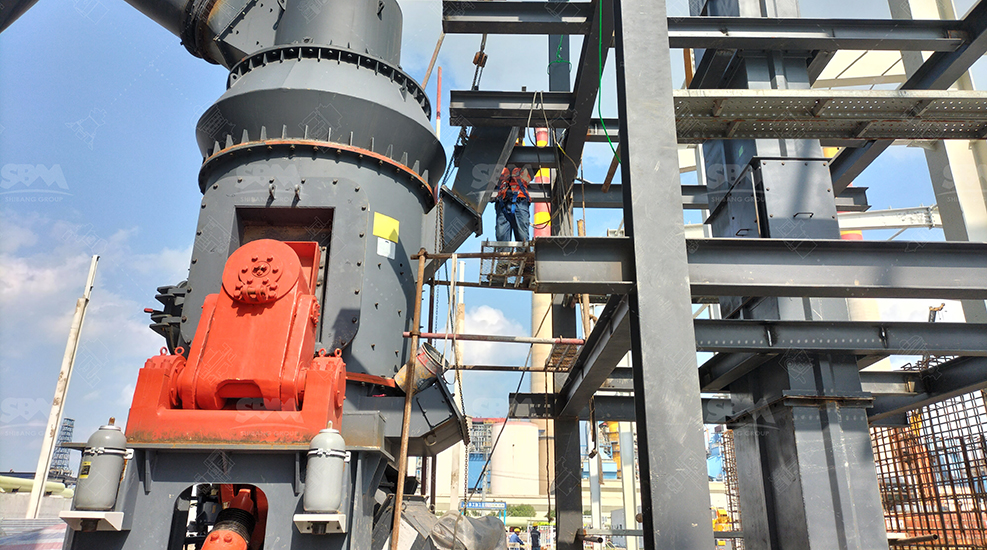
The LUM Ultrafine Vertical Mill integrates grinding, drying, classifying, and transportation while occupying minimal space. It is designed to produce products with a high content of end-fines and features intelligent control for easier maintenance. Its size distribution D97 range of 5-30 μm means it can target approximately 800 mesh dolomite (around 18 μm) with high precision. The LUM series is especially suitable for producers who need continuous, high-capacity operation and stable product quality.
In Canada, where energy costs and labor availability can vary by region, the LUM mill’s vertical design and integrated functions can reduce auxiliary equipment and plant footprint. It can also handle moderate moisture in the feed through integrated drying when a heat source is available. This makes it a strong choice for larger dolomite processing projects that serve agriculture, horticulture, and industrial filler markets.
| Model | Main machine power (kW) | Capacity (t/h) | Size distribution D97 (μm) |
|---|---|---|---|
| LUM1525 | 220-250 | 1.6-11.5 | 5-30 |
| LUM1632 | 280-315 | 2.0-13.5 | 5-30 |
| LUM1836 | 355-400 | 2.3-15 | 5-30 |
For a Canadian operation that requires a balance between high capacity and ultrafine precision, the LUM1836 is a recommended model. For medium-scale production, the LUM1525 or LUM1632 can provide flexible output while still meeting 800 mesh requirements. When paired with proper feeding, drying, and dust collection, the LUM mill can produce the consistent dolomite powder that soil amendment formulators demand.
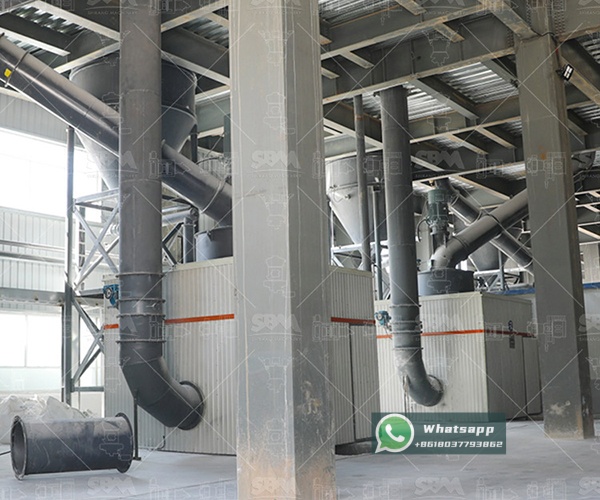
A typical 800 mesh dolomite production line begins with raw material preparation. Dolomite rock is crushed by a jaw crusher or hammer crusher to a feed size suitable for the mill. If the material contains moisture, a dryer may be required before grinding, especially in humid Canadian climates or when raw ore is stored outdoors. The crushed material is then fed into the XZM or LUM mill at a controlled rate. Inside the mill, grinding rolls or media reduce the particles, while an integrated classifier rejects oversized material and returns it for further grinding.
Fine powder leaving the classifier is collected by a pulse dust collector or cyclone system. The finished product is then transported to a silo, bulk bagging station, or automatic packing machine. Quality control should include regular particle size analysis, calcium carbonate equivalent testing, moisture checks, and chemical composition verification. For 800 mesh dolomite used in soil improvement, the producer should document the D50 and D97 values, not only the nominal mesh size. This allows agronomists and farmers to predict reactivity and application rates more accurately.
Using 800 mesh dolomite in Canadian soil improvement programs can provide several practical benefits. First, it reacts faster than coarse lime, which can help correct acidic patches before planting. Second, it supplies magnesium, an essential nutrient that is often deficient in acidic, sandy, or intensively cropped soils. Third, its fine particle size makes it suitable for liquid suspensions, granulation, and precision blending. Fourth, it can improve soil structure by promoting better aggregation and nutrient availability when applied at recommended rates.
For greenhouse and nursery operations, 800 mesh dolomite can be incorporated into potting mixes and growing media to maintain pH and provide calcium and magnesium. For field crops, it can be used in variable-rate application programs when combined with soil mapping. For turf managers, it can help maintain ideal pH for healthy root growth and disease resistance. In all cases, the key is a consistent, well-classified product produced by reliable grinding equipment.
Canadian dolomite processing must address dust, noise, energy efficiency, and winter operating conditions. Fine grinding produces a large amount of dust, so a properly sized baghouse or pulse collector is mandatory. Enclosed conveyors, negative-pressure systems, and moisture control can further reduce emissions. Equipment should be designed for cold-weather startup, with appropriate lubrication, heating where necessary, and protection for outdoor conveyors and silos. Automation can help reduce labor requirements and maintain stable production despite remote locations.
Energy consumption is another important factor. Ultrafine grinding is energy-intensive, so selecting a mill with efficient classification and low circulation load can reduce operating costs. The XZM and LUM mills from Shanghai Zenith are designed with these considerations in mind, offering adjustable fineness, reliable wear parts, and integrated collection. For Canadian producers, working with a supplier that provides spare parts, technical support, and process training is essential for long-term success.
Shanghai Zenith Machinery Co., Ltd. is an excellent manufacturer of ore grinding equipment in China, with extensive experience in ultra-fine powder grinding. The company specializes in research, development, and production of industrial powder grinding equipment and related devices. Its product portfolio includes the MTW Trapezium Grinding Mill, Ball Mill, MTM Medium-Speed Grinding Mill, Raymond Mill, LM Vertical Grinding Mill, LUM Ultrafine Vertical Mill, XZM Ultrafine Grinding Mill, and Hammer Mill. This broad range allows Zenith to recommend the most suitable equipment based on raw material, target fineness, capacity, and budget.
For 800 mesh dolomite for soil improvement in Canada, Zenith can provide process design, equipment selection, installation guidance, and after-sales support. The XZM Ultrafine Grinding Mill is ideal for precise superfine production, while the LUM Ultrafine Vertical Mill is well suited to high-capacity, integrated grinding and drying. By combining proven grinding technology with Canadian-specific operational advice, Zenith helps producers deliver high-quality dolomite powder that supports healthier soils and better crop yields.
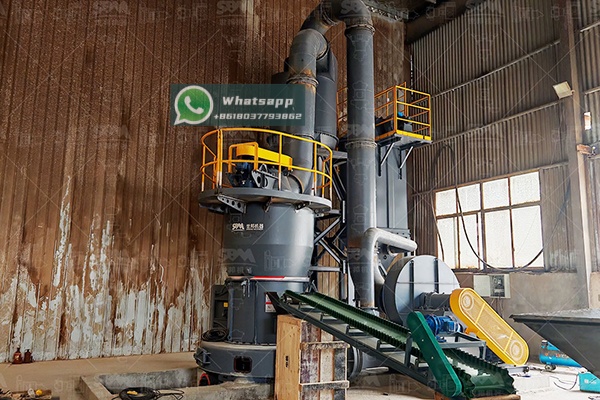
Dolomite is a valuable soil amendment for acidic Canadian soils, and 800 mesh powder offers faster reactivity, better blending, and efficient calcium and magnesium delivery. To produce it consistently and economically, growers and processors need the right grinding technology. Shanghai Zenith Machinery offers the XZM Ultrafine Grinding Mill and LUM Ultrafine Vertical Mill, both capable of meeting 800 mesh requirements. With the right process design, dust control, and quality control, Canadian producers can supply high-performance dolomite for soil improvement, horticulture, turf, and fertilizer markets. For projects requiring precise fineness and reliable capacity, Zenith’s ultrafine grinding solutions are a strong choice.