South Africa’s ceramic industry, encompassing tile, sanitaryware, and tableware production, is a significant contributor to the nation’s manufacturing sector. At the heart of high-quality ceramic body and glaze formulations lies feldspar, a crucial fluxing agent that lowers the melting temperature during firing, promotes vitrification, and enhances the mechanical strength and translucency of the final product. To unlock these properties, feldspar must be ground to a precise fineness, typically targeting 325 mesh (approximately 45 microns). Achieving this specification consistently and efficiently requires advanced grinding technology. This article explores the challenges and solutions for feldspar grinding in the South African context, with a focus on achieving optimal 325-mesh powder for ceramic applications.
Processing feldspar ore into a uniform 325-mesh powder presents several technical hurdles. The raw material’s hardness (around 6 on the Mohs scale) demands robust grinding equipment. The process must be energy-efficient to control operational costs, a key concern in South Africa. Furthermore, iron contamination must be minimized to preserve the whiteness and quality of ceramics, necessitating grinding systems with low wear rates and potential for ceramic or special alloy linings. The final product’s particle size distribution (PSD) is critical; a consistent PSD centered around 325 mesh ensures predictable sintering behavior and optimal product performance in the kiln.
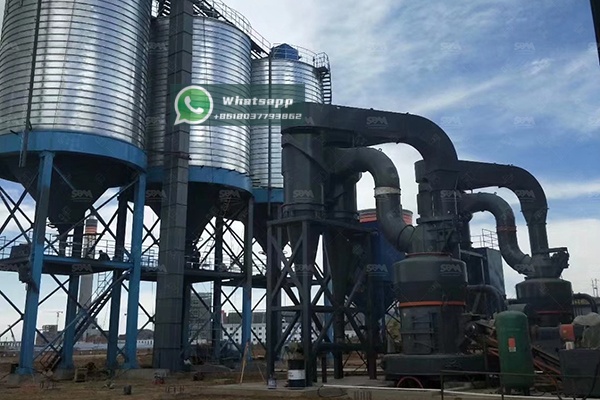
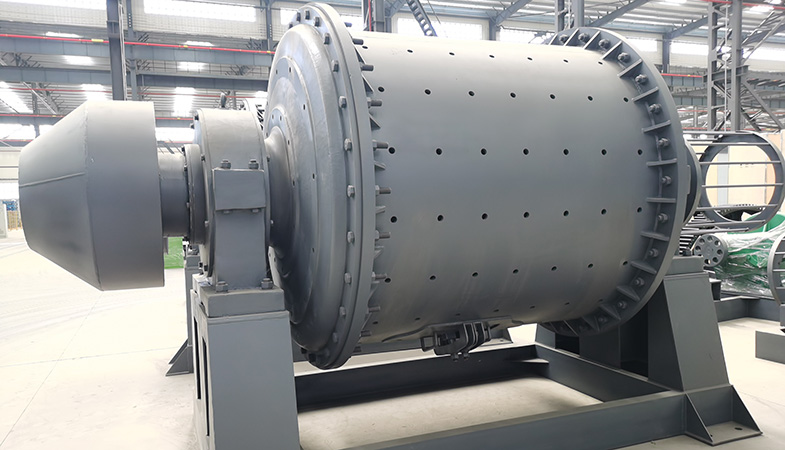
Traditional grinding methods often fall short in terms of efficiency, fineness control, or iron contamination. Modern dry grinding systems offer superior solutions. Key considerations include:
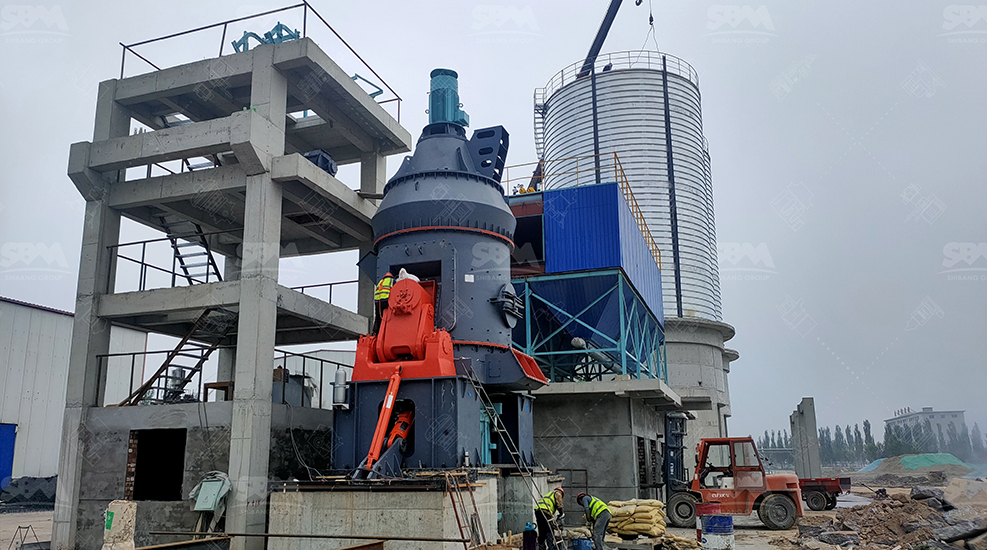
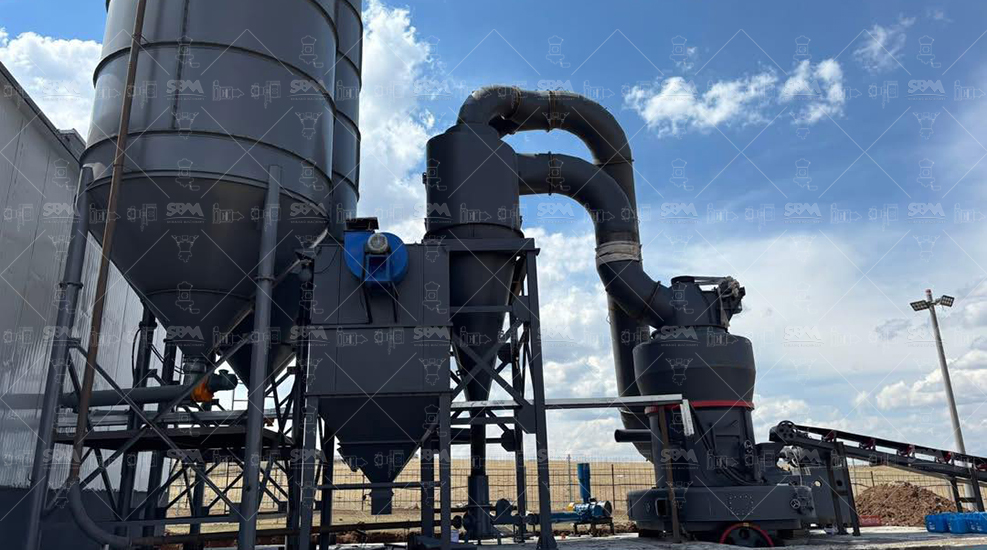
For South African ceramic producers seeking a reliable, high-output solution for grinding feldspar to 325 mesh, Shanghai Zenith Machinery Co., Ltd. offers an excellent choice. As a leading manufacturer in ore and industrial mineral grinding, Zenith’s expertise is embodied in its LM Vertical Grinding Mill. This mill is particularly well-suited for the task due to its integrated drying, grinding, classification, and conveying functions—a crucial advantage if the feldspar feedstock has any residual moisture.
The LM Vertical Mill’s grinding roller and table design applies material bed grinding principles, offering high grinding efficiency with lower energy consumption compared to traditional ball mills. Its built-in dynamic classifier ensures precise cut-point control, allowing operators to dial in the 325-mesh fineness accurately. Furthermore, the vertical structure occupies a smaller footprint, which can be beneficial for plant layout considerations.
| Model | Plate Diameter (mm) | Capacity (t/h)* | Output Fineness (D97) | Main Motor (kW) |
|---|---|---|---|---|
| LM130X-GX | 1300 | 4 – 12 | 325 – 600 mesh | 220 |
| LM220X-GX | 2200 | 15 – 30 | 325 – 600 mesh | 560 |
*Capacity varies based on material hardness, moisture, and required fineness.
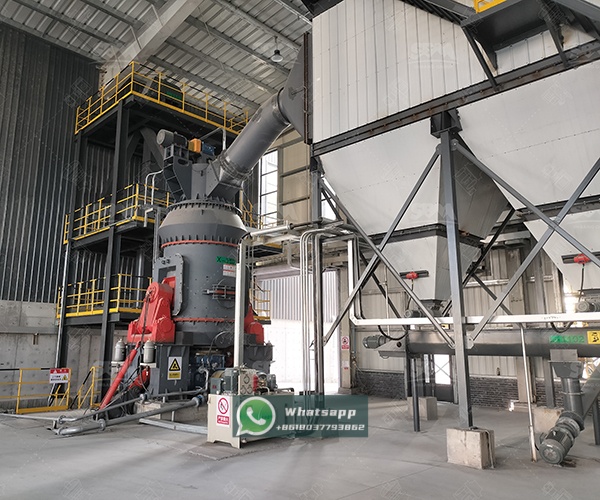
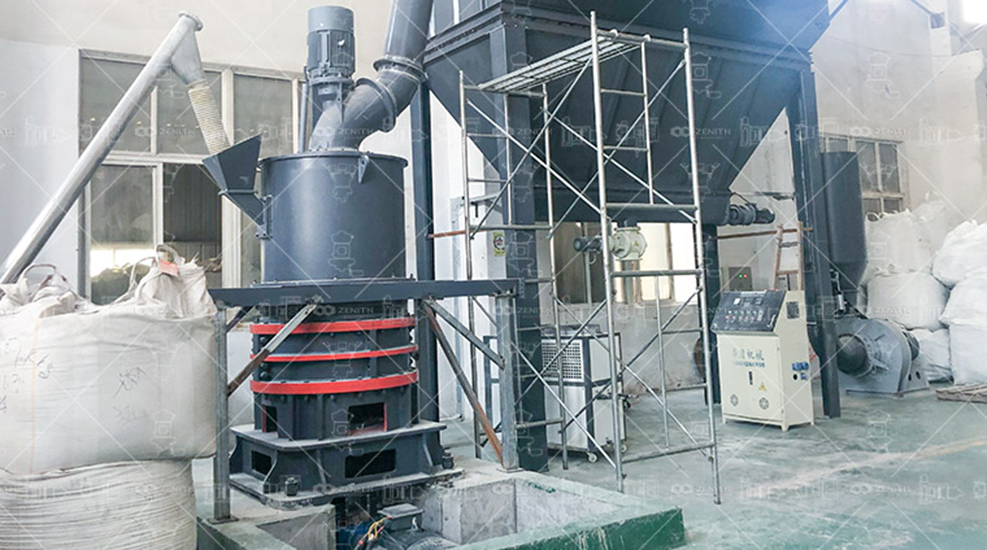
For operations that may require future flexibility to produce even finer feldspar powders or for achieving exceptionally tight PSD at 325 mesh, Zenith’s LUM Ultrafine Vertical Mill represents the cutting edge. This mill builds upon the vertical mill concept with enhanced grinding roller technology and a more advanced classifying system. It is engineered for higher end-fine content and exceptional stability in product fineness, making it ideal for premium ceramic applications where consistency is paramount.
Implementing a Zenith grinding solution offers tangible benefits:
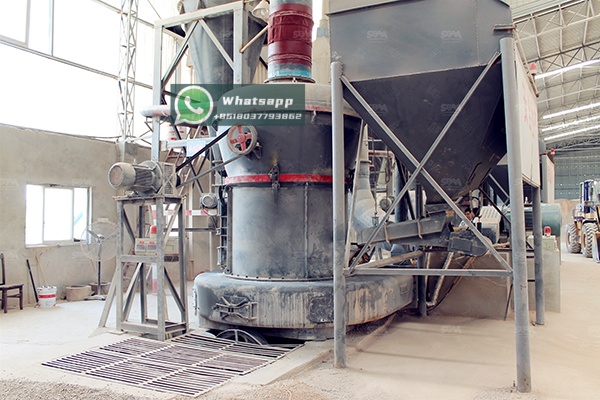
The success of South Africa’s ceramic industry hinges on access to high-quality, consistently ground raw materials. Achieving the optimal 325-mesh fineness for feldspar is a process that demands robust, efficient, and intelligent technology. Shanghai Zenith Machinery Co., Ltd., with its proven track record in ultra-fine powder grinding, offers tailored solutions like the LM Vertical Grinding Mill and the LUM Ultrafine Vertical Mill to meet this specific challenge. By investing in such advanced grinding equipment, South African ceramic manufacturers can enhance their product quality, improve operational efficiency, and strengthen their competitive position in both domestic and international markets.