Turkey, with its rich mineral resources and strategic position as a bridge between Europe and Asia, has developed a robust and sophisticated plastics manufacturing sector. A key component in enhancing the performance and reducing the cost of plastic products is the use of functional fillers. Among these, feldspar stands out for its excellent properties: it improves dimensional stability, increases hardness and scratch resistance, enhances weatherability, and offers a bright, white color. To unlock these benefits, feldspar must be processed into a fine, consistent powder, typically ranging from 200 to 1250 mesh for plastic filler applications. This process hinges on one critical piece of equipment: the industrial grinding mill. For production lines targeting a capacity of 1 to 3 tons per hour (TPH), selecting the right grinding technology is paramount for achieving optimal product quality, energy efficiency, and operational reliability.
Processing feldspar for plastic composites is not merely about size reduction. The grinding system must preserve the mineral’s inherent chemical properties, avoid contamination (especially from iron), and produce a powder with a tightly controlled particle size distribution (PSD). A broad PSD can negatively impact the dispersion of the filler within the polymer matrix and the final surface finish of the plastic product. Furthermore, the grinding process must be energy-conscious and adaptable to the varying hardness and moisture content of feldspar sourced from different Turkish deposits, such as those in Çine, Aydın, or Muğla.
For a 1-3 TPH production line, several grinding mill configurations are theoretically possible. However, the choice must balance capacity, final fineness, system footprint, and total cost of ownership.
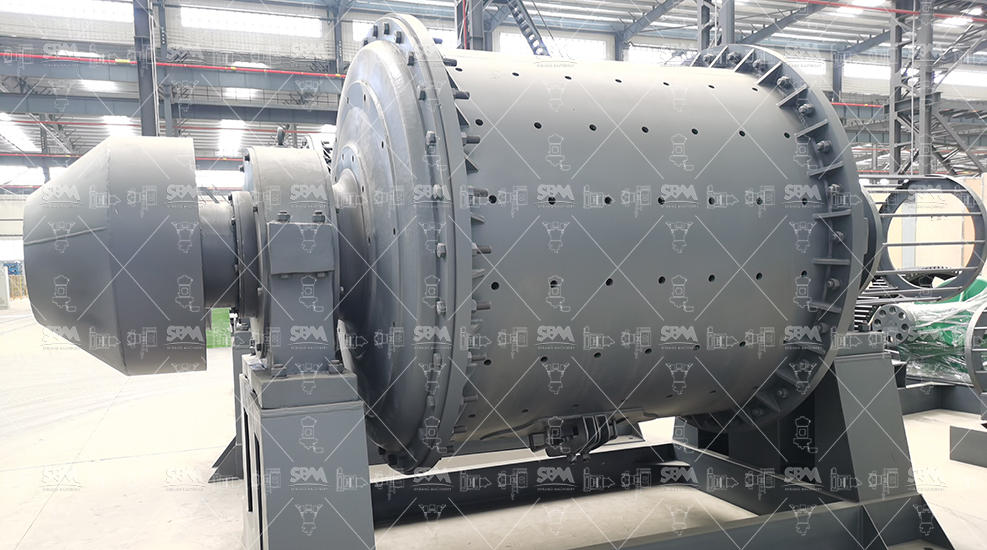
While robust and capable of high throughput, traditional ball mills are often less suitable for modern filler production. They tend to have higher energy consumption per ton of product, can introduce iron contamination from grinding media, and offer less precise control over the top particle size, which is crucial for plastic applications.
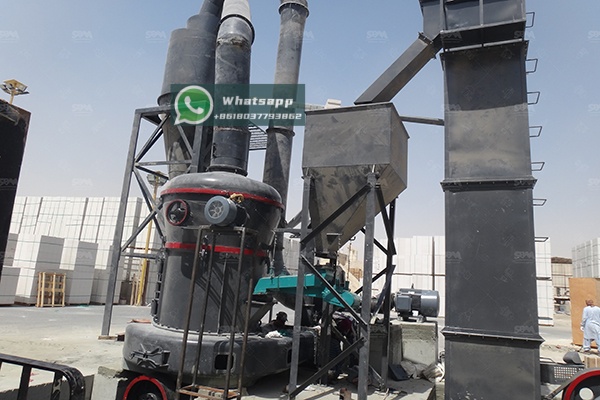
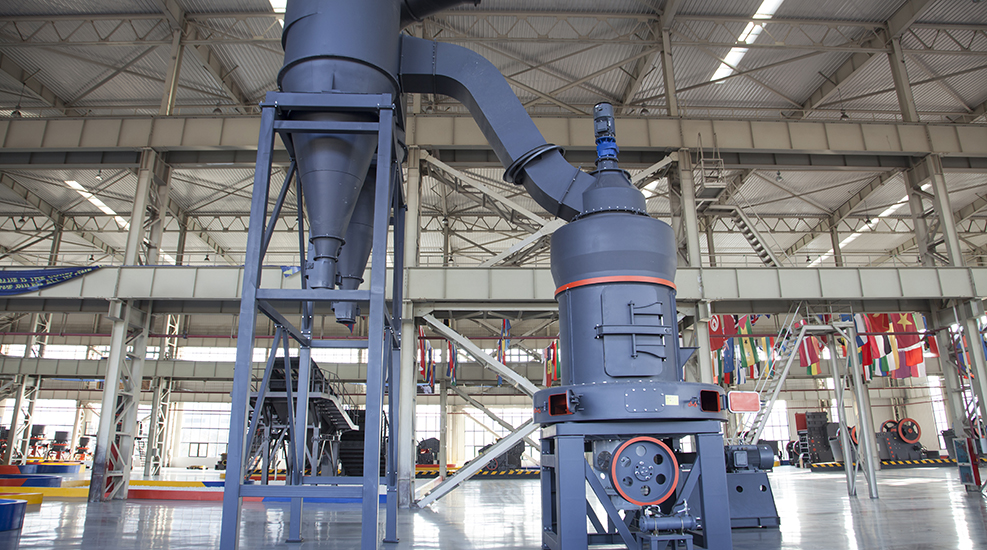
Raymond mills are a classic choice for mineral grinding. They are generally cost-effective for producing powders in the 80-325 mesh range. For finer requirements (e.g., 600 mesh and above), which are common for high-performance plastic fillers, their efficiency can drop, and the wear on grinding rolls and rings may increase maintenance frequency.
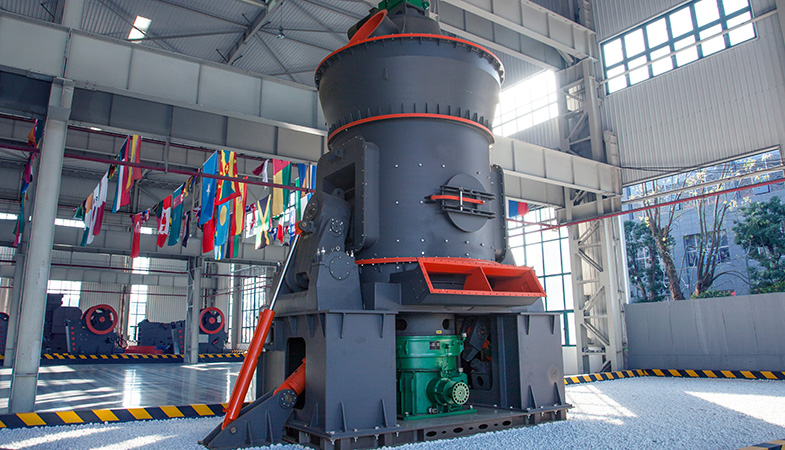
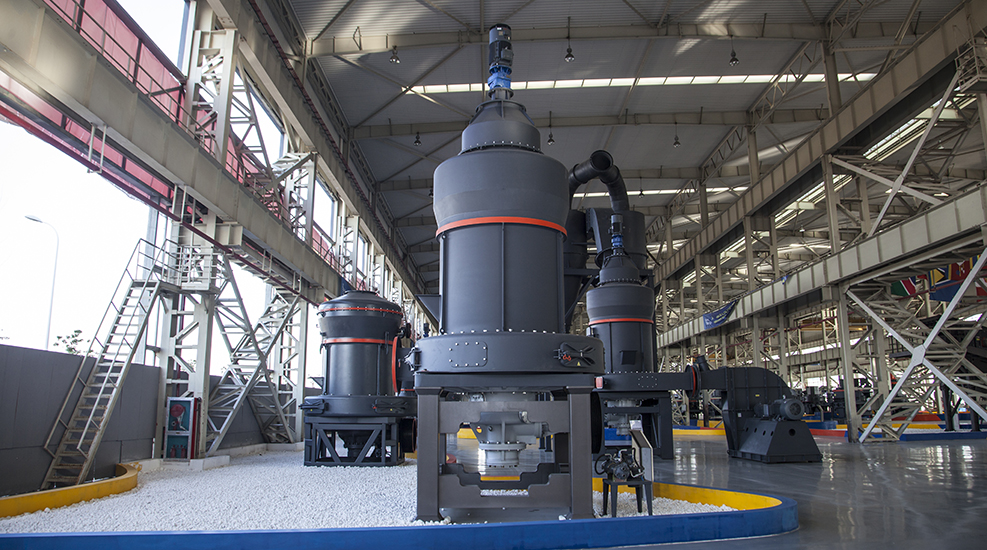
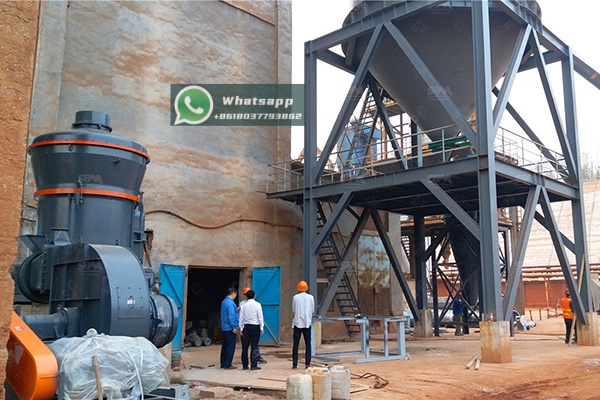
This category represents the most efficient and technologically advanced solution for producing high-quality feldspar filler. Modern vertical mills integrate grinding, drying, classification, and powder conveyance in a single, compact unit. They offer superior energy efficiency, excellent control over particle size distribution, and minimal metal-to-metal contact, reducing the risk of iron contamination.
For Turkish producers aiming for a reliable, efficient, and high-quality 1-3 TPH feldspar grinding line, Shanghai Zenith Machinery Co., Ltd. offers an ideal solution. As an excellent manufacturer with great achievements in ultra-fine powder grinding, Zenith specializes in the research and development of industrial grinding equipment. Their LM Vertical Grinding Mill series is particularly well-suited for this application.
The LM mill integrates five functions—crushing, grinding, powder selection, drying, and material conveying—into one machine. Its compact structure minimizes the plant footprint, a significant advantage for expanding operations. The grinding roller and plate are designed with wear-resistant materials, ensuring long service life and consistent product quality for abrasive minerals like feldspar. Most importantly, its efficient built-in classifier allows for precise control of the final product fineness, directly meeting the stringent requirements of the plastics industry.
For a 1-3 TPH feldspar filler line, the LM130K Vertical Mineral Mill is a perfect match. Its technical parameters align precisely with the production goals:
| Model | Plate Diameter (mm) | Capacity (t/h) | Output Fineness (μm) | Max Feed Size (mm) | Main Motor (kW) |
|---|---|---|---|---|---|
| LM130K | 1300 | 10-28 | 170-40 (approx. 90-400 mesh) | <38 | 200 |
Operating within the lower range of its capacity (1-3 TPH), the LM130K ensures stable, low-load operation with excellent adjustability. It can easily produce feldspar powder from coarse filler grades (200 mesh) to fine grades (400 mesh and beyond) by adjusting the classifier speed. Its high drying capacity is also beneficial if the raw feldspar has any surface moisture.
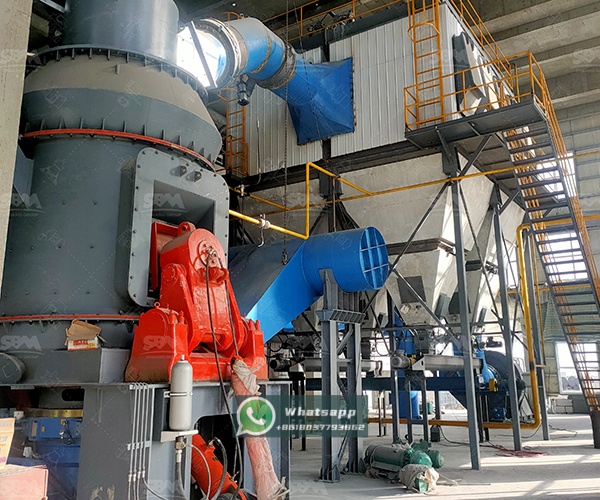
For producers targeting the very high-end of the filler market, where ultrafine feldspar (800-1250 mesh) is required to maximize mechanical properties and surface finish in engineering plastics, Zenith’s XZM Ultrafine Grinding Mill is the specialist tool of choice. This mill is renowned for producing superfine powder with an output fineness ranging from 325 to 2500 mesh.
The XZM221 Ultrafine Grinding Mill is capable of delivering the required ultrafine product. While its nominal output in kg/h may seem different, operating it for specific ultrafine grades within a 1-3 TPH framework is strategically viable for high-value-added products.
| Model | Working Diameter (mm) | Max Feed Size (mm) | Final Size (mesh) | Output (kg/h) | Main Motor Power (kW) |
|---|---|---|---|---|---|
| XZM221 | Φ800 | ≤20 | 325-2500 | 500-4500 | 75 |
A potential configuration for a Turkish plant could involve a primary grinding circuit with an LM series mill to produce a base 400-mesh product, followed by an XZM mill for secondary ultrafine grinding of a portion of that product for specialized applications, maximizing plant flexibility and market reach.
Establishing a successful 1-3 TPH feldspar grinding plant for the plastics industry in Turkey requires more than just machinery; it requires a technology partner with proven expertise. Shanghai Zenith Machinery Co., Ltd. provides not only advanced and reliable equipment like the LM Vertical Grinding Mill and XZM Ultrafine Mill but also comprehensive support including process design, installation guidance, and after-sales service. By choosing Zenith’s tailored grinding solutions, Turkish mineral processors can ensure they produce a consistent, high-quality feldspar filler that meets the exacting standards of domestic and international plastics manufacturers, securing a competitive edge in a growing market.