Ivory Coast, a dynamic economic hub in West Africa, has witnessed rapid urbanization and infrastructure development over the past decade. This growth has fueled an increasing demand for building materials, particularly ceramic tiles. Local tile manufacturers are striving to produce high-quality products that meet international standards while controlling costs. A critical raw material in ceramic tile production is feldspar, a group of rock-forming minerals that acts as a flux, reducing the melting temperature and enhancing the mechanical strength and gloss of the final product. To achieve the desired properties, feldspar must be ground to a specific fineness—most commonly 800 mesh (approximately 16 microns) for premium tile bodies and glazes. This article explores the optimal grinding solutions for processing feldspar to 800 mesh, with a focus on the advanced equipment offered by Shanghai Zenith Machinery Co., Ltd., a leading Chinese manufacturer of ore grinding machinery.
Selecting the right grinding mill is crucial for tile producers in Ivory Coast. Factors such as energy efficiency, throughput capacity, maintenance costs, and product consistency directly impact the profitability and quality of tile manufacturing. Traditional mills like the old Raymond mills often struggle to achieve ultra-fine fineness below 400 mesh, leading to inconsistent quality and high energy consumption. Modern ultra-fine grinding technology has revolutionized this field, enabling reliable production of powders with particle sizes down to 5 microns. Shanghai Zenith Machinery has been at the forefront of this innovation, offering a range of mills specifically designed for ultra-fine applications. Among them, the XZM Ultrafine Grinding Mill and the LUM Ultrafine Vertical Mill stand out as ideal choices for achieving 800 mesh feldspar powder.
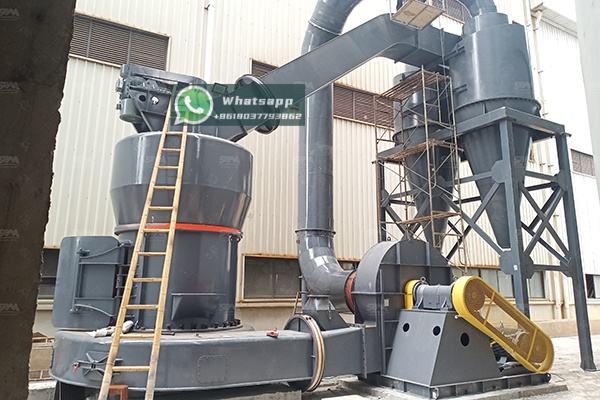
Feldspar serves multiple functions in ceramic tile manufacturing. In the body formulation, it acts as a fluxing agent, lowering the vitrification temperature and improving densification. In glazes, feldspar provides alumina and silica, contributing to hardness, gloss, and chemical resistance. The particle size distribution of feldspar directly influences these properties. For tile bodies, 800 mesh (D97 = 16 μm) ensures uniform melting during firing, reduces micro-cracks, and enhances the tile’s mechanical strength. For glazes, this fineness guarantees smooth application, better color development, and a defect-free surface. Coarser particles can lead to pinholes, roughness, and uneven melting, while excessively fine particles may cause over-vitrification and warping. Therefore, achieving consistent 800 mesh with narrow particle size distribution is a key technical requirement for first-grade tile manufacturers.
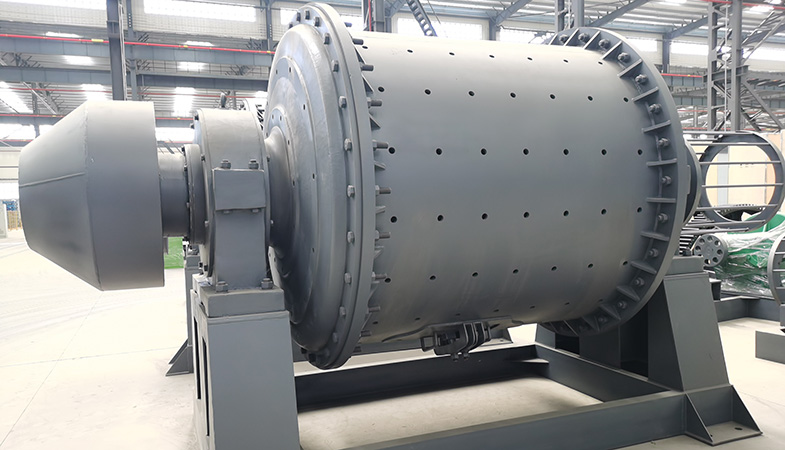
Ivory Coast’s tile industry often relies on imported feldspar from countries like India, Turkey, or locally sourced pegmatites. Regardless of the source, the grinding process must be optimized to handle variations in feed size (typically <20 mm) and moisture content (below 6%). The choice of grinding mill must also consider the abrasive nature of feldspar (Mohs hardness around 6–6.5) and the need for wear-resistant components. Traditional ball mills can achieve 800 mesh, but they are energy-intensive, occupy large floor space, and require frequent replacement of grinding media. This is where advanced vertical roller mills and ultra-fine pendulum mills offer significant advantages.
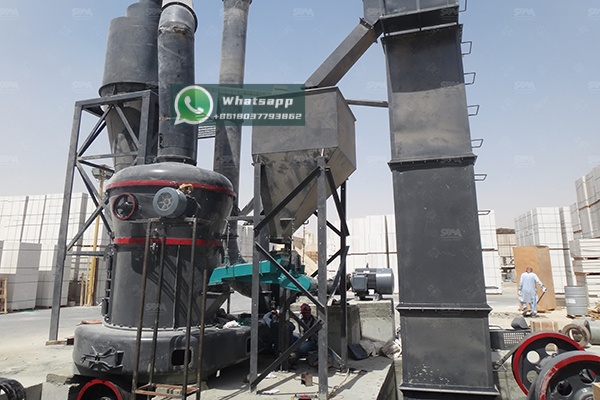
With over 30 years of experience in the powder grinding industry, Shanghai Zenith Machinery Co., Ltd. has established itself as a premier manufacturer of industrial mills. The company’s research and development efforts have yielded multiple patented technologies that address the challenges of ultra-fine grinding: high energy consumption, low throughput, and excessive wear. Zenith’s product lineup includes the MTW Trapezium Mill, MTM Medium-Speed Mill, LM Vertical Mill, LUM Ultrafine Vertical Mill, XZM Ultrafine Grinding Mill, and more. For the specific requirement of feldspar grinding to 800 mesh, the XZM Ultrafine Grinding Mill and the LUM Ultrafine Vertical Mill are the most suitable choices. Both machines are capable of producing powders with a fineness range of 325–2500 mesh (5–44 μm), fully covering the 800 mesh target.
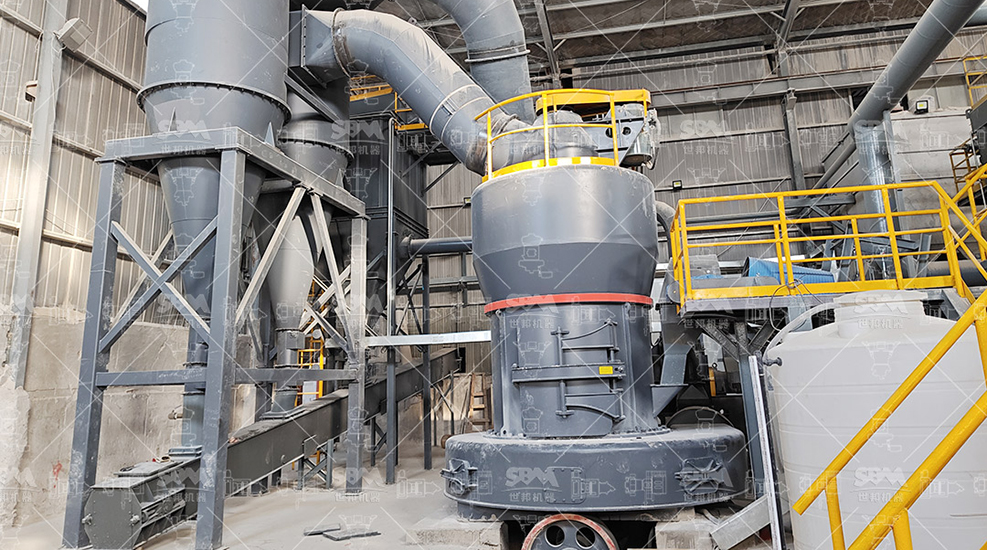
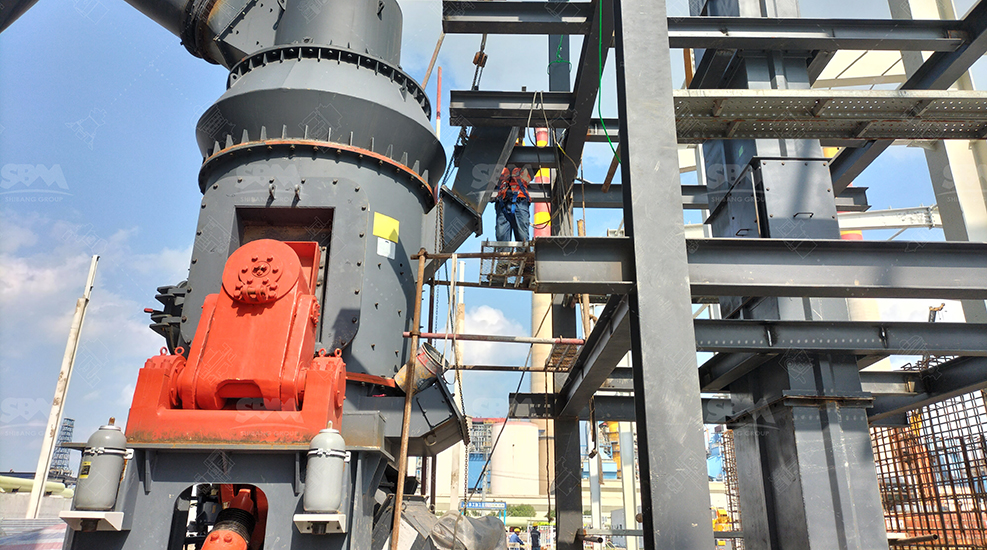
The XZM series is a classic ultra-fine pendulum mill that uses a grinding ring and roller to pulverize material. It features a high-speed classifier that ensures precise particle size control. The LUM series, on the other hand, is a vertical roller mill with an integrated dynamic classifier, offering higher capacity and lower energy consumption per ton of product. Both mills are designed for continuous operation, low noise, and minimal environmental impact—an important consideration for tile plants looking to comply with local environmental regulations. Below, we present two recommended models that are well-suited for tile production lines in Ivory Coast.
| Model | Working Diameter (mm) | Max Feed Size (mm) | Final Size Range (mesh) | Capacity (t/h) | Main Motor Power (kW) | Application Note |
|---|---|---|---|---|---|---|
| XZM268 Ultrafine Grinding Mill | Φ1680 | ≤20 | 325–2500 (5–44 μm) | 5–25 | 315 | Ideal for mid-to-large tile plants; stable 800 mesh output. |
| LUM1632 Ultrafine Vertical Mill | Working plate Ø1632 | ≤20 | 5–30 μm (approx. 600–2500 mesh) | 2.0–13.5 | 280–315 | Best energy efficiency; compact footprint; suitable for smaller lines. |
The XZM268 Ultrafine Grinding Mill is a workhorse for high-capacity feldspar grinding. With a maximum feed size of 20 mm, it can directly accept crushed feldspar from a jaw crusher or impact crusher. The grinding chamber utilizes multi-stage classification to ensure that 90% of the final product passes through an 800 mesh sieve. Its capacity of 5–25 tons per hour makes it ideal for a tile plant producing 50,000–100,000 square meters per month. The mill’s wear parts are made of high-alloy steel, extending service life even with abrasive feldspar. Moreover, the entire system is under negative pressure, preventing dust leakage and ensuring a clean working environment.
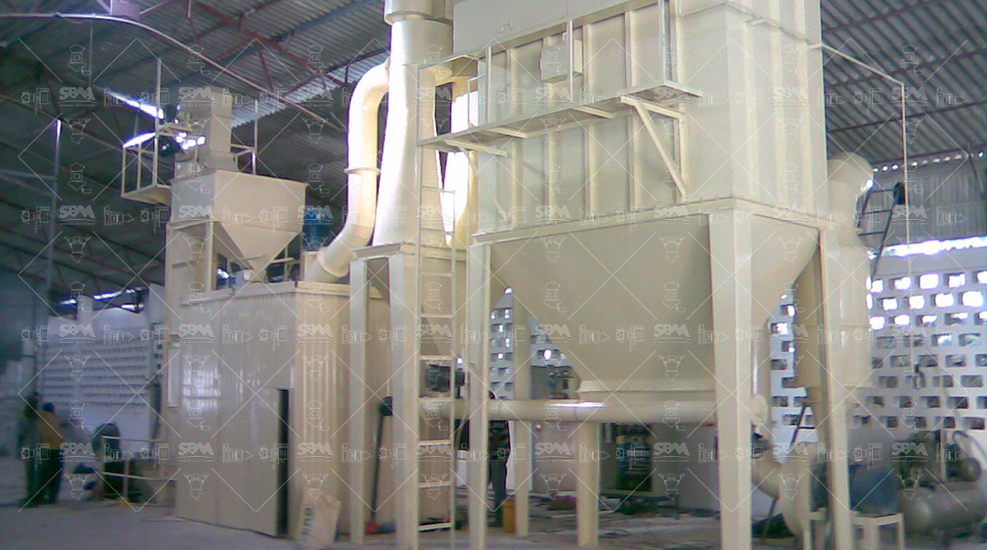
The LUM1632 Ultrafine Vertical Mill, on the other hand, offers exceptional energy savings—typically 30–50% less power consumption than a ball mill of equivalent capacity. Its vertical design reduces floor space by up to 50%, which is a critical advantage for plants with limited area. The LUM mill incorporates a hydraulic pressure system for grinding roller adjustment, allowing fine-tuning of the product fineness without stopping the machine. For 800 mesh feldspar, the LUM1632 can produce a consistent D97 of 16–18 μm with narrow particle size distribution, improving tile quality and reducing the need for post-milling blending. Both mills are compatible with auxiliary equipment such as dust collectors, bucket elevators, and silos, forming a complete grinding station.
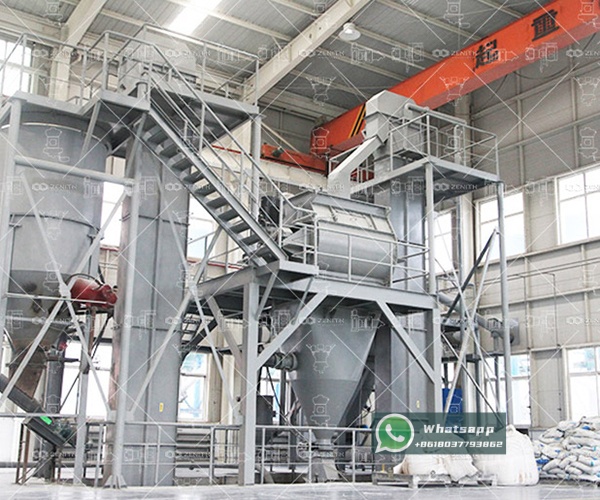
When investing in a grinding mill for feldspar, tile producers in Ivory Coast must evaluate total cost of ownership. This includes not only the initial capital cost but also electricity consumption, maintenance frequency, spare parts availability, and installation logistics. Zenith Machinery offers comprehensive after-sales support, including on-site commissioning, training for local operators, and a warehouse of common spare parts in West Africa. The company also provides customized solutions based on the feedstock characteristics (e.g., hardness, moisture) and the desired production rate. For example, if the feldspar contains a higher clay content, a pre-drying system can be integrated with the mill.
Another key factor is the local electricity supply, which can be unstable in some regions of Ivory Coast. Both the XZM and LUM mills are designed with energy-efficient motors and can be equipped with variable frequency drives (VFDs) to handle voltage fluctuations. Additionally, the LUM mill’s low starting current reduces stress on the electrical grid, making it a preferred choice for factories with limited power infrastructure. For smaller tile workshops, the XZM221 (capacity 0.5–4.5 t/h) is also a viable option, though its capacity may be lower than required for large-scale production. The table above focuses on mid-to-large scale solutions that align with Ivory Coast’s growing industrial capacity.
As Ivory Coast’s construction sector continues to expand, the demand for high-quality ceramic tiles will only increase. To remain competitive, local manufacturers must adopt advanced processing technologies that ensure consistent raw material quality. Feldspar ground to 800 mesh is a non-negotiable ingredient for premium tiles, and the choice of grinding mill directly influences production efficiency and product excellence. Shanghai Zenith Machinery’s XZM268 Ultrafine Grinding Mill and LUM1632 Ultrafine Vertical Mill represent state-of-the-art solutions that combine high capacity, energy efficiency, and precise particle size control. By partnering with a trusted manufacturer like Zenith, tile plants in Ivory Coast can achieve reliable 800 mesh feldspar output, reduce operating costs, and deliver tiles that meet global standards.
Whether you are planning a new grinding line or upgrading an existing one, our team of engineers can provide a tailored recommendation based on your specific requirements. Contact Shanghai Zenith Machinery to discuss your feldspar grinding project and receive a detailed proposal including layout drawings, power consumption estimates, and after-sales service plans. The journey towards superior tile production begins with the right grinding mill.