Iraq’s ceramic industry is expanding across sanitaryware, wall and floor tiles, tableware, refractories, and frit production. As local manufacturers seek to reduce imported raw material costs and improve supply security, granite has become an increasingly attractive source of feldspar, quartz, and mica for ceramic formulations. Granite is hard, abrasive, and mineralogically variable, so it must be ground to a controlled fineness before it can be used efficiently in ceramic bodies and glazes. A common target is 200 mesh, which equals approximately 74 microns. This fineness is fine enough to promote uniform mixing, vitrification, and glaze suspension, yet coarse enough to avoid excessive grinding energy and dewatering problems. For Iraqi ceramic producers, selecting the right granite grinding mill for ceramic materials in Iraq 200 mesh is therefore a critical investment decision. The mill must deliver stable particle size distribution, resist abrasive wear, control dust, and operate reliably in a hot and dusty environment.
Particle size strongly influences ceramic processing. In a ceramic body, coarse granite particles can cause incomplete sintering, pinholes, rough surfaces, and inconsistent shrinkage. In glazes, insufficiently ground granite may settle quickly, melt unevenly, or create specking defects. When granite is ground to 200 mesh, its feldspathic and quartz components become more reactive during firing. The powder also blends more uniformly with clay, kaolin, alumina, and other ceramic raw materials. For Iraqi manufacturers, local grinding to 200 mesh reduces dependence on imported pre-milled powders and lowers logistics costs. It also allows tighter control of batch composition, especially when granite is used as a flux or filler. However, granite typically has a Mohs hardness of 6 to 7 and contains abrasive silica. The grinding system must therefore use wear-resistant grinding elements, an efficient air classifier, and a reliable dust collection system. Without these features, capacity may drop quickly, maintenance costs may rise, and product fineness may become unstable.
Iraq’s operating environment adds practical challenges. High ambient temperatures, dust, and long production hours require equipment with stable thermal behavior and reliable lubrication. Granite feed can vary in moisture, hardness, and mineralogy depending on the quarry. If the material is too wet, grinding efficiency drops and material may stick inside the mill. If the feed is too coarse, capacity decreases and wear accelerates. The target of 200 mesh also demands accurate classification. A simple screen cannot handle large tonnages, so air classifiers and closed-circuit grinding are preferred. Dust collection is essential for worker safety and environmental compliance. Finally, iron contamination must be controlled because iron particles can darken white ceramic bodies and glazes. Therefore, the ideal grinding system should combine wear-resistant grinding elements, adjustable fineness, efficient dust collection, and optional magnetic separation. It should also be easy to maintain, because spare parts availability and preventive maintenance are key to profitability in Iraq’s growing ceramic sector.
Shanghai Zenith Machinery Co., Ltd. is an excellent manufacturer of ore grinding equipment in China, and has made great achievements in the field of ultra-fine powder grinding. The company specializes in the research, development, and production of industrial powder grinding equipment and related devices. Its main products include MTW Trapezium Grinding Mill, Ball Mill, MTM Medium-Speed Grinding Mill, Raymond Mill, LM Vertical Grinding Mill, LUM Ultrafine Vertical Mill, XZM Ultrafine Grinding Mill, and Hammer Mill. For granite grinding to 200 mesh for ceramic materials in Iraq, two products are particularly suitable: the MTW Trapezium Grinding Mill and the LM Vertical Grinding Mill.
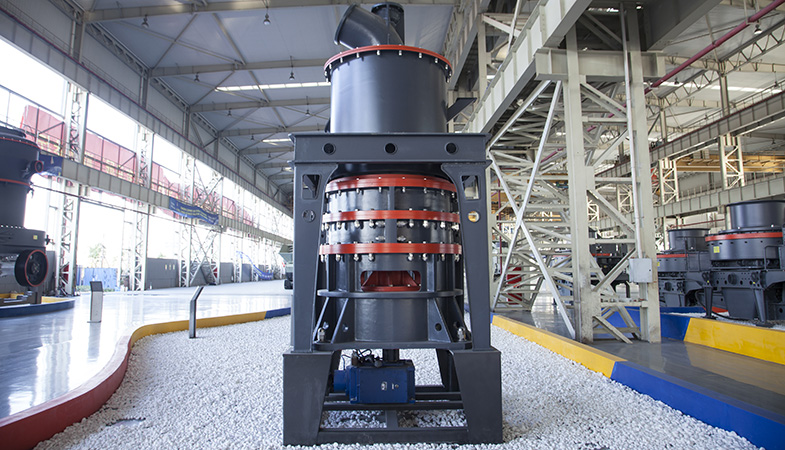
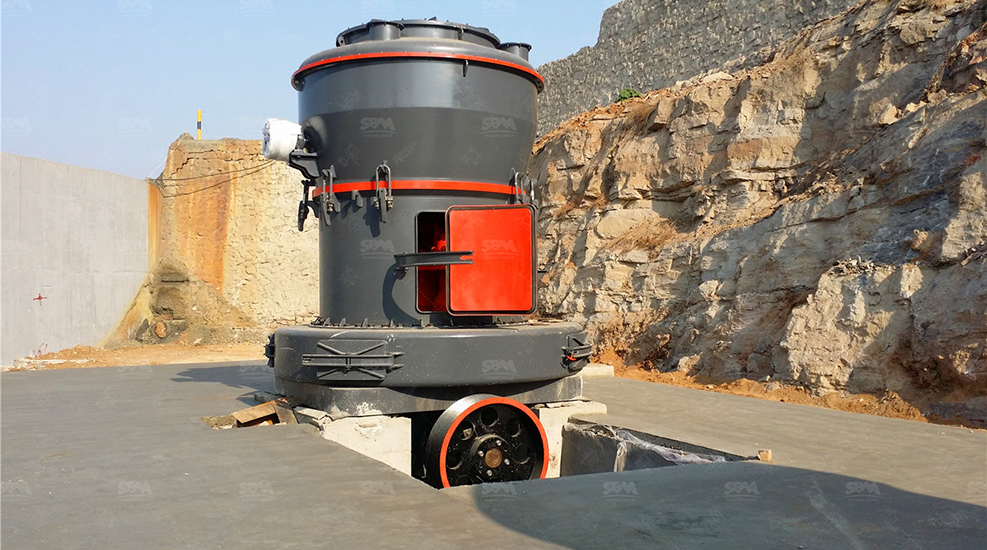
The MTW Trapezium Grinding Mill is a grinding mill with multiple patents, known for its compact structure, long service life, and eco-friendly design. It is suitable for processing materials with a maximum input size of 50 mm and can produce a final product as fine as 0.038 mm. Since 200 mesh equals approximately 0.074 mm, the MTW mill can easily be adjusted to produce 200 mesh granite powder for ceramic applications. It uses a bevel gear overall drive, internal thin oil lubrication, an arc-shaped air duct, and a high-density classifier. These features improve grinding efficiency, reduce air resistance, and ensure stable fineness. The mill can be equipped with a pulse dust collector to meet strict dust emission standards. For Iraqi ceramic plants with small to medium capacity, the MTW110, MTW138Z, and MTW175G are practical choices. They can grind granite, feldspar, quartz, and other ceramic raw materials with reliable performance.
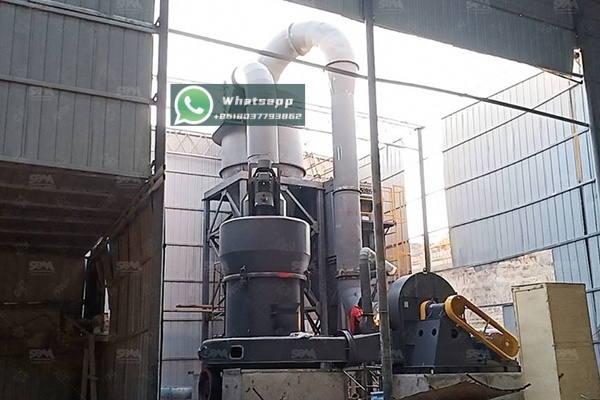
Table: MTW Trapezium Grinding Mill Technical Parameters
| Model | Max. Feed Size (mm) | Final size (mm) | Capacity (t/h) | Main motor (kW) | Fan motor (kW) |
|---|---|---|---|---|---|
| MTW110 | <30 | 1.6-0.045 | 3-9 | 55 | 55 |
| MTW110Z | <30 | 1.6-0.045 | 3-10 | 55 | 55 |
| MTW138Z | <35 | 1.6-0.045 | 6-17 | 90 | 110 |
| MTW175G | <40 | 1.6-0.045 | 9.5-25 | 160 | 200 |
| MTW215G | <50 | 1.6-0.045 | 15-45 | 280 | 315 |
The MTW series offers capacities from 3 t/h to 45 t/h, depending on the model. For example, MTW138Z can process 6-17 t/h with a max feed size of less than 35 mm, while MTW175G can reach 9.5-25 t/h. The final size range of 1.6-0.045 mm allows operators to target 200 mesh and adjust to finer or coarser ceramic formulations. If a plant needs a compact, flexible, and energy-efficient solution for 200 mesh granite powder, the MTW Trapezium Grinding Mill is an excellent first recommendation.
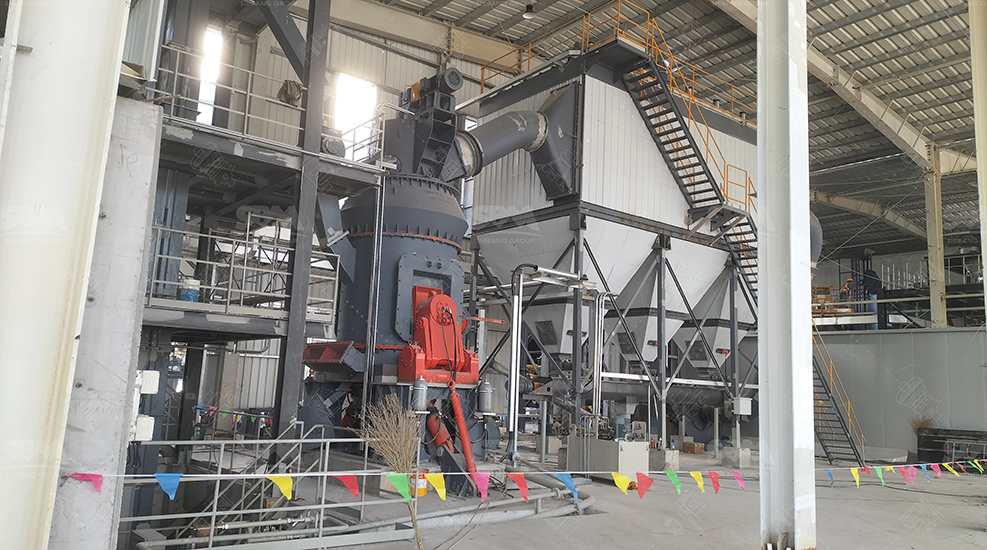
For larger Iraqi ceramic factories, the LM Vertical Grinding Mill is an ideal high-capacity option. It integrates five functions—crushing, grinding, powder selection, drying, and material conveying—into a single machine. This integration reduces the number of auxiliary equipment, saves floor space, and lowers overall energy consumption. The LM Vertical Mineral Mill Series can produce output fineness from 170 μm to 40 μm, which covers 200 mesh, about 74 μm. Capacities range from 10 t/h to 170 t/h, making it suitable for continuous production of ceramic raw materials. Because granite may contain moisture, the LM mill’s drying function is valuable, especially in humid seasons or when quarry material is washed. The vertical design also provides stable operation, low noise, and low dust emission. Models such as LM130K, LM190K, and LM280K are recommended for granite grinding projects in Iraq.
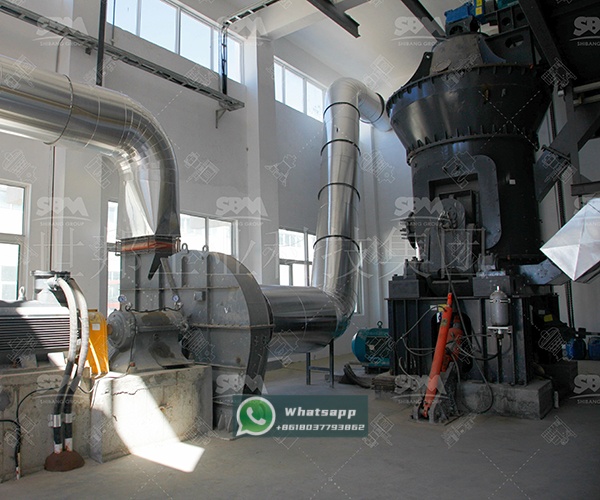
Table: LM Vertical Mineral Mill Series Technical Parameters
| Model | Plate diameter (mm) | Capacity (t/h) | Output fineness (μm) | Max feed size (mm) | Main motor (kW) |
|---|---|---|---|---|---|
| LM130K | 1300 | 10-28 | 170-40 | <38 | 200 |
| LM190K | 1900 | 23-68 | 170-40 | <45 | 500 |
| LM280K | 2800 | 50-170 | 170-45 | <50 | 1250 |
The LM Vertical Grinding Mill is not simply a mill; it is a complete grinding system. Its grinding plate and rollers are designed for hard and abrasive materials, and the classifier can be adjusted to achieve the required 200 mesh product. For ceramic manufacturers that need high output, low operating cost, and a small footprint, the LM series is a strong recommendation.
Choosing between the MTW Trapezium Grinding Mill and the LM Vertical Grinding Mill depends on project scale, feed conditions, and investment plan. The MTW mill is more compact and flexible. It is easier to install in existing workshops and can be used for multiple ceramic raw materials. Its capacity is moderate, making it suitable for small and medium enterprises, pilot plants, and specialty ceramic production. The LM mill is designed for large-scale production. It has higher capacity, integrated drying, and lower specific energy consumption. It is ideal for a dedicated granite grinding line feeding a tile, sanitaryware, or frit plant. If the granite feed has high moisture or the plant requires continuous 24-hour operation, the LM mill is often the better choice. If the budget is limited and the required capacity is below 20 t/h, the MTW mill offers excellent value. In some projects, a two-stage solution can be used: an MTW mill for flexible 200 mesh production and an LM mill for bulk supply.
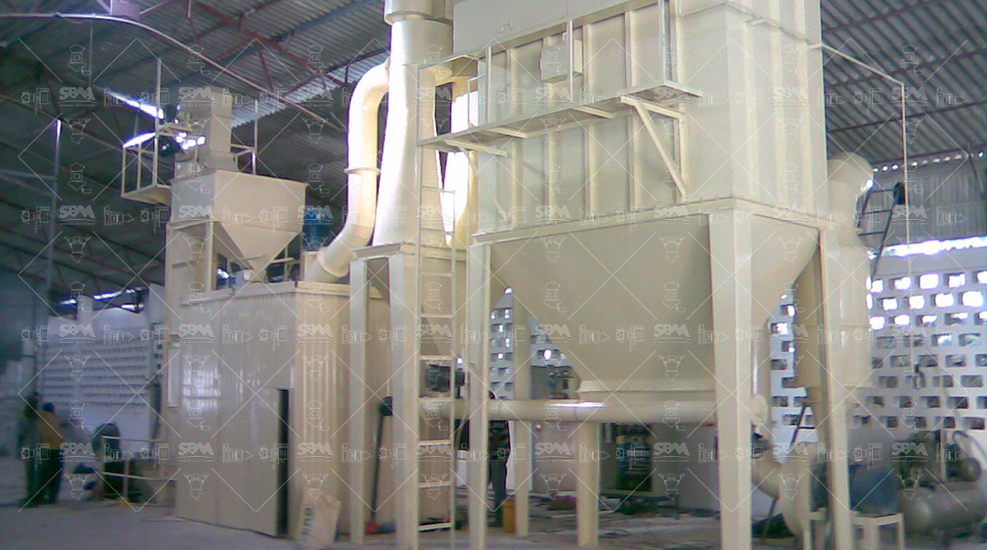
A typical granite grinding plant in Iraq includes crushing, grinding, classification, dust collection, and storage. First, run-of-quarry granite is crushed by a jaw crusher and then a cone crusher or impact crusher to less than 30-50 mm. If the MTW mill is used, the feed size should be controlled according to the model, generally below 30-50 mm. The crushed granite is fed into the grinding mill by an electromagnetic vibrating feeder or belt feeder. Inside the mill, the material is ground between rollers and a ring or between a grinding plate and rollers. An integrated or external classifier separates fine 200 mesh powder from coarse particles. Coarse particles return to the mill for further grinding. The finished powder is collected by a pulse dust collector and sent to a silo. A magnetic separator can be installed before storage to remove iron contamination. Finally, the powder is tested by sieve analysis or laser particle size analysis to confirm the 200 mesh specification.
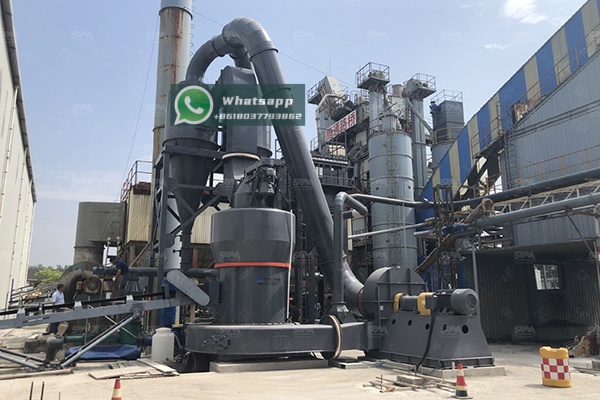
To achieve reliable 200 mesh granite grinding, operators should monitor feed size, feed moisture, and mill load. Excessive moisture can reduce capacity and cause blockages, so pre-drying or hot air may be needed. Wear parts such as rollers, rings, and liners should be inspected regularly because granite is abrasive. Using original wear-resistant parts from Shanghai Zenith helps maintain fineness and capacity. The classifier should be adjusted carefully; a finer setting increases fineness but reduces capacity. Dust collectors must be maintained to avoid pressure loss. In Iraq’s hot climate, ensure adequate lubrication, cooling, and ventilation for motors and gearboxes. Keep spare parts on site to minimize downtime. Regular training for operators and preventive maintenance schedules will improve overall equipment effectiveness.
Shanghai Zenith Machinery Co., Ltd. is a professional manufacturer of industrial grinding equipment. The company has extensive experience in ore grinding and ultra-fine powder processing. Its product portfolio covers MTW Trapezium Grinding Mill, Ball Mill, MTM Medium-Speed Grinding Mill, Raymond Mill, LM Vertical Grinding Mill, LUM Ultrafine Vertical Mill, XZM Ultrafine Grinding Mill, and Hammer Mill. For ceramic materials in Iraq, Zenith can provide customized solutions, including equipment selection, process design, installation guidance, commissioning, operator training, and after-sales service. The company’s global service network and technical support help Iraqi customers achieve stable 200 mesh granite powder production with lower operating costs. Whether the project requires a single MTW mill or a complete LM vertical grinding line, Shanghai Zenith can deliver a reliable solution.
Granite is a valuable raw material for the Iraqi ceramic industry, and grinding it to 200 mesh is a key step in producing high-quality ceramic bodies, glazes, and other products. The right grinding mill must handle granite’s hardness and abrasiveness while delivering consistent fineness, low contamination, and efficient dust control. Shanghai Zenith recommends the MTW Trapezium Grinding Mill for flexible small-to-medium 200 mesh production and the LM Vertical Grinding Mill for high-capacity, integrated ceramic raw material processing. With the technical parameters provided in this article, Iraqi ceramic producers can select a suitable granite grinding mill for their specific capacity, moisture, and investment requirements. By choosing Shanghai Zenith, customers gain not only advanced equipment but also long-term technical partnership and support.