Vietnam has emerged as a major hub for ceramic tile and sanitaryware production in Southeast Asia. The country’s abundant granite reserves, combined with a rapidly expanding construction sector, have driven the demand for high-quality granite powder as a key raw material in ceramic bodies, glazes, and frits. Granite, being a hard and abrasive igneous rock, requires specialized grinding equipment to achieve a consistent fineness of 80 mesh (approximately 0.177 mm) – a specification commonly used in ceramic formulations to ensure proper sintering, strength, and surface finish. However, grinding granite to 80 mesh efficiently and economically poses significant challenges: high wear rates, energy consumption, and the need for stable product quality. This article explores the technical requirements for granite grinding in ceramic applications and presents advanced solutions from Shanghai Zenith Machinery Co., Ltd., a leading Chinese manufacturer of ore grinding equipment with decades of experience in ultra-fine powder processing.
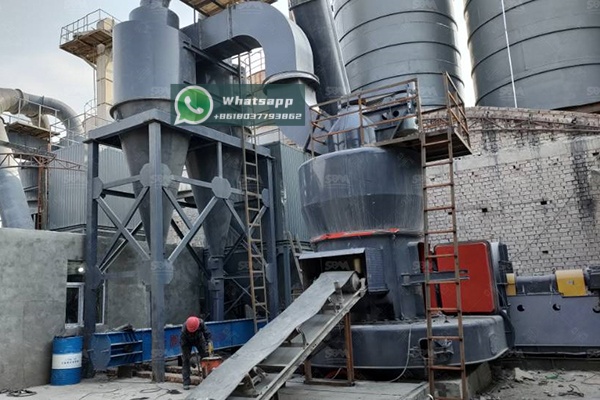
In ceramic manufacturing, the particle size distribution of raw materials directly impacts the forming, drying, and firing stages. Granite powder at 80 mesh (180-200 microns) is typically used as a filler or fluxing agent in ceramic bodies. At this fineness, the powder provides:
However, achieving 80 mesh from hard granite (Mohs hardness 6-7) requires grinding equipment that can withstand severe abrasion while maintaining high throughput. Traditional ball mills often suffer from high energy consumption and long processing times, while Raymond mills may struggle with moisture content above 6%. This is where modern, patent-protected grinding mills from Zenith offer a distinct advantage.
Granite’s mineral composition – mainly quartz, feldspar, and mica – presents three main obstacles:
To address these challenges, Zenith has developed a range of mills specifically engineered for hard rock processing, combining robust construction with intelligent control systems that ensure precise particle size distribution.
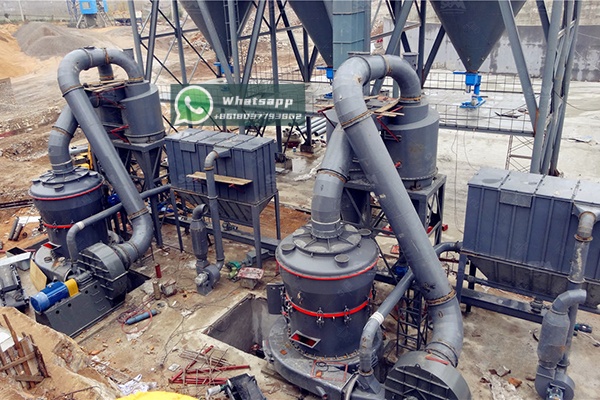
Based on the specific requirement of 80 mesh granite powder for ceramic use, two Zenith models stand out: the MTW Trapezium Grinding Mill and the LM Vertical Grinding Mill. Both are designed to handle hard materials with high efficiency and low operating costs.
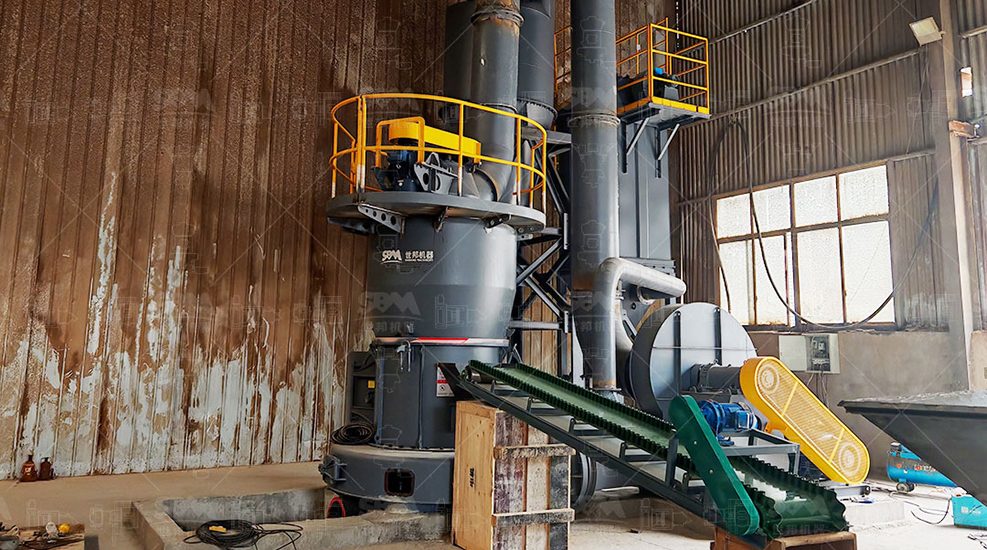
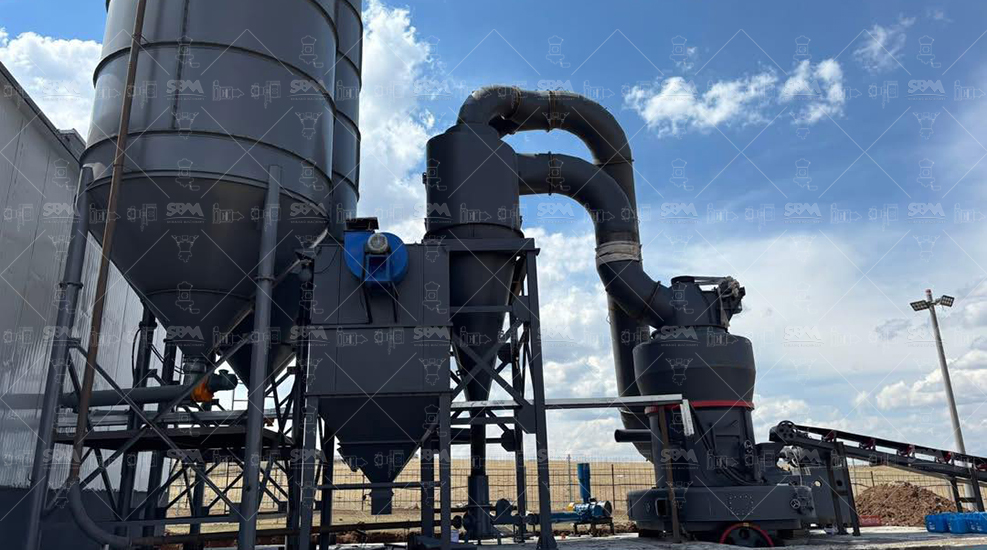
The MTW series is a multi-patented grinding mill with a compact structure and long service life. Its trapezoidal grinding ring and roller design increase the grinding area and reduce vibration, making it ideal for abrasive materials like granite. For 80 mesh output, the MTW can be adjusted by changing the classifier speed and air flow. The mill also features an eco-friendly dust collection system, meeting Vietnam’s increasingly stringent environmental regulations.
| Model | Max. Feed Size (mm) | Final Size (mm) | Capacity (t/h) at 80 mesh | Main Motor (kW) | Fan Motor (kW) |
|---|---|---|---|---|---|
| MTW110 | <30 | 1.6 – 0.045 | 3 – 9 | 55 | 55 |
| MTW138Z | <35 | 1.6 – 0.045 | 6 – 17 | 90 | 110 |
| MTW175G | <40 | 1.6 – 0.045 | 9.5 – 25 | 160 | 200 |
Note: The final size range covers 80 mesh (0.177 mm) easily. Actual capacity depends on granite hardness and moisture content.
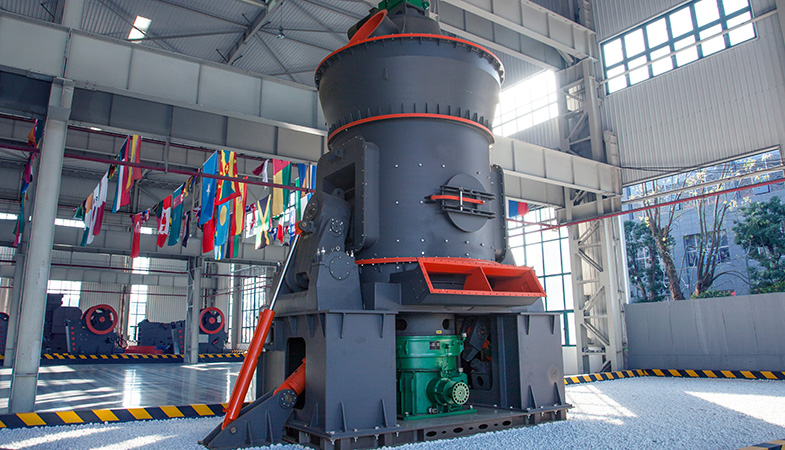
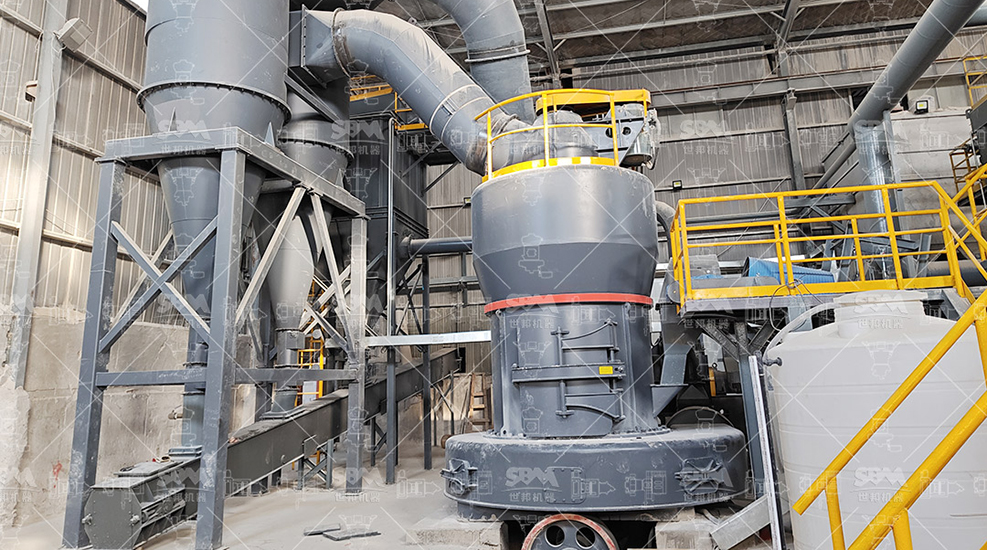
The LM series integrates crushing, grinding, drying, and powder selection in one unit, reducing the equipment footprint by about 50% compared to traditional ball mill systems. Its vertical roller design minimizes metal-to-metal contact, extending wear part life significantly. For ceramic applications requiring consistent 80 mesh, the LM mill offers superior control over product fineness via its dynamic classifier. Additionally, the built-in drying function allows processing of granite with slight moisture (up to 15%) without pre-drying.
| Model | Plate Diameter (mm) | Capacity (t/h) at 80 mesh | Output Fineness (μm) | Max Feed Size (mm) | Main Motor (kW) |
|---|---|---|---|---|---|
| LM130K | 1300 | 10 – 28 | 170 – 40 | <38 | 200 |
| LM190K | 1900 | 23 – 68 | 170 – 40 | <45 | 500 |
Note: At 80 mesh (approx. 180 μm), these mills operate at the coarser end of their fineness range, offering high capacity with low specific energy.
Selecting the right grinding mill for granite in Vietnam involves evaluating not only technical specifications but also local service support and spare parts availability. Shanghai Zenith has an established presence in Southeast Asia, with a dedicated after-sales team in Vietnam that provides installation, commissioning, and training. Here are key advantages that make Zenith solutions stand out:
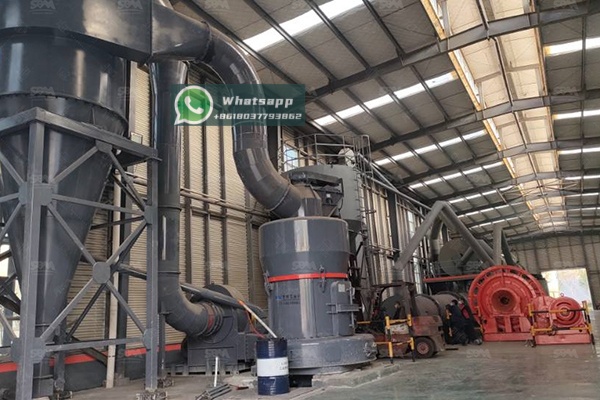
In 2023, a ceramic tile manufacturer in Binh Duong, Vietnam, replaced their old ball mill with a Zenith MTW138Z trapezium mill to grind granite for body composition. The plant required 12 tons per hour of 80 mesh granite powder. After commissioning, the following results were recorded:
The customer reported annual savings of over USD 80,000 in electricity and maintenance costs, with a payback period of less than 18 months. This case demonstrates how investing in advanced grinding technology can significantly enhance profitability for Vietnamese ceramic enterprises.
While MTW and LM mills are ideal for the main grinding stage, certain applications may require additional equipment. For example:
However, for the specific target of 80 mesh granite powder in a dry process (most common in ceramic body preparation), the MTW and LM mills remain the most cost-effective and reliable choices.
Vietnam’s ceramic industry is poised for continued growth, driven by urbanization and export demand. To remain competitive, manufacturers must optimize their raw material processing. Grinding granite to 80 mesh with precision and efficiency is no longer a challenge thanks to Zenith’s proven technology. Whether you choose the MTW Trapezium Grinding Mill for its robust multi-patent design or the LM Vertical Grinding Mill for its compact integration, you gain a partner with decades of expertise in mineral grinding. Contact Shanghai Zenith Machinery Co., Ltd. today to discuss your specific requirements and arrange a site visit to an operating installation in Vietnam.
Note: All technical parameters are based on standard testing conditions. Actual performance may vary depending on material characteristics and operating environment. For a customized solution, please consult Zenith’s engineering team.