Gypsum, or calcium sulfate dihydrate (CaSO4·2H2O), is a critical additive in the glass manufacturing industry. In Australia, glass producers—from large-scale container glass plants to specialty flat glass and fiberglass manufacturers—use gypsum as a refining agent, flux, and source of sulfur trioxide (SO3). When added to the glass batch, finely ground gypsum helps reduce melting temperatures, improves the refining process by promoting bubble removal, and can partially replace more expensive soda ash or sodium sulfate. However, the performance of gypsum in a glass furnace depends heavily on its particle size distribution. Coarse particles may not fully react, leading to defects such as stones, seeds, or unmelted batch, while excessively fine powder can cause dusting, segregation, and handling issues. Therefore, selecting the right grinding mill for gypsum processing is essential for Australian glass makers targeting a production rate of 3–5 tonnes per hour (TPH).
In the glass melting process, batch materials must be intimately mixed and fed into the furnace at a consistent rate. Gypsum is typically added at 0.5–2% of the batch weight, depending on the glass composition and the desired refining intensity. For optimal dissolution and reaction with silica and soda ash, gypsum should be ground to a fineness of 200 mesh (75 µm) or finer, with 325 mesh (45 µm) being preferred for high-quality glass. At 3–5 TPH, a glass plant requires a reliable, continuous supply of gypsum powder that meets these specifications without excessive energy consumption or maintenance downtime.
Australian glass manufacturers often source gypsum from local deposits in South Australia, Western Australia, and Victoria, as well as from recycled gypsum board and industrial by-products. These materials can vary in moisture content, hardness, and impurities, making a flexible and robust grinding system essential.
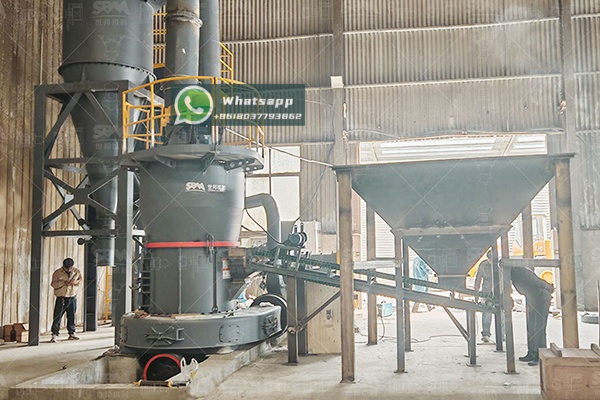
Grinding gypsum to 200–325 mesh at 3–5 TPH presents several challenges. First, gypsum is relatively soft (Mohs hardness 2), but it can be sticky when moist, causing clogging in mills and feeders. Second, the grinding system must be able to handle variations in feed size, from lumpy raw gypsum (up to 30 mm) to fine recycled material. Third, dust control is critical because gypsum dust can be irritating and must be contained to meet Australian workplace safety and environmental regulations. Finally, energy efficiency and low maintenance are key to keeping operating costs competitive.
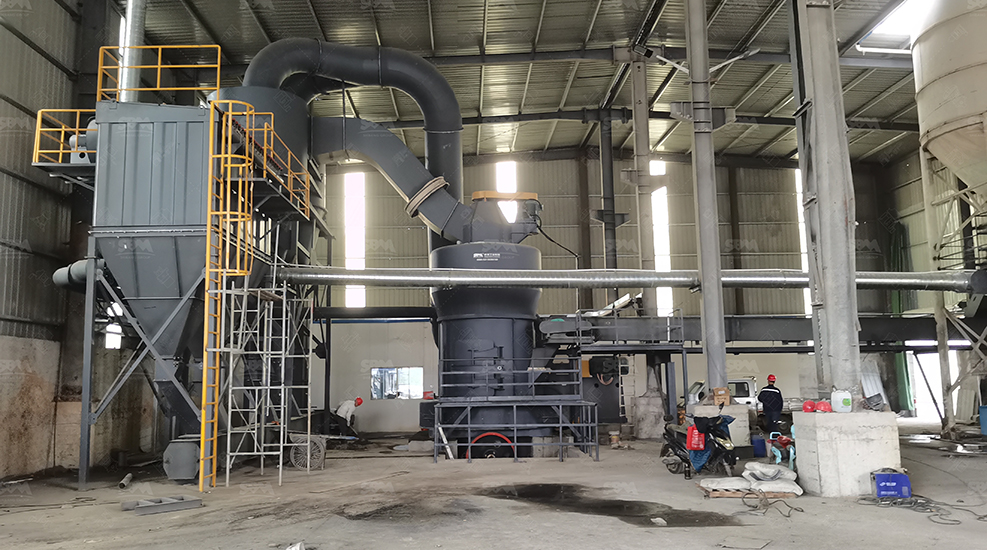
For these reasons, a vertical roller mill or a trapezium grinding mill with an integrated classifier and dust collection system is often the best choice. Such mills offer high grinding efficiency, precise fineness control, and a compact footprint—ideal for both greenfield glass plants and retrofits.
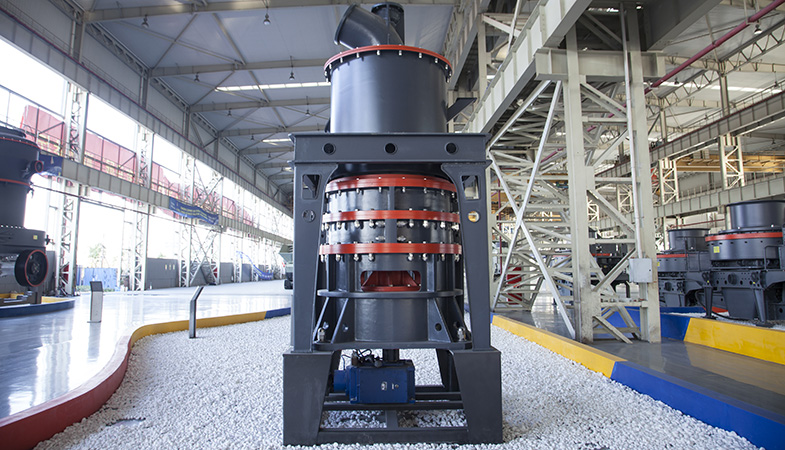
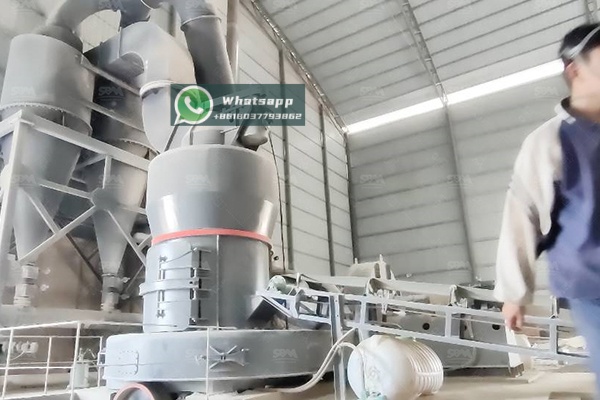
Shanghai Zenith Machinery Co., Ltd., a leading manufacturer of ore grinding equipment in China, recommends the MTW110 Trapezium Grinding Mill for gypsum grinding in Australian glass making applications. With a capacity range of 3–9 TPH, the MTW110 is perfectly sized for a 3–5 TPH production line. It can process gypsum with a maximum feed size of less than 30 mm and deliver a final product fineness adjustable from 1.6 mm down to 0.045 mm (45 µm). This means the same mill can produce coarse gypsum for other applications and fine 325-mesh powder for glass batch.
The MTW110 features a number of patented technologies, including a bevel gear integral transmission, internal thin oil lubrication system, and an arc-shaped air duct. These design improvements reduce energy loss, extend service life, and ensure stable operation. The mill is equipped with a high-efficiency pulse dust collector, helping Australian glass manufacturers comply with strict dust emission standards. The compact structure and small occupational area make it easy to integrate into existing batch preparation buildings.
| Model | Max. Feed Size (mm) | Final Size (mm) | Capacity (t/h) | Main Motor (kW) | Fan Motor (kW) |
|---|---|---|---|---|---|
| MTW110 | <30 | 1.6-0.045 | 3-9 | 55 | 55 |
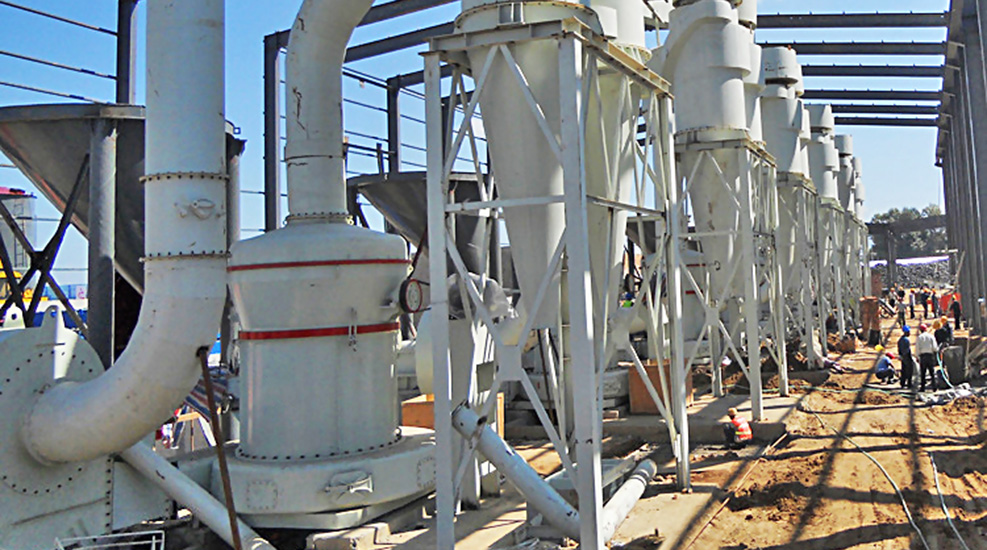
For glass manufacturers who prefer a proven, cost-effective solution, the MTM100 Medium-Speed Grinding Mill is an excellent alternative. It adopts world-leading powder processing technology and is an ideal substitute for traditional Raymond mills. With a capacity of 3–8 TPH and a maximum feed size of less than 25 mm, the MTM100 can also meet the 3–5 TPH requirement. Its upgraded structure offers higher efficiency and energy savings, while the 4-ring roll assembly ensures consistent fineness. The MTM100 is particularly suitable for plants with limited space, as it has a relatively small footprint and can be installed indoors.
| Name | Ring Roll Number (pcs) | Max. Feed Size (mm) | Output (t/h) | Main Unit Motor Power (kW) |
|---|---|---|---|---|
| MTM100 | 4 | <25 | 3-8 | 37 |
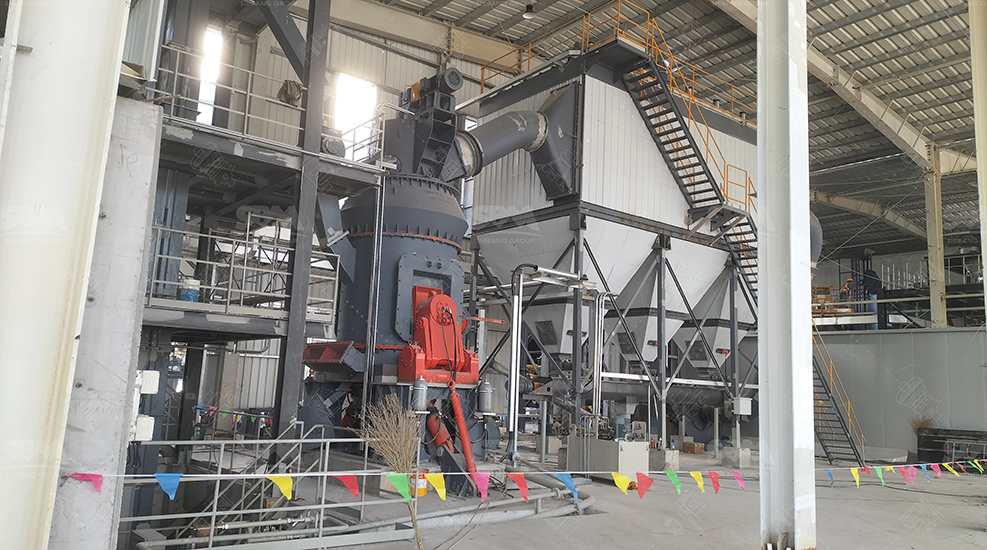
When selecting a gypsum grinding mill for a glass plant in Australia, several factors should be evaluated. First, fineness control: the mill must reliably produce the target particle size distribution, ideally with an adjustable classifier. Second, capacity: the mill should be able to operate at 3–5 TPH continuously, with some headroom for future expansion. Third, moisture handling: if the gypsum feed has high moisture, a mill with integrated drying (such as the LM Vertical Grinding Mill) may be considered, although for 3–5 TPH the MTW or MTM series with a pre-dryer is often more economical. Fourth, wear parts: gypsum is not highly abrasive, but the mill should still use durable materials for long service intervals. Fifth, service and support: working with a manufacturer that has a global service network, including in Australia, ensures quick access to spare parts and technical assistance.
Shanghai Zenith Machinery offers a full range of grinding equipment, including the MTW Trapezium Grinding Mill, MTM Medium-Speed Grinding Mill, LM Vertical Grinding Mill, LUM Ultrafine Vertical Mill, XZM Ultrafine Grinding Mill, Raymond Mill, Hammer Mill, and Ball Mill. For gypsum grinding at 3–5 TPH, the MTW110 and MTM100 are the most suitable choices. Both mills can be configured with automatic control systems, allowing remote monitoring and adjustment—a valuable feature for Australian operations with limited on-site staffing.
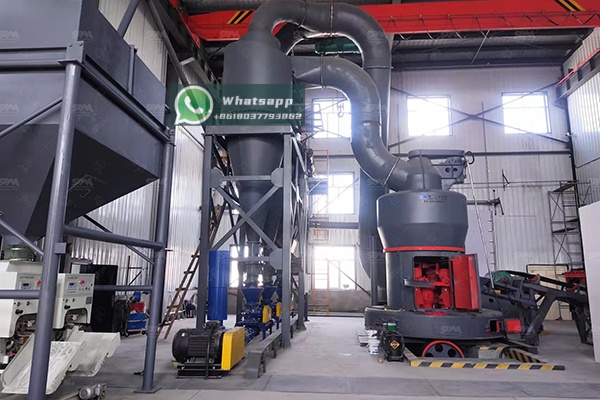
Shanghai Zenith Machinery Co., Ltd. is an excellent manufacturer of ore grinding equipment in China and has made great achievements in the field of ultra-fine powder grinding. The company specializes in the research, development, and production of industrial powder grinding equipment and related devices. With decades of experience, Zenith has supplied grinding solutions to customers in over 100 countries, including Australia. The company’s products are known for their reliable performance, innovative design, and compliance with international quality and environmental standards. For Australian glass makers, Zenith offers not only equipment but also process consultation, installation guidance, and after-sales service. Whether you need a single MTW110 mill or a complete gypsum powder production line, Zenith can tailor a solution to your specific requirements.
Gypsum plays a vital role in glass making, and its grinding is a key step in ensuring high-quality glass production. For Australian glass manufacturers requiring 3–5 TPH of fine gypsum powder, the MTW110 Trapezium Grinding Mill from Shanghai Zenith Machinery is an ideal solution. With its capacity range of 3–9 TPH, adjustable fineness down to 45 µm, and eco-friendly design, it meets the technical and regulatory demands of the Australian market. The MTM100 Medium-Speed Grinding Mill offers a reliable alternative for plants seeking a compact and cost-effective option. By choosing Zenith, glass producers can achieve efficient, consistent, and sustainable gypsum processing. Contact Shanghai Zenith Machinery today to discuss your gypsum grinding project in Australia.