In the competitive paint and coatings industry of the United States, achieving the perfect balance of opacity, gloss, durability, and cost is paramount. Kaolin, a naturally occurring hydrated aluminum silicate clay, serves as a fundamental functional filler and extender pigment in this quest. Its plate-like particle structure improves suspension, sheen control, and film integrity. However, the performance of kaolin is intrinsically linked to its particle size distribution, purity, and brightness, which are directly determined by the grinding and processing technology employed. For mid-scale production lines targeting a throughput of 5 to 10 tons per hour (TPH), selecting the optimal grinding mill is not just an operational decision but a strategic one impacting final product quality and profitability.
Processing raw kaolin into a premium paint filler involves several stages: crushing, drying, grinding, and classification. The grinding stage is the heart of the process, where the material is reduced to the desired fineness, typically ranging from 325 mesh (45 μm) for standard fillers to 2500 mesh (5 μm) or finer for high-performance, ultra-fine grades used in premium coatings. The ideal mill must deliver consistent particle size distribution, maintain the crystalline structure of kaolin to preserve its properties, operate with high energy efficiency, and minimize contamination. Furthermore, for the U.S. market, compliance with environmental regulations and operational safety standards is non-negotiable.
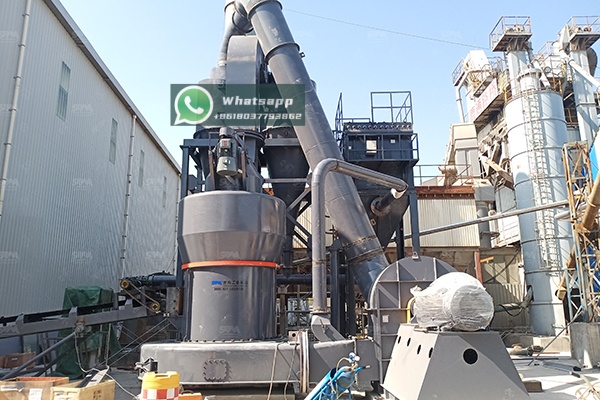
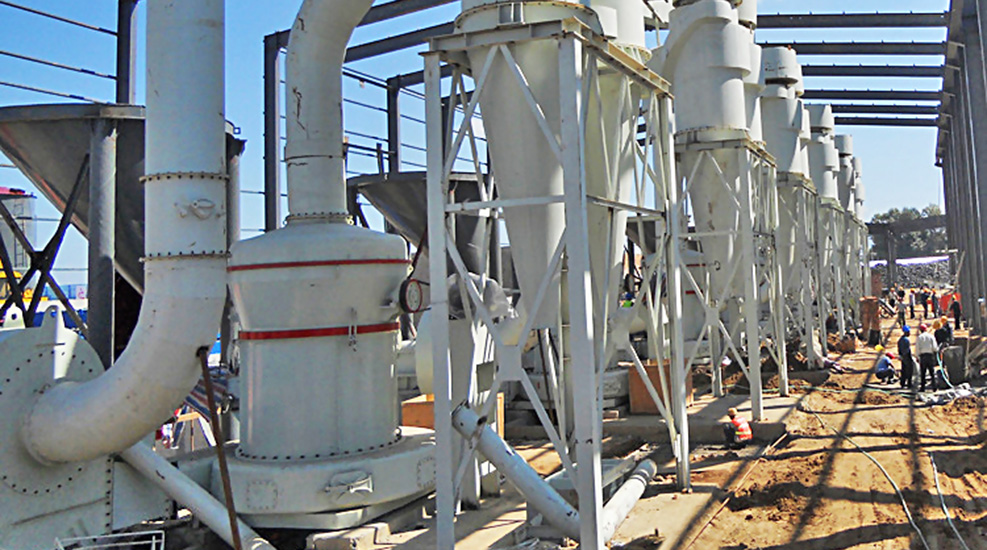
Several grinding technologies are available, each with its strengths. Traditional Raymond mills are common but may lack the fineness control for high-end applications. Ball mills are robust but often less energy-efficient for dry grinding to very fine sizes. For a 5-10 TPH production target, advanced grinding solutions that offer a combination of high capacity, precise classification, and integrated drying capabilities are most suitable.
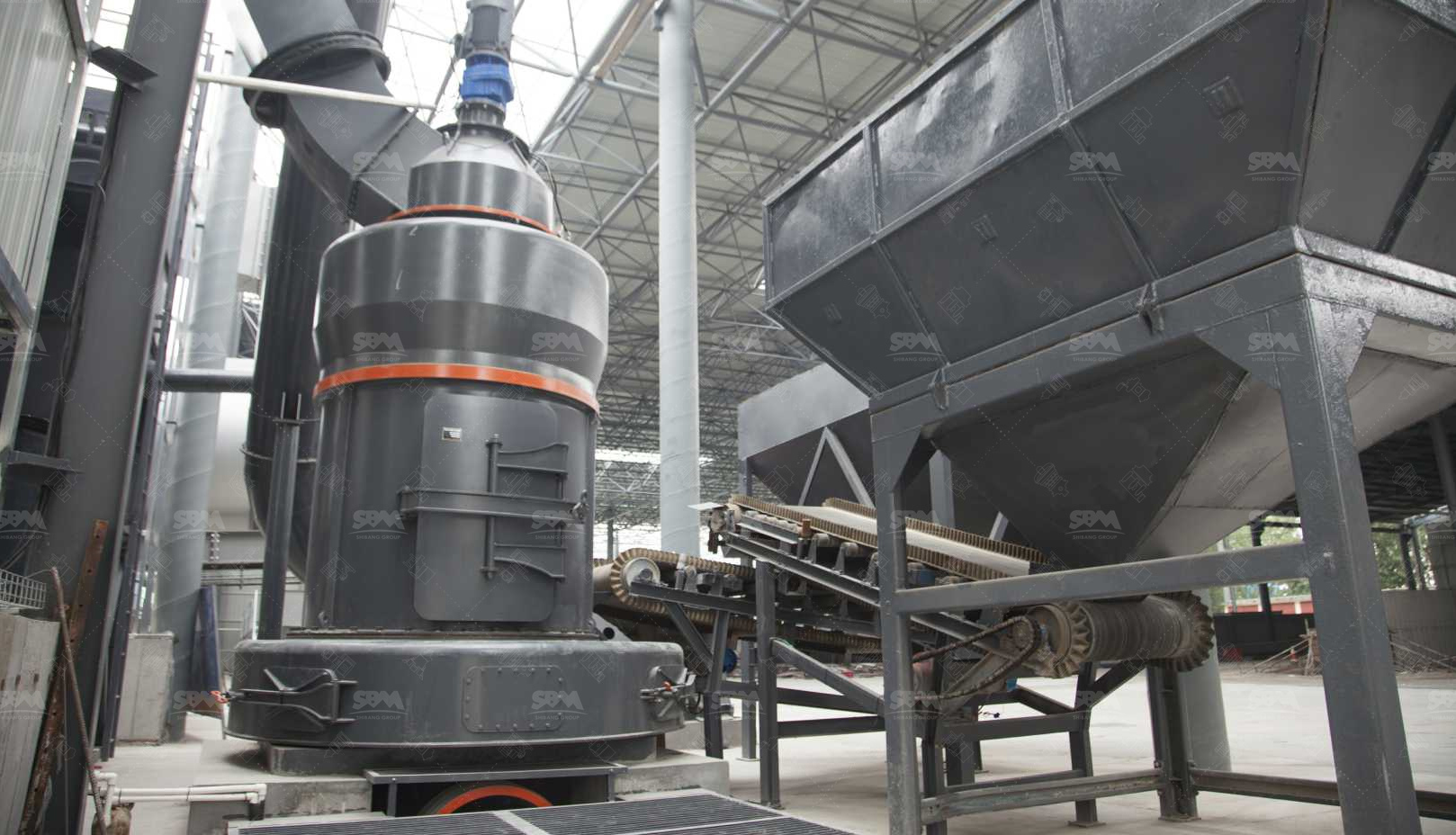
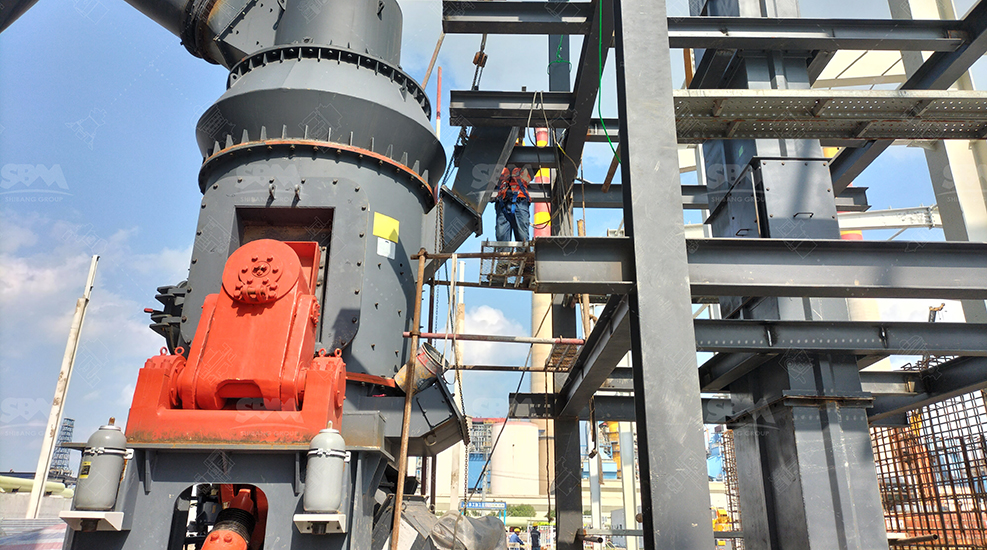
For a 5-10 TPH kaolin grinding application, a vertical roller mill presents an outstanding solution. Shanghai Zenith Machinery Co., Ltd., an excellent manufacturer renowned for its achievements in ultra-fine powder grinding, offers the advanced LM Vertical Grinding Mill series, which is perfectly suited for this task. The LM mill integrates five functions—crushing, grinding, powder selection, drying, and material conveying—into a single, cohesive unit. Its vertical structure minimizes the occupied area, while its efficient grinding principle and internal classifier ensure a consistent and fine product output, ideal for paint fillers.
The LM Vertical Mill operates by having the material fall onto the center of a grinding plate, where it is crushed under the pressure of grinding rollers. A hot air stream from the inlet dries the material simultaneously and carries the fine particles to a high-efficiency classifier. Coarse particles fall back for regrinding, ensuring optimal particle size control. This closed-circuit system is not only efficient but also environmentally friendly, with low dust emissions.
For a kaolin production line requiring 5-10 TPH, the LM130K model is a highly recommended choice. Its parameters align excellently with the required capacity and fineness for paint-grade kaolin.
| Model | Plate Diameter (mm) | Capacity (t/h) | Output Fineness (μm) | Max Feed Size (mm) | Main Motor (kW) |
|---|---|---|---|---|---|
| LM130K | 1300 | 10-28 | 170-40 | <38 | 200 |
As shown, the LM130K comfortably covers the 5-10 TPH range with significant headroom for future expansion. Its ability to produce powder in the 170-40 micron (approximately 90-400 mesh) range and finer makes it versatile for various paint filler specifications.
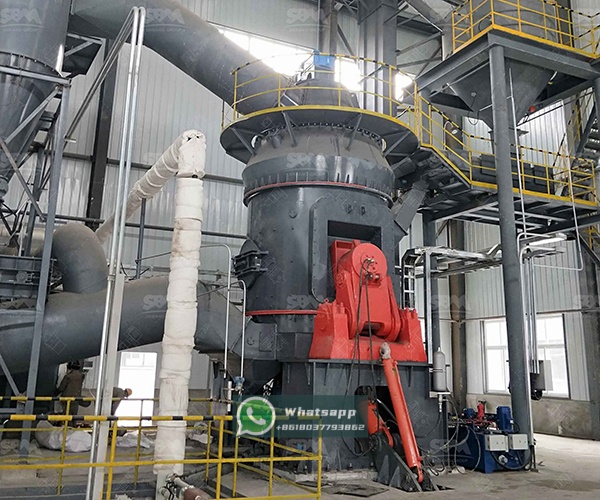
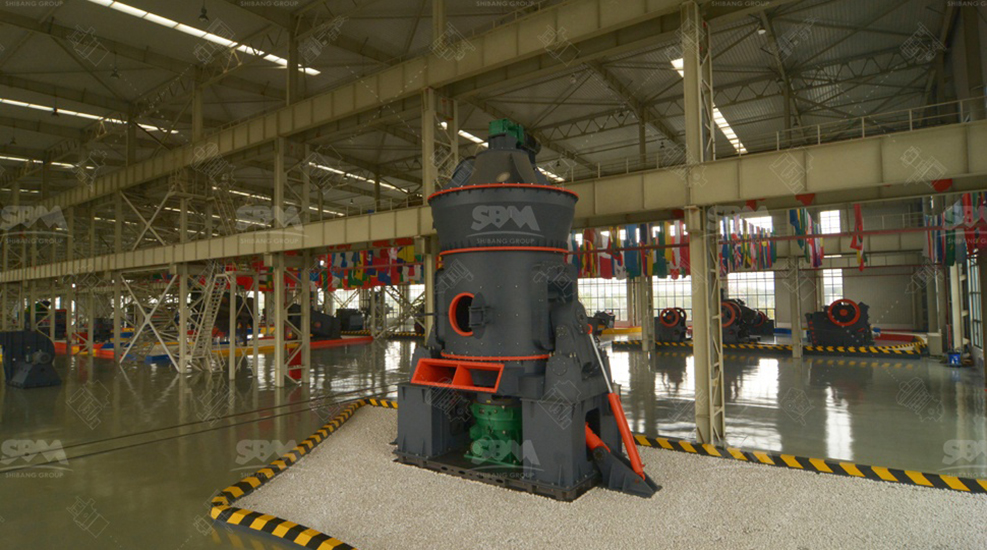
For paint manufacturers targeting the premium segment requiring ultra-fine or surface-modified kaolin, even finer grinding is necessary. For such demanding applications, Zenith’s LUM Ultrafine Vertical Mill represents the pinnacle of grinding technology. It builds upon the vertical mill design with more advanced roller technology and a more precise classifying system, capable of achieving a particle size distribution (D97) as fine as 5-30 microns (500-2500 mesh).
The LUM series is designed for high content of end-fines and features intelligent control systems for easier operation and maintenance. While its absolute capacity for ultra-fine products may be lower, it is an ideal solution for producing high-value specialty kaolin fillers within or as part of a 5-10 TPH production plan.
Implementing a Zenith LM or LUM mill for kaolin processing offers tangible benefits:
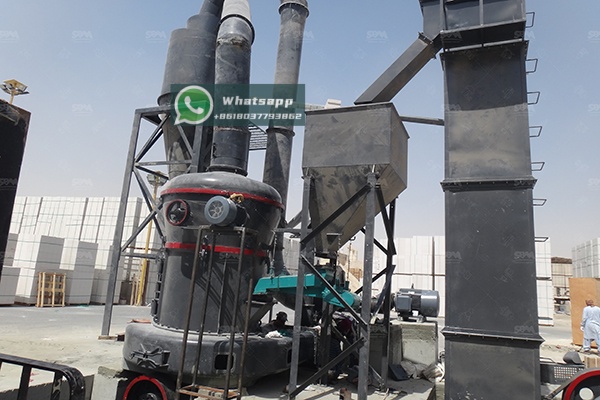
Establishing a reliable and efficient 5-10 TPH kaolin grinding line for paint fillers in the United States requires careful planning and the right equipment partnership. The choice of grinding technology directly influences product competitiveness. Shanghai Zenith Machinery Co., Ltd., with its specialization in industrial powder grinding equipment, provides proven solutions like the LM Vertical Grinding Mill and the LUM Ultrafine Vertical Mill. These mills offer the perfect blend of capacity, precision, energy efficiency, and reliability needed to transform raw kaolin into a high-value, consistent, and high-performing filler that meets the exacting standards of the modern paint industry. By investing in such advanced technology, producers can ensure superior product quality, optimize operational costs, and secure a strong position in the market.