In Iraq’s oil and gas industry, drilling operations require carefully engineered drilling fluids that can maintain wellbore stability, control filtration, support cuttings transport, and protect productive formations. Limestone powder, mainly calcium carbonate, is one of the important functional materials used in drilling mud systems. It can serve as a bridging and weighting agent, improve filter-cake quality, and help reduce formation damage when properly sized. For drilling service companies, mud plants, and powder processors in Iraq, a reliable limestone grinding mill with a capacity of 5–10 tph is a practical production unit for supplying drilling-mud-grade limestone powder to local oilfields and regional markets.
This article reviews the main requirements for limestone grinding for drilling mud in Iraq and recommends suitable equipment from Shanghai Zenith Machinery Co., Ltd., an experienced manufacturer of industrial powder grinding equipment in China. The recommended solution focuses on stable capacity, controllable fineness, dust control, easy maintenance, and long-term operating economy.
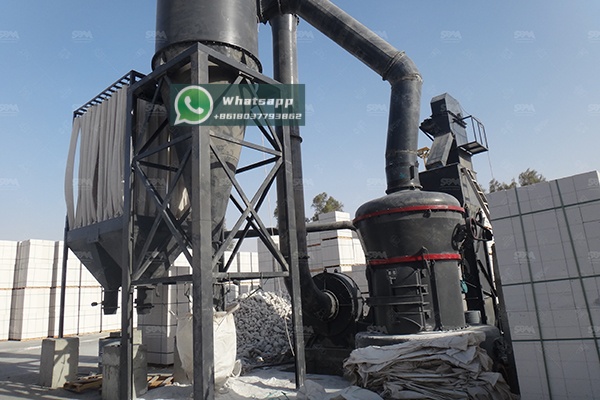
Drilling mud is a complex fluid system. Its performance depends on the interaction of water or oil, clay minerals, polymers, weighting materials, and bridging particles. Limestone is widely used because it is compatible with many mud systems and can be sourced locally in many regions. In water-based and oil-based drilling fluids, properly ground calcium carbonate can act as a bridging agent to seal pore throats and microfractures in the formation. It can also contribute to density adjustment when a high-quality carbonate material is used. Because limestone is acid-soluble, filter-cake residues can sometimes be removed by acid treatment, which is an advantage in reservoir sections where formation damage must be minimized.
The performance of limestone powder in drilling mud depends strongly on particle size distribution. If the powder is too coarse, bridging efficiency may be poor and the filter cake may be less effective. If the powder is too fine, viscosity may increase and filtration control may become more difficult. Therefore, a limestone grinding plant must be able to produce a consistent product with adjustable fineness. For many drilling-mud applications, products in the range of approximately 200–325 mesh, or about 0.075–0.045 mm, are of interest, although the exact specification should be confirmed by the mud engineer and the end user.
Iraq has significant oilfield activity, especially in southern regions, and there is a continuing demand for locally processed drilling-mud materials. A 5–10 tph limestone grinding plant can be scaled to supply one or more mud plants, service companies, or distribution centers. The capacity is large enough to support regular drilling programs, but not so large that capital investment and power consumption become excessive for a regional powder production business.
Selecting a limestone grinding mill for drilling mud in Iraq requires more than matching a nominal capacity figure. The equipment must handle local raw material, maintain product fineness, operate reliably in a hot and dusty environment, and control dust emissions. The following factors should be considered carefully.
A plant rated at 5–10 tph should be designed with a reasonable production margin. If the market demand is usually 5–7 tph, a mill with a slightly higher capacity can operate at a comfortable load and allow for maintenance, product changes, and future growth. If the required output frequently reaches 10 tph, the mill should be selected so that 10 tph is not the absolute upper limit of its capability. Continuous operation at the maximum capacity may increase wear and power consumption and reduce availability. Therefore, for many projects, a model with a capacity range of about 6–17 tph is more flexible than a model whose upper limit is exactly 10 tph.
Drilling-mud-grade limestone powder must be consistent from batch to batch. The grinding system should include effective classification so that oversize particles are returned for further grinding and the finished product remains within the required particle size range. Adjustment of the classifier or separator should be simple and repeatable. The operator should be able to change the product fineness when the mud program requires a different bridging particle size. In addition, sampling points should be provided for sieve analysis and quality control.
Limestone grinding generates fine dust. In Iraq’s hot and dry climate, dust control is especially important for workers, equipment, and the surrounding environment. The grinding mill should be integrated with an efficient bag filter or dust collector, and all transfer points should be enclosed. Negative pressure operation helps prevent dust leakage. The plant layout should also consider truck loading and bulk storage to minimize fugitive dust. Environmental compliance and a clean workplace are not only regulatory issues but also practical factors for stable production.
Limestone is not extremely hard, but continuous grinding still causes wear on rollers, rings, liners, and classifier components. The selected mill should use durable wear-resistant materials and allow easy replacement of wear parts. Maintenance access must be practical, because downtime can be costly in a drilling-mud supply chain. A well-designed grinding mill will have a long service life, low vibration, stable operation, and predictable maintenance intervals.
Iraq’s high ambient temperatures, dust, and possible power supply fluctuations should be considered during equipment selection. Motors, lubrication systems, and electrical controls should be suitable for the site conditions. The plant design should include proper ventilation, heat protection where necessary, and reliable power distribution. If a generator is used, the grinding mill’s starting load and operating load should be checked. The layout should also allow good access for forklifts, trucks, and maintenance personnel.
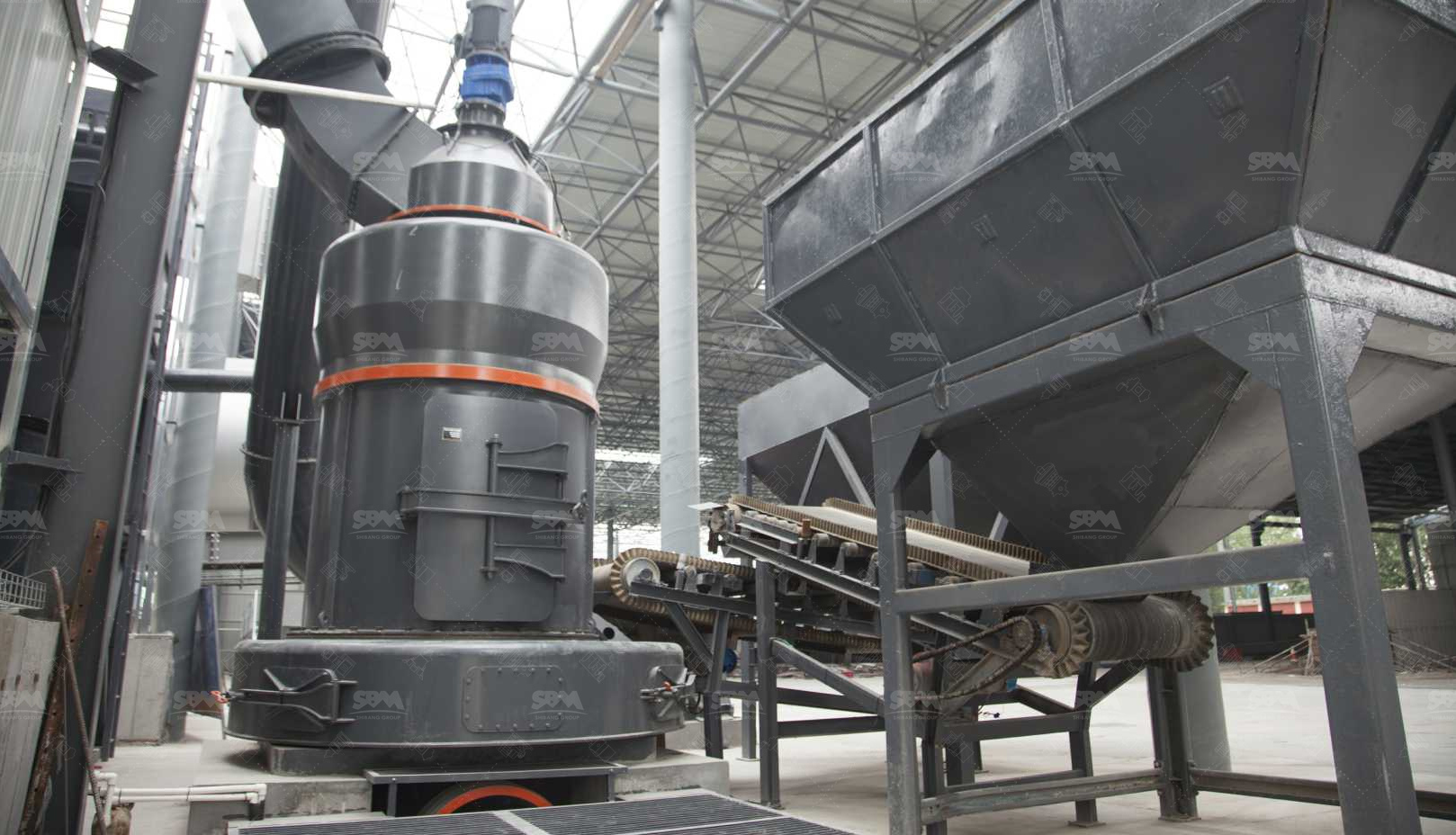
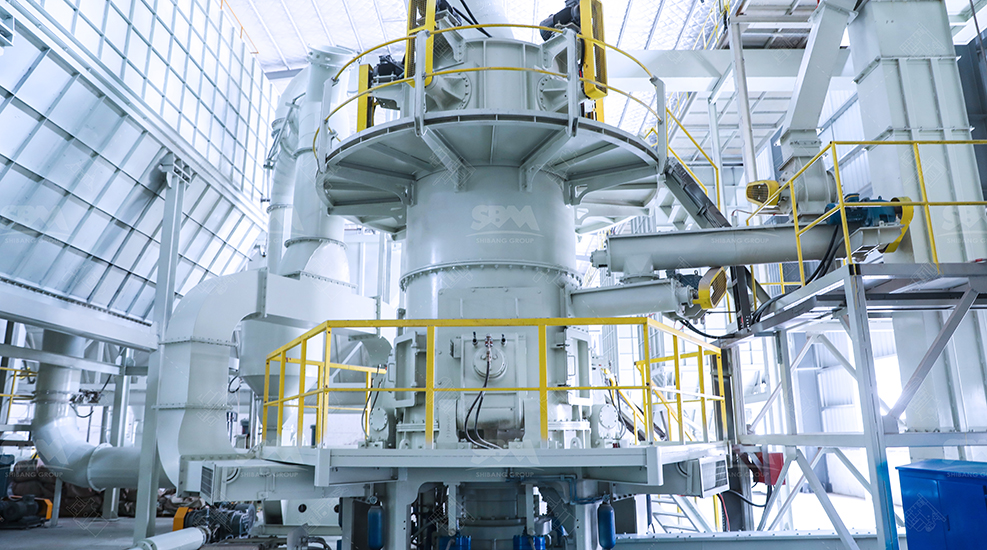
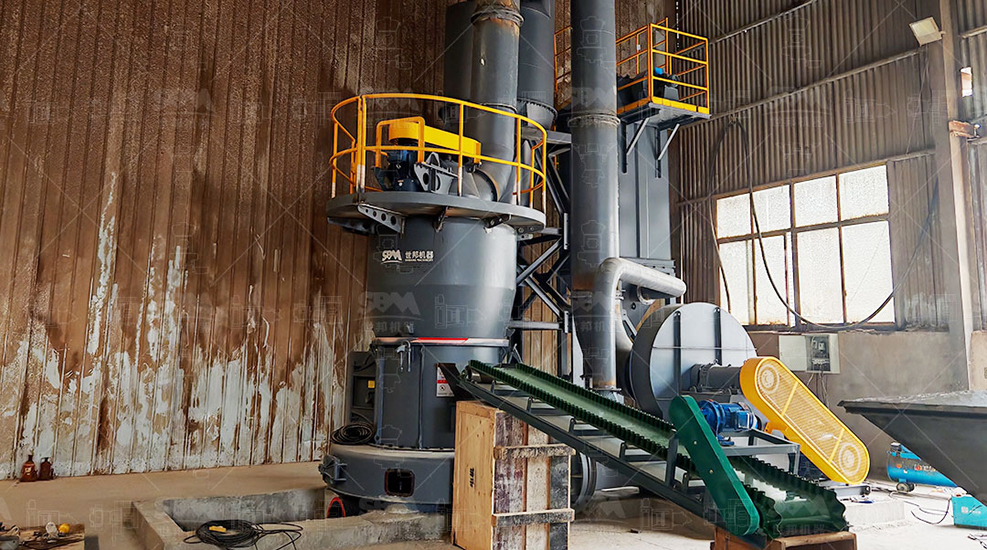
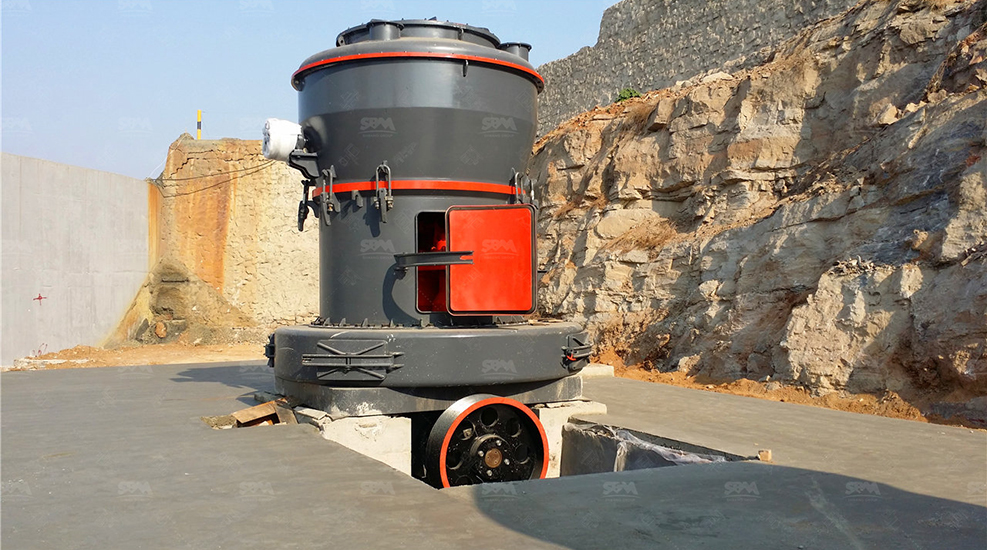
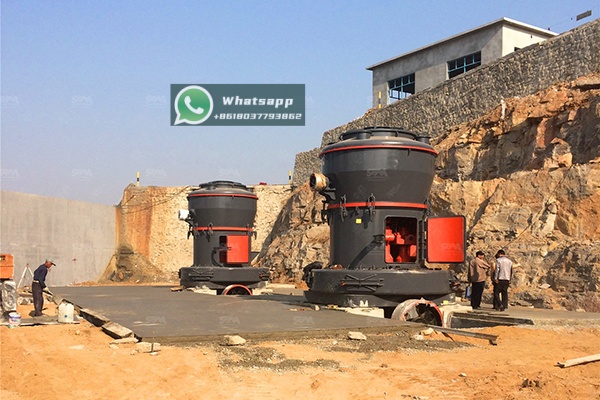
Shanghai Zenith Machinery Co., Ltd. specializes in the research, development, and production of industrial powder grinding equipment. The MTW Trapezium Grinding Mill is a mature product with multiple patents. It is known for its compact structure, long service life, and eco-friendly design. It is suitable for processing materials with a maximum input size of about 50 mm and can produce a final product as fine as 0.038 mm under suitable conditions. For a limestone grinding plant serving the drilling mud market in Iraq at 5–10 tph, we recommend the MTW110Z and MTW138Z models. Both models can produce a final size range of 1.6–0.045 mm, which covers typical drilling-mud limestone fineness when the classifier is properly adjusted.
The MTW110Z offers a capacity of 3–10 tph. It is a good choice for a compact plant where the average demand is around 5–7 tph and where capital investment and installation space are important considerations. However, if the plant must regularly produce close to 10 tph, the MTW138Z is generally preferred because its capacity range is 6–17 tph. This model provides a useful production margin, reduces the risk of bottlenecks, and supports future market growth. The MTW138Z also has a larger main motor and fan motor, which gives it more reserves for stable continuous operation.
| Model | Max. Feed Size (mm) | Final Size (mm) | Capacity (t/h) | Main Motor (kW) | Fan Motor (kW) |
|---|---|---|---|---|---|
| MTW110Z | <30 | 1.6–0.045 | 3–10 | 55 | 55 |
| MTW138Z | <35 | 1.6–0.045 | 6–17 | 90 | 110 |
For a new drilling-mud limestone powder line in Iraq, the MTW138Z is often the safer selection when the target output is 5–10 tph, because it can operate efficiently in the middle of its capacity range and still have room for higher demand. The MTW110Z remains attractive for a smaller investment or a site with limited space. In both cases, the plant should be equipped with a properly sized feeder, classifier, dust collector, and product storage system to ensure consistent final product quality.
A complete 5–10 tph limestone grinding plant can be arranged as a simple, robust, and dust-controlled production line. The exact configuration depends on the raw limestone size, moisture content, product specification, and site layout, but a typical process includes the following stages.
Raw limestone is received by truck and stored in a covered stockpile or hopper. If the limestone lump size is larger than the mill’s feed requirement, a primary crusher such as a jaw crusher or hammer crusher can be used. The crushed limestone is then transported to a feed hopper. A vibrating feeder with variable speed control helps provide a stable and adjustable feed rate to the grinding mill. A magnetic separator may be installed to remove tramp iron and protect the mill. If the raw material contains excessive moisture, a drying step or hot-air system may be considered, although many limestone sources can be ground directly when moisture is controlled.
The prepared limestone is fed into the MTW Trapezium Grinding Mill. Grinding takes place between the rollers and rings, and an integrated classifier separates fine powder from coarse particles. Oversize particles are returned to the grinding zone, while the finished powder is carried by air to the collection system. The classifier setting can be adjusted to meet the required fineness for different drilling-mud formulations. Stable airflow and consistent feed control are important for product quality and energy efficiency.
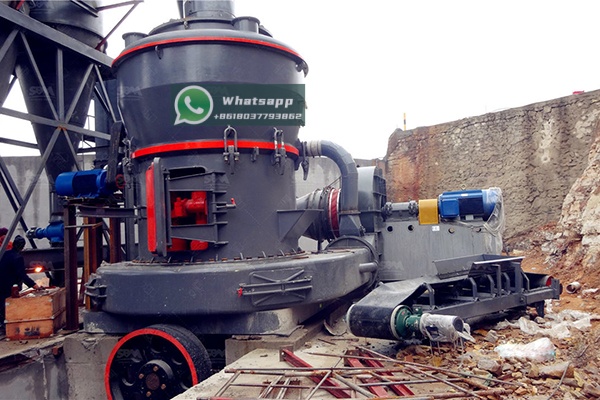
Finished limestone powder is collected by a bag filter or cyclone-plus-filter system and then conveyed to a storage silo. From the silo, the product can be packed into bags or loaded into bulk trucks, depending on customer requirements. Quality control should include regular sampling for fineness, particle size distribution, moisture, and visual contamination. For drilling-mud applications, consistency is critical. A simple laboratory sieve set or laser particle size analyzer can help verify product quality before dispatch.
All transfer points, the mill outlet, the classifier, and the storage silo should be connected to the dust collection system. The plant should operate under negative pressure where possible to prevent dust from escaping into the workplace. Proper filter maintenance and periodic inspection are essential. In Iraq’s dusty environment, the filter system should be selected with adequate capacity and easy cleaning features.
Shanghai Zenith Machinery Co., Ltd. is an excellent manufacturer of ore grinding equipment in China and has made great achievements in the field of ultra-fine powder grinding. The company is specialized in the research, development, and production of industrial powder grinding equipment and related devices. Its main products include the MTW Trapezium Grinding Mill, Ball Mill, MTM Medium-Speed Grinding Mill, Raymond Mill, LM Vertical Grinding Mill, LUM Ultrafine Vertical Mill, XZM Ultrafine Grinding Mill, and Hammer Mill. This wide product range allows Shanghai Zenith to recommend equipment based on the actual material, capacity, fineness, and site conditions rather than offering a single fixed solution.
For a limestone grinding project in Iraq, Shanghai Zenith can support equipment selection, process design, layout planning, electrical configuration, commissioning, operator training, and spare parts supply. The MTW Trapezium Grinding Mill offers a good balance between capacity, fineness control, compact layout, and environmental performance. Its multiple-patent design and mature manufacturing quality make it suitable for continuous production in a drilling-mud powder plant.
Limestone powder is an important material for drilling mud in Iraq’s oil and gas operations. A 5–10 tph grinding plant should be designed for consistent fineness, reliable capacity, effective dust control, and easy maintenance. The MTW110Z and MTW138Z from Shanghai Zenith Machinery Co., Ltd. are suitable options. The MTW110Z is a compact choice for smaller production targets, while the MTW138Z is recommended when the plant must regularly achieve 5–10 tph or require a production margin for future growth. By selecting the right mill and designing a complete, well-controlled process flow, investors and operators can build a dependable limestone grinding plant that serves the Iraqi drilling-mud market efficiently and economically.