Malaysia has long been a hub for ceramic tile manufacturing in Southeast Asia, with abundant limestone reserves and a robust construction sector driving consistent demand. In tile production, limestone (calcium carbonate) is a key raw material used as a filler, flux, and body component. It must be ground into a fine powder, typically with a fineness of 200–325 mesh (74–44 microns), to ensure proper mixing, plasticity, and firing performance. For medium-sized tile factories, a grinding system with a capacity of 1 to 3 tonnes per hour (tph) is often the ideal balance between investment cost and production throughput.
Selecting the right limestone grinding mill is critical not only for meeting capacity targets but also for maintaining energy efficiency, product consistency, and operational reliability. Shanghai Zenith Machinery Co., Ltd., a premier Chinese manufacturer of ore grinding equipment with extensive experience in ultra-fine powder processing, offers a range of mills perfectly suited for this application. This article provides a comprehensive guide to choosing and operating a limestone grinding mill for tile production in Malaysia, focusing on the 1–3 tph range, and recommends two proven Zenith models.
Before delving into equipment selection, it is essential to understand the characteristics of the feed material and the desired product. Limestone from Malaysian quarries typically has a Mohs hardness of 3–4 and a moisture content below 6% when dried. For tile body preparation, the ground limestone should have:
The grinding process must also be dust-free and energy-efficient to comply with Malaysia’s environmental regulations and reduce operating costs. Zenith’s mills are designed with these factors in mind, incorporating advanced classifiers, sealed systems, and optimized power transmission.
Choosing the right mill involves evaluating several parameters:
Zenith’s product line includes the MTW Trapezium Mill and the Raymond Mill, both of which offer specific advantages for the 1–3 tph limestone application.
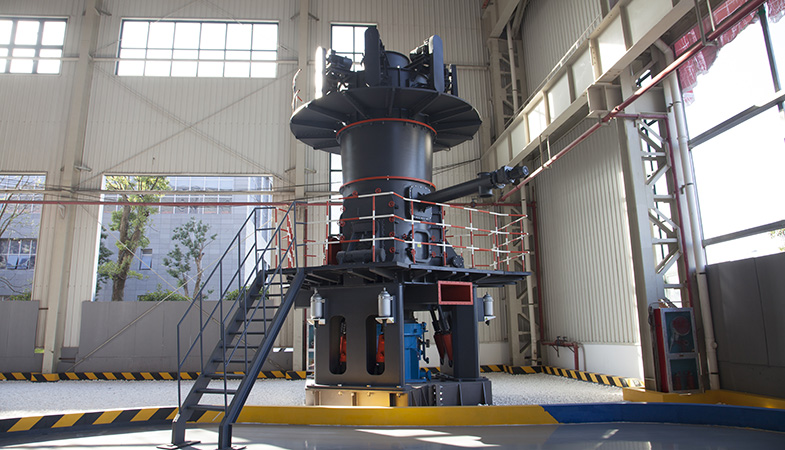
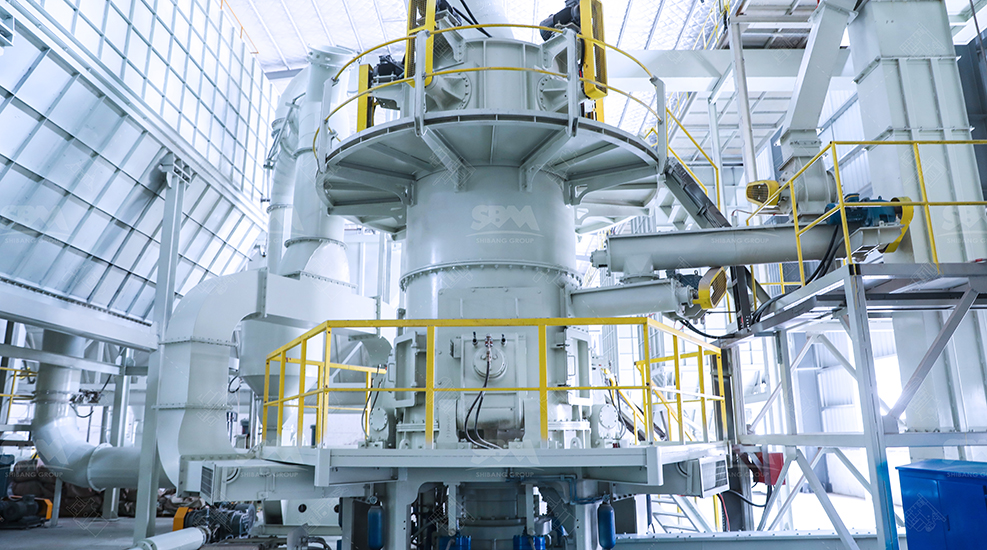
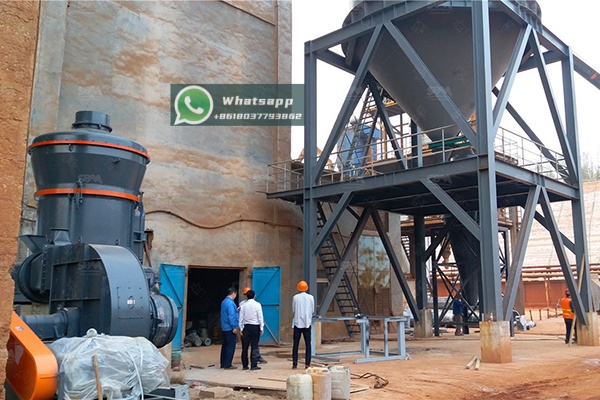
The MTW series is Zenith’s flagship grinding mill, incorporating multiple patented technologies such as trapezium-shaped grinding rollers and a curved blade scraper. For a capacity range of 3–9 t/h, the MTW110 model fits perfectly when the target is around 3 tph (the upper end of the 1–3 tph range) and can be easily throttled down by adjusting the classifier speed or feed rate. Its compact structure and eco-friendly design make it especially suitable for Malaysian tile factories that prioritize low noise and dust emissions.
Below are the technical parameters of the MTW110:
| Model | Max. Feed Size (mm) | Final Size (mm) | Capacity (t/h) | Main Motor (kW) | Fan Motor (kW) |
|---|---|---|---|---|---|
| MTW110 | <30 | 1.6–0.045 | 3–9 | 55 | 55 |
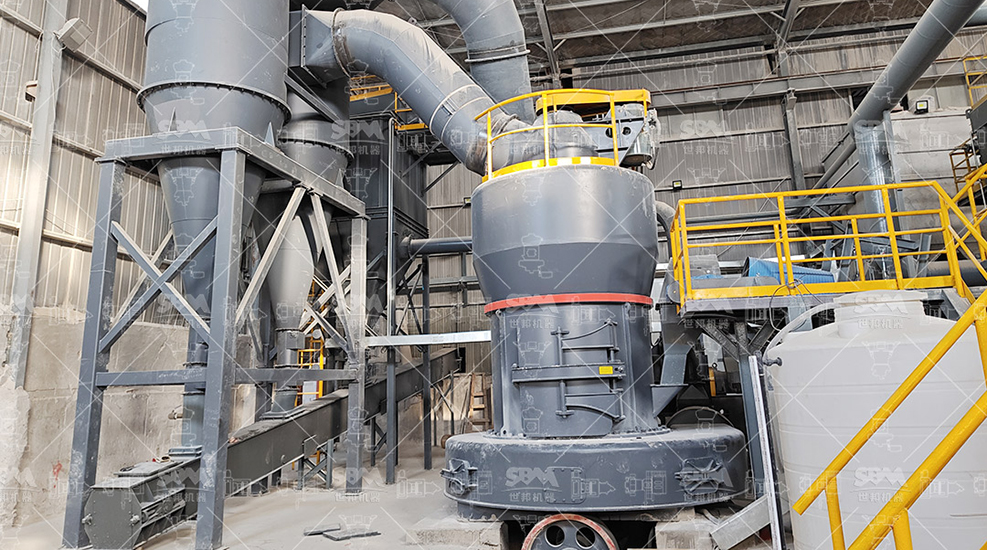
The MTW110 features an internal classifier that ensures product fineness as fine as 0.045 mm (325 mesh). Its power consumption is roughly 18–20 kWh per ton when grinding limestone to 200 mesh, making it highly competitive. Additionally, the mill is equipped with a pulse dust collector to meet strict emission standards.
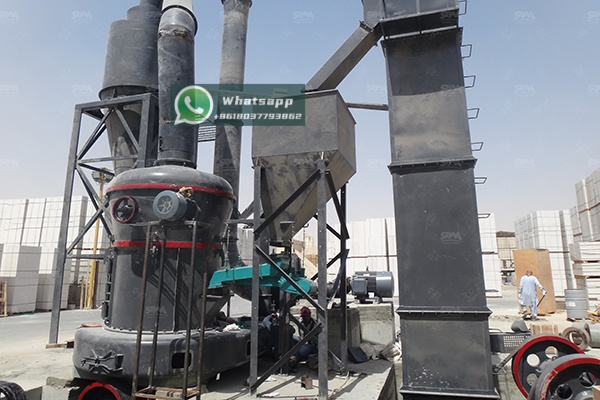
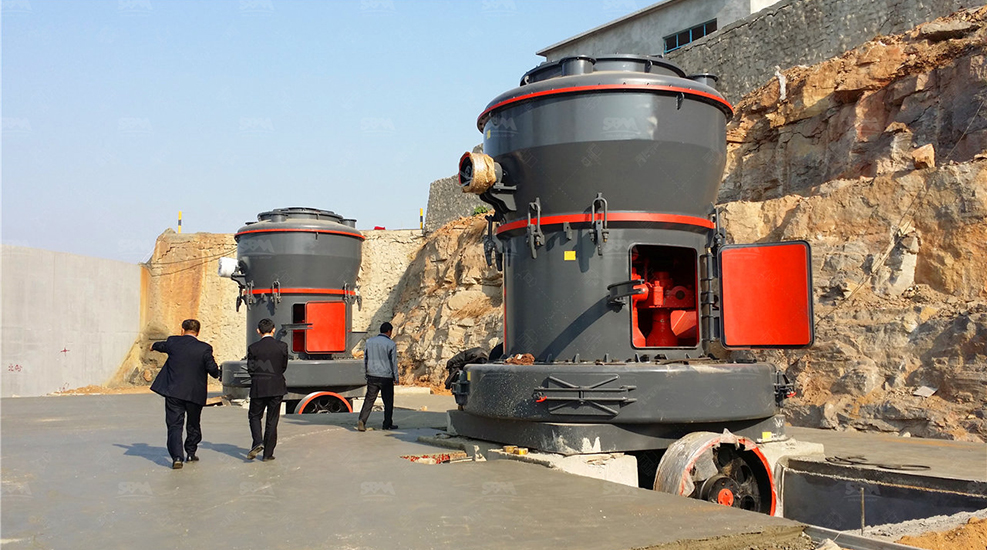
For tile producers who prefer a time-tested, lower-capital-cost solution, the Raymond Mill remains a popular choice. Zenith’s YGM9517 model, with a capacity range of 2.1–8 t/h, comfortably covers the 1–3 tph requirement while offering reliable operation and simple maintenance. It is particularly effective for grinding materials of Mohs hardness below 7, and its roller quantity (4 rollers) provides a stable grinding bed.
Technical parameters of the YGM9517:
| Model | Roller Quantity (pcs) | Max. Feed Size (mm) | Discharging Size (mm) | Capacity (t/h) | Main Motor (kW) |
|---|---|---|---|---|---|
| YGM9517 | 4 | <25 | 1.6–0.045 | 2.1–8 | 37 (main) + 5.5 (analyser) |
The YGM9517 can produce a final product as fine as 0.045 mm (325 mesh). Its power consumption is about 22–25 kWh per ton for limestone grinding, slightly higher than the MTW110, but the initial investment is lower. Many small-to-medium Malaysian tile factories have successfully used this model for decades due to its ruggedness and ease of spare parts availability.
Both the MTW110 and YGM9517 are capable of meeting the 1–3 tph limestone grinding demand, but the choice depends on specific priorities:
For tile producers who require future scalability, the MTW110’s higher maximum capacity (9 t/h) allows for production expansion without replacing the entire mill.
Malaysia’s high humidity and occasional rainfall can increase the moisture content of limestone, potentially causing clogging in the grinding chamber. To ensure smooth operation:
Zenith provides comprehensive training for local operators and a network of service centers in Southeast Asia, ensuring minimal downtime.
Malaysia’s tile industry continues to grow, driven by infrastructure development and exports. Selecting a grinding mill that delivers consistent 1–3 tph output with low operating costs is essential for staying competitive. Shanghai Zenith Machinery Co., Ltd. combines decades of grinding expertise with a complete line of mills, from the advanced MTW Trapezium Mill to the classic Raymond Mill. Both the MTW110 and YGM9517 are excellent choices for limestone grinding in tile production, backed by robust technical support and proven performance in similar applications worldwide.
For a detailed quotation, layout design, or to arrange a site visit to an existing installation in Malaysia, please contact Zenith’s sales team. Their engineers can customize the solution to match your specific raw material characteristics and production targets.