The Australian construction and infrastructure sector demands high-performance cement with specific properties. While limestone is the primary raw material, the use of marble as an additive or partial substitute is gaining significant traction. Marble, a metamorphic rock composed primarily of calcite, offers benefits such as enhanced whiteness, improved workability, and can contribute to the early strength of cement. However, to fully unlock these benefits and ensure optimal chemical reactivity within the kiln, the marble must be ground to a very fine and consistent powder. A fineness of 325 mesh (approximately 45 microns) is a critical benchmark in this process, enabling efficient calcination and homogeneous blending. This article explores the technological requirements for achieving this specification and highlights advanced grinding solutions.
Grinding hard, abrasive materials like marble to a uniform 325-mesh fineness presents distinct challenges for cement producers. Traditional ball mills, while robust, can be energy-intensive and may struggle with precise particle size control at the finer end of the spectrum. Key considerations include:
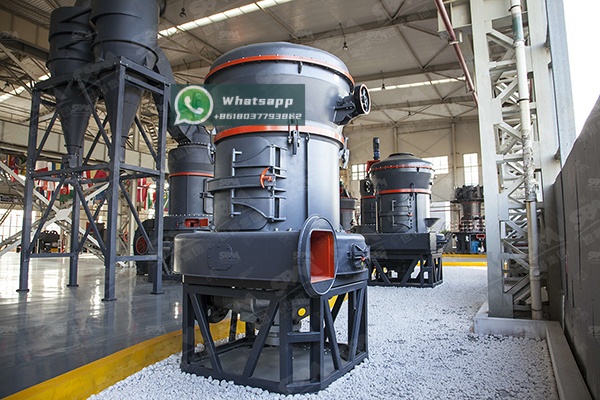
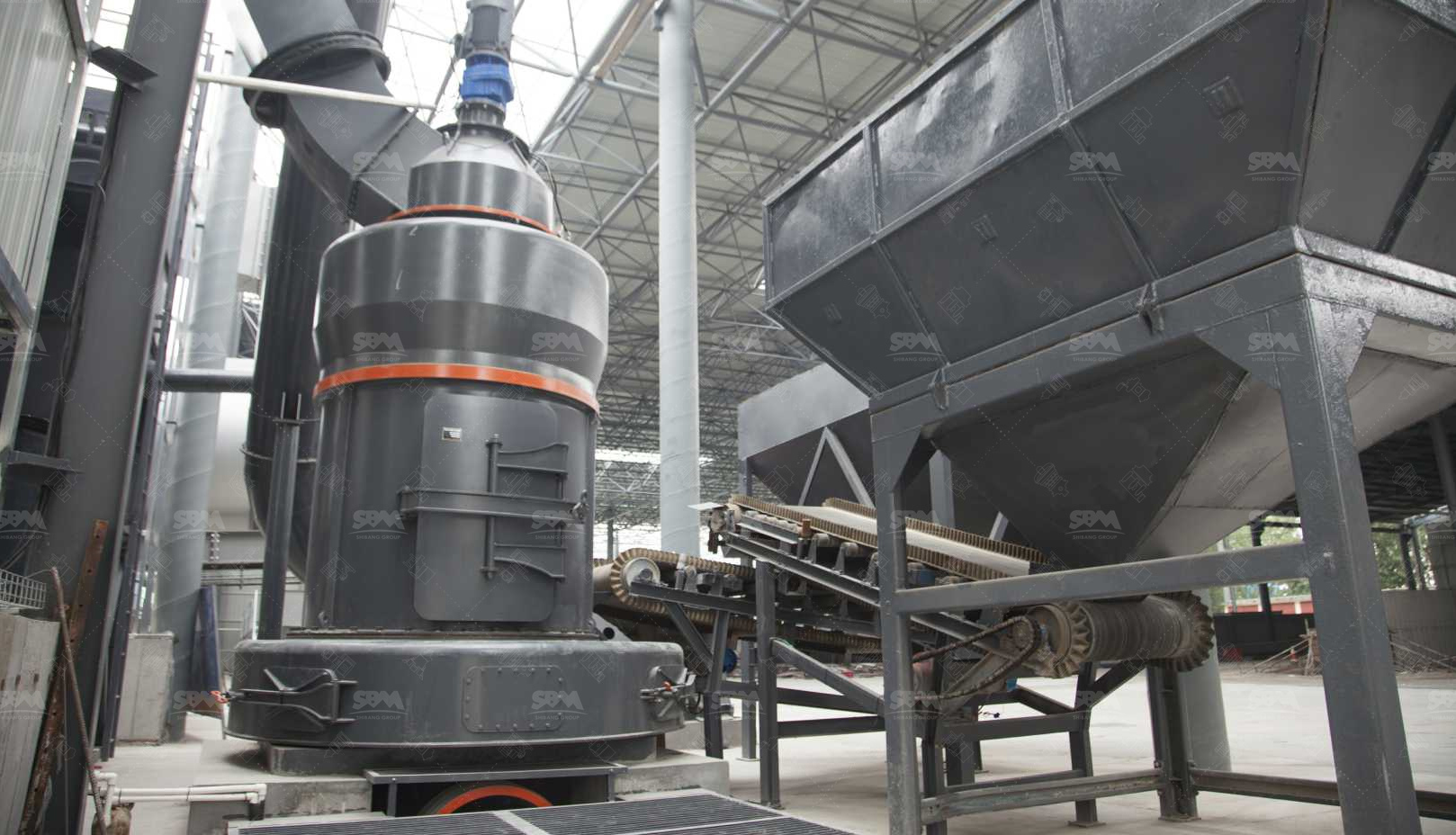
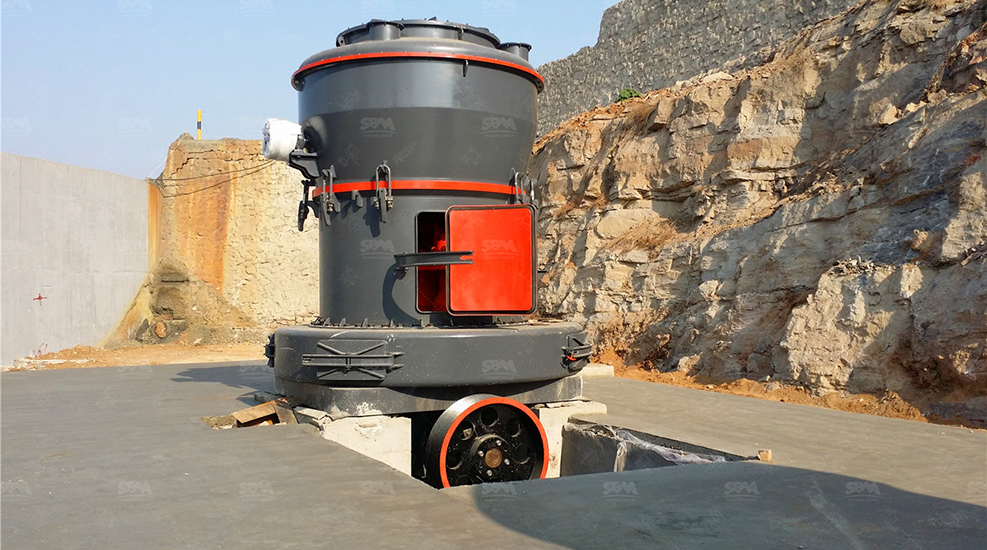
To meet the 325-mesh target efficiently, the industry is moving towards more sophisticated grinding systems. Two technological pathways stand out for processing marble in cement production: advanced vertical roller mills and ultra-fine grinding mills. These systems offer superior grinding efficiency, better particle size control, and integrated drying capabilities compared to conventional solutions.
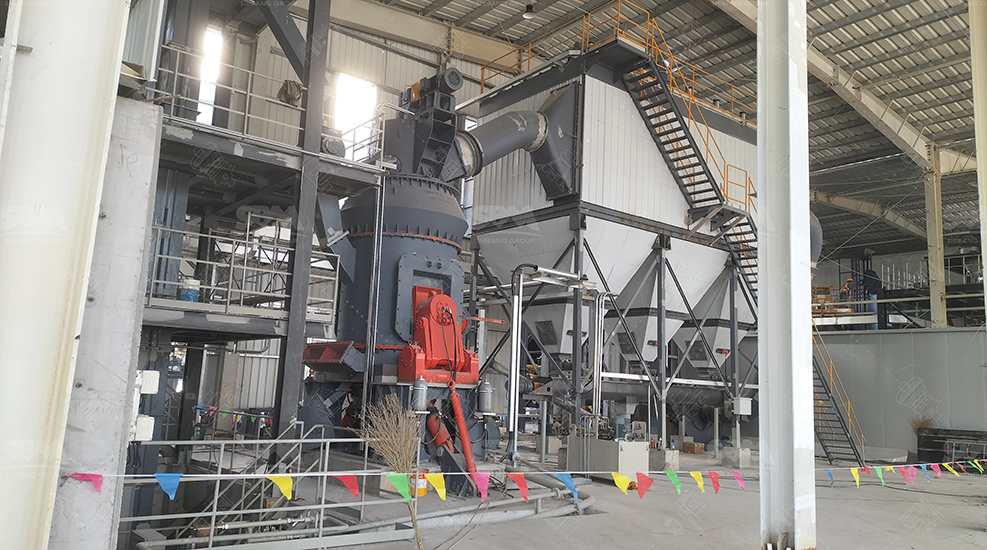
Vertical Roller Mills have become the technology of choice for raw material grinding in cement plants worldwide. Their principle involves a grinding table and rollers that crush and grind the material under pressure. A key advantage is their integrated design, which combines grinding, drying (with hot gas), classification (via an internal or external classifier), and material transport in a single, compact unit. This leads to significantly lower energy consumption per ton of product compared to traditional ball mills.
For marble grinding to 325 mesh, a VRM with a high-efficiency classifier is ideal. The classifier ensures that only particles meeting the fineness target leave the mill chamber, while coarser particles are recirculated for further grinding. This closed-circuit operation guarantees product uniformity.
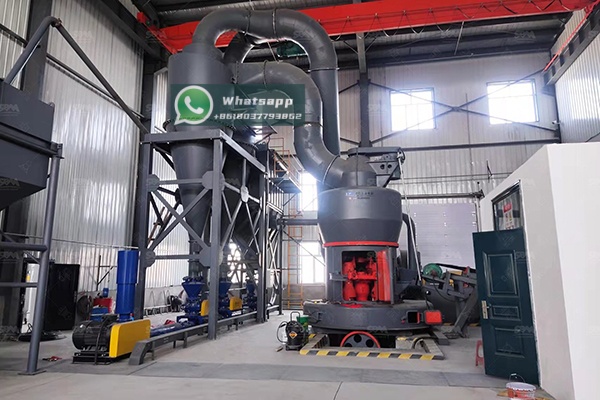
When the production focus is on exceptionally fine or consistent powders, specialized ultra-fine grinding mills are employed. These mills often use a combination of attrition, impact, and shear forces to achieve fineness levels from 325 mesh up to 2500 mesh. They are engineered for precise particle size distribution and often feature advanced classification systems. For cement producers looking to create high-value marble powders or composite cements with very specific properties, this technology offers unparalleled control.
For Australian cement producers aiming to integrate marble grinding into their process efficiently, Shanghai Zenith Machinery Co., Ltd. offers an excellent solution. As a leading manufacturer with great achievements in ultra-fine powder grinding, Zenith’s expertise is directly applicable to this challenge. Their LM Vertical Grinding Mill series is particularly well-suited for this application.
The LM Vertical Mill integrates five functions—crushing, grinding, powder selection, drying, and material conveying—into a single machine. Its compact structure reduces the occupational area, and its efficient grinding mechanism ensures low energy consumption per ton. For producing marble powder at 325 mesh, the LM Vertical Fine-powder Mill Series (LMX-GX) is the optimal choice. It is specifically designed to handle the demands of fine grinding with robust construction to resist abrasion.
Below are the technical parameters for two models from this series that are perfectly capable of delivering 325-mesh marble powder for cement production:
| Model | Plate Diameter (mm) | Capacity (t/h) | Output Fineness (D97) | Main Motor (kW) |
|---|---|---|---|---|
| LM130X-GX | 1300 | 4-12 | 325-600 mesh | 220 |
| LM220X-GX | 2200 | 15-30 | 325-600 mesh | 560 |
These mills provide the flexibility, reliability, and precise control needed to consistently produce high-quality marble filler meeting the 325-mesh specification, thereby enhancing the final cement product.
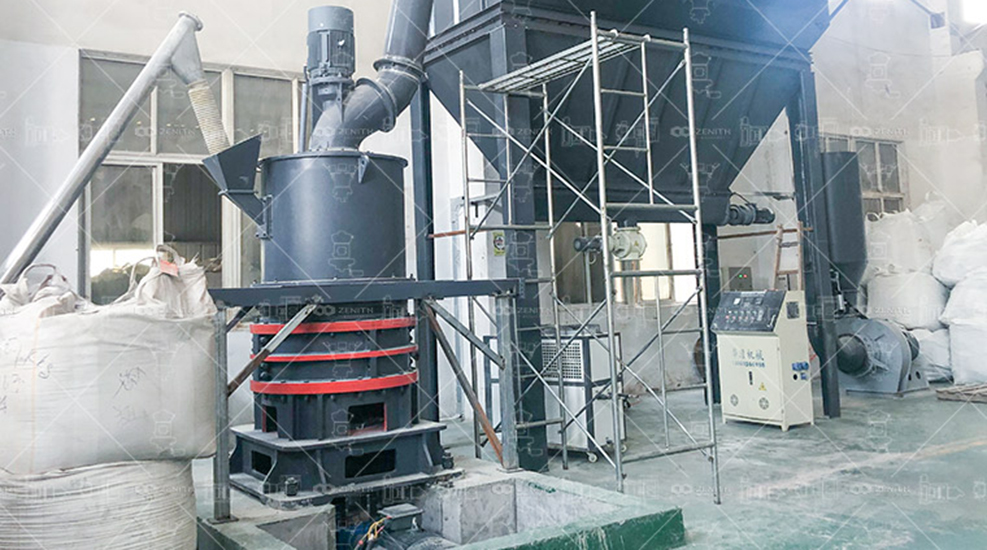
In scenarios where a cement plant operates a dedicated line for producing premium blended cements or requires marble powder of exceptional and consistent fineness, Zenith’s XZM Ultrafine Grinding Mill presents a compelling option. This mill is widely recognized for superfine powder production and can effortlessly achieve an output fineness range from 325 to 2500 mesh. Its design is ideal for grinding medium-hard materials like marble with moisture content below 6%.
The XZM series offers high productivity within a compact footprint and is known for its stable operation and long service life. For larger-scale production requirements, the following model is highly recommended:
| Model | Working Diameter (mm) | Max Feed Size (mm) | Final Size (mesh) | Output (kg/h) | Main Motor Power (kW) |
|---|---|---|---|---|---|
| XZM268 | Φ1680 | ≤20 | 325-2500 | 5000-25000 | 315 |
This mill ensures that the marble additive not only meets but can exceed the 325-mesh standard, allowing for greater reactivity and potential improvements in cement performance characteristics.
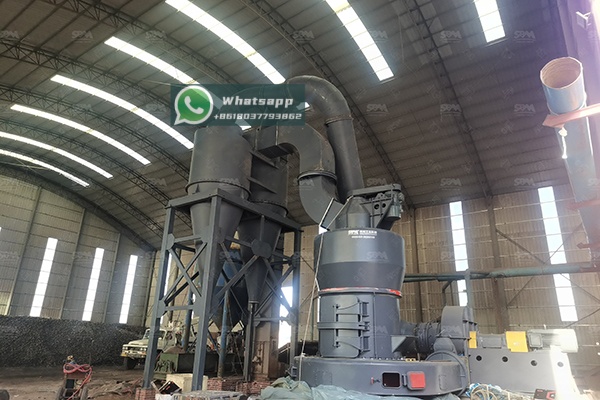
The strategic use of finely ground marble in cement production offers tangible benefits for product quality and performance. Achieving the optimal 325-mesh fineness efficiently requires modern, reliable grinding technology. Shanghai Zenith Machinery Co., Ltd., with its specialization in industrial powder grinding equipment, provides robust and technologically advanced solutions. Whether through the integrated efficiency of the LM Vertical Fine-powder Mill or the ultra-fine precision of the XZM Ultrafine Grinding Mill, Zenith offers Australian cement producers the tools to enhance their raw material processing, improve product consistency, and maintain a competitive edge in a demanding market. Investing in the right grinding technology is a decisive step towards more sustainable and high-performance cement manufacturing.