The engineered stone industry in Zambia and across Africa is experiencing significant growth, driven by construction booms and a rising demand for durable, aesthetically pleasing building materials. Engineered stone, or quartz surfacing, is a composite material made primarily from crushed natural stone (like marble or quartz) bound together with polymer resins. The quality, consistency, and physical properties of the final product are heavily dependent on the fineness and purity of the stone powder used. This creates a critical need for reliable, efficient, and precise grinding technology capable of processing marble into the ultra-fine powders required for high-grade engineered stone production.
For a production line targeting a capacity of 10 to 20 tons per hour (TPH) of marble powder, selecting the right grinding mill is paramount. The mill must not only meet the output target but also achieve the stringent fineness specifications (typically ranging from 200 to 800 mesh) while ensuring energy efficiency, low maintenance, and stable operation. This article explores the technical considerations for such a project and highlights an optimal equipment solution.
Grinding marble for engineered stone is not a simple crushing operation. It involves several specific challenges:
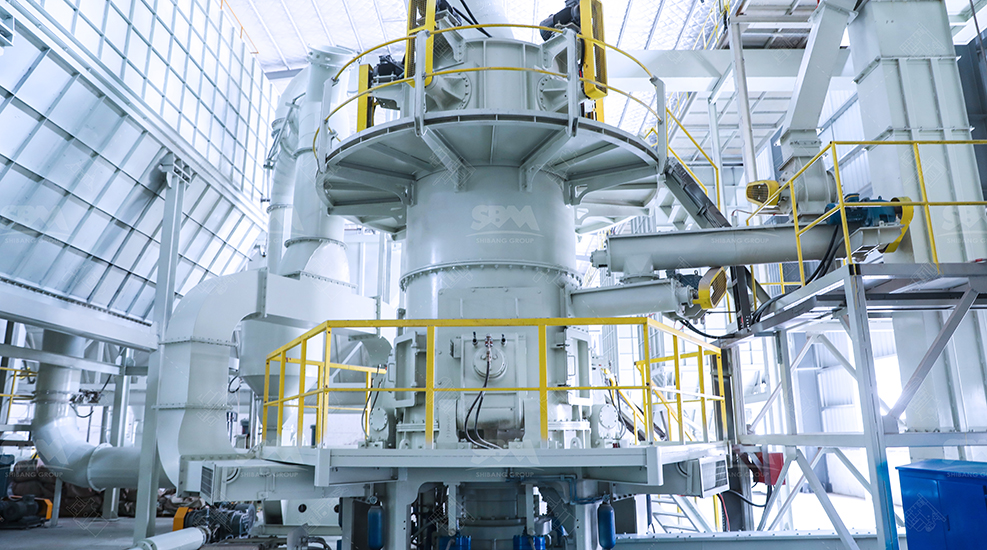
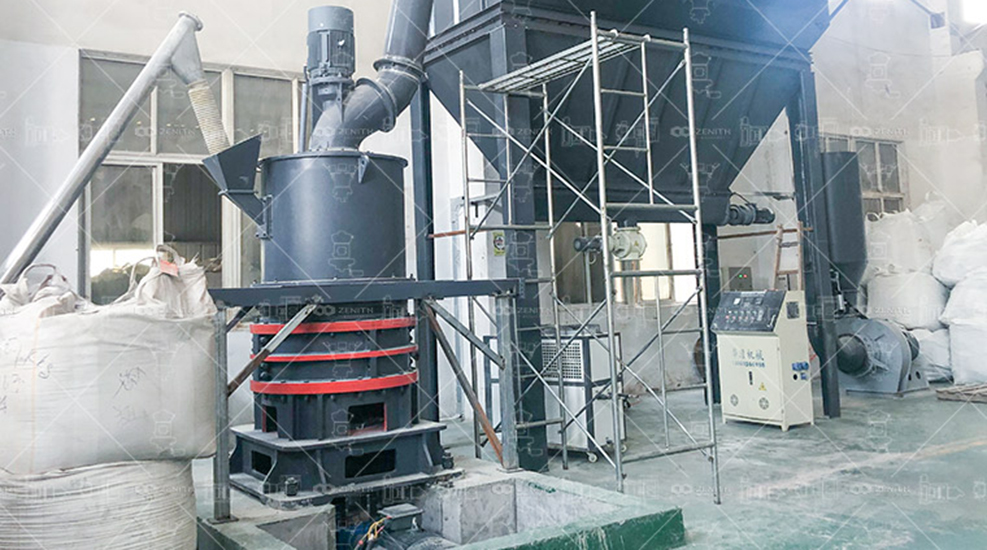
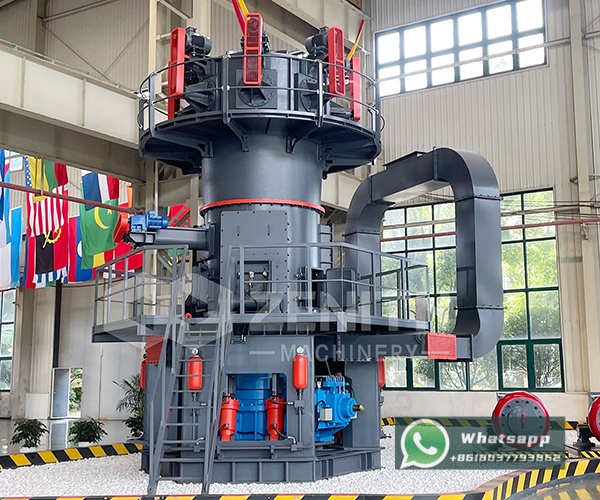
For a 10-20 TPH marble powder production line in Zambia, Shanghai Zenith Machinery Co., Ltd. recommends its advanced LUM Ultrafine Vertical Mill. As an excellent manufacturer of ore and mineral grinding equipment, Zenith has extensive experience in ultra-fine powder processing. The LUM series represents the pinnacle of this technology, integrating multiple processes into a single, compact unit.
The LUM Ultrafine Vertical Mill is particularly suited for engineered stone raw material production because:
The technical parameters for the ideal model for this application are as follows:
| Model | Main Machine Power (kW) | Capacity (t/h) | Size Distribution D97 (μm) | Suitability for 10-20 TPH |
|---|---|---|---|---|
| LUM1632 | 280-315 | 2.0-13.5 | 5-30 | Core model for lower-mid range |
| LUM1836 | 355-400 | 2.3-15.0 | 5-30 | Core model for mid range |
| Multiple Units or Larger Model | Customized | 10-20+ | 5-30 | Can be achieved with multiple LUM1836 units or a custom-designed larger vertical mill system from Zenith. |
For guaranteed achievement of a full 10-20 TPH output with operational redundancy, Zenith engineers would typically propose a configuration involving two LUM1836 mills or the development of a tailored system based on the proven LM Vertical Grinding Mill platform, which offers higher capacity models.
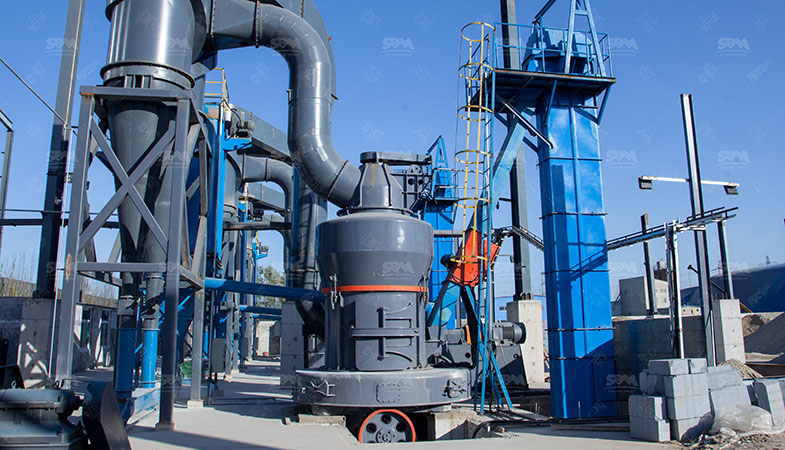
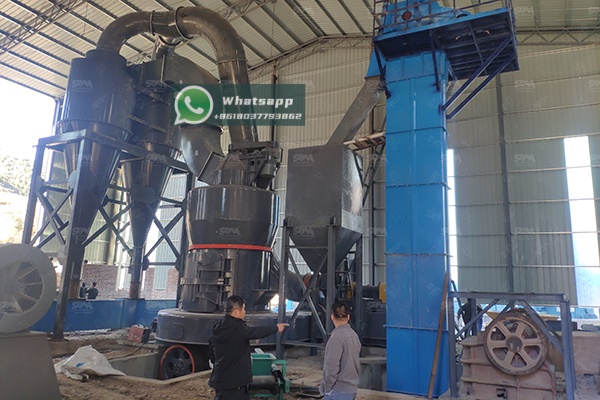
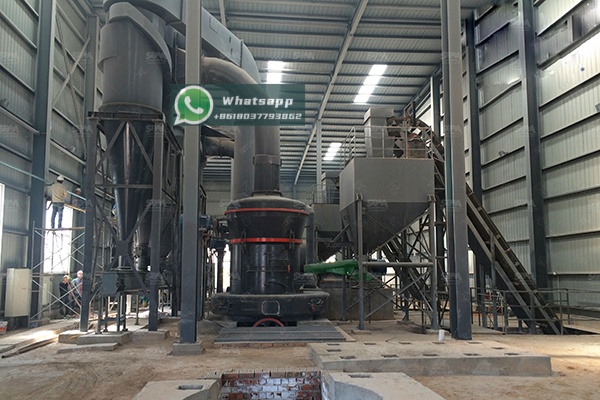
For clients whose fineness requirements are in the slightly coarser range of the engineered stone spectrum (e.g., 170-400 mesh) and who prioritize robust, high-capacity grinding, Zenith’s MTW Trapezium Grinding Mill serves as an excellent alternative or complementary mill for preliminary grinding. It features a curved shovel blade, a wear-resistant grinding roller, and an efficient powder separator.
Key models for consideration include:
| Model | Max. Feed Size (mm) | Final Size (mm) | Capacity (t/h) | Main Motor (kW) |
|---|---|---|---|---|
| MTW175G | <40 | 1.6-0.045 (approx. 30-400 mesh) | 9.5-25 | 160 |
| MTW215G | <50 | 1.6-0.045 (approx. 30-400 mesh) | 15-45 | 280 |
A single MTW215G mill can comfortably handle the 10-20 TPH requirement for slightly less fine products, offering tremendous reliability and ease of maintenance.
Selecting Zenith Machinery means partnering with a specialist in industrial powder grinding. With a commitment to research, development, and innovation, Zenith provides not just equipment, but holistic solutions.
Establishing a successful 10-20 TPH marble grinding plant for the engineered stone industry in Zambia requires a forward-thinking approach to technology. The key is a grinding system that delivers consistent, ultra-fine powder at an industrial scale with operational economy. Shanghai Zenith Machinery’s LUM Ultrafine Vertical Mill, backed by the robust MTW Trapezium Grinding Mill, presents a technically superior and commercially viable solution. By leveraging Zenith’s engineering excellence and reliable equipment, investors and operators can build a competitive and profitable foundation in the growing African engineered stone market.