Qatar’s rapid industrialization and ambitious infrastructure projects have fueled a booming plastics and composites sector. From construction materials to automotive components, plastic products require functional fillers to improve mechanical properties, reduce production costs, and enhance surface finish. Among these fillers, ground marble – a naturally occurring calcium carbonate (CaCO3) – stands out for its whiteness, chemical stability, and excellent dispersion characteristics. For plastic applications such as PVC pipes, profiles, masterbatch, and thermoplastic compounds, a particle size of 80 mesh (approximately 180 microns) is often specified as a cost-effective balance between reinforcement and processability.
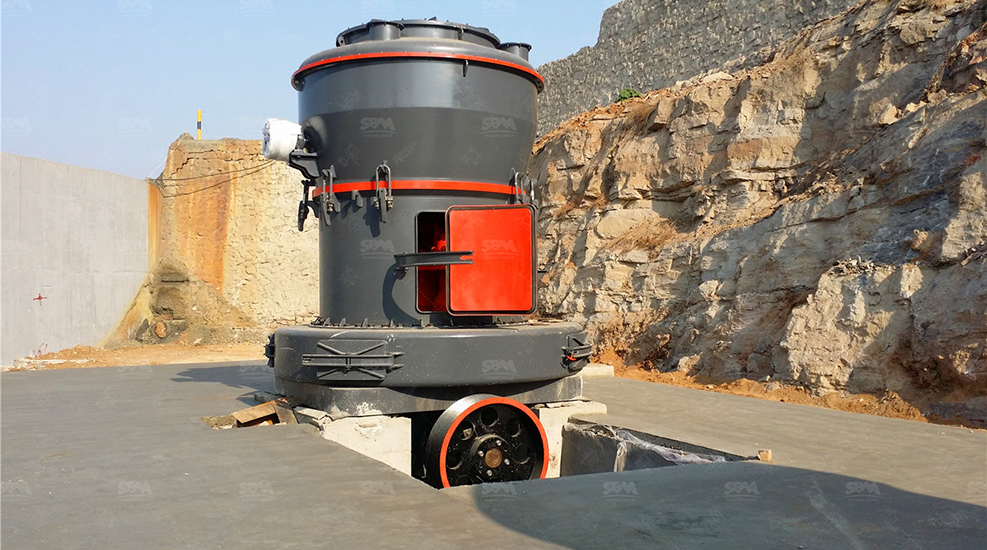
Choosing the right marble grinding mill is therefore critical for Qatari manufacturers aiming to produce consistent, high-quality filler at competitive costs. Traditional ball mills and Raymond mills, while widely used, often fall short in energy efficiency, fineness control, and throughput for this specific application. This article explores the ideal grinding solutions for producing 80 mesh marble powder in Qatar, highlighting advanced mill technologies that deliver superior performance.
Marble powder at 80 mesh serves as a semi-reinforcing filler in many plastic systems. The 180-micron average particle size provides a good balance: it is fine enough to avoid surface roughness and high wear on processing equipment, yet coarse enough to allow high loading levels (up to 40-60% by weight in some compounds) without excessive viscosity increase. The benefits include:
In Qatar’s hot climate, plastic products for outdoor applications (pipes, window profiles, automotive parts) benefit from the UV resistance and low thermal expansion coefficient provided by marble filler.
Producing 80 mesh marble filler requires a mill that can handle the abrasive nature of calcium carbonate while maintaining precise particle size distribution. Key factors to consider include:
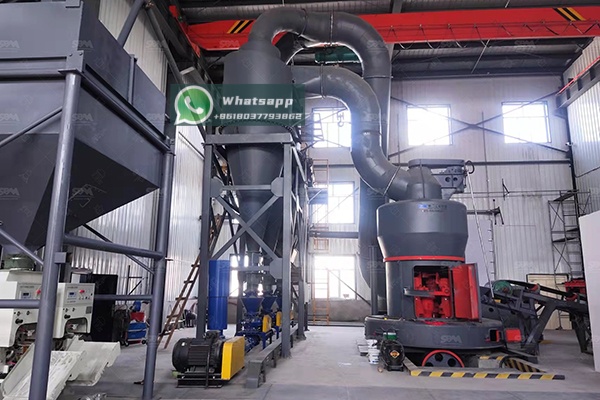
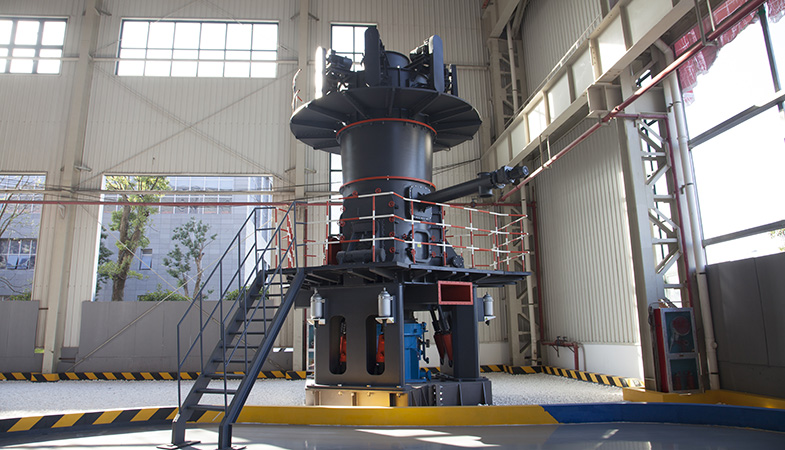
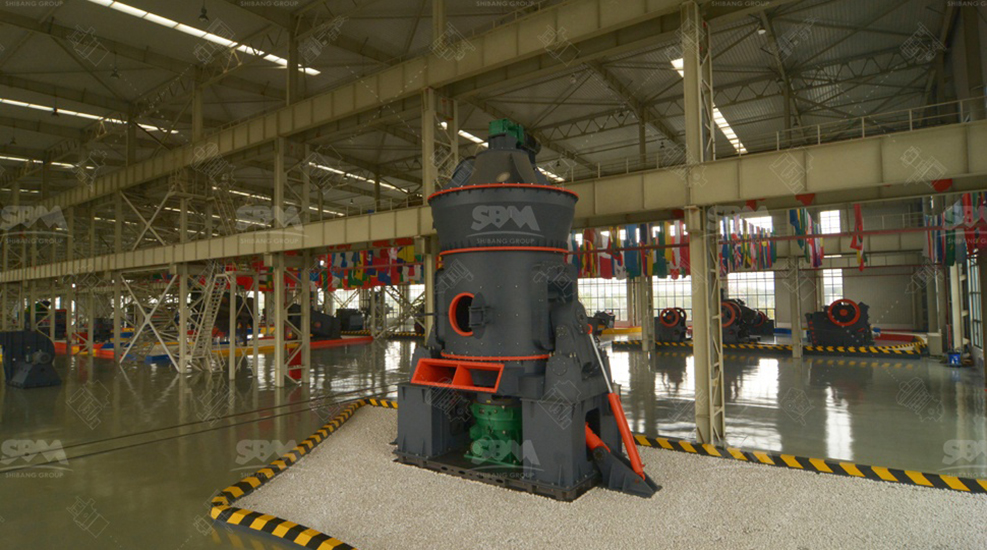
Shanghai Zenith Machinery Co., Ltd. has extensive experience in designing grinding equipment tailored to the mineral filler industry. For marble processing in Qatar, two mill models stand out: the MTW Trapezium Grinding Mill and the MTM Medium-Speed Grinding Mill. Both are capable of producing 80 mesh marble powder with excellent consistency and energy efficiency.
The MTW series is a flagship product of Zenith, incorporating multiple patented technologies. Its trapezoidal grinding roller and ring design increases effective grinding area by over 50% compared to traditional Raymond mills, leading to higher capacity and finer product. For 80 mesh marble, the mill operates with minimal vibration and noise, thanks to the optimized curved air duct and impeller design. The internal classifier can be adjusted to produce product with d80 as coarse as 1000 microns or as fine as 38 microns, making it extremely flexible.
Recommended model for a 10 t/h 80 mesh quartz plant: MTW138Z. Key parameters:
| Parameter | Value |
|---|---|
| Max. Feed Size | <35 mm |
| Product Fineness (80 mesh) | d80 ≈ 180 μm |
| Capacity (t/h) | 6 – 17 |
| Main Motor Power (kW) | 90 |
| Fan Motor Power (kW) | 110 |
| Noise Level | <75 dB |
For applications requiring a more compact and economical solution, the MTM series offers excellent value. It features a unique roller suspension system that reduces impact and vibration, and the grinding ring is designed for long wear life even with abrasive marble. The MTM160 model, with its 6 rollers, can easily produce 80 mesh marble at 9-22 t/h, making it suitable for medium to large production lines.
Recommended model for a 15 t/h plant: MTM160. Key parameters:
| Parameter | Value |
|---|---|
| Max. Feed Size | <35 mm |
| Product Fineness (80 mesh) | d80 ≈ 180 μm |
| Capacity (t/h) | 9 – 22 |
| Main Motor Power (kW) | 132 |
| Weight (t) | ~15 |
A typical marble grinding plant producing 80 mesh filler for plastics includes:
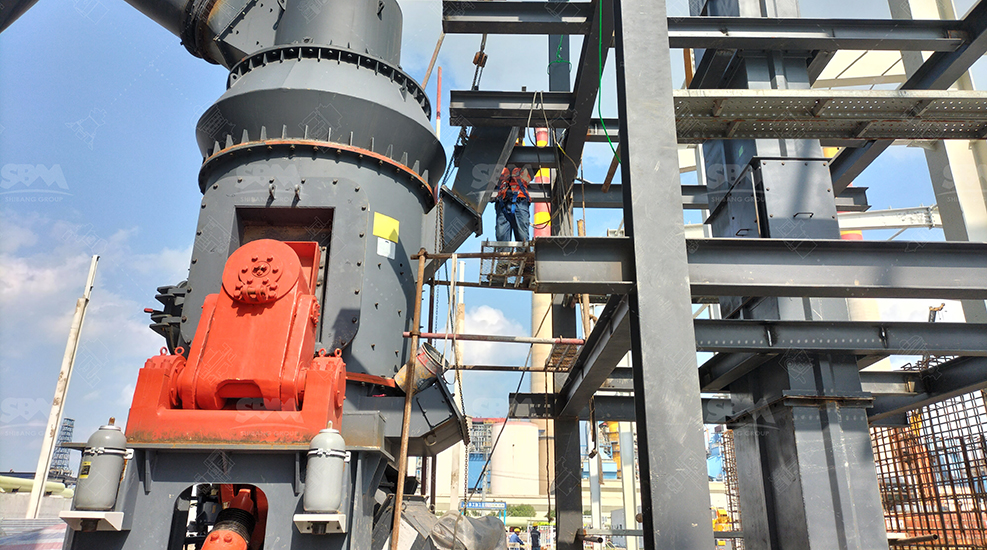
Zenith provides complete system engineering, including conveyor systems, electrical control cabinets (with PLC for remote monitoring), and maintenance platforms. For Qatari clients, the company also offers customized solutions such as water injection for moisture control and stainless steel parts for corrosive environments.
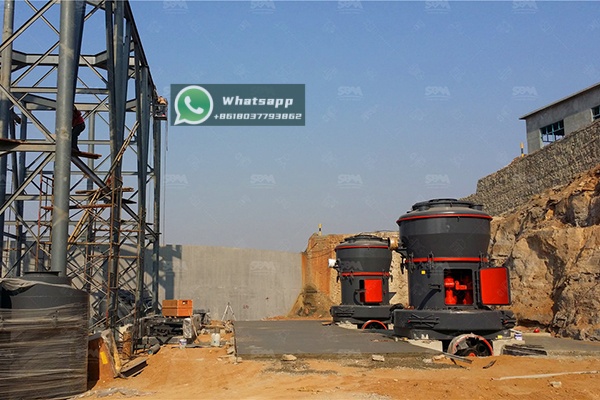
As Qatar continues to diversify its economy and develop local manufacturing capabilities, the demand for high-quality plastic fillers will only increase. Investing in the right grinding technology is key to producing consistent 80 mesh marble powder that meets international standards. Shanghai Zenith Machinery Co., Ltd. offers proven, reliable solutions with the MTW Trapezium Grinding Mill and MTM Medium-Speed Grinding Mill – both capable of delivering the required fineness, capacity, and energy efficiency. With decades of experience and a global service network, Zenith is the ideal partner for any marble processing project in Qatar. Contact us today for a feasibility study and equipment quotation tailored to your specific raw materials and production targets.