Lebanon faces persistent challenges in water supply, wastewater management, and the rehabilitation of aging treatment infrastructure. From Beirut and Mount Lebanon to Tripoli, Zahle, and the Bekaa Valley, operators must handle acidic groundwater, aggressive rainwater, industrial effluents, and landfill leachate. A reliable, locally produced alkaline material can make water treatment more stable and cost-effective. Marble, a metamorphic rock composed primarily of calcium carbonate (CaCO3), is one of the most practical materials for this purpose. When ground to 80 mesh, marble powder becomes a versatile reagent and filter medium for pH correction, alkalinity adjustment, remineralization, and neutralization.
Shanghai Zenith Machinery Co., Ltd. is an excellent manufacturer of ore grinding equipment in China and has made great achievements in the field of ultra-fine powder grinding. We specialize in research, development, and production of industrial powder grinding equipment. Our product range includes MTW Trapezium Grinding Mill, Ball Mill, MTM Medium-Speed Grinding Mill, Raymond Mill, LM Vertical Grinding Mill, LUM Ultrafine Vertical Mill, XZM Ultrafine Grinding Mill, and Hammer Mill. This article explains how to select a marble grinding mill for water treatment in Lebanon, with a focus on the 80 mesh product size, and recommends two Zenith mills that are well suited to this application.
80 mesh is a widely used specification in water treatment because it corresponds to a particle size of approximately 0.177 mm, or 177 microns. In practical terms, a product described as 80 mesh usually means that at least 90% of the powder passes through an 80 mesh sieve. This size range offers a careful balance between surface area and reaction time. If the marble powder is too fine, it can dissolve too quickly, create excessive turbidity, blind filters, and form hard deposits in dosing systems. If it is too coarse, the neutralization reaction becomes too slow, and the material may settle in tanks before it can raise pH and alkalinity effectively.
In Lebanon, 80 mesh marble powder can be used in several water treatment duties. First, it can neutralize acidic water in municipal and industrial plants. Acidic streams are common in areas affected by industrial discharge, mining runoff, and atmospheric deposition. Second, it can adjust alkalinity and pH in potable water after desalination or advanced treatment, protecting distribution pipes from corrosion. Third, it can act as a filter medium or filter aid in multi-stage treatment systems, helping to remove suspended solids and precipitate dissolved metals. Fourth, it can be used for remineralization, adding calcium and carbonate hardness to soft or aggressive water. In each case, consistent particle size is critical for predictable performance.
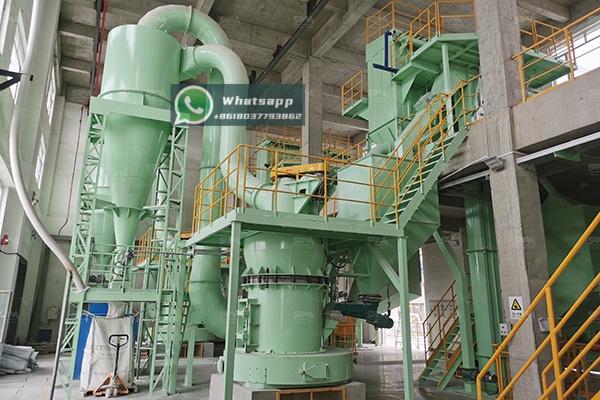
Marble deposits and marble processing waste in Lebanon are generally rich in calcium carbonate. A suitable feedstock for water treatment should have a high CaCO3 content, ideally above 95%, with low levels of silica, iron, and heavy metals. The material should be dry or only slightly moist, because excessive moisture can reduce mill capacity and cause sticking in the grinding chamber. Marble has a Mohs hardness of about 3, so it is relatively easy to grind compared with quartz or basalt, but abrasive impurities can still accelerate wear.
For an 80 mesh water treatment product, a typical specification may include: CaCO3 content of 95% or higher; 80 mesh passing rate of 90% or more; moisture below 0.5%; and controlled bulk density. If the powder is intended for potable water treatment, additional testing for heavy metals and microbiological safety may be required to meet local and international guidelines. The grinding plant should therefore be designed with dust collection, contamination control, and accurate classification.
A complete marble grinding plant for water treatment usually includes crushing, feeding, grinding, classification, dust collection, conveying, and storage. The first stage is primary crushing. Large marble lumps are reduced by a jaw crusher or hammer crusher to a feed size suitable for the mill, typically less than 30 mm to 50 mm. A vibrating feeder and belt conveyor then deliver the crushed material to the mill at a controlled rate.
The grinding stage is the heart of the process. The mill must be able to produce a stable 80 mesh product while maintaining high capacity and low energy consumption. An air classifier or dynamic powder selector is used to separate finished powder from oversize particles. Oversize material is returned to the grinding chamber for further reduction. This closed-circuit arrangement ensures that the final product meets the 80 mesh specification without over-grinding the entire feed. Over-grinding wastes energy and creates too many fines, which can be undesirable in water treatment.
Dust control is essential in Lebanon, where plants may be located near residential areas or agricultural land. A pulse-jet bag filter or cartridge dust collector should be installed on the mill outlet, elevator, silo, and packing station. The collected dust can be returned to the product stream. Finished 80 mesh marble powder is usually stored in a silo and delivered in bulk tankers or 25 kg bags. For water treatment plants, moisture-proof packaging and clean storage prevent caking and maintain flowability.
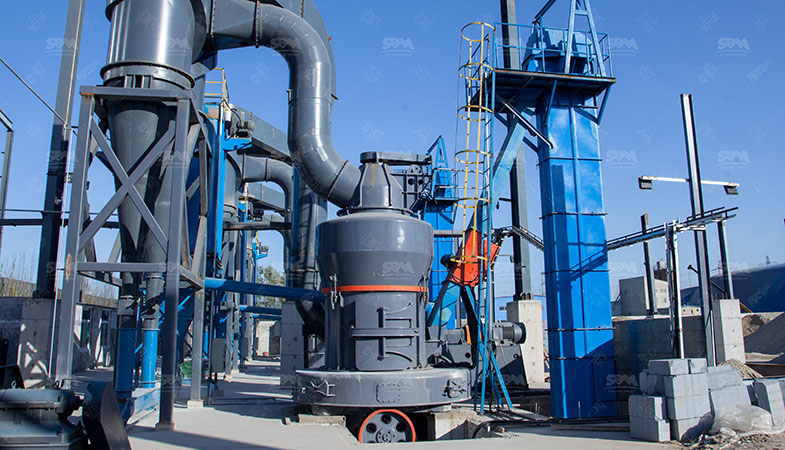
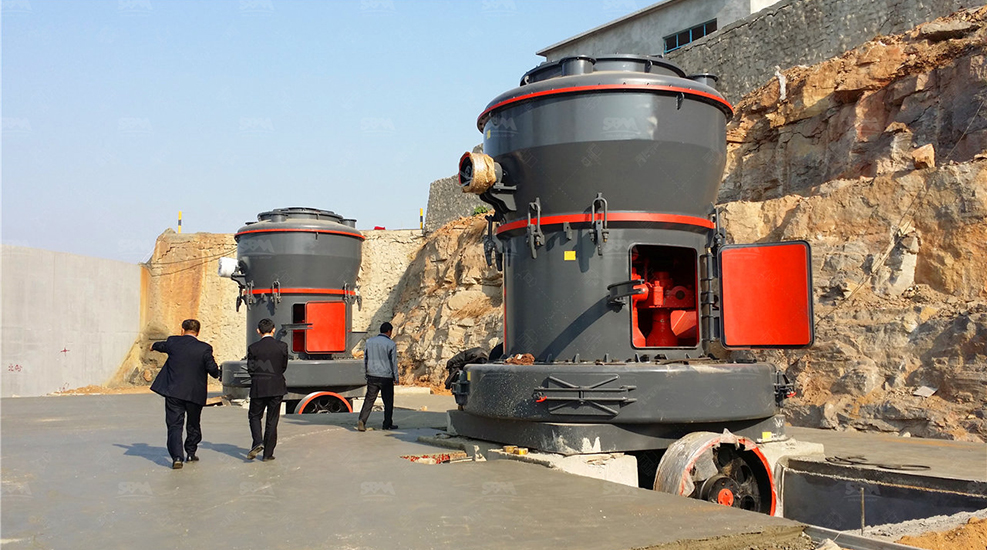
Based on the requirements of water treatment plants in Lebanon, Shanghai Zenith recommends two grinding mills: the MTW Trapezium Grinding Mill and the LM Vertical Grinding Mill. Both are robust, energy-efficient, and capable of producing 80 mesh marble powder. The choice depends on required capacity, available space, investment budget, and the desired level of automation.
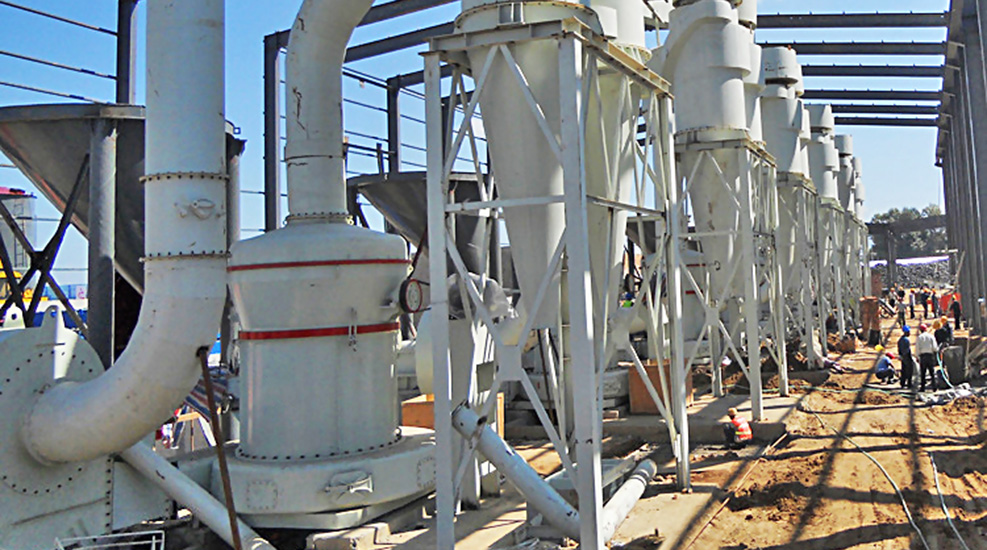
The MTW Trapezium Grinding Mill is a grinding mill with multiple patents, known for its compact structure, long service life, and eco-friendly design. It is suitable for processing materials with a maximum input size of 50 mm and can produce a final product as fine as 0.038 mm. For 80 mesh marble powder, the classifier can be adjusted to the coarser end of its range, giving a product with 90% passing 0.177 mm. The MTW mill is an excellent choice for small to medium water treatment powder production lines in Lebanon, especially where local marble waste is available and the required capacity is between 3 and 25 t/h.
| Model | Max. Feed Size (mm) | Final size (mm) | Capacity (t/h) | Main motor (kW) | Fan motor (kW) |
|---|---|---|---|---|---|
| MTW110 | <30 | 1.6-0.045 | 3-9 | 55 | 55 |
| MTW110Z | <30 | 1.6-0.045 | 3-10 | 55 | 55 |
| MTW138Z | <35 | 1.6-0.045 | 6-17 | 90 | 110 |
| MTW175G | <40 | 1.6-0.045 | 9.5-25 | 160 | 200 |
| MTW215G | <50 | 1.6-0.045 | 15-45 | 280 | 315 |
The MTW series uses a bevel gear transmission, internal thin oil lubrication, and a curved blade design that improves material lifting and grinding efficiency. Its high-efficiency classifier produces a sharp cut point, which helps maintain a consistent 80 mesh product. The mill can be equipped with a pulse dust collector to meet environmental requirements. In Lebanon, where electricity costs can be high and the grid may be unstable, the MTW mill offers a practical balance between capacity, fineness control, and power consumption.
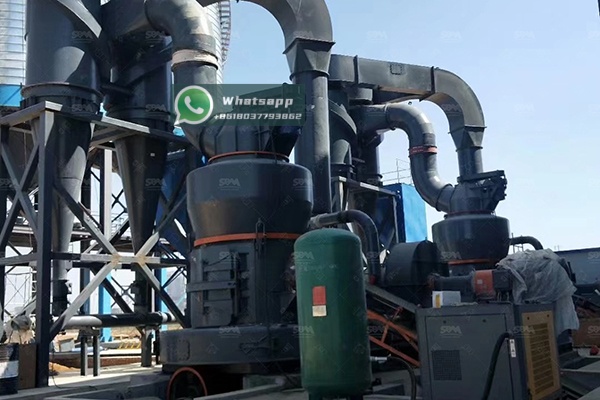
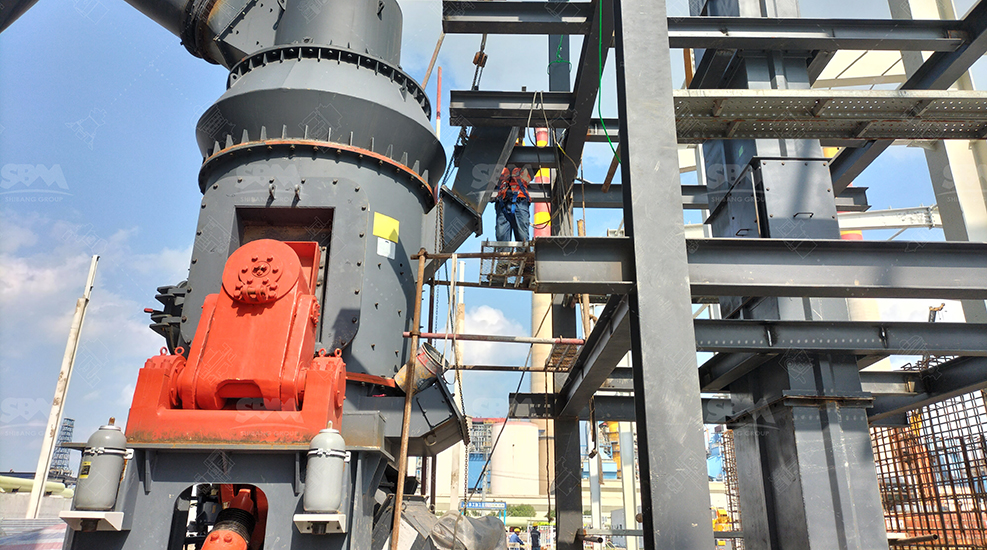
For larger water treatment projects or central grinding stations, the LM Vertical Grinding Mill is an outstanding option. It integrates five functions—crushing, grinding, powder selection, drying, and material conveying—into a single machine. This design offers a small occupational area, produces a fine final powder, and provides an eco-friendly production solution. The LM Vertical Mineral Mill Series can produce output fineness from 170 μm to 40 μm. Since 80 mesh is approximately 177 μm, the LM mill can be set to produce a product that passes 80 mesh. Its capacity ranges from 10 t/h to 170 t/h, making it suitable for municipal water authorities, industrial parks, and commercial powder producers in Lebanon.
| Model | Plate diameter (mm) | Capacity (t/h) | Output fineness (μm) | Max feed size (mm) | Main motor (kW) |
|---|---|---|---|---|---|
| LM130K | 1300 | 10-28 | 170-40 | <38 | 200 |
| LM190K | 1900 | 23-68 | 170-40 | <45 | 500 |
| LM280K | 2800 | 50-170 | 170-45 | <50 | 1250 |
The LM mill uses a vertical grinding roller on a rotating plate. Material is ground between the rollers and the plate, then lifted by an air stream to the classifier. Oversize particles fall back to the grinding zone. Because the mill can dry material using hot air, it is tolerant of moderate moisture in the feedstock. This is useful in Lebanon, where marble stockpiles may be exposed to seasonal rain. The LM mill also has a smaller footprint than a ball mill and can reduce civil construction costs. Its lower specific energy consumption is a major advantage for plants facing high electricity tariffs or relying on diesel generators.
Choosing between the MTW Trapezium Grinding Mill and the LM Vertical Grinding Mill depends on project scale and operating priorities. If the water treatment plant requires a compact, flexible system with capacities from 3 t/h to 25 t/h, the MTW series is often the most economical choice. Models such as MTW110, MTW110Z, and MTW138Z are suitable for small municipal plants, industrial wastewater facilities, and decentralized water treatment units. If the project requires 20 t/h to 100 t/h or more, the LM Vertical Mill, especially LM130K, LM190K, or LM280K, offers higher capacity, lower energy consumption per ton, and a smaller building footprint.
For both mills, the key to successful 80 mesh production is proper classification and stable feed. The operator should avoid excessive moisture, sudden feed surges, and worn classifier blades. Routine maintenance of grinding rollers, rings, and liners is also important. With the right setup, a Zenith marble grinding plant can produce consistent 80 mesh calcium carbonate powder for water treatment in Lebanon for many years.
Quality control should begin with incoming marble feedstock and continue through the finished product. Important tests include calcium carbonate content, particle size distribution, moisture, bulk density, and pH reactivity. A simple sieve analysis using an 80 mesh sieve can confirm the passing rate. For drinking water applications, the powder should be tested for heavy metals and other contaminants according to applicable standards. The grinding system should be designed to prevent cross-contamination, especially if the same plant processes other minerals. Stainless steel contact points, sealed conveyors, and clean bag filters can help maintain product purity.
Water treatment operators also benefit from consistent packaging and storage. 80 mesh marble powder should be kept dry and protected from moisture. Bulk silos, lined bags, and humidity-controlled warehouses are recommended. In Lebanon, where humidity can be high along the coast, proper storage prevents caking and ensures smooth feeding into dosing or slurry systems.
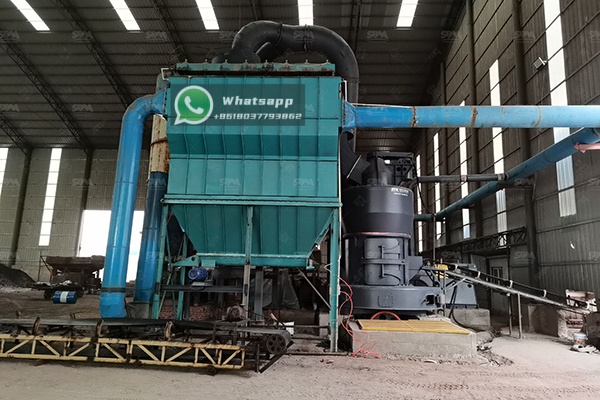
Using local marble grinding to produce 80 mesh water treatment powder offers several advantages for Lebanon. It reduces dependence on imported chemicals, supports local quarry and marble processing industries, and creates jobs. It also allows water treatment plants to adjust pH and alkalinity with a natural, alkaline material. Modern Zenith mills are designed with dust collection, noise reduction, and energy efficiency in mind. The MTW and LM mills can operate with negative pressure and bag filters to minimize dust emissions. This is especially important in populated areas and agricultural regions.
From an operational perspective, both mills are engineered for continuous production. They can be automated with PLC control, variable frequency drives, and remote monitoring. This reduces labor requirements and improves safety. Spare parts and technical support from Shanghai Zenith help Lebanese operators maintain high availability, even when local resources are limited.
Marble grinding for water treatment in Lebanon is a practical response to the country’s water quality and infrastructure challenges. An 80 mesh calcium carbonate powder provides effective pH correction, alkalinity adjustment, remineralization, and neutralization performance. Shanghai Zenith Machinery Co., Ltd. offers proven grinding technology for this application. The MTW Trapezium Grinding Mill is ideal for small to medium capacity plants, while the LM Vertical Grinding Mill is the preferred solution for high-capacity, energy-efficient production. With proper circuit design, dust control, and quality control, Lebanon can produce reliable 80 mesh marble powder for municipal and industrial water treatment. Contact Shanghai Zenith for a customized marble grinding solution, equipment selection, and technical parameters for your project in Lebanon.