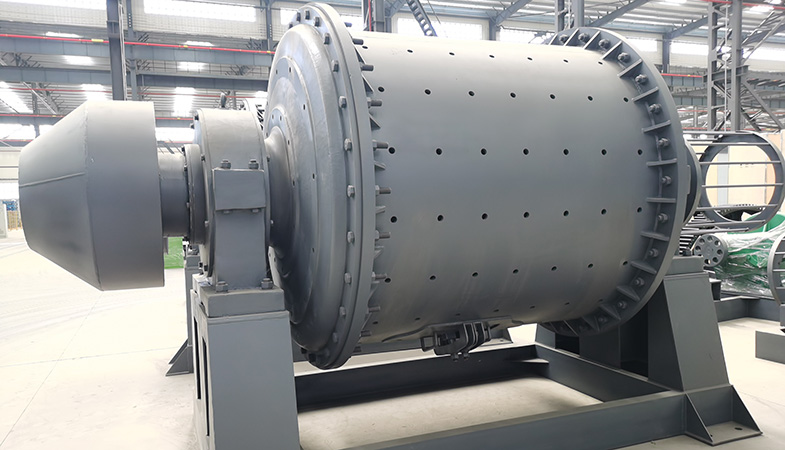
For decades, ball mills have been the workhorse of mineral processing operations worldwide. Their simple principle of operation—utilizing cascading grinding media to reduce material size—has made them a staple in industries ranging from cement production to metal ore processing. However, as industrial demands evolve toward higher efficiency, finer particle sizes, and reduced energy consumption, the inherent limitations of traditional ball mills have become increasingly apparent.
Traditional ball mills suffer from several significant drawbacks: high energy consumption with low efficiency, limited fineness control, large footprint requirements, substantial noise generation, and maintenance-intensive operation. These limitations have driven the industry to seek more advanced grinding solutions that can deliver superior performance while addressing environmental and economic concerns.
One of the most pressing issues with conventional ball mills is their poor energy utilization. Studies indicate that only 1-2% of the input energy is actually used for the size reduction process, with the majority being lost as heat, noise, and mechanical friction. This inefficiency translates directly to higher operational costs and environmental impact.
Furthermore, traditional ball mills struggle to achieve consistent ultra-fine grinding results. The random impact nature of grinding media movement makes precise particle size control challenging, often resulting in broad particle size distributions that may not meet modern application requirements.
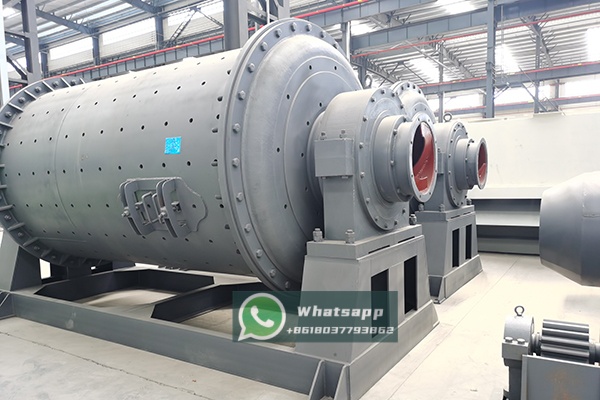
In response to these challenges, Shanghai Zenith Machinery Co., Ltd. has developed advanced grinding technologies that overcome the limitations of traditional ball mills. Our research and development efforts have focused on creating equipment that delivers higher efficiency, finer grinding capabilities, and reduced environmental impact.
Among the most significant advancements in grinding technology is the development of vertical grinding mills. Unlike traditional ball mills that rely on tumbling action, vertical mills utilize a bed compression grinding principle that dramatically improves energy efficiency.
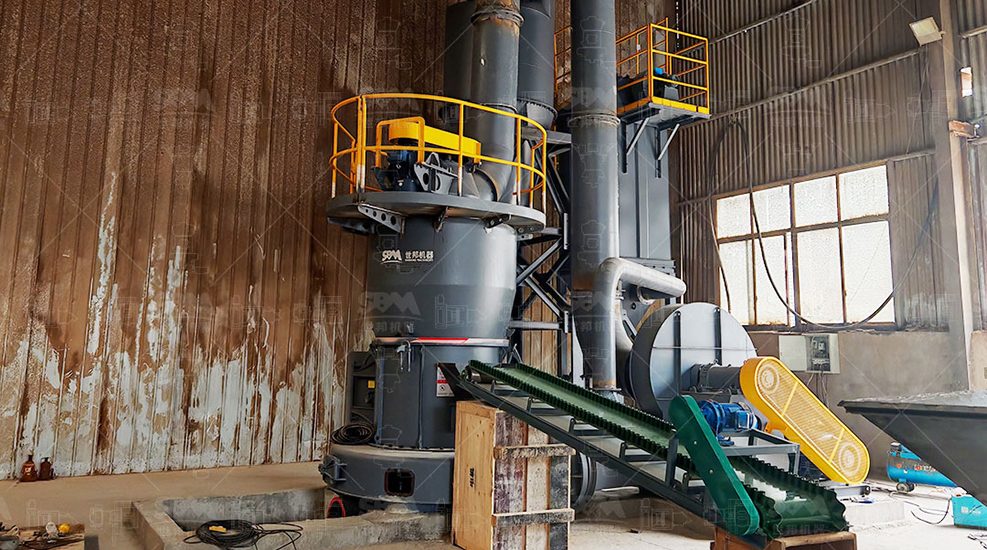
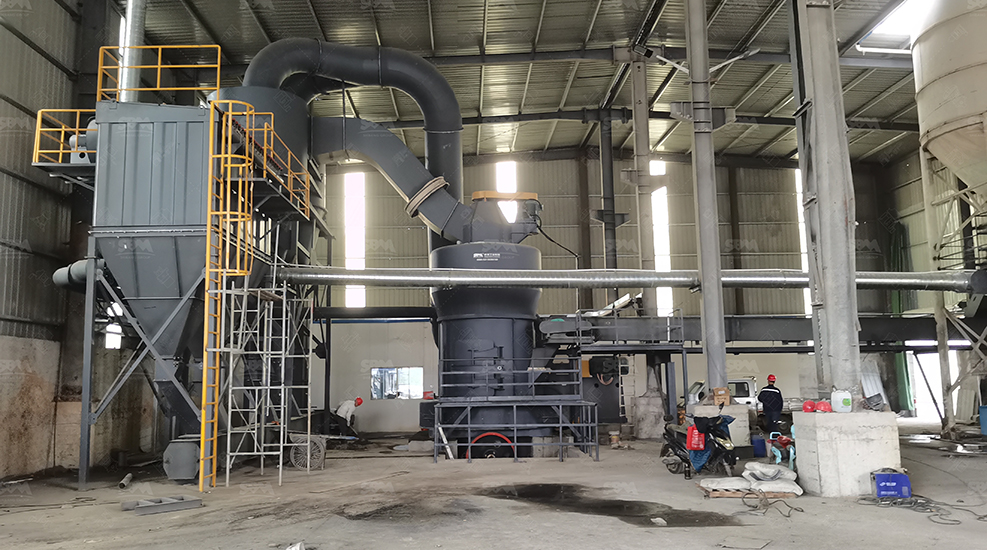
Shanghai Zenith’s LM Vertical Grinding Mill represents a paradigm shift in grinding technology. This innovative equipment integrates five functions—crushing, grinding, powder selection, drying, and material conveying—into a single compact unit. The result is a dramatic reduction in energy consumption while maintaining superior grinding performance.
| Model | Plate diameter (mm) | Capacity (t/h) | Output fineness (μm) | Max feed size (mm) | Main motor (kW) |
|---|---|---|---|---|---|
| LM130K | 1300 | 10-28 | 170-40 | <38 | 200 |
| LM190K | 1900 | 23-68 | 170-40 | <45 | 500 |
| LM280K | 2800 | 50-170 | 170-45 | <50 | 1250 |
The vertical configuration offers several distinct advantages over traditional ball mills. The integrated drying system allows for processing materials with moisture content up to 15%, eliminating the need for separate drying equipment. Additionally, the compact design reduces the mill’s footprint by up to 50% compared to ball mills of equivalent capacity.
For applications requiring exceptionally fine particle sizes, traditional ball mills reach their practical limitations. The grinding efficiency decreases exponentially as target particle size reduces, making ultra-fine grinding economically unviable with conventional technology.
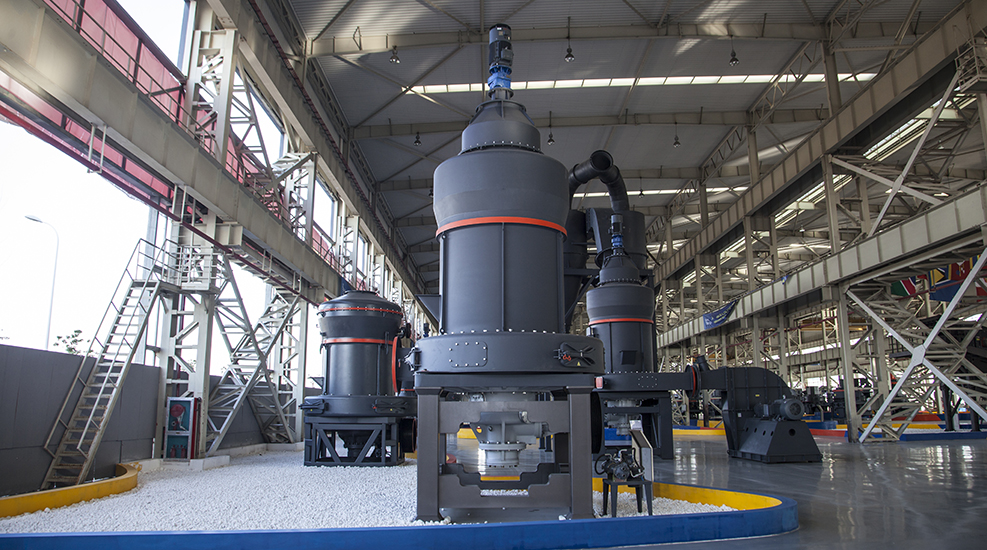
Shanghai Zenith addresses this challenge with our LUM Ultrafine Vertical Mill, specifically engineered for high-efficiency ultra-fine powder production. This advanced mill incorporates several proprietary technologies that enable it to achieve fineness levels up to 5-30 microns (D97) while maintaining stable operation and low energy consumption.
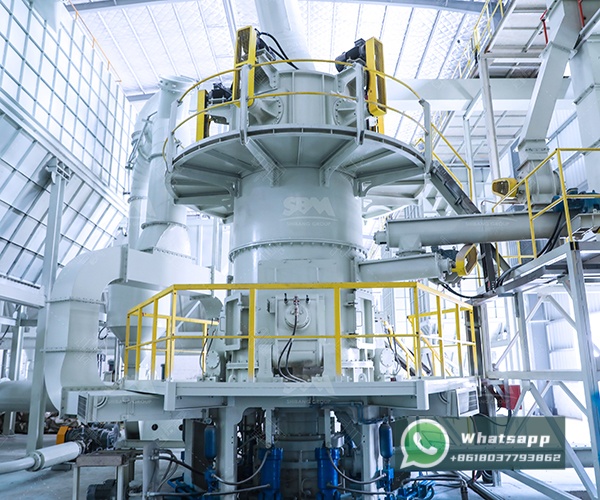
| Model | Main machine power (kW) | Capacity (t/h) | Size distribution D97 (μm) |
|---|---|---|---|
| LUM1525 | 220-250 | 1.6-11.5 | 5-30 |
| LUM1632 | 280-315 | 2.0-13.5 | 5-30 |
| LUM1836 | 355-400 | 2.3-15 | 5-30 |
The LUM series incorporates an intelligent control system that automatically adjusts operational parameters to maintain optimal grinding conditions. This not only ensures consistent product quality but also minimizes operator intervention and reduces the skill level required for operation.
The transition from traditional ball mills to advanced grinding systems delivers substantial environmental benefits. Shanghai Zenith’s vertical grinding mills typically reduce energy consumption by 30-50% compared to ball mills of similar capacity. This reduction directly translates to lower carbon emissions and operational costs.
Noise pollution, a significant concern with traditional ball mills operating at 90-120 dB, is dramatically reduced in modern vertical mills. Advanced sound insulation and the absence of cascading grinding media create a much quieter working environment, typically below 85 dB.
Maintenance requirements are also significantly reduced. The modular design of our grinding mills allows for quick replacement of wear parts without extensive disassembly. Online monitoring systems provide real-time data on equipment condition, enabling predictive maintenance and minimizing unplanned downtime.
Different industries and materials require tailored grinding approaches. Shanghai Zenith offers a comprehensive range of grinding equipment to meet diverse application needs:
Each solution is engineered to overcome specific limitations of traditional ball mills while delivering superior performance in its target application range.
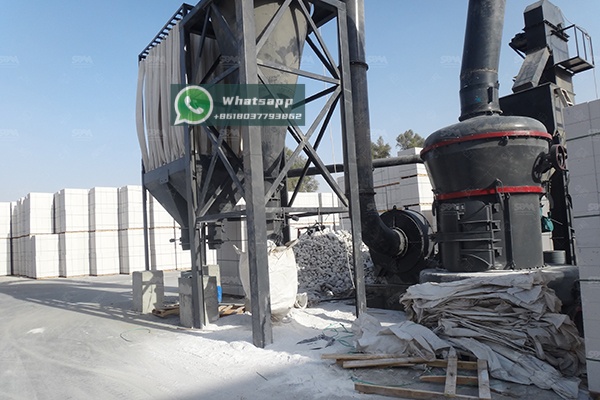
As industrial requirements continue to evolve toward finer particle sizes, tighter size distributions, and greater efficiency, the limitations of traditional ball mills become increasingly significant. The future lies in intelligent, energy-efficient grinding systems that can adapt to varying feed materials and product requirements.
Shanghai Zenith is committed to advancing grinding technology through continuous research and development. Our focus on integrating digitalization, automation, and sustainable design principles ensures that our customers remain at the forefront of grinding efficiency and productivity.
The era of accepting the limitations of traditional ball mills has passed. Modern grinding technologies, particularly vertical grinding mills and specialized ultra-fine grinding systems, offer compelling alternatives that deliver superior performance, reduced operating costs, and enhanced environmental compatibility.
By embracing these advanced solutions, industries can overcome the historical constraints of grinding operations while positioning themselves for future challenges and opportunities. Shanghai Zenith’s comprehensive portfolio of grinding equipment provides the tools necessary to make this transition successfully, ensuring optimal performance across a wide range of applications and requirements.