Algeria is one of the most dynamic cement markets in North Africa, driven by large-scale infrastructure projects, housing programs, and industrial diversification. The national cement industry has expanded rapidly in recent years, and producers are continuously seeking ways to increase output while reducing carbon emissions. One of the most effective strategies is the use of supplementary cementitious materials such as natural pozzolans, volcanic ash, and perlite. Perlite is a volcanic glass that contains amorphous silica and alumina. When heated, it expands into a lightweight, porous material. More importantly for cement producers, perlite can be ground into a fine powder and used as a pozzolan in blended cement. Algerian cement plants have access to local perlite deposits, which can be processed with the right grinding equipment to produce a consistent 325-mesh powder. This article discusses the importance of 325-mesh fineness, the technical challenges of perlite grinding, and the optimum grinding mill solutions offered by Shanghai Zenith Machinery Co., Ltd. for cement production in Algeria.
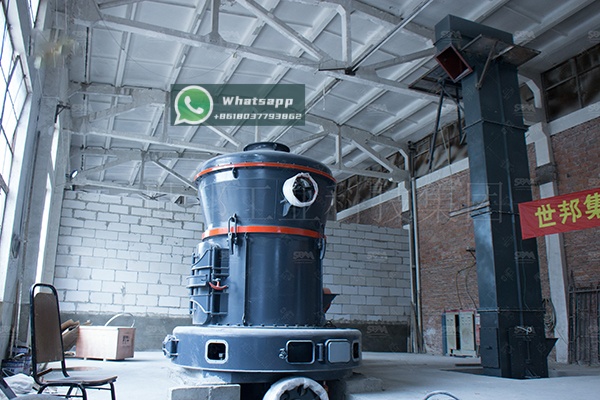
Fineness is one of the most important parameters in the production of cementitious powders. 325 mesh is a standard sieve size with an opening of approximately 45 micrometers. By reducing perlite to 325 mesh, cement manufacturers increase the specific surface area of the material, which accelerates the pozzolanic reaction. The amorphous silica in perlite reacts with calcium hydroxide in the presence of water to form calcium silicate hydrate, the same compound responsible for strength in Portland cement. This reaction improves long-term strength, reduces porosity, and enhances resistance to sulfate attack and chloride penetration. In many international standards, 325-mesh fineness is used as a performance indicator for pozzolanic materials. For Algerian cement producers targeting export markets or seeking to improve the durability of local concrete, a reliable perlite grinding mill that can maintain 325 mesh is an essential asset. Moreover, 325-mesh perlite powder can be used as a filler in cement to improve particle packing and reduce clinker factor, directly lowering production costs and emissions.
Perlite presents several difficulties to grinding equipment. First, it has a Mohs hardness between 5.5 and 7, and its high silica content causes severe wear on grinding tables, rollers, and classifier blades. A mill that is not designed with wear-resistant materials will suffer from frequent downtime and high maintenance costs. Second, perlite can contain surface moisture, and the expanded form is highly porous, which can lead to particle agglomeration if the grinding environment is too humid or too hot. Third, producing a narrow particle size distribution at 325 mesh requires an efficient air classifier. The classifier must separate fine particles from coarse ones and return the oversize material to the grinding zone. Finally, energy consumption is a major concern. Cement producers in Algeria need a mill that can grind perlite with the lowest possible specific energy consumption. These challenges make the selection of the grinding mill crucial to the economic viability of the project.
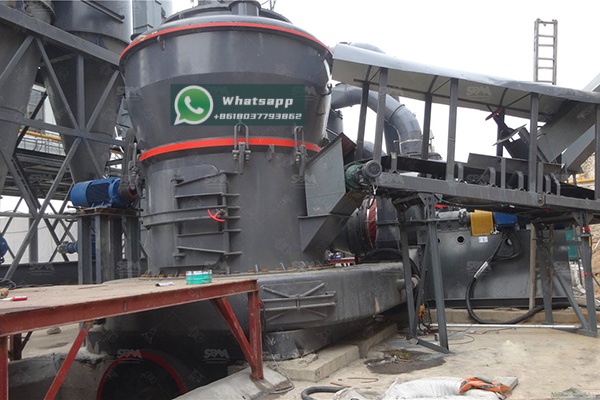
Shanghai Zenith Machinery Co., Ltd. is an excellent manufacturer of ore grinding equipment in China and has made great achievements in the field of ultra-fine powder grinding. The company specializes in the research, development, and production of industrial powder grinding equipment and other related devices. Zenith’s main products include MTW Trapezium Grinding Mill, Ball Mill, MTM Medium-Speed Grinding Mill, Raymond Mill, LM Vertical Grinding Mill, LUM Ultrafine Vertical Mill, XZM Ultrafine Grinding Mill, and Hammer Mill. This broad product portfolio allows Zenith to match the right technology to the specific requirements of each mineral and each application. For perlite grinding in cement production, Zenith offers two highly recommended solutions: the MTW Trapezium Grinding Mill and the LUM Ultrafine Vertical Mill. Both are engineered to deliver high productivity, accurate classification, low energy consumption, and long service life. With growing reference installations in Africa and around the world, Zenith has proven its ability to support cement producers in Algeria with reliable equipment and professional service.
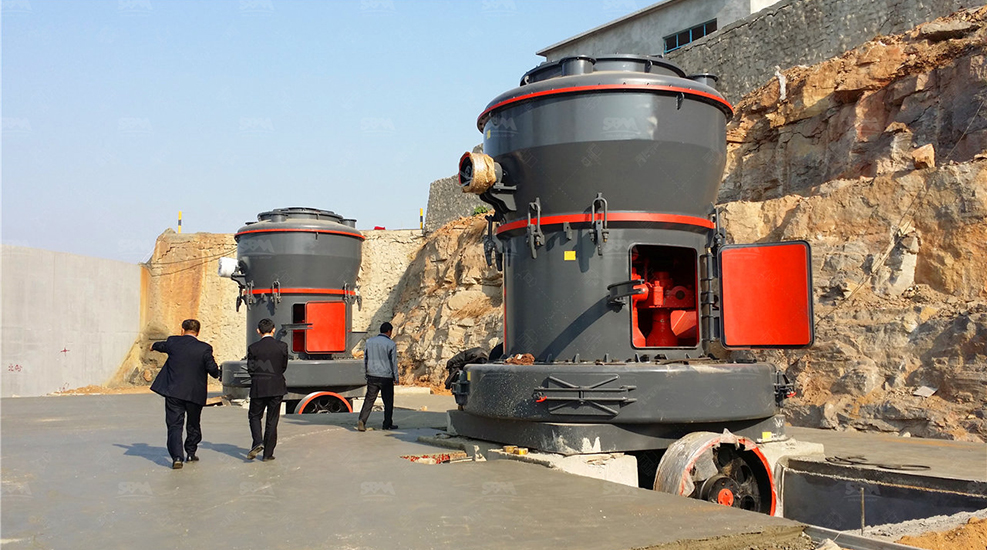
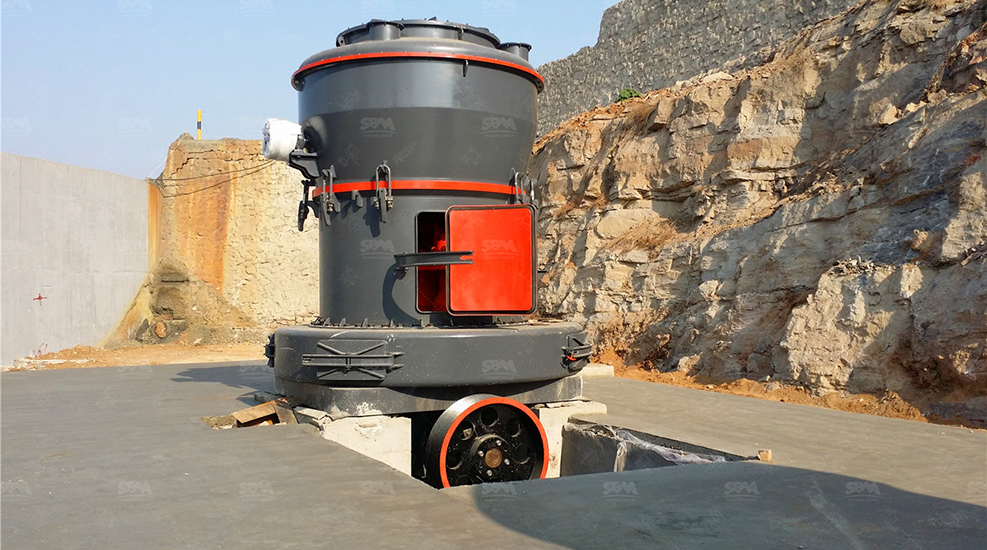
The MTW Trapezium Grinding Mill is a patented product with a compact structure, long service life, and eco-friendly design. It is an ideal choice for grinding perlite into 325-mesh powder for cement production. The mill can accept feed sizes up to 50 mm, which simplifies the upstream crushing circuit. The final fineness can be adjusted from 1.6 mm to 0.045 mm, meaning the mill is capable of producing a product at the 325-mesh cutoff. The trapezium-shaped grinding ring and roller increase contact area, improving grinding efficiency. A high-performance classifier ensures that the fine powder collected meets the target fineness. Additionally, the MTW mill’s sealed gearbox and lubrication system reduce maintenance requirements. For Algerian cement plants, the MTW series is available in several models with different capacity ranges, making it easy to size the mill for a particular production line.
| Model | Max Feed Size (mm) | Final Size (mm) | Capacity (t/h) | Main Motor (kW) |
|---|---|---|---|---|
| MTW110 | <30 | 1.6-0.045 | 3-9 | 55 |
| MTW138Z | <35 | 1.6-0.045 | 6-17 | 90 |
| MTW175G | <40 | 1.6-0.045 | 9.5-25 | 160 |
| MTW215G | <50 | 1.6-0.045 | 15-45 | 280 |
For a typical medium-scale cement additive line in Algeria, the MTW138Z or MTW175G is recommended. These models offer a good balance between investment cost, power consumption, and output. The MTW215G is suitable for large cement plants that need more than 25 tons per hour of 325-mesh perlite powder. All MTW mills can be equipped with variable-speed classifiers to precisely control product fineness. This flexibility is valuable because Algerian cement producers may need to adjust the fineness as market demands change.
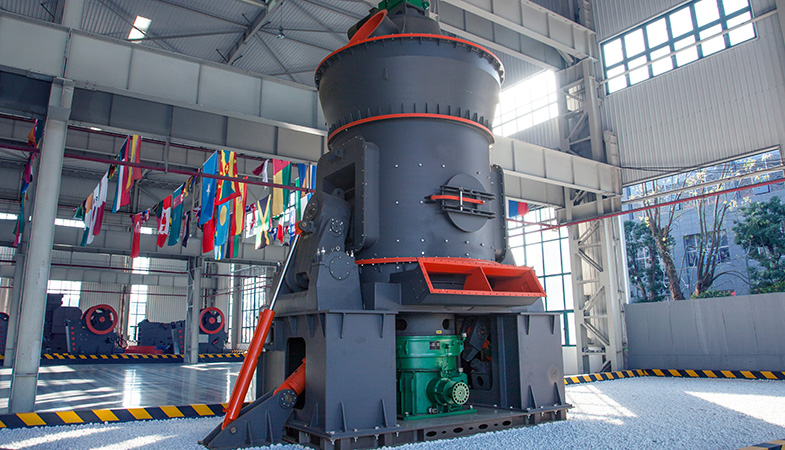
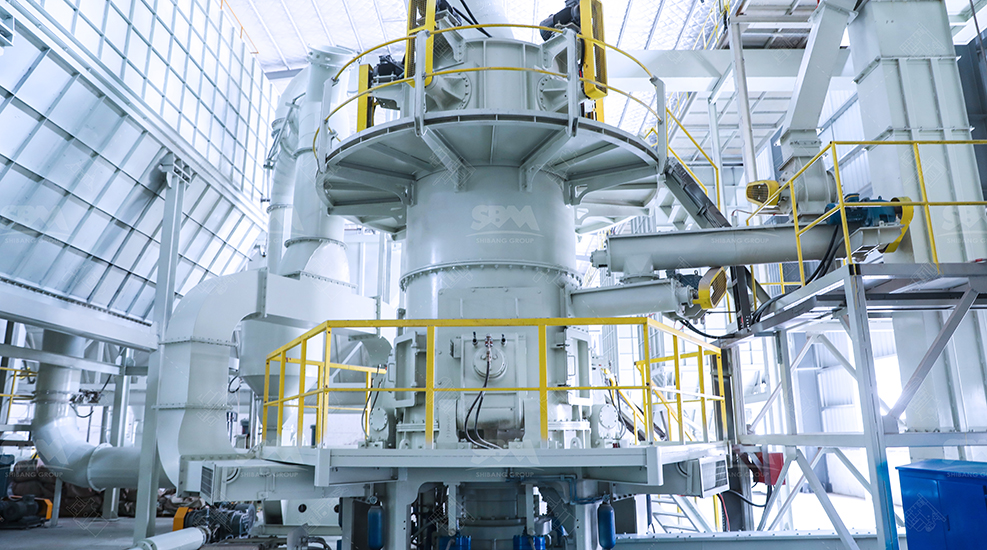
When cement producers require ultra-fine perlite powder with higher reactivity, the LUM Ultrafine Vertical Mill is the preferred solution. The LUM series is designed for superfine powder production and integrates grinding, drying, classifying, and material transportation in a single machine. Its compact vertical layout reduces the plant footprint, which is especially beneficial for existing cement plants with limited space. The LUM mill can produce powder with a particle size distribution D97 as fine as 5 micrometers and up to 30 micrometers. This means the product is significantly finer than 325 mesh. The higher specific surface area of LUM-ground perlite enhances the pozzolanic reaction and can improve cement performance beyond what is possible with regular 325-mesh powder. At the same time, the intelligent control system makes operation simple and stable, reducing the need for manual supervision.
| Model | Main Motor Power (kW) | Capacity (t/h) | Size Distribution D97 (μm) |
|---|---|---|---|
| LUM1525 | 220-250 | 1.6-11.5 | 5-30 |
| LUM1632 | 280-315 | 2.0-13.5 | 5-30 |
| LUM1836 | 355-400 | 2.3-15 | 5-30 |
For an Algerian cement plant that wants to produce premium blended cement, the LUM1632 is a practical choice. It delivers up to 13.5 tons per hour of ultra-fine powder, which is enough for several downstream applications. Because the classifier speed can be adjusted without changing mechanical components, the LUM mill can switch from 325-mesh to finer grades easily. This operational flexibility allows cement producers to respond quickly to orders requiring specific fineness. Furthermore, the LUM mill’s compact design reduces installation costs and simplifies maintenance. For new greenfield projects, the LUM vertical mill can also be integrated into a complete system with drying and conveying equipment supplied by Zenith.
The selection of a perlite grinding mill for cement production in Algeria depends on multiple factors, including feed size, required fineness, capacity, moisture content, energy price, and site layout. If the production target is standard 325-mesh perlite powder at a capacity of more than 10 tons per hour, the MTW Trapezium Grinding Mill is a proven and low-maintenance choice. If the objective is to produce ultra-fine powder with a D97 below 30 micrometers for premium cement blends, the LUM Ultrafine Vertical Mill is more appropriate. In some cases, a combination of both mills can optimize the overall plant. For example, a large-capacity MTW mill can produce the base quantity of 325-mesh powder, while a smaller LUM mill can produce a high-value ultrafine fraction for specialized products. Zenith’s engineers can perform a detailed test and process design to determine the optimal configuration for each plant.
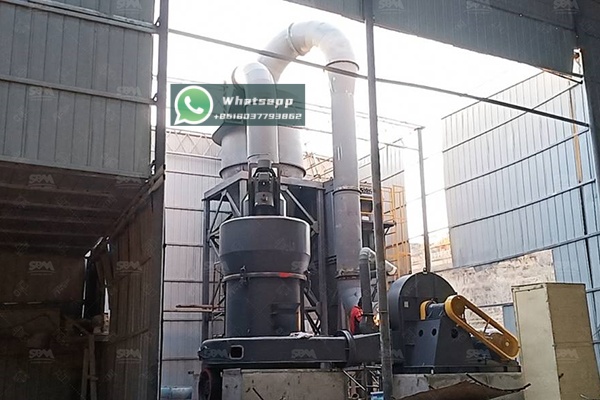
Algeria’s cement industry is under pressure to increase sustainability and competitiveness. Using locally available perlite as a supplementary cementitious material is a practical way to reduce clinker consumption, lower production costs, and improve cement durability. Grinding perlite to 325 mesh is the key to unlocking its pozzolanic potential. However, perlite’s hardness and abrasive nature require a robust grinding mill with efficient classification and wear protection. Shanghai Zenith Machinery Co., Ltd. has delivered advanced grinding equipment to markets worldwide and possesses strong expertise in ultra-fine powder processing. The MTW Trapezium Grinding Mill and LUM Ultrafine Vertical Mill are two excellent options for Algerian cement producers. They combine high efficiency, precise control, and long service life, making them ideal for 325-mesh perlite powder production. Investing in the right perlite grinding mill is not simply a capital expense; it is a strategic move that will support the long-term success and sustainability of cement production in Algeria for many years to come.