Pakistan’s cement industry is one of the most important and fastest-growing industrial sectors in South Asia. With large integrated cement plants in Punjab, Sindh, Khyber Pakhtunkhwa, and Balochistan, the demand for cost-effective and reliable kiln fuel has increased year by year. Petroleum coke, commonly known as petcoke, has become a key alternative fuel for cement kilns because it offers high calorific value, stable supply, and competitive cost compared with imported coal and natural gas. However, petcoke is not ready-to-burn fuel. It must be crushed, dried, ground, and classified to a suitable fineness before it can be injected into the kiln burner. For many small and medium-sized cement lines, satellite grinding plants, and pilot projects in Pakistan, the required capacity is often only 1–3 tph. This makes mill selection very important. A mill that is too large will waste energy and capital, while a mill that is too small or not wear-resistant will suffer frequent downtime, poor fineness control, and high maintenance cost. Shanghai Zenith Machinery Co., Ltd., an excellent manufacturer of ore grinding equipment in China, offers proven grinding solutions for petroleum coke processing. This article discusses the technical requirements, process design, and recommended equipment for a 1–3 tph petroleum coke grinding mill for cement production in Pakistan.
Petroleum coke is a carbon-rich solid by-product of the oil refining process. It usually has a high calorific value, low volatile matter, high sulfur content, and variable hardness and moisture. In cement production, petcoke is used as a primary or supplementary fuel in the rotary kiln. The combustion performance of petcoke depends strongly on its particle size distribution. If the petcoke powder is too coarse, the fuel will not burn completely inside the kiln flame. This can lead to higher carbon monoxide, unstable kiln operation, reduced clinker quality, and increased fuel consumption. If the powder is too fine, it may create an aggressive flame, increase the risk of dust explosion, and complicate the burner adjustment. Therefore, a properly designed grinding circuit must produce a consistent and controllable product fineness. For cement kiln fuel, a common target is about 80–90% passing 200 mesh, or 75 microns. In some cases, especially when petcoke is blended with other fuels or when the kiln has a short residence time, a finer product such as 90% passing 200 mesh or even 325 mesh may be required. A reliable petroleum coke grinding mill must handle the abrasive nature of petcoke, control dust, and maintain stable output at 1–3 tph.
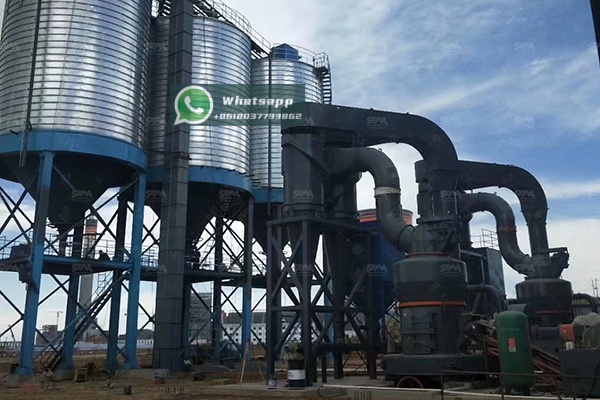
Selecting the right grinding mill for petcoke in Pakistan requires a careful review of raw material properties, plant conditions, and production targets. The following requirements are especially important.
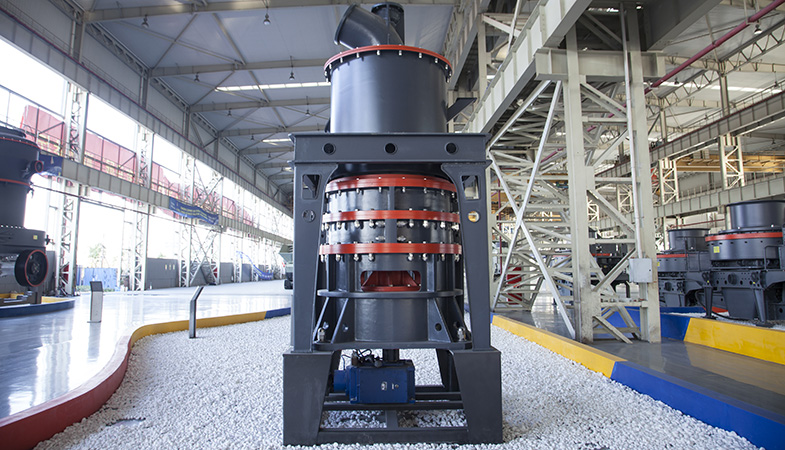
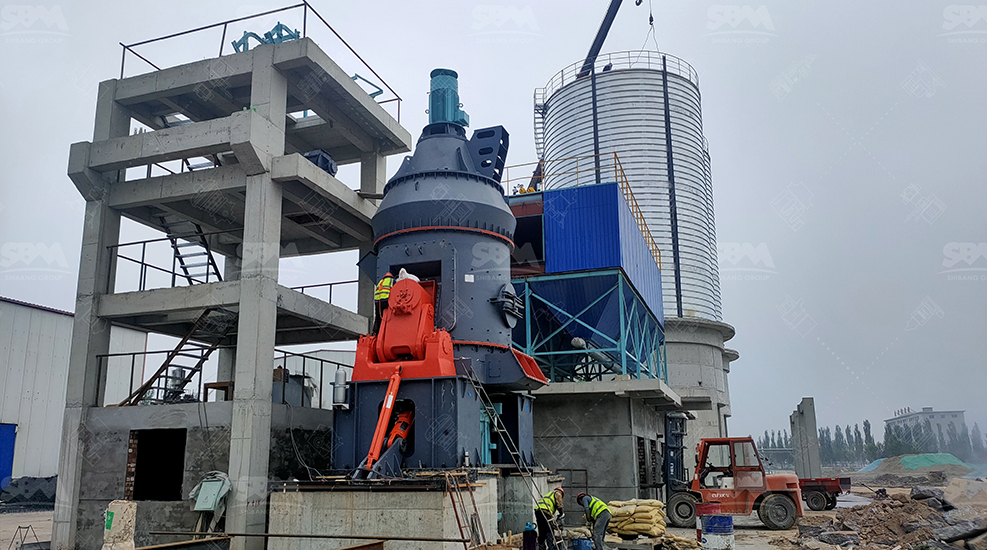
Shanghai Zenith Machinery Co., Ltd. is specialized in the research, development, and production of industrial powder grinding equipment and other related devices. The company has made great achievements in the field of ultra-fine powder grinding. Its main products include MTW Trapezium Grinding Mill, Ball Mill, MTM Medium-Speed Grinding Mill, Raymond Mill, LM Vertical Grinding Mill, LUM Ultrafine Vertical Mill, XZM Ultrafine Grinding Mill, and Hammer Mill. For a 1–3 tph petroleum coke grinding project in Pakistan, two models are particularly suitable: the Raymond Mill YGM8314 and the XZM Ultrafine Grinding Mill XZM221.
The Raymond Mill is beneficial for energy saving and environmental protection. It offers high grinding efficiency, lower energy consumption, and high economic profits. The YGM8314 model is a classic and proven choice for small to medium powder production lines. With a maximum feed size of 20 mm, a discharging size range of 1.6–0.045 mm, and a capacity of 1.2–4.6 t/h, it covers the 1–3 tph requirement very well. For cement kiln petcoke fuel, the YGM8314 can be adjusted to produce a typical fineness of about 200 mesh. Its compact structure, simple operation, and stable performance make it an excellent solution for cement plants in Pakistan that need reliable fuel grinding without a large capital investment.
| Model | Roller Quantity (pcs) | Max. Feed Size (mm) | Discharging Size (mm) | Capacity (t/h) |
|---|---|---|---|---|
| YGM8314 | 3 | 20 | 1.6–0.045 | 1.2–4.6 |
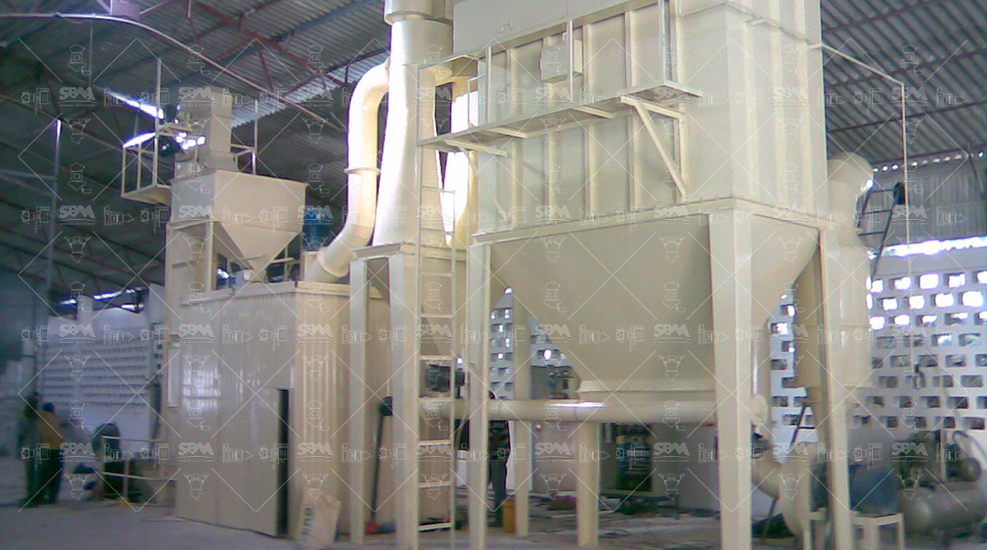
The YGM8314 is especially suitable for a 1–3 tph petcoke grinding station where the target fineness is standard rather than ultra-fine. It can be combined with a jaw crusher or hammer crusher, a bucket elevator, a storage silo, a classifier, a cyclone, and a pulse bag filter to form a complete grinding plant. Because the mill operates at a moderate speed and uses proven mechanical components, maintenance is relatively easy. Wear parts such as rollers and rings can be replaced without major structural modification. For Pakistani cement producers who want a practical, low-risk, and cost-effective petcoke grinding mill, the Raymond Mill YGM8314 is a strong first option.
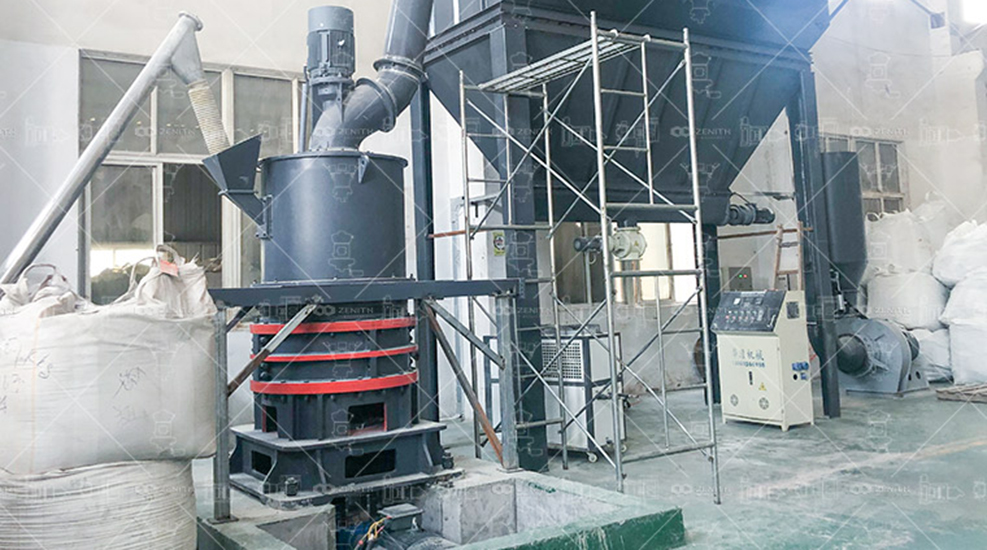
The XZM Ultrafine Grinding Mill is widely used for superfine powder production. It is suitable for grinding soft or medium-hard materials with moisture content below 6%. It can achieve an output fineness of 325–2500 mesh. The XZM221 model has a working diameter of Φ800 mm, a maximum feed size of ≤20 mm, a final size range of 325–2500 mesh, an output of 500–4500 kg/h, and a main motor power of 75 kW. Its output range of 0.5–4.5 t/h means it can comfortably serve a 1–3 tph petcoke grinding line. When a cement plant requires finer petcoke powder for better burnout, improved flame control, or co-firing with alternative fuels, the XZM221 is an excellent choice.
| Model | Working diameter (mm) | Max feed size (mm) | Final size (mesh) | Output (kg/h) | Main motor power (kW) |
|---|---|---|---|---|---|
| XZM221 | Φ800 | ≤20 | 325–2500 | 500–4500 | 75 |
The XZM221 uses advanced grinding pressure and classification technology to produce a narrow particle size distribution. This is important for petcoke combustion because a consistent powder size helps the burner achieve stable ignition and complete carbon burnout. It also reduces the amount of unburned carbon in the clinker and improves overall thermal efficiency. However, because the XZM mill is designed for finer products, the feed material should be dry. If the petcoke moisture is above 6%, a pre-drying system is recommended. With proper drying and dust collection, the XZM221 can provide a high-quality ultrafine petcoke powder for cement kilns in Pakistan.
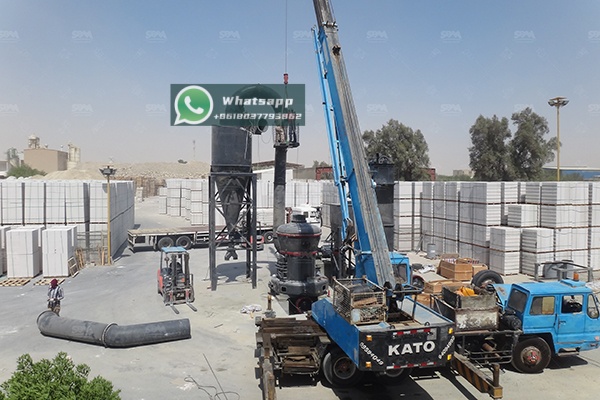
Choosing between the Raymond Mill YGM8314 and the XZM Ultrafine Grinding Mill XZM221 depends on the required fineness, budget, feed moisture, and operating philosophy. The following comparison can help cement producers in Pakistan make a clear decision.
| Criteria | Raymond Mill YGM8314 | XZM Ultrafine Grinding Mill XZM221 |
|---|---|---|
| Recommended capacity | 1.2–4.6 t/h, ideal for 1–3 tph | 0.5–4.5 t/h, ideal for 1–3 tph |
| Max feed size | 20 mm | ≤20 mm |
| Product fineness | 1.6–0.045 mm, adjustable | 325–2500 mesh, ultra-fine |
| Typical petcoke use | Standard kiln fuel, 200 mesh | Fine fuel, improved burnout, co-firing |
| Advantages | Simple structure, low investment, easy maintenance, proven technology | Finer product, narrow particle size distribution, higher combustion efficiency |
| Best for | Plants needing reliable and economical 1–3 tph petcoke grinding | Plants needing premium fine petcoke powder and better flame control |
In general, if the cement plant uses petcoke as a direct kiln fuel and the target fineness is around 200 mesh, the Raymond YGM8314 is the most economical and practical solution. If the plant blends petcoke with other fuels, uses a modern low-NOx burner, or requires a finer product to improve combustion, the XZM221 is the better choice. Shanghai Zenith can provide both models and help customers select the right configuration based on their raw material test, capacity requirement, and site conditions.
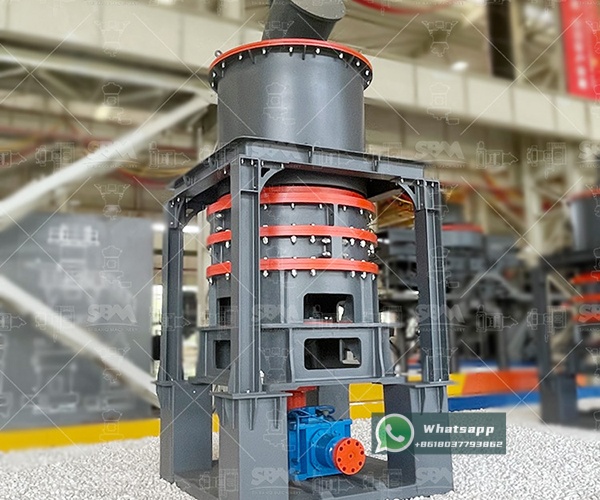
A complete 1–3 tph petroleum coke grinding plant for cement production usually includes the following stages.
Shanghai Zenith can design and supply the complete grinding circuit, including crusher, mill, classifier, dust collector, fan, silo, conveyor, and control system. This turnkey approach reduces engineering work for Pakistani cement producers and ensures that all components match the 1–3 tph capacity requirement.
Pakistan has specific conditions that must be considered when installing and operating a petcoke grinding mill. First, the power supply may fluctuate, so a stable transformer, voltage stabilizer, and variable frequency drive are recommended for the main motor and fan. Second, summer temperatures in Punjab and Sindh can exceed 40–45°C. The mill gearbox, motor, and lubrication system should be designed for high ambient temperature, with proper cooling and ventilation. Third, coastal areas such as Karachi and Port Qasim have high humidity and salt-laden air, which can cause corrosion. Equipment surfaces should be protected with anti-corrosion coatings, and the petcoke storage area should be covered. Fourth, petcoke dust is combustible. The grinding system must be grounded, and explosion vents, CO monitoring, and spark detection should be installed where necessary. Fifth, local operators should receive training on mill operation, fineness adjustment, lubrication, and safety procedures. Shanghai Zenith provides installation guidance, commissioning support, and operator training to help customers achieve smooth production.
Shanghai Zenith Machinery Co., Ltd. is an excellent manufacturer of ore grinding equipment in China. The company is specialized in the research, development, and production of industrial powder grinding equipment and other related devices. Its product range includes MTW Trapezium Grinding Mill, Ball Mill, MTM Medium-Speed Grinding Mill, Raymond Mill, LM Vertical Grinding Mill, LUM Ultrafine Vertical Mill, XZM Ultrafine Grinding Mill, and Hammer Mill. For petroleum coke grinding in Pakistan, the company can offer not only individual mills but also complete powder grinding solutions. With rich experience in grinding technology, advanced manufacturing facilities, and a professional service team, Shanghai Zenith can customize the equipment according to the customer’s raw material properties, required capacity, product fineness, and site conditions. The recommended Raymond Mill YGM8314 and XZM Ultrafine Grinding Mill XZM221 are both reliable, efficient, and suitable for 1–3 tph cement production lines. Whether the customer needs a cost-effective standard fuel grinding system or a finer petcoke powder production plant, Shanghai Zenith can provide a competitive solution with high performance and long service life.
Petroleum coke is an important fuel for cement production in Pakistan, but its successful use depends on proper grinding. A 1–3 tph petcoke grinding mill must deliver stable capacity, controllable fineness, high wear resistance, and reliable dust collection. The Raymond Mill YGM8314 is an economical and proven choice for standard 200 mesh petcoke fuel, while the XZM Ultrafine Grinding Mill XZM221 is ideal when finer powder and better combustion performance are required. Both models are supported by Shanghai Zenith Machinery Co., Ltd., a professional manufacturer of industrial grinding equipment with extensive experience in ultra-fine powder grinding. For cement plants in Pakistan that are planning a 1–3 tph petroleum coke grinding project, Shanghai Zenith can provide the right equipment, complete process design, and long-term technical support to ensure efficient, safe, and profitable operation.