In Libya’s evolving industrial landscape, particularly in sectors like power generation and cement production, the management of emissions is a growing priority. Flue Gas Desulfurization (FGD) is a key technology for reducing sulfur dioxide (SO₂) emissions. A critical component in many dry or semi-dry FGD processes is finely ground sorbent, often limestone. However, the energy-intensive nature of grinding necessitates efficient solutions. Petroleum coke (petcoke), a by-product of oil refining with high calorific value, is increasingly used as a fuel supplement. Its efficient combustion and the subsequent need for effective SO₂ capture underscore the importance of reliable, high-capacity grinding systems for sorbent preparation. This article explores the technical requirements for a 3-5 tons per hour (TPH) grinding system dedicated to desulfurization sorbent preparation in the Libyan context and presents an optimal equipment solution.
Establishing a 3-5 TPH grinding line for desulfurization in Libya involves several specific considerations. The feedstock, typically limestone or similar calcium-based minerals, must be ground to a very fine powder (often between 200-325 mesh or 45-75 microns) to maximize its surface area and reactivity with SO₂ in the flue gas. The arid climate demands a system with excellent sealing to prevent material loss and environmental dust pollution. Furthermore, operational reliability and energy efficiency are paramount due to potential challenges in maintenance logistics and the high cost of energy. The system must be robust, automated where possible, and capable of consistent output to ensure uninterrupted desulfurization operations.
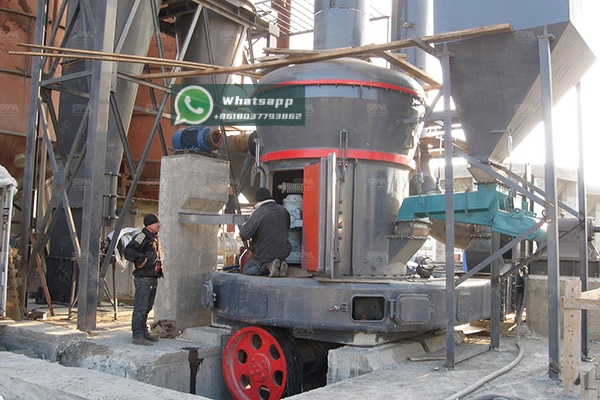
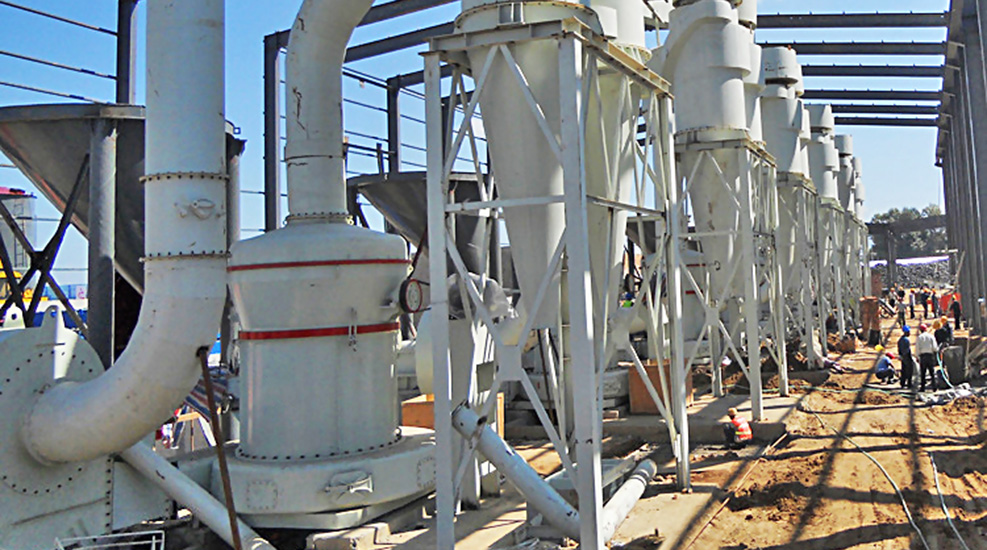
For a production requirement of 3-5 TPH of fine desulfurization sorbent, several grinding mill types could be considered. Traditional solutions like Raymond Mills or Ball Mills may be evaluated. However, modern desulfurization projects increasingly favor vertical roller mills for their superior efficiency and integrated functionality. The ideal mill must integrate grinding, drying (if moisture is present in the raw material), classification, and conveying in a single, compact unit to save space and reduce energy loss.
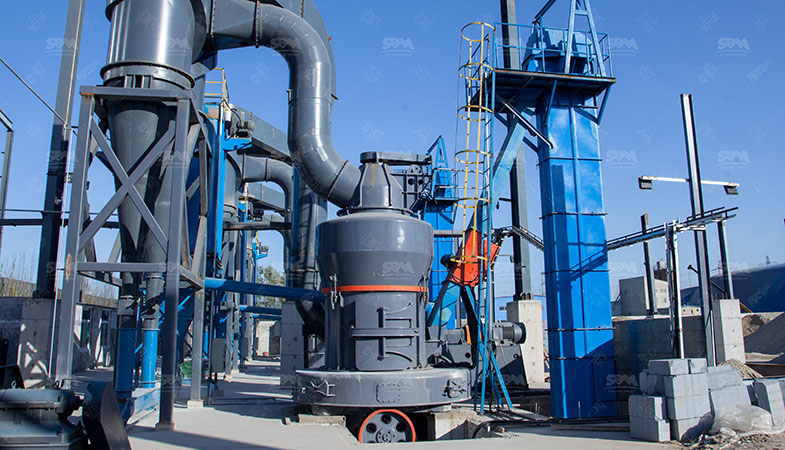
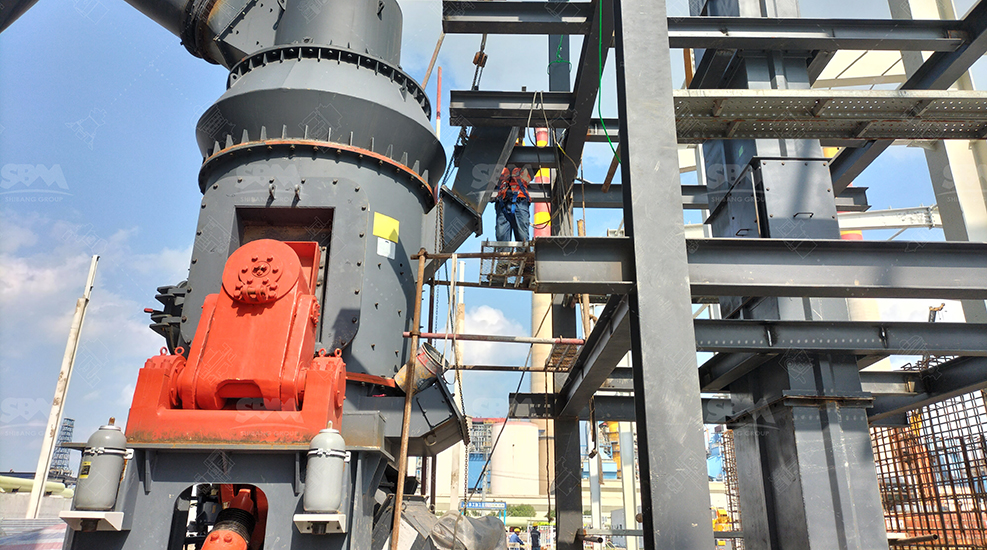
Vertical Grinding Mills, particularly those designed for mineral processing, offer distinct advantages for this application. Their principle of operation involves a grinding table and rollers that crush and grind the material under pressure. A built-in classifier immediately separates fine particles, sending coarse material back for regrinding. This closed-circuit system ensures precise particle size control and high grinding efficiency. The compact footprint is a significant benefit for plant layout, and their lower energy consumption per ton of product directly addresses operational cost concerns in Libya.
As a leading manufacturer in the field of industrial grinding, Shanghai Zenith Machinery Co., Ltd. has made significant achievements in ultra-fine powder technology. For the specific need of a 3-5 TPH desulfurization sorbent production line in Libya, Zenith’s LM Vertical Grinding Mill series presents an exemplary solution. Zenith specializes in the research, development, and production of integrated grinding systems, and the LM mill is a flagship product that perfectly matches the requirements of modern, efficient desulfurization.
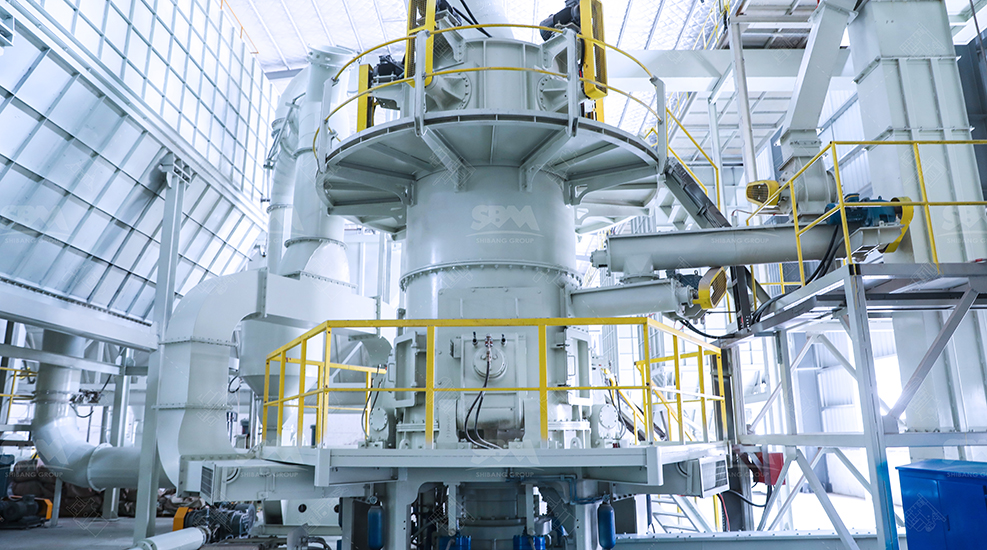
The LM Vertical Mill integrates five functions—crushing, grinding, powder selection, drying, and material conveying—into one cohesive machine. For processing limestone or similar minerals, the LM Vertical Mineral Mill model is particularly suitable. Its ability to handle a moderate feed size, produce a consistent fine powder, and do so with remarkable energy efficiency makes it the cornerstone of a reliable desulfurization support system.
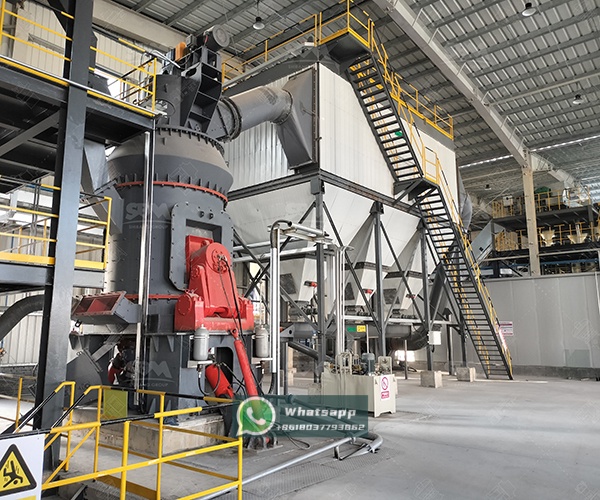
For a guaranteed output in the 3-5 TPH range, the LM130K model from Zenith’s portfolio is an ideal match. Its parameters are engineered to meet such production demands reliably.
| Model | Plate Diameter (mm) | Capacity (t/h) | Output Fineness (μm) | Max Feed Size (mm) | Main Motor (kW) |
|---|---|---|---|---|---|
| LM130K | 1300 | 10-28 | 170-40 | <38 | 200 |
As the table indicates, the LM130K has a capacity range starting at 10 TPH, which provides a comfortable operational buffer. By adjusting the classifier speed and grinding pressure, the output can be perfectly tuned to the desired 3-5 TPH while achieving the crucial fineness of 170-40 microns (approximately 90-325 mesh). This ensures the ground sorbent has optimal reactivity for SO₂ capture. The robust motor and design ensure stable operation under Libya’s environmental conditions.
Implementing a Zenith LM Vertical Mill goes beyond just installing a grinder. It involves integrating a complete system that includes jaw crusher for primary size reduction, belt conveyor, feeding system, the LM mill itself, a pulse dust collector, and an electrical control cabinet. Zenith’s expertise allows for the supply of this complete package, ensuring all components work in harmony.
The operational benefits are substantial:
For applications demanding even finer sorbent powder (e.g., exceeding 325 mesh for highly efficient spray systems), Shanghai Zenith offers the XZM Ultrafine Grinding Mill. While the LM series is optimal for the 3-5 TPH range at standard desulfurization fineness, the XZM mill is a specialist for superfine powders. For instance, the XZM221 model can produce powder between 325-2500 mesh. If future process upgrades require ultra-fine grinding, Zenith’s XZM series provides a ready technological pathway.
Establishing an efficient 3-5 TPH desulfurization sorbent grinding line is a strategic investment for environmentally conscious industries in Libya. It supports compliance with emission regulations, improves operational efficiency, and promotes sustainable industrial growth. Shanghai Zenith Machinery Co., Ltd., with its deep expertise and proven product line, stands as an excellent partner for this endeavor. The LM130K Vertical Grinding Mill, with its tailored capacity, integrated design, and operational robustness, represents a turnkey solution that balances performance, cost, and reliability. By choosing a technologically advanced and supplier-supported system like Zenith’s, Libyan industries can secure a critical component of their clean production infrastructure for years to come.