Algeria, as one of North Africa’s leading industrial nations, possesses vast reserves of phosphate rock, a crucial raw material not only for the fertilizer industry but also for cement manufacturing. In cement production, phosphate rock is often used as a mineralizer to lower clinkering temperature and improve cement quality. However, to achieve optimal reactivity and homogeneous blending, the phosphate rock must be ground to a specific fineness — typically 150 mesh (about 100 microns). This grinding process demands reliable, high-efficiency equipment capable of handling abrasive materials while maintaining consistent output and low operating costs.
Shanghai Zenith Machinery Co., Ltd., a premier manufacturer of ore grinding equipment in China, has accumulated decades of experience in supplying tailor-made grinding solutions for cement plants worldwide. With a comprehensive product line ranging from traditional Raymond mills to advanced vertical roller mills, Zenith offers multiple options for grinding phosphate rock to 150 mesh in Algeria. This article discusses the technical considerations, suitable mill types, and recommended solutions for Algerian cement producers, highlighting two flagship products that combine proven performance with energy efficiency.
Phosphate rock is a sedimentary rock with a Mohs hardness of 3 to 5, making it moderately hard but highly abrasive due to the presence of quartz and other siliceous impurities. Its moisture content can vary from 2% to over 10%, depending on the source and storage conditions. For cement production, the typical target fineness is 150 mesh (with a residue on 100 mesh usually below 10%). Key challenges in grinding phosphate rock include:
Therefore, selecting the right grinding mill is critical for achieving both technical and economic goals.
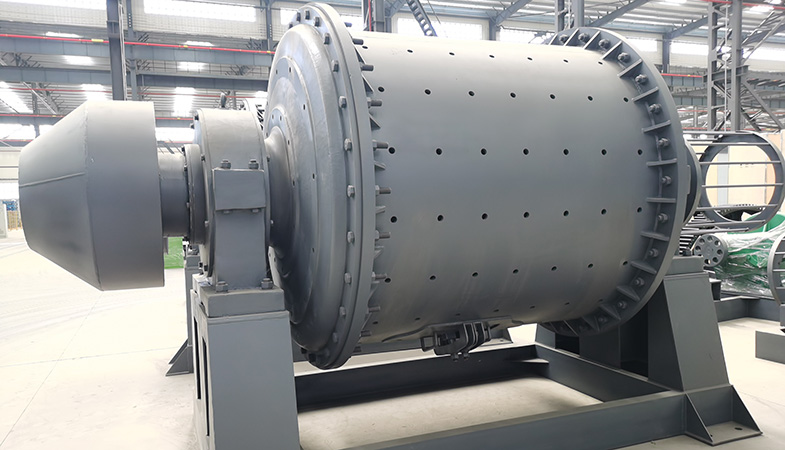
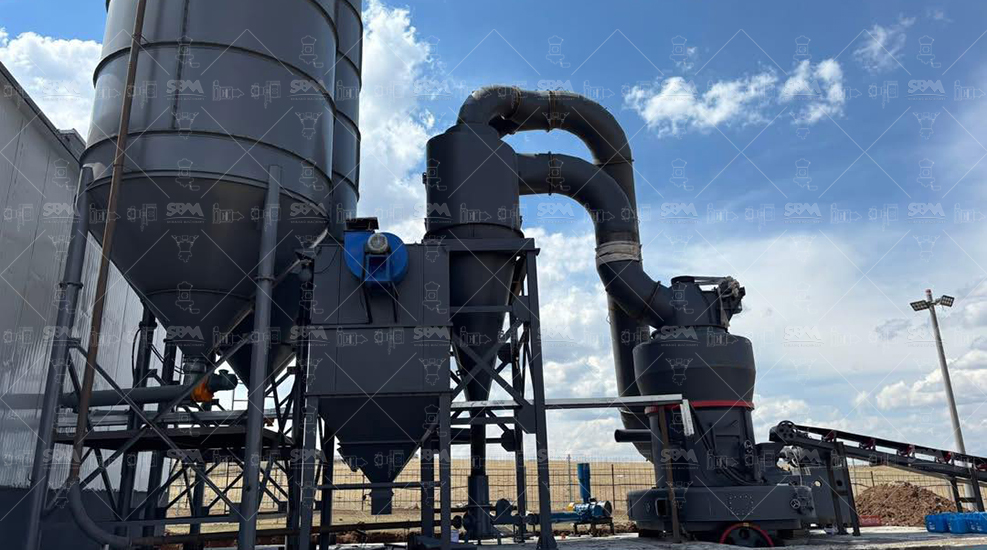
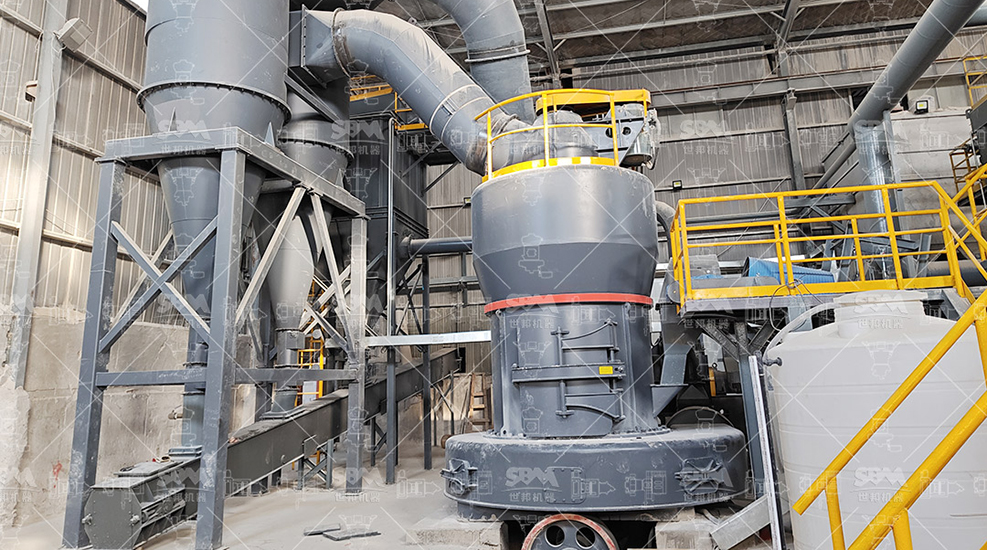
Zenith offers several mill types that can handle phosphate rock grinding to 150 mesh. Among them, the MTW Trapezium Grinding Mill and the LM Vertical Grinding Mill stand out for their combination of high capacity, low maintenance, and proven track record in mineral processing. Below is a comparison of key parameters for these two series.
The MTW Trapezium Grinding Mill is a multi-patented machine designed for medium-hard materials like phosphate rock. Its trapezoidal grinding ring and roller design significantly improve grinding efficiency and reduce vibration. The built-in classifier ensures precise particle size control, making it ideal for achieving a consistent 150 mesh product. The mill also features a self-lubrication system and an eco-friendly dust collector, meeting strict environmental standards in Algeria.
| Model | Max. Feed Size (mm) | Final Size (mm) | Capacity (t/h) | Main Motor (kW) | Fan Motor (kW) |
|---|---|---|---|---|---|
| MTW110 | <30 | 1.6-0.045 (adjustable to 0.1) | 3-9 | 55 | 55 |
| MTW138Z | <35 | 1.6-0.045 | 6-17 | 90 | 110 |
| MTW175G | <40 | 1.6-0.045 | 9.5-25 | 160 | 200 |
| MTW215G | <50 | 1.6-0.045 | 15-45 | 280 | 315 |
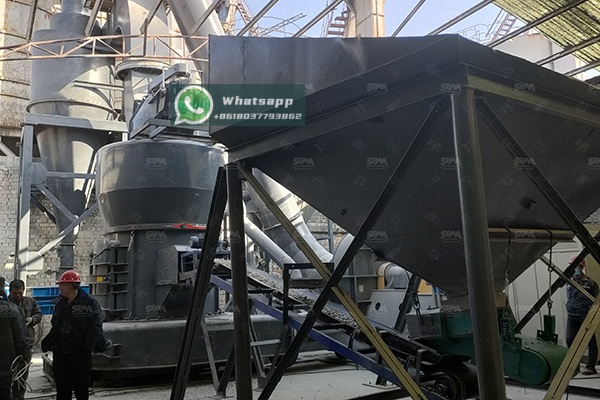
The above table shows that even the smaller MTW110 model can produce a product with a final size as fine as 0.045 mm (325 mesh), making 150 mesh (0.1 mm) easily achievable. For a typical cement plant in Algeria requiring a capacity of 10-20 t/h, the MTW138Z or MTW175G would be excellent choices. The MTW series also offers quick roller replacement and low noise operation, reducing downtime.
For plants seeking a compact, multi-functional solution, the LM Vertical Grinding Mill integrates crushing, grinding, drying, and classifying in one unit. Its vertical design minimizes floor space and capital investment. The mill’s grinding roller and table are lined with wear-resistant materials, ideal for abrasive phosphate rock. The innovative hydraulic system allows automatic roller lifting during start-up and maintenance, reducing manual labor.
| Model | Plate Diameter (mm) | Capacity (t/h) | Output Fineness (μm) | Max Feed Size (mm) | Main Motor (kW) |
|---|---|---|---|---|---|
| LM130K | 1300 | 10-28 | 170-40 (adjustable to 100) | <38 | 200 |
| LM190K | 1900 | 23-68 | 170-40 | <45 | 500 |
| LM280K | 2800 | 50-170 | 170-45 | <50 | 1250 |
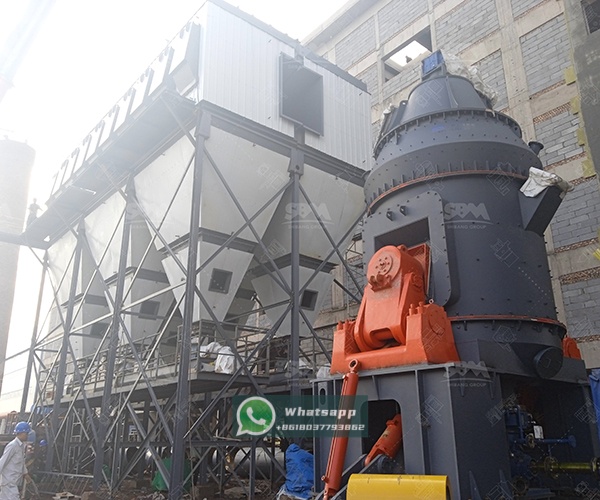
The LM series can easily produce 150 mesh (100 μm) product with a simple adjustment of the classifier speed. For medium-scale operations, the LM130K provides a capacity of 10-28 t/h, while the LM190K can handle larger throughput. The mill also offers integrated drying capability, which is beneficial when processing phosphate rock with elevated moisture content. Its high availability and low maintenance make it a favorite among cement producers in North Africa.
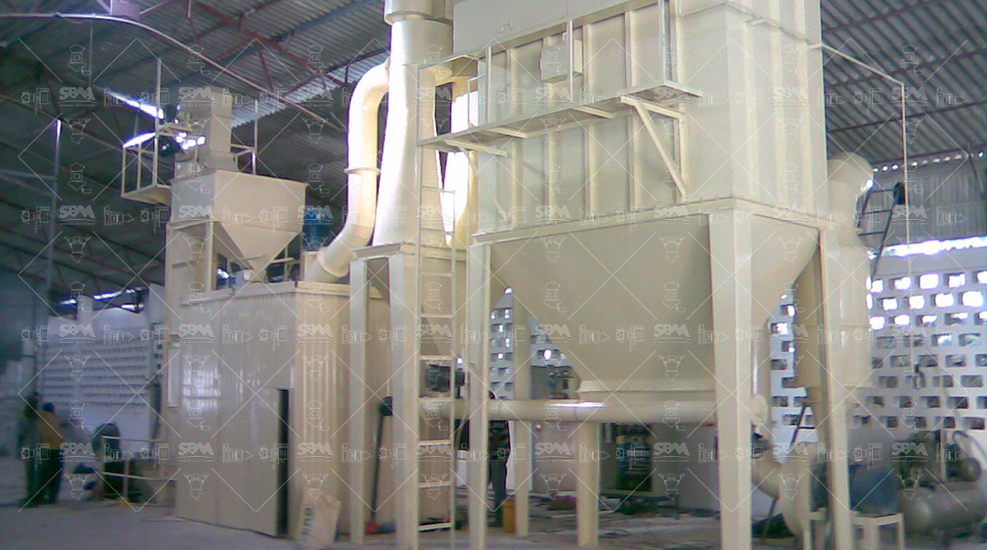
A typical phosphate rock grinding circuit for cement production in Algeria consists of:
Both Zenith mills can be seamlessly integrated into existing cement lines. The MTW series is often preferred for its lower initial investment, while the LM series offers lower energy consumption per ton and simpler auxiliary systems.
Shanghai Zenith Machinery Co., Ltd. has supplied grinding equipment to numerous cement plants in Algeria and neighboring countries. Our strengths include:
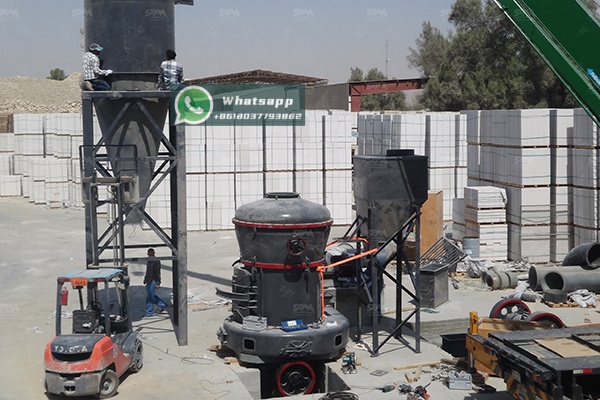
Grinding phosphate rock to 150 mesh for cement production in Algeria requires a careful balance between throughput, product fineness, wear resistance, and operating cost. Shanghai Zenith Machinery’s MTW Trapezium Grinding Mill and LM Vertical Grinding Mill both excel in this application, offering high reliability and easy maintenance. With technical parameters tailored to the specific needs of Algerian customers, these mills help cement manufacturers achieve consistent quality and lower production expenses. For a detailed quotation and process design, please contact our team of experts.