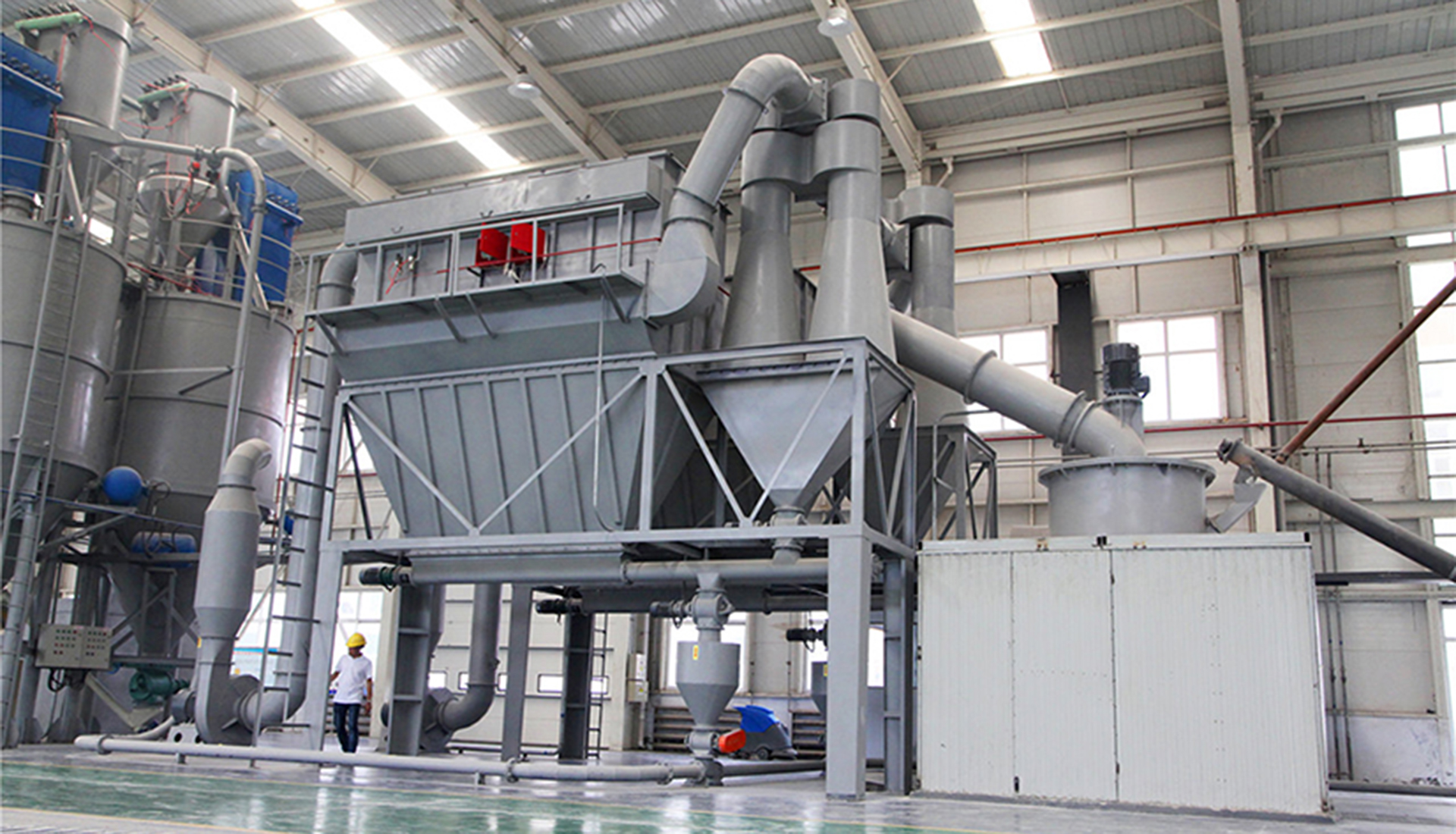
In the metallurgical industry, flux materials are indispensable for efficient smelting and refining processes. They lower the melting point of ores, facilitate slag formation to remove impurities, and improve the overall quality of the final metal product. Quartz, primarily composed of silicon dioxide (SiO2), is a critical flux material, especially in ferrous and non-ferrous metallurgy. In Bangladesh, with its growing industrial base, the demand for high-quality processed quartz for use as a metallurgical flux is on the rise. Processing this hard, abrasive material into the precise fineness required (typically ranging from 80 to 325 mesh) demands robust, efficient, and reliable grinding technology. This article explores the technical requirements for a 5-10 tons per hour (TPH) quartz grinding operation for metallurgy flux in Bangladesh and presents an optimal machinery solution.
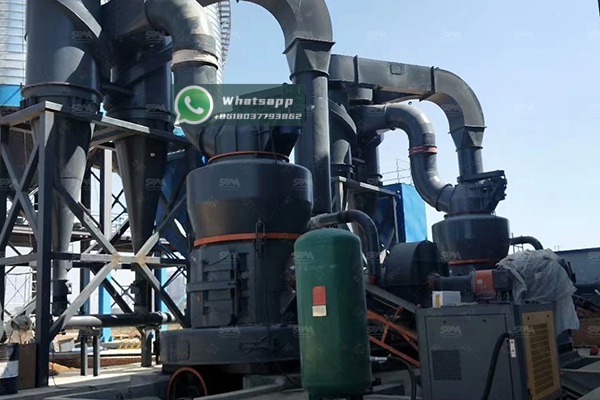
Quartz presents specific challenges that not all grinding mills can handle effectively. Its high hardness (7 on the Mohs scale) leads to significant wear on grinding components. An ideal mill must be constructed with wear-resistant materials to ensure longevity and reduce maintenance downtime. Furthermore, the process must be energy-efficient to keep operational costs manageable. For metallurgical applications, consistent particle size distribution is crucial; uneven or overly coarse particles can lead to inefficient flux reactions, while excessive fines may be wasted. The chosen system must, therefore, offer precise classification control. Finally, for a target capacity of 5-10 TPH, the mill must be correctly sized and configured to deliver stable output without being over-dimensioned, which would incur unnecessary capital and energy expenses.
After a thorough analysis of the technical requirements, Shanghai Zenith Machinery Co., Ltd., an excellent manufacturer of ore grinding equipment with great achievements in ultra-fine powder grinding, offers an ideal solution. For a 5-10 TPH quartz flux grinding project in Bangladesh, we highly recommend our advanced MTW Trapezium Grinding Mill.
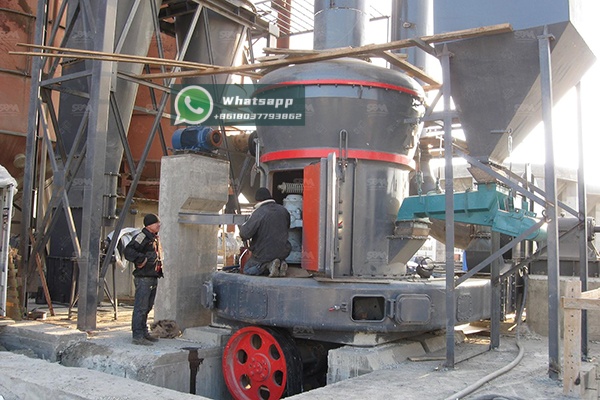
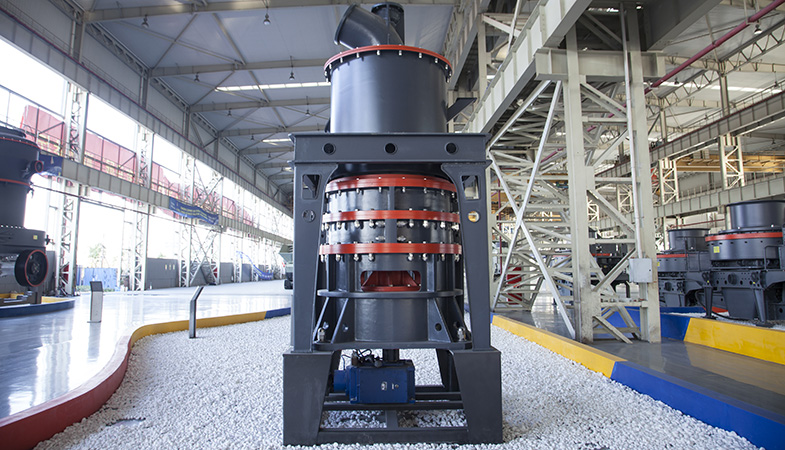
The MTW series mill is engineered with multiple national patents. It features a bevel gear overall drive, internal thin-oil lubrication system, and curved air duct—all of which contribute to its high grinding efficiency, stability, and environmental friendliness. Its wear-resistant rollers and rings are specifically designed to handle hard materials like quartz, dramatically extending service life. The intelligent electronic control system allows for easy adjustment of fineness and provides stable, continuous operation perfect for industrial flux production.
For the 5-10 TPH capacity range, two models from the MTW series are particularly suitable. The following table details their key specifications:
| Model | Max. Feed Size (mm) | Final Product Size (mm) | Capacity (t/h) | Main Motor Power (kW) |
|---|---|---|---|---|
| MTW110Z | <30 | 1.6-0.045 | 3-10 | 55 |
| MTW138Z | <35 | 1.6-0.045 | 6-17 | 90 |
The MTW110Z is a perfect entry-level model that reliably covers the lower to mid-range of the required capacity. For operations aiming at the higher end of 10 TPH or planning for future expansion, the MTW138Z provides ample headroom and enhanced stability. Both models can easily achieve the 80-325 mesh fineness required for metallurgical flux.
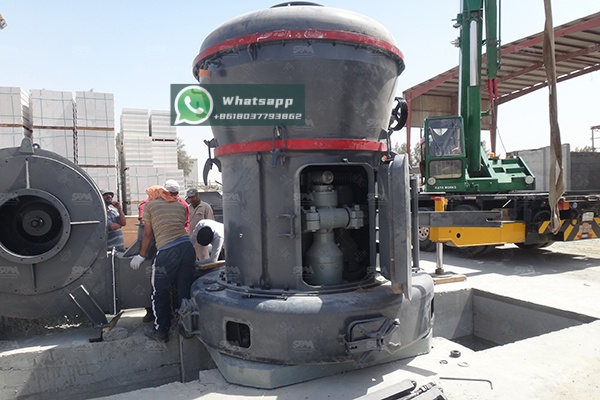
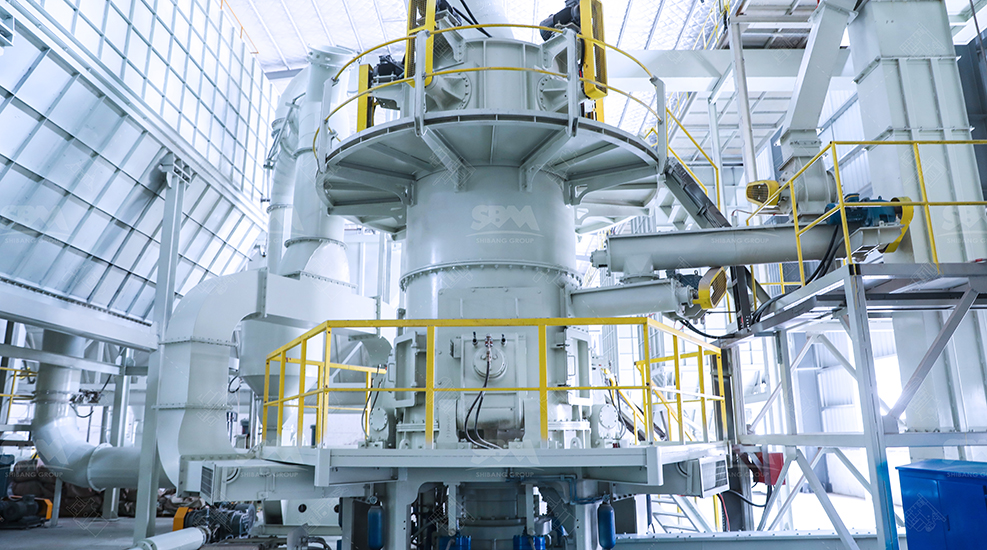
For clients with specific space constraints or a preference for a vertical mill layout, Shanghai Zenith’s LM Vertical Grinding Mill serves as an excellent alternative. This mill integrates crushing, grinding, powder selection, drying, and conveying into one unit, offering a particularly small footprint—a valuable trait in some industrial settings. The LM130K model, with a capacity range of 10-28 TPH, is well-suited for this project scale, offering flexibility and high grinding efficiency derived from its roller-and-bed grinding principle.
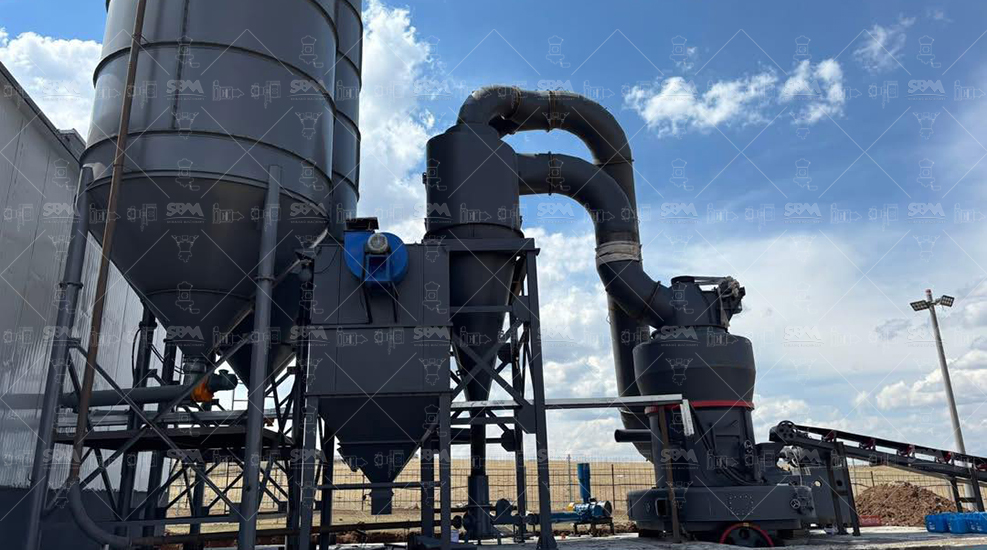
Implementing a grinding line involves more than just the main mill. A complete system from Shanghai Zenith includes jaw crusher for primary size reduction, electromagnetic vibrating feeder, bucket elevator, and pulse dust collector, forming a closed-circuit, automated production line. Our engineers can provide comprehensive support, from site planning and foundation design to installation guidance, commissioning, and operator training. We understand the local conditions in South Asia and can ensure our equipment is configured for optimal performance with the available quartz sources in Bangladesh.
Establishing a reliable and efficient 5-10 TPH quartz grinding line for metallurgical flux production is a strategic investment for Bangladesh’s growing industrial sector. The key to success lies in selecting grinding equipment that balances high capacity, wear resistance, energy efficiency, and product consistency. Shanghai Zenith Machinery Co., Ltd., with its specialization in industrial powder grinding, recommends the MTW Trapezium Grinding Mill (MTW110Z or MTW138Z) as the core of this operation. This technology provides a future-proof, economical, and high-performance solution, ensuring a steady supply of high-quality quartz flux to support the nation’s metallurgical ambitions.