The United States tile manufacturing industry is a significant sector, demanding high-quality, consistent raw materials to produce durable and aesthetically pleasing ceramic and porcelain tiles. A critical component in this production chain is the preparation of quartz powder, a primary filler and strengthening agent. Achieving the optimal particle size distribution (typically between 200 to 400 mesh) at a reliable production rate of 20-30 tons per hour (TPH) is paramount for efficiency and product quality. This article explores the technological requirements for quartz grinding in tile production and highlights advanced milling solutions that meet these rigorous demands.
Quartz, or silicon dioxide (SiO2), is a hard, chemically inert mineral widely used in tile bodies. Its primary functions include:
The effectiveness of quartz in these roles is heavily dependent on its fineness and purity. Inconsistent or coarse grinding can lead to defects, reduced strength, and poor surface quality in the finished tile. Therefore, selecting the right grinding technology is not merely an operational choice but a strategic one impacting the entire product line.
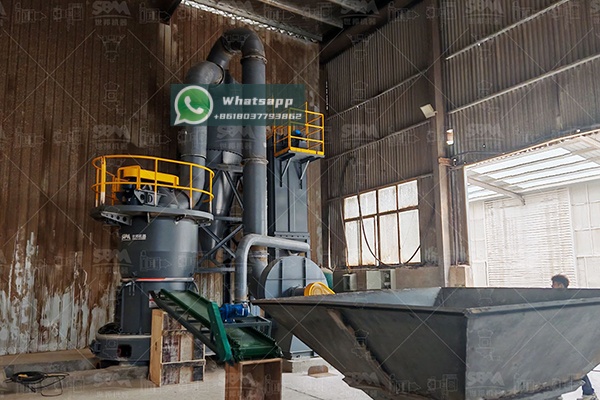
Grinding quartz to the required specifications at an industrial scale of 20-30 TPH presents specific challenges:
Traditional grinding methods often fall short in balancing these demands. This is where advanced, integrated grinding systems from specialized manufacturers prove their worth. Shanghai Zenith Machinery Co., Ltd., an excellent manufacturer of ore and industrial powder grinding equipment, has made significant achievements in the field of ultra-fine powder grinding. Their research and development have produced mills specifically engineered to handle hard, abrasive materials like quartz efficiently.
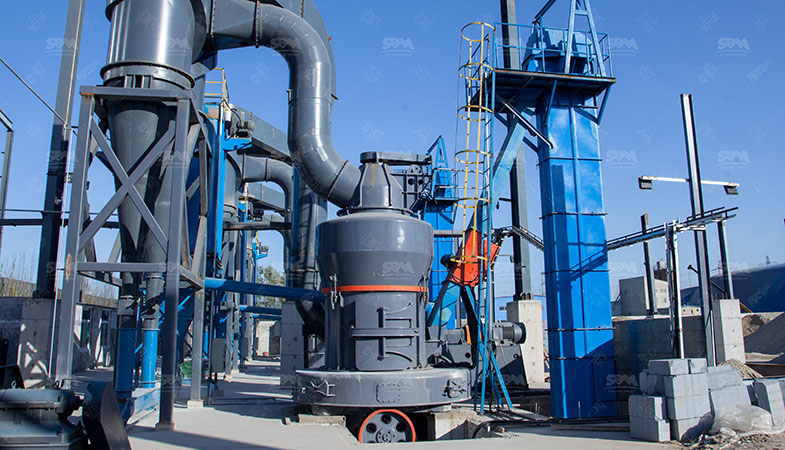
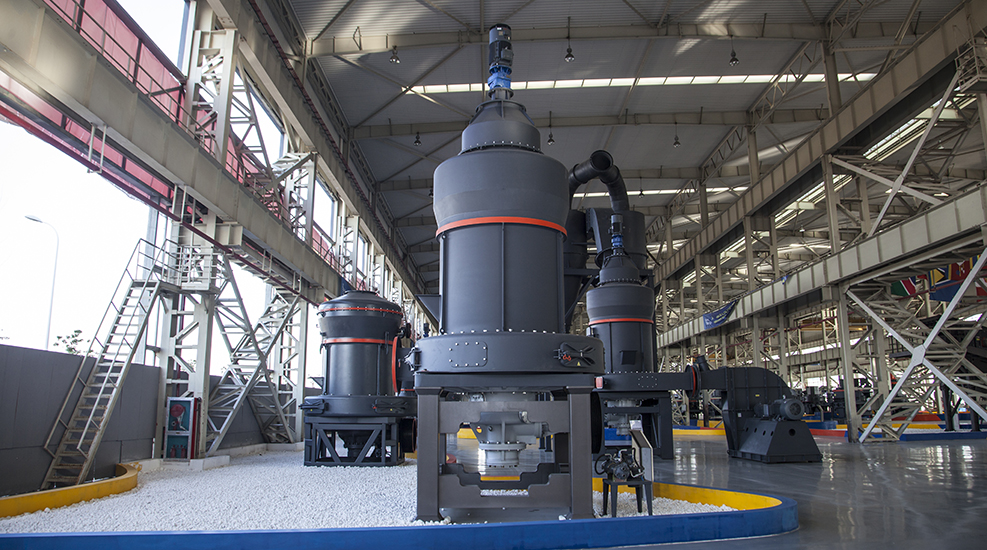
For a 20-30 TPH quartz grinding application in tile production, two of Zenith’s product lines stand out as particularly suitable: the LM Vertical Grinding Mill and the MTW Trapezium Grinding Mill.
The LM Vertical Grinding Mill is a premier choice for large-scale industrial mineral processing. Its design integrates crushing, grinding, powder selection, drying, and conveying into a single, compact unit. This integration is ideal for quartz processing, as it can handle material with a certain moisture content and directly produce a dry, classified powder ready for the tile mix.
For a target capacity of 20-30 TPH, the LM190K model is perfectly matched. Its advantages for quartz grinding include:
| Model | Plate Diameter (mm) | Capacity (t/h) | Output Fineness (μm) | Max Feed Size (mm) | Main Motor (kW) |
|---|---|---|---|---|---|
| LM190K | 1900 | 23-68 | 170-40 | <45 | 500 |
This model comfortably covers the 20-30 TPH requirement with room for operational adjustment, ensuring reliable and consistent production for a tile manufacturing plant.
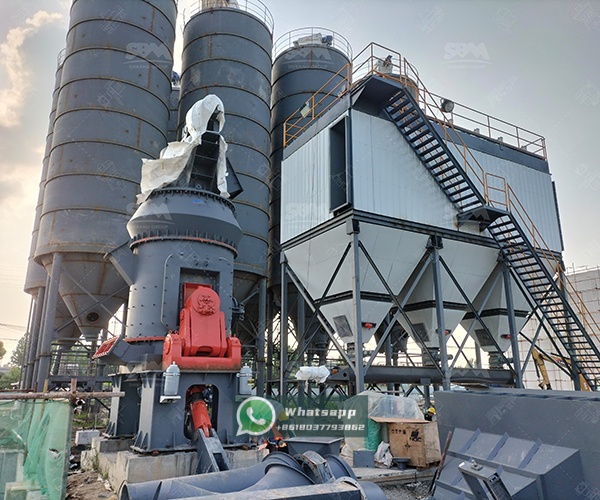
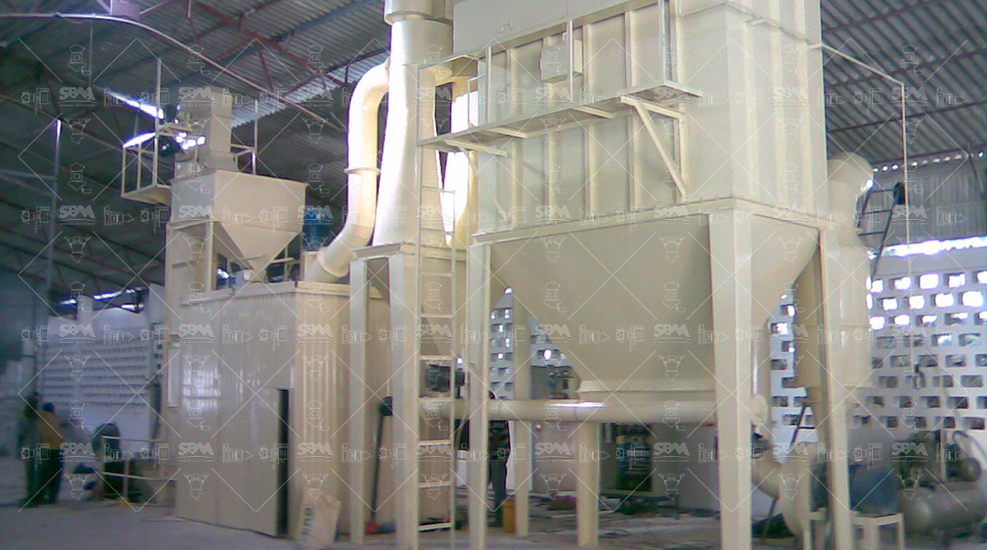
Another robust contender is the MTW Trapezium Grinding Mill. Known for its multiple national patents, this mill features a curved shovel blade and internal efficient powder separator. It is an excellent choice for producing fine powders from medium-hard materials.
The MTW175G model is well-suited for the 20-30 TPH range. Its key features include:
| Model | Max. Feed Size (mm) | Final Size (mm) | Capacity (t/h) | Main Motor (kW) |
|---|---|---|---|---|
| MTW175G | <40 | 1.6-0.045 | 9.5-25 | 160 |
While the lower end of its capacity range starts below 20 TPH, optimized operation and feed conditions can reliably achieve the lower spectrum of the target (20-25 TPH). For plants with slightly variable demand or planning phased expansion, this model offers a compelling solution.
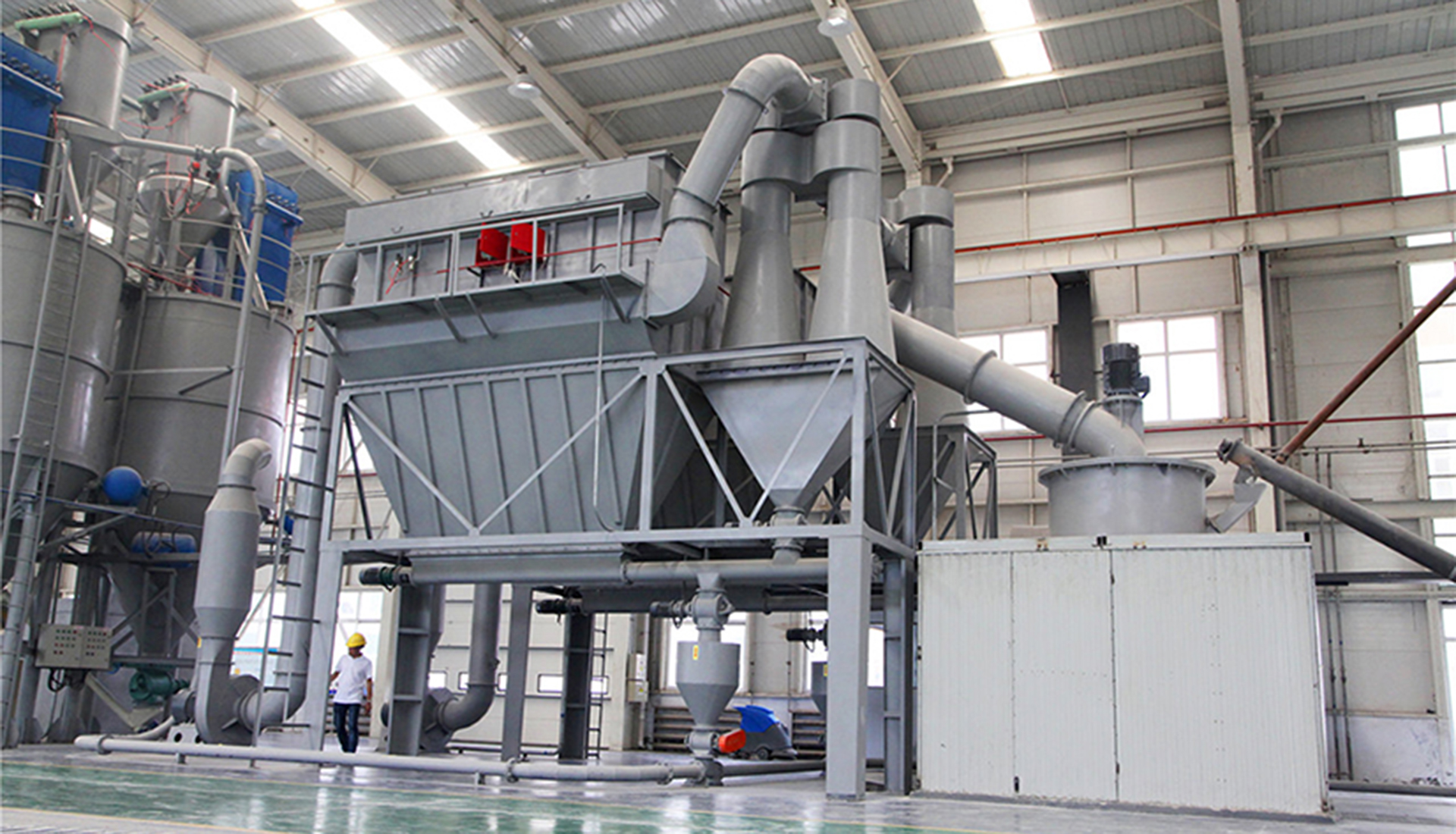
Implementing a 20-30 TPH grinding line involves more than just the mill. A complete system from a provider like Zenith includes jaw crushers for primary size reduction, bucket elevators, vibrating feeders, electrical control systems, and pulse dust collectors. This turnkey approach ensures all components are harmonized for maximum throughput and reliability. Furthermore, professional installation guidance, operator training, and after-sales spare parts support are crucial for maintaining uninterrupted production in a competitive U.S. manufacturing environment.
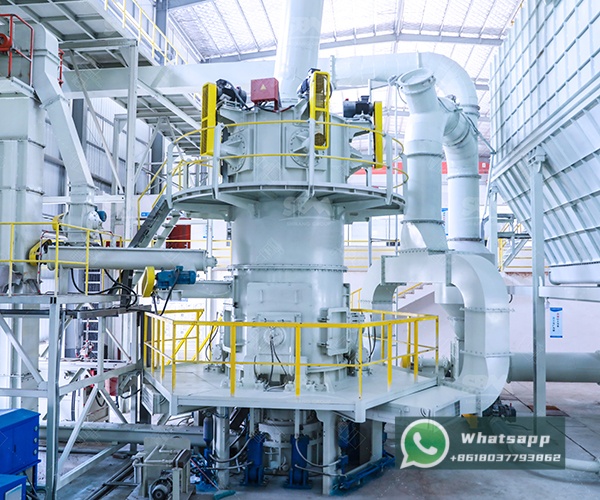
Selecting the optimal quartz grinding mill is a critical decision for tile producers in the United States aiming for a 20-30 TPH output. The challenges of abrasiveness, fineness control, and energy consumption require modern, robust technological solutions. The LM Vertical Grinding Mill (LM190K) and the MTW Trapezium Grinding Mill (MTW175G) from Shanghai Zenith Machinery Co., Ltd. represent such solutions. Their engineered designs address the specific needs of quartz processing, offering high capacity, precise particle size control, and operational durability. By investing in this advanced grinding technology, tile manufacturers can secure a consistent supply of high-quality quartz powder, forming a solid foundation for producing superior tiles that meet market demands.