The animal husbandry and feed production industry in Myanmar is experiencing significant growth, driven by rising domestic demand and an increasing focus on livestock productivity and health. In this context, the quality of feed additives becomes paramount. Talc, a naturally occurring magnesium silicate mineral, is a valuable anti-caking and flow agent in animal feed production. It prevents feed particles from clumping together, ensuring uniform mixing, easy handling, and consistent nutrient delivery. To leverage this additive effectively, feed producers require reliable, efficient, and precise grinding equipment to process talc into the fine, consistent powder necessary for optimal feed formulation. For a production target of 5 to 10 tons per hour (TPH), selecting the right grinding mill is a critical business decision.
In animal feed, talc acts primarily as a technological additive. Its lamellar (plate-like) structure provides excellent lubricity and anti-adherent properties. When added in small percentages (typically 0.5-2%), it significantly improves the flowability of powdered and pelleted feeds, reducing bridging in hoppers and ensuring accurate dosing. This leads to less waste, more efficient production lines, and ultimately, more consistent feed quality for livestock.
To perform this function, the talc must be ground to a specific fineness. A coarse grind will not provide adequate surface coverage, while an excessively fine grind might alter the feed’s texture or become dusty. The ideal target for feed-grade talc often falls within a range of 200 to 600 mesh (approximately 75 to 25 microns). The grinding process must be consistent, controllable, and efficient to produce a uniform product within this specification range while meeting the desired 5-10 TPH output for medium-scale feed mills in Myanmar.
Choosing the appropriate mill involves evaluating several factors specific to both the material and the operational environment in Myanmar:
Shanghai Zenith Machinery Co., Ltd., an excellent manufacturer of ore and industrial grinding equipment, offers advanced solutions perfectly suited for talc processing in the feed industry. For a 5-10 TPH talc grinding project in Myanmar, two of our flagship products stand out as ideal candidates: the MTM Medium-Speed Grinding Mill and the LM Vertical Grinding Mill.
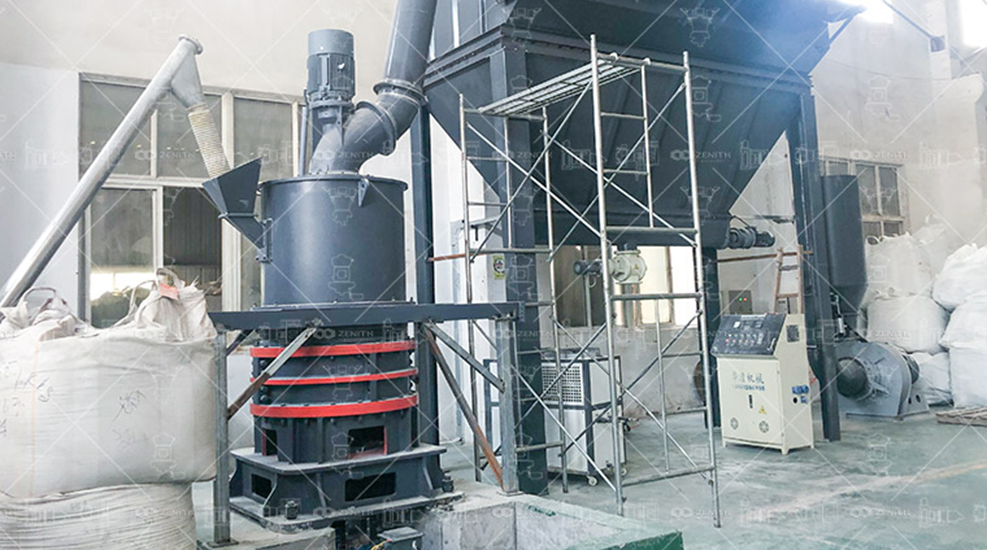
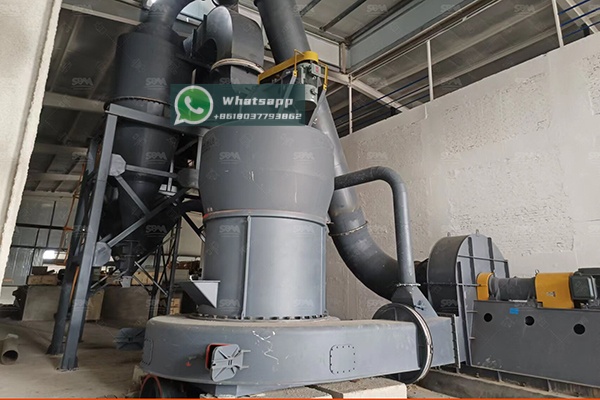
The MTM Mill is an upgraded, high-efficiency substitute for traditional Raymond mills. It is renowned for its stable performance, energy-saving operation, and precise particle size control. Its curved shovel blade design increases grinding capacity and efficiency. For talc grinding to feed-grade fineness, the MTM130 model is particularly well-suited for the 5-10 TPH range.
| Model | Ring Roll Number (pcs) | Max. Feed Size (mm) | Output (t/h) | Main Unit Motor Power (kW) |
|---|---|---|---|---|
| MTM130 | 5 | <30 | 6-11 | 75 |
As shown, the MTM130 comfortably covers the target output with a capacity of 6-11 TPH. Its design ensures the final product fineness can be easily adjusted between 0.038mm (400 mesh) and 0.16mm (100 mesh), making it perfect for producing feed-grade talc powder. Its robust construction ensures long-term, low-maintenance operation, a key advantage for feed producers.
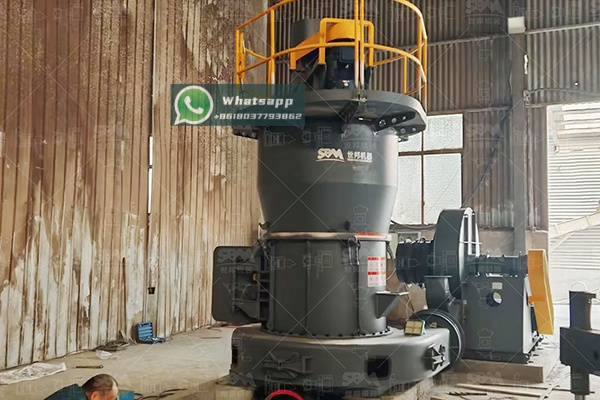
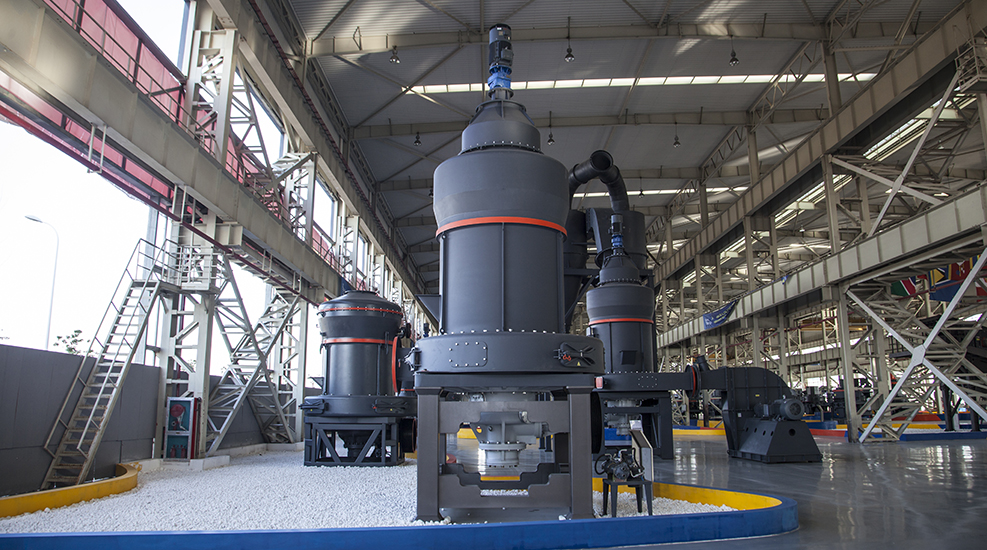
For producers seeking the utmost in efficiency and space-saving design, the LM Vertical Grinding Mill is an outstanding choice. It integrates five functions—crushing, grinding, powder selection, drying, and material conveying—into a single unit. This vertical design results in a significantly smaller footprint compared to horizontal mills. It is also highly energy-efficient, as the grinding roller grinds materials directly onto the grinding plate, consuming less power.
| Model | Plate Diameter (mm) | Capacity (t/h) | Output Fineness (μm) | Main Motor (kW) |
|---|---|---|---|---|
| LM130K | 1300 | 10-28 | 170-40 (approx. 90-400 mesh) | 200 |
The LM130K model offers a capacity starting at 10 TPH, perfectly aligning with the upper end of the requirement and providing room for future expansion. Its ability to produce powder in the 40-170 micron range (approximately 400-90 mesh) with high consistency makes it ideal for talc processing. Furthermore, if the raw talc contains any residual moisture, the integrated drying function is a major benefit, eliminating the need for a separate dryer.
Shanghai Zenith Machinery is not just an equipment supplier; we are a partner in building efficient production lines. Our expertise in ultra-fine powder grinding translates into robust and reliable solutions for industrial minerals like talc. We provide comprehensive support, from initial consultation and site planning to installation guidance, operator training, and after-sales service. By choosing an MTM or LM mill from Zenith, feed producers in Myanmar invest in:
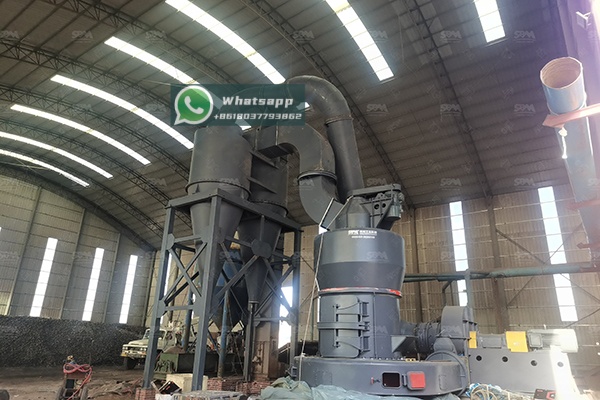
Establishing a 5-10 TPH talc grinding line for animal feed additives is a strategic move for feed producers in Myanmar aiming to enhance product quality and operational efficiency. The selection of grinding equipment is central to this endeavor. Both the MTM130 Medium-Speed Grinding Mill and the LM130K Vertical Grinding Mill from Shanghai Zenith Machinery offer compelling, reliable, and efficient pathways to achieve this production goal. By leveraging Zenith’s engineering excellence and deep industry knowledge, Myanmar’s feed industry can confidently integrate high-quality talc additives, supporting the growth and modernization of its agricultural sector.