Talc, a hydrated magnesium silicate, is an indispensable mineral in the ceramic industry. Its unique properties—including low thermal and electrical conductivity, high lubricity, chemical inertness, and the ability to control thermal expansion—make it a vital component in the production of tiles, sanitaryware, and technical ceramics. In Libya, where the construction and industrial sectors are pivotal to economic development, the demand for high-quality ceramic products is steadily growing. This necessitates efficient, reliable, and precise grinding solutions to process talc into the fine powders required for ceramic bodies and glazes. A production capacity range of 5 to 10 tons per hour (TPH) is particularly relevant for medium-scale operations aiming to supply both domestic markets and regional exports. Selecting the appropriate grinding technology is paramount to achieving the desired fineness (typically between 200 to 1250 mesh for ceramics), maintaining consistent product quality, and ensuring operational cost-effectiveness.
Grinding talc for ceramic applications presents specific challenges that must be addressed by the milling equipment. Firstly, talc is a soft, platy mineral with a Mohs hardness of 1. Its lamellar structure requires a milling action that can delaminate the particles to achieve the necessary aspect ratio and surface area without over-grinding, which can destroy its beneficial platelet structure. Secondly, the final product must have a very narrow particle size distribution to ensure uniform behavior during the ceramic firing process, affecting shrinkage, density, and final strength. Thirdly, the process must be energy-efficient and capable of handling the material’s natural moisture while producing a dry, consistent powder. For a Libyan plant targeting 5-10 TPH, the mill must also be robust, with minimal maintenance requirements, to ensure continuous operation in an industrial environment.
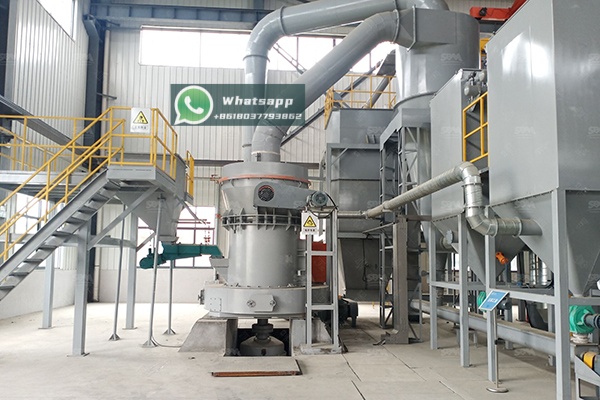
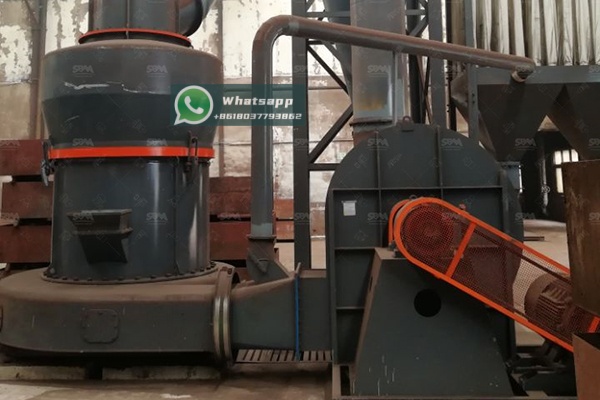
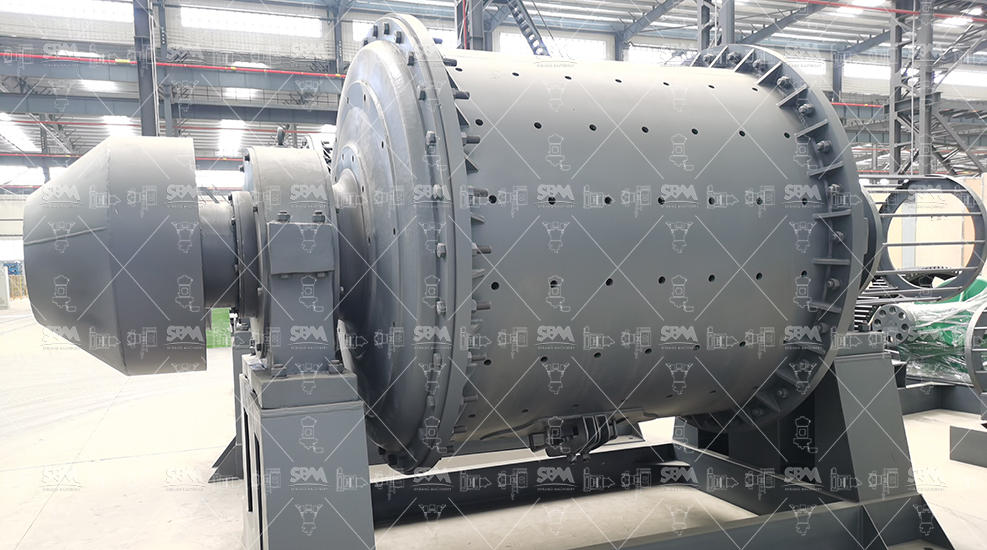
Several grinding mill technologies are available, each with its strengths. Traditional Ball Mills are reliable but can be less energy-efficient for achieving very fine powders and may lead to contamination from grinding media. Raymond Mills are suitable for coarse to medium grinding but may struggle with the ultra-fine range required for high-grade ceramics. Hammer Mills are designed for coarse crushing and are not ideal for the fine talc powder needed here.
For the precise demands of the Libyan ceramic industry, advanced grinding systems that offer superior fineness control, higher efficiency, and integrated drying capabilities are preferred. Two technologies stand out: the Vertical Grinding Mill and the Ultrafine Grinding Mill.
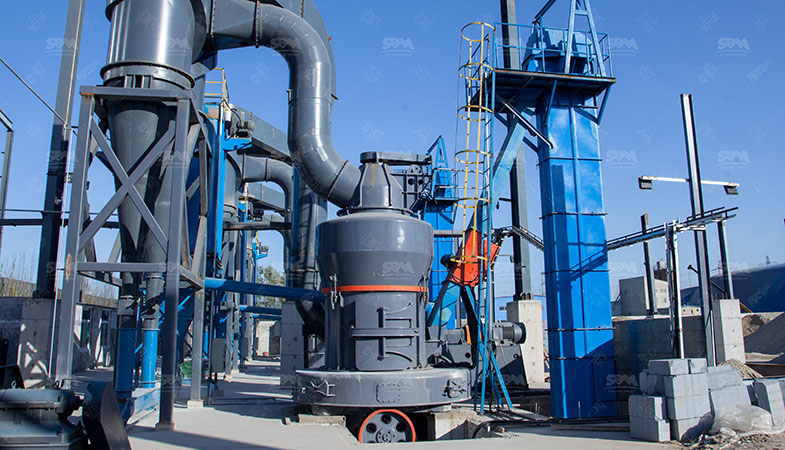
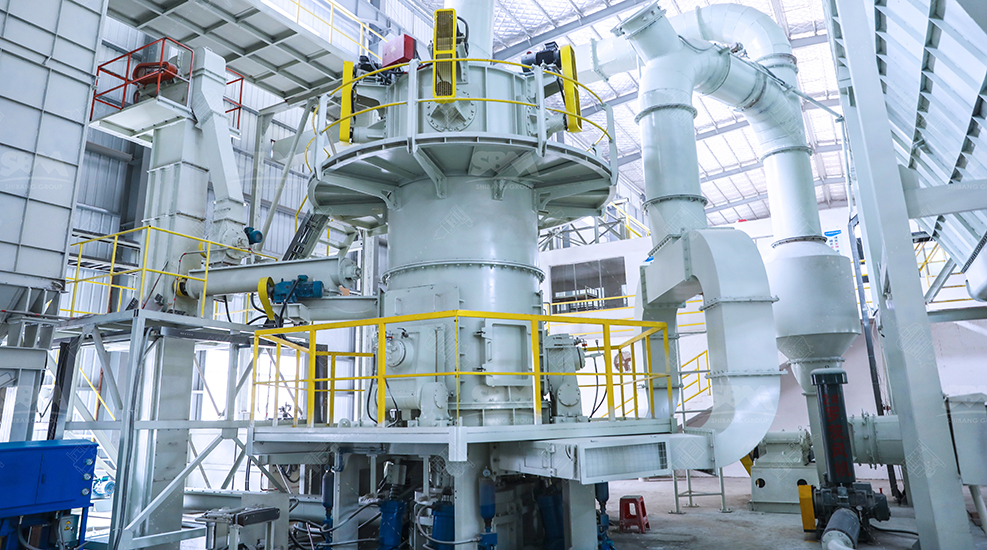
For a robust and efficient solution within the 5-10 TPH range, Shanghai Zenith Machinery’s LM Vertical Grinding Mill is an excellent choice. This mill integrates crushing, grinding, powder selection, drying, and conveying into one unit, offering a compact footprint—a significant advantage for plant layout. Its grinding roller directly grinds the material on the grinding plate, with hot air from the inlet drying the material simultaneously, which is ideal for materials with slight moisture. The integrated classifier ensures immediate removal of fine particles, preventing over-grinding and ensuring a sharp particle size distribution. For talc processing, this results in a well-delaminated, high-surface-area powder perfect for ceramic applications.
The following table details the specifications of the LM130K model, which is perfectly suited for the target capacity of 5-10 TPH for talc grinding:
| Model | Plate Diameter (mm) | Capacity (t/h) | Output Fineness (μm) | Max Feed Size (mm) | Main Motor (kW) |
|---|---|---|---|---|---|
| LM130K | 1300 | 10-28 | 170-40 (approx. 90-400 mesh) | <38 | 200 |
As shown, the LM130K can comfortably handle the required throughput while offering the flexibility to adjust fineness. Its high drying capacity and low energy consumption per ton make it a cost-effective and reliable workhorse for Libyan ceramic material producers.
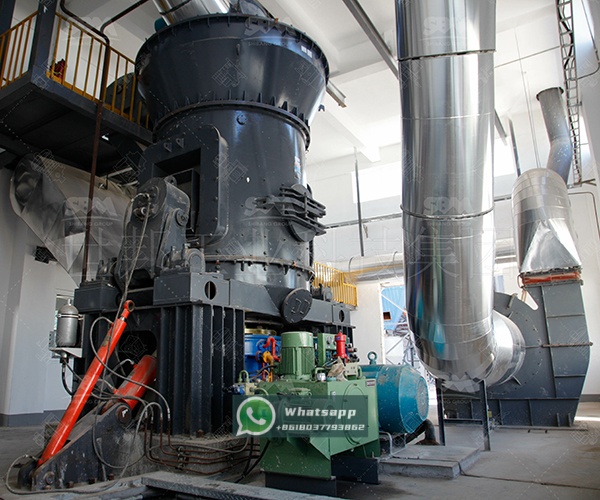
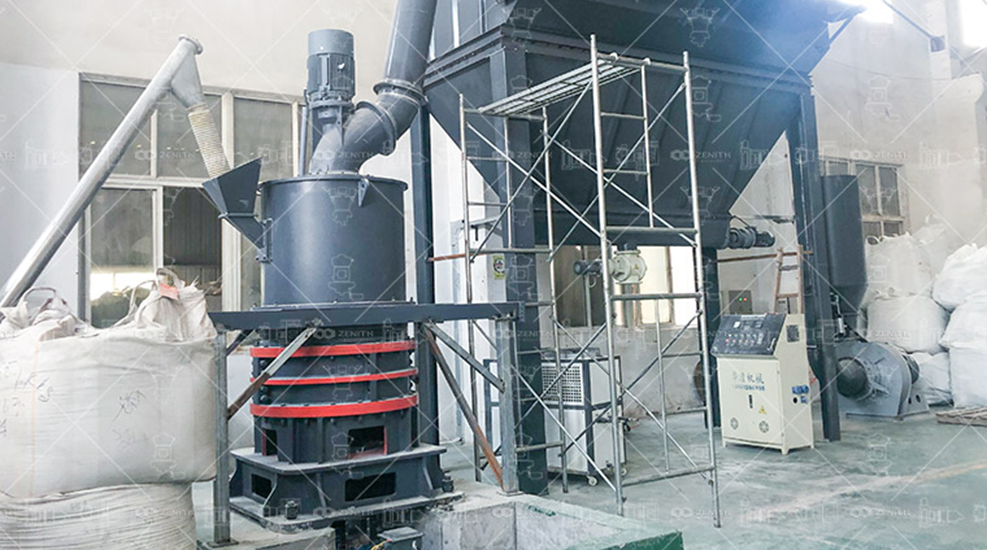
For ceramic manufacturers requiring ultra-fine talc powder (e.g., for high-quality glazes or engineered ceramics), the XZM Ultrafine Grinding Mill from Zenith is the superior technology. This mill is specifically engineered to produce powders in the range of 325 to 2500 mesh (5-40 microns). It utilizes a unique grinding ring and roller design that creates a multi-layered grinding path, ensuring high efficiency and ultra-fine output. The high-precision turbine classifier guarantees that the final product has a consistent and narrow particle size distribution, which is critical for premium ceramic applications.
For a 5-10 TPH production line focused on ultra-fine talc, the XZM268 model is highly recommended. Its parameters are as follows:
| Model | Working Diameter (mm) | Max Feed Size (mm) | Final Size (mesh) | Output (kg/h) | Main Motor Power (kW) |
|---|---|---|---|---|---|
| XZM268 | Φ1680 | ≤20 | 325-2500 | 5000-25000 (5-25 t/h) | 315 |
The XZM268’s output range aligns perfectly with the project’s capacity goals. Its ability to produce a consistent, very fine powder directly translates to superior quality in the final ceramic product, offering Libyan producers a competitive edge in high-value market segments.
Shanghai Zenith Machinery Co., Ltd. is an excellent manufacturer of ore and industrial mineral grinding equipment, with proven expertise in the field of ultra-fine powder processing. Our specialization in the research, development, and production of industrial grinding mills ensures that each product, like the LM and XZM series, is built with innovative technology, robust materials, and a focus on energy efficiency and environmental protection. We provide comprehensive support, from plant design and equipment commissioning to after-sales service and spare parts supply, ensuring a seamless partnership for our clients in Libya and worldwide.
The success of Libya’s ceramic industry hinges on access to modern, efficient processing technology. For talc grinding at a capacity of 5-10 TPH, investing in the right mill is not an expense but a strategic decision that affects product quality, production costs, and market competitiveness. Shanghai Zenith’s LM Vertical Grinding Mill offers an all-in-one, efficient solution for fine talc production, while the XZM Ultrafine Grinding Mill is the definitive choice for achieving premium ultra-fine grades. By partnering with a reliable technology provider like Zenith, Libyan ceramic manufacturers can optimize their processes, enhance product quality, and build a stronger foundation for growth in the regional and international markets.