Bangladesh has emerged as one of South Asia’s most dynamic manufacturing economies, and its glass industry is expanding at an impressive pace. Driven by rising demand for flat glass, container glass, tableware, and specialty glass products, Bangladeshi glass manufacturers are continuously seeking reliable raw material processing solutions. Among the critical raw materials used in glass production, talc plays a vital role as a fluxing agent and property modifier. To achieve consistent glass quality and optimal furnace performance, talc must be ground to the correct particle size distribution. For small to medium-scale glass production lines with a capacity of 1-3 TPH, selecting the right talc grinding mill is essential for balancing productivity, energy consumption, and product fineness.
Shanghai Zenith Machinery Co., Ltd. is an excellent manufacturer of ore grinding equipment in China and has made great achievements in the field of ultra-fine powder grinding. We specialize in the research, development, and production of industrial powder grinding equipment and related devices. Our portfolio includes the MTW Trapezium Grinding Mill, Ball Mill, MTM Medium-Speed Grinding Mill, Raymond Mill, LM Vertical Grinding Mill, LUM Ultrafine Vertical Mill, XZM Ultrafine Grinding Mill, and Hammer Mill. In this article, we will explore how talc is used in glass making, what grinding characteristics are required, and which of our products are best suited for 1-3 TPH talc processing in Bangladesh.
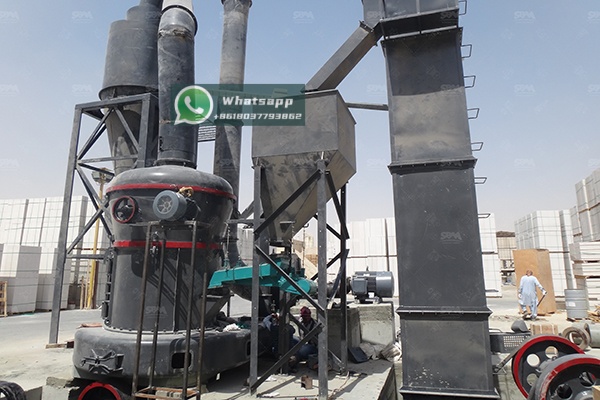
Talc is a hydrated magnesium silicate mineral with the chemical formula Mg₃Si₄O₁₀(OH)₂. In glass manufacturing, talc is primarily used as a source of magnesium oxide (MgO) and silica (SiO₂). It acts as a flux, lowering the melting temperature of the glass batch and reducing energy consumption in the furnace. Additionally, talc improves the chemical durability and thermal shock resistance of the final glass product. In certain glass compositions, talc also helps control viscosity and crystallization behavior during forming.
The quality of talc used in glass making is determined by its chemical purity, mineralogy, and particle size distribution. High-quality talc for glass applications should have low iron content to avoid unwanted coloration, and it must be free of contaminants such as carbonates and sulfides that can cause defects like bubbles, stones, or cords in the glass. Equally important is the particle size of the ground talc. If the talc particles are too coarse, they may not melt completely, leading to batch segregation and incomplete reactions. If the particles are too fine, they can cause dusting, material loss, and excessive energy consumption during grinding. Therefore, a carefully controlled grinding process is indispensable.
For glass making, talc is typically ground to a fineness ranging from 200 mesh to 400 mesh (approximately 75 μm to 38 μm), depending on the specific glass formulation and furnace design. In some specialty glass applications, even finer talc powder may be required. The grinding circuit must be capable of delivering a consistent product size with minimal variation, while maintaining a capacity of 1-3 TPH to match the production scale of small and medium glass plants in Bangladesh.
Several factors influence the selection of a talc grinding mill for this capacity range. These include the hardness of the talc (which is relatively soft, with a Mohs hardness of 1), the moisture content of the raw material, the desired final fineness, the available space at the plant site, and the local energy costs. In Bangladesh, where industrial electricity tariffs and fuel costs are significant considerations, energy-efficient grinding equipment is particularly valuable. Additionally, equipment must be robust enough to handle continuous operation in a demanding production environment.
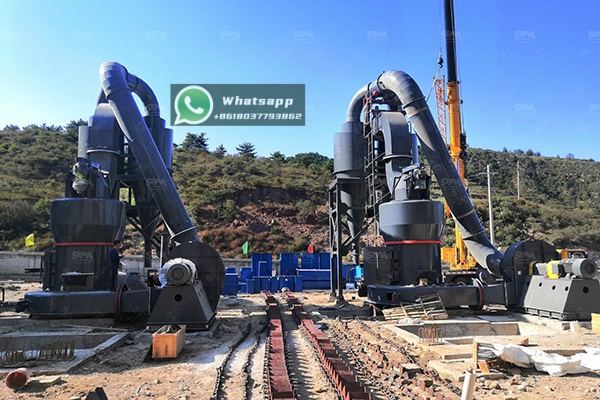
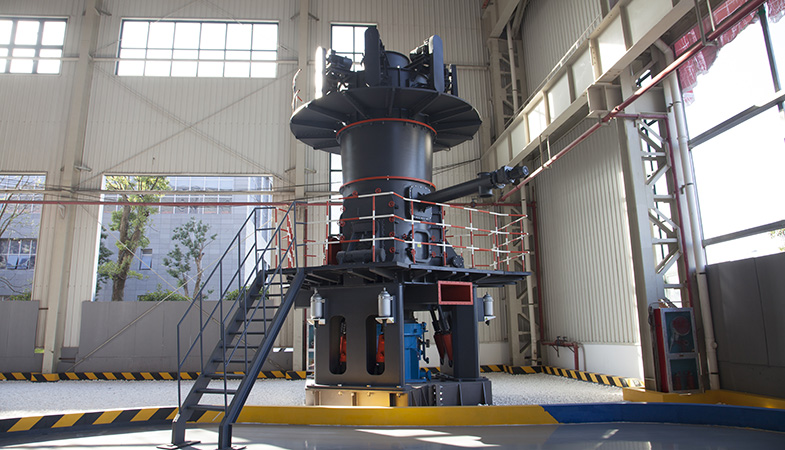
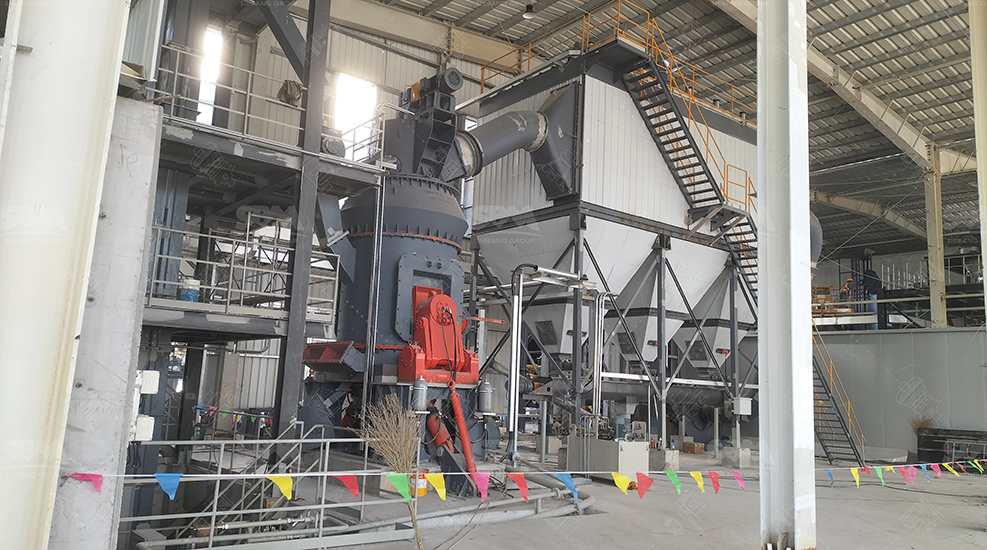
Based on the specific requirements of 1-3 TPH talc grinding for glass making, Shanghai Zenith Machinery recommends two highly suitable products: the YGM8314 Raymond Mill and the XZM221 Ultrafine Grinding Mill. Both machines are engineered for reliability, energy efficiency, and consistent product quality, making them ideal choices for Bangladeshi glass manufacturers.
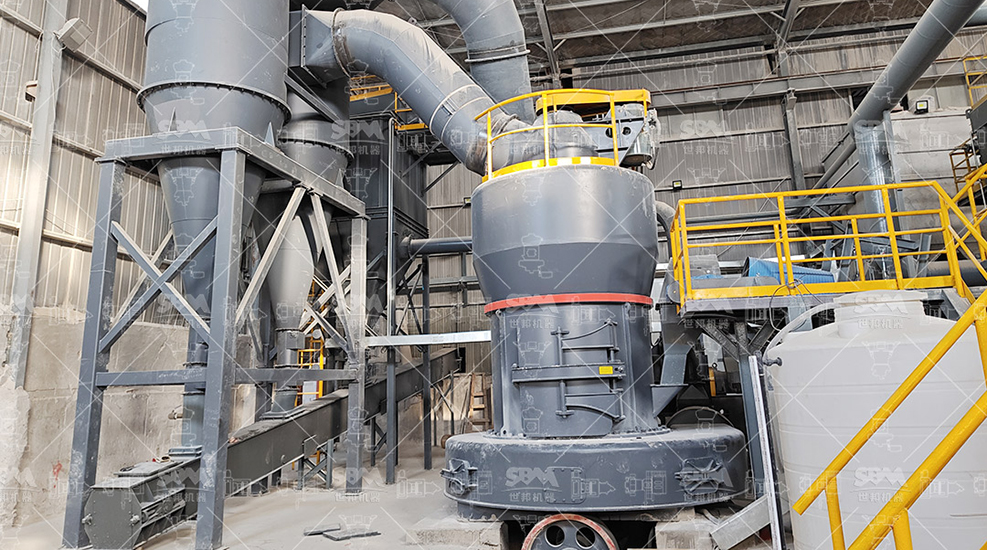
The YGM8314 Raymond Mill is a classic and highly dependable grinding solution for soft to medium-hard minerals. With a capacity range of 1.2-4.6 TPH, it perfectly covers the 1-3 TPH target for talc processing. The mill uses a vertical roller and ring structure, where the grinding rollers press against the grinding ring under the action of centrifugal force, crushing and grinding the talc into fine powder. The integrated classifier ensures precise control of the final product fineness, which can be adjusted between 1.6 mm and 0.045 mm (approximately 30 mesh to 325 mesh).
The YGM8314 is known for its energy-saving and environmental protection features. It offers high grinding efficiency, lower energy consumption, and high economic profits. The machine is equipped with a dust removal system that minimizes airborne emissions, helping glass plants comply with environmental regulations. Its compact footprint and simple maintenance requirements make it an excellent choice for plants in Bangladesh where space and operational simplicity are important.
Technical Parameters of YGM8314 Raymond Mill
| Model | Roller Quantity (pcs) | Max. Feed Size (mm) | Discharging Size (mm) | Capacity (t/h) |
|---|---|---|---|---|
| YGM8314 | 3 | 20 | 1.6-0.045 | 1.2-4.6 |
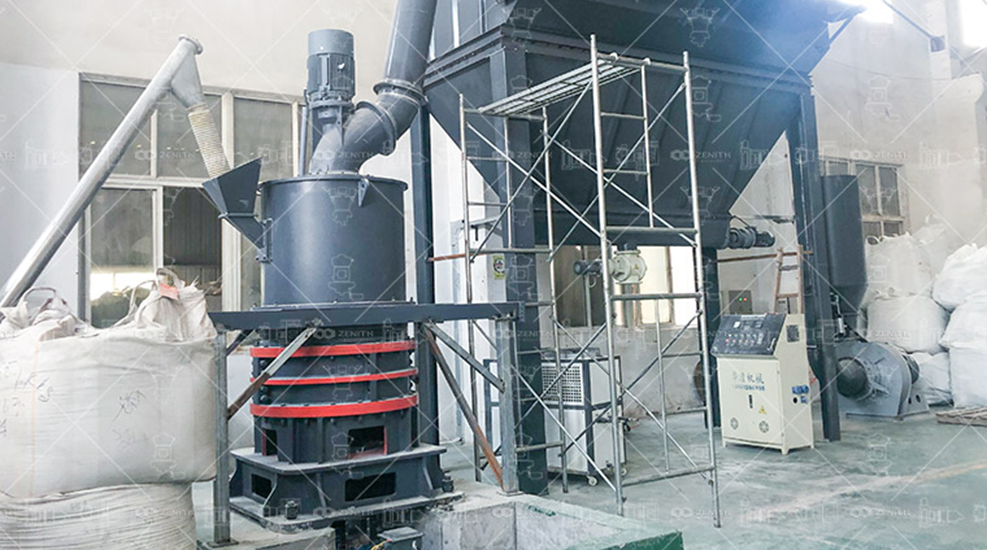
For glass manufacturers requiring finer talc powder, the XZM221 Ultrafine Grinding Mill is an outstanding option. This mill is widely used for superfine powder production and is suitable for grinding soft or medium-hard materials with moisture content below 6%. Talc, being a soft mineral, is readily processed by the XZM221 to achieve output fineness ranging from 325 to 2500 mesh. The capacity of the XZM221 is 500-4500 kg/h (0.5-4.5 TPH), which comfortably accommodates the 1-3 TPH production range.
The XZM221 features a high-efficiency classifier and a robust grinding chamber that ensure uniform particle size distribution and high yield. The mill is designed for easy adjustment of the final product fineness, allowing glass manufacturers to switch between different talc specifications without major reconfiguration. Its intelligent control system and low maintenance requirements further enhance its appeal for continuous industrial operation.
Technical Parameters of XZM221 Ultrafine Grinding Mill
| Model | Working Diameter (mm) | Max. Feed Size (mm) | Final Size (mesh) | Output (kg/h) | Main Motor Power (kW) |
|---|---|---|---|---|---|
| XZM221 | Φ800 | ≤20 | 325-2500 | 500-4500 | 75 |
Bangladesh’s glass manufacturers face unique challenges, including fluctuating raw material quality, energy cost pressures, and the need for reliable, continuous production. The YGM8314 Raymond Mill and XZM221 Ultrafine Grinding Mill address these challenges effectively. Both machines are manufactured by Shanghai Zenith Machinery Co., Ltd., a company with extensive experience in ore grinding equipment and a reputation for quality and innovation.
The YGM8314 offers a cost-effective solution for plants that need moderate fineness (up to 325 mesh) and a capacity of 1-3 TPH. Its simple structure, low maintenance, and energy-efficient operation make it a practical choice for small and medium glass plants. The XZM221, on the other hand, is ideal for manufacturers who require finer talc powder (up to 2500 mesh) for specialty glass products or for optimizing melting behavior in high-performance furnaces. With its higher fineness capability and flexible output, the XZM221 provides an excellent upgrade path as production requirements evolve.
Both mills are supported by Zenith’s global service network, ensuring that Bangladeshi customers receive timely technical support, spare parts, and maintenance services. This is particularly important for glass plants that operate continuously and cannot afford extended downtime.
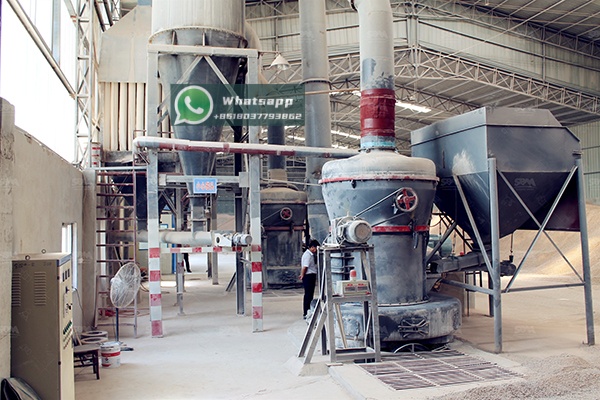
When installing a talc grinding mill for glass making in Bangladesh, several practical factors should be considered. First, the raw talc should be pre-crushed to a size suitable for the mill’s maximum feed size. The YGM8314 accepts feed sizes up to 20 mm, while the XZM221 accepts feed sizes up to 20 mm as well. A small jaw crusher or hammer mill can be used for pre-crushing if the raw talc is delivered in larger lumps.
Second, the moisture content of the talc should be controlled. While both mills can handle some moisture, excessive moisture can cause sticking and reduce grinding efficiency. In Bangladesh’s humid climate, it may be advisable to store raw talc under cover and use a dryer if necessary. Third, the grinding circuit should include a dust collection system to maintain a clean working environment and recover fine talc particles. Both the YGM8314 and XZM221 can be equipped with high-efficiency dust collectors.
Finally, regular maintenance is key to ensuring long-term performance. This includes checking the grinding rollers and rings for wear, lubricating moving parts, and inspecting the classifier for proper adjustment. Zenith provides comprehensive operation and maintenance manuals, as well as on-site training for operators.
Selecting the right talc grinding mill is a critical decision for glass manufacturers in Bangladesh. For production capacities of 1-3 TPH, the YGM8314 Raymond Mill and the XZM221 Ultrafine Grinding Mill from Shanghai Zenith Machinery Co., Ltd. offer outstanding performance, energy efficiency, and reliability. The YGM8314 is a proven workhorse for moderate fineness and cost-sensitive operations, while the XZM221 delivers superior fineness for specialty glass applications. By choosing Zenith, Bangladeshi glass producers can benefit from world-class grinding technology, robust equipment, and dedicated after-sales support. As the glass industry in Bangladesh continues to grow, investing in the right grinding solution will help manufacturers maintain a competitive edge and produce high-quality glass products that meet both domestic and international standards.
For more information about our talc grinding mills and to discuss your specific 1-3 TPH production requirements, please contact Shanghai Zenith Machinery Co., Ltd. Our team of experts is ready to assist you in designing the optimal grinding solution for your glass making plant in Bangladesh.