Talc, a hydrated magnesium silicate, plays a crucial role in many industrial sectors, especially in ceramics and tile manufacturing. In Egypt, the ceramic industry has been thriving over the past decade due to the abundance of natural minerals and the growing demand for construction materials. One of the fundamental processes in tile production is talc grinding, where raw talc rock is processed into fine powder to achieve desired properties. This article discusses the use of an 80-mesh talc grinding mill for tile production in Egypt, detailing the technical requirements, industry applications, and ideal equipment solutions provided by Shanghai Zenith Machinery Co., Ltd.
Talc is valued in ceramic manufacturing for its unique combination of softness, lamellar structure, and thermal resistance. When ground to an appropriate particle size, such as 80 mesh, talc enhances the mechanical strength, smoothness, and finish of ceramic tiles. It also acts as a flux to reduce firing temperatures, thereby saving energy during the sintering process. Egypt’s naturally occurring talc deposits offer a cost-effective raw material source for local producers.
Therefore, achieving the right grinding fineness for talc (typically 80 mesh for tiles) becomes technically essential for producers who aim to ensure product quality and consistency.
The desired particle size for talc used in ceramic tile formulation depends on both the type of tiles produced and the intended optical and mechanical properties. An 80-mesh size corresponds to a particle diameter of approximately 180 microns, which is sufficient for medium-grade ceramic applications. This level of grinding enhances dispersion uniformity without excessive dust production or energy consumption.
The grinding process must ensure:
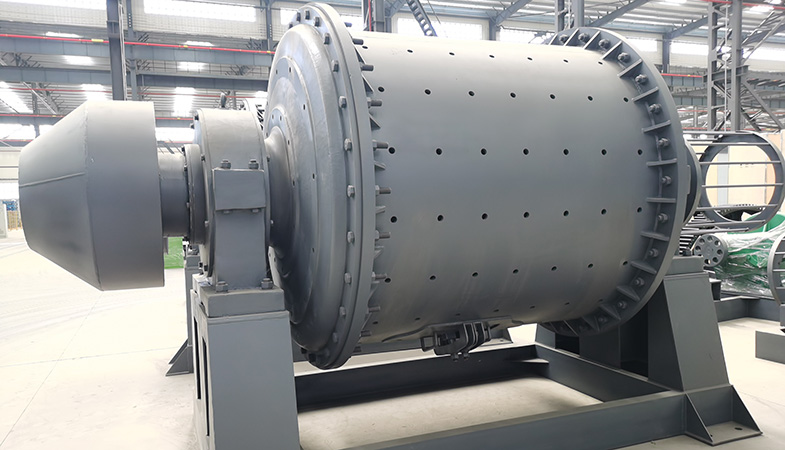
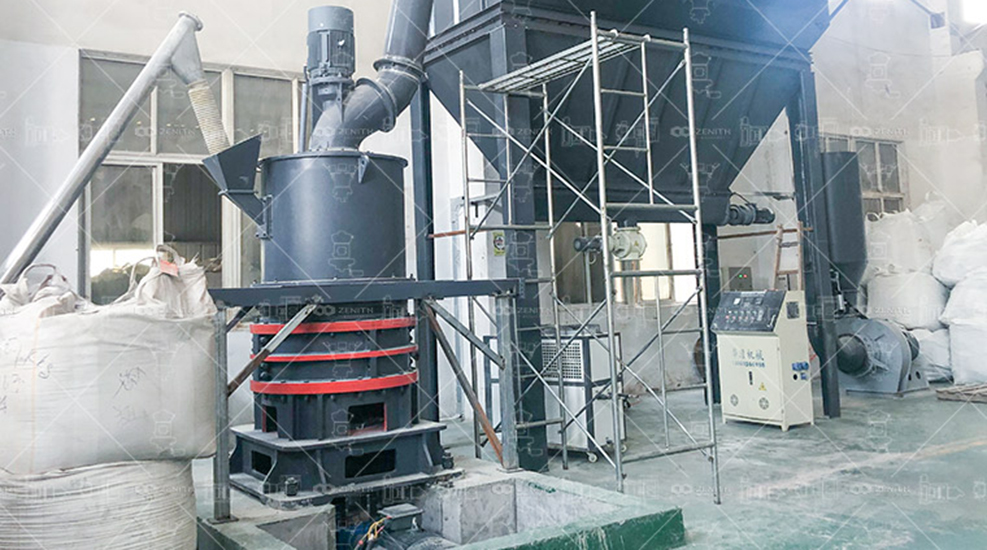
For ceramic producers in Egypt, the choice of grinding mill for talc should consider factors such as local power infrastructure, desired output capacity, and maintenance feasibility. Shanghai Zenith Machinery Co., Ltd. offers several efficient grinding solutions, including the MTW Trapezium Grinding Mill and the LM Vertical Grinding Mill. Both are ideal for producing 80-mesh talc powder suitable for tile manufacturing.
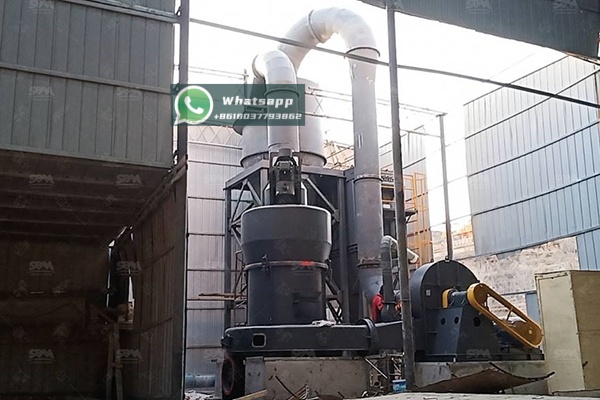
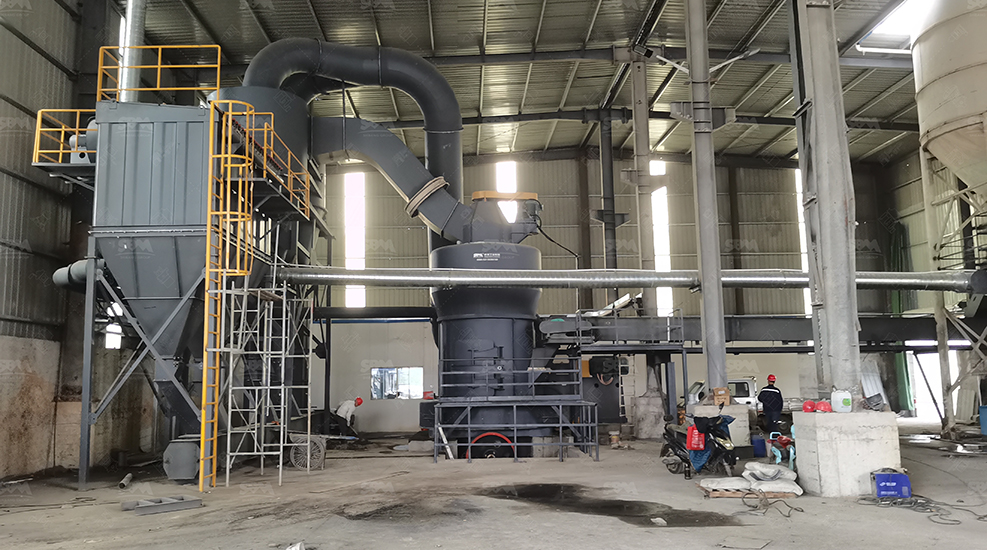
The MTW Trapezium Grinding Mill is one of the most advanced grinding systems designed by Zenith. It combines European technology with localized engineering optimization, offering energy efficiency, reliability, and user-friendly operation. Its trapezoidal working surface and superior air circulation design provide enhanced grinding stability and uniform particle size distribution—ideal for talc grinding at 80 mesh.
| Model | Max. Feed Size (mm) | Final Size (mm) | Capacity (t/h) | Main Motor (kW) | Fan Motor (kW) |
|---|---|---|---|---|---|
| MTW110Z | <30 | 1.6-0.045 | 3-10 | 55 | 55 |
| MTW138Z | <35 | 1.6-0.045 | 6-17 | 90 | 110 |
| MTW175G | <40 | 1.6-0.045 | 9.5-25 | 160 | 200 |
With its stable output and low operational costs, the MTW mill is extremely suitable for mid to large ceramic companies looking to optimize their raw material preparation process. It also supports automation integration, enabling continuous production with minimal human intervention.
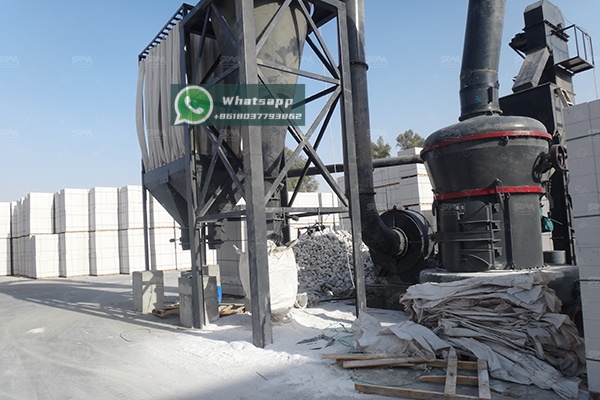
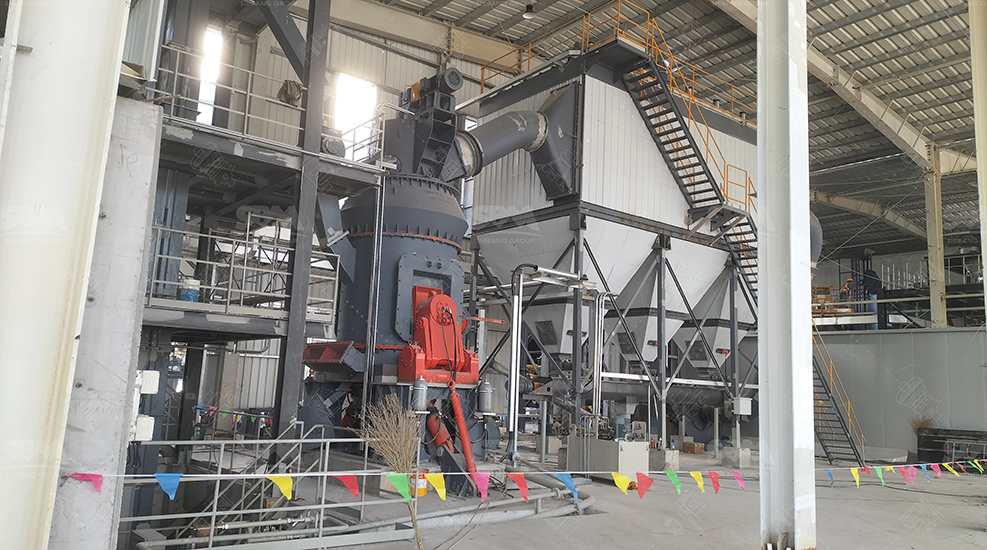
Another outstanding equipment choice for 80-mesh talc preparation is the LM Vertical Grinding Mill. This model integrates grinding, drying, classification, and material conveying into one unit. The mill provides a compact footprint and high output efficiency, making it ideal for factories that need a combination of power efficiency and space optimization. Its design minimizes dust emissions and meets environmental standards for modern ceramic facilities in Egypt.
| Model | Plate Diameter (mm) | Capacity (t/h) | Output Fineness (μm) | Max Feed Size (mm) | Main Motor (kW) |
|---|---|---|---|---|---|
| LM130K | 1300 | 10-28 | 170-40 | <38 | 200 |
| LM190K | 1900 | 23-68 | 170-40 | <45 | 500 |
Unlike conventional roller mills, the LM Vertical Grinding Mill allows simultaneous material drying—an essential function for Egyptian conditions where mineral moisture variation may affect grinding efficiency. Moreover, the machine supports intelligent control systems to monitor feeding rates, vibration, and product size in real time.
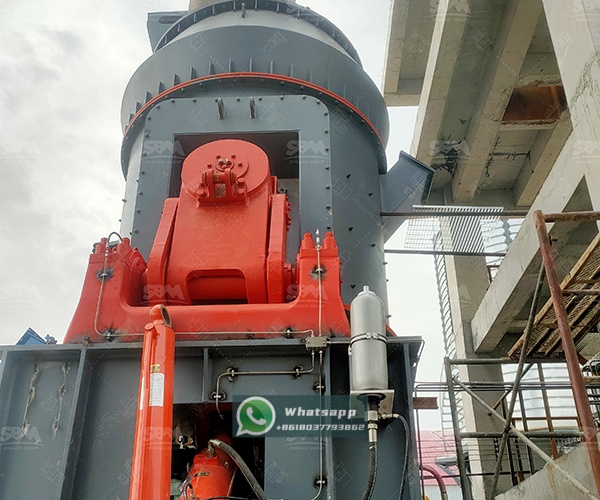
By investing in advanced grinding solutions like MTW and LM series mills from Shanghai Zenith Machinery, ceramic producers in Egypt can expect multiple operational benefits.
A mid-sized Egyptian ceramic tile producer located near Aswan recently installed an MTW175G mill from Shanghai Zenith Machinery Co., Ltd. The goal was to improve the fineness and capacity of their talc grinding system. After integration, the company reported noticeable enhancements in product uniformity and reductions in production costs due to better energy management. The 80-mesh output perfectly met their formula requirements and provided superior glazing performance.
Shanghai Zenith Machinery is a prestigious Chinese manufacturer specializing in industrial powder grinding equipment. With decades of expertise in grinding mill research and production, the company has established itself as a global leader in ultra-fine powder technology. Zenith provides comprehensive technical support, customized engineering solutions, and after-sales services that ensure optimal equipment performance in the demanding environment of ceramic tile production.
In conclusion, grinding talc to 80 mesh plays an indispensable role in tile manufacturing in Egypt. The selection of advanced grinding equipment such as the MTW Trapezium Grinding Mill or LM Vertical Grinding Mill from Shanghai Zenith Machinery Co., Ltd. ensures high efficiency, consistent output, and superior surface quality for ceramic products. As the Egyptian ceramic industry continues to grow, adopting technologically advanced grinding mills will be critical to maintaining competitive advantage, optimizing production costs, and achieving sustainable development goals.
Shanghai Zenith Machinery Co., Ltd. remains committed to providing reliable, energy-efficient, and intelligent grinding solutions to the ceramic industry worldwide.