In industrial grinding operations, vibration control represents one of the most critical factors influencing equipment longevity, operational efficiency, and environmental compliance. Excessive vibration not only accelerates wear and tear on mechanical components but also creates significant challenges for structural foundations, leading to increased maintenance costs and potential safety hazards. A low vibration foundation design is therefore not merely an engineering preference but a fundamental requirement for modern, high-performance grinding systems.
Vibration in grinding equipment originates from multiple sources: unbalanced rotating masses, irregular material feed, mechanical imperfections, and the fundamental dynamics of size reduction processes. When left uncontrolled, these vibrations transmit through the equipment foundation to the surrounding structure, causing numerous operational issues:
The financial implications of vibration-related problems can be substantial, with unscheduled downtime and component replacement costs often exceeding the initial equipment investment. Furthermore, regulatory standards for workplace safety and environmental noise continue to tighten, making vibration control an essential consideration in equipment selection and installation.
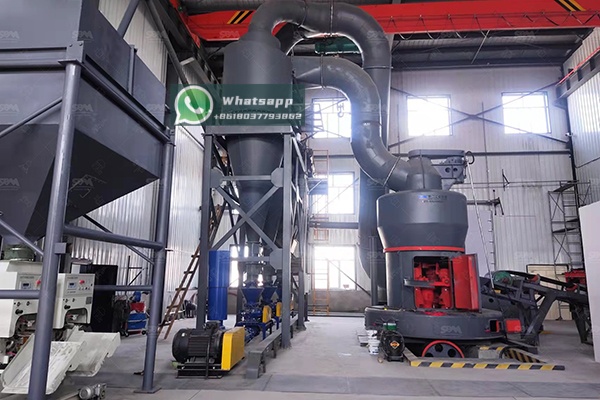
Effective vibration control begins with understanding the dynamic characteristics of grinding equipment and implementing appropriate isolation strategies. The foundation design must account for both static loads (equipment weight, material inventory) and dynamic loads (vibratory forces, impact loads). Key engineering considerations include:
While proper foundation design is crucial, the most effective approach to vibration control begins with selecting equipment engineered for low vibration operation. Modern grinding mills incorporate numerous design features specifically aimed at minimizing vibration at the source.
Shanghai Zenith Machinery Co., Ltd., as an excellent manufacturer of ore grinding equipment, has made significant advancements in developing grinding solutions that inherently minimize vibration generation. Their extensive research and development in ultra-fine powder grinding has yielded several innovative technologies that contribute to smoother operation and reduced dynamic loads on foundations.
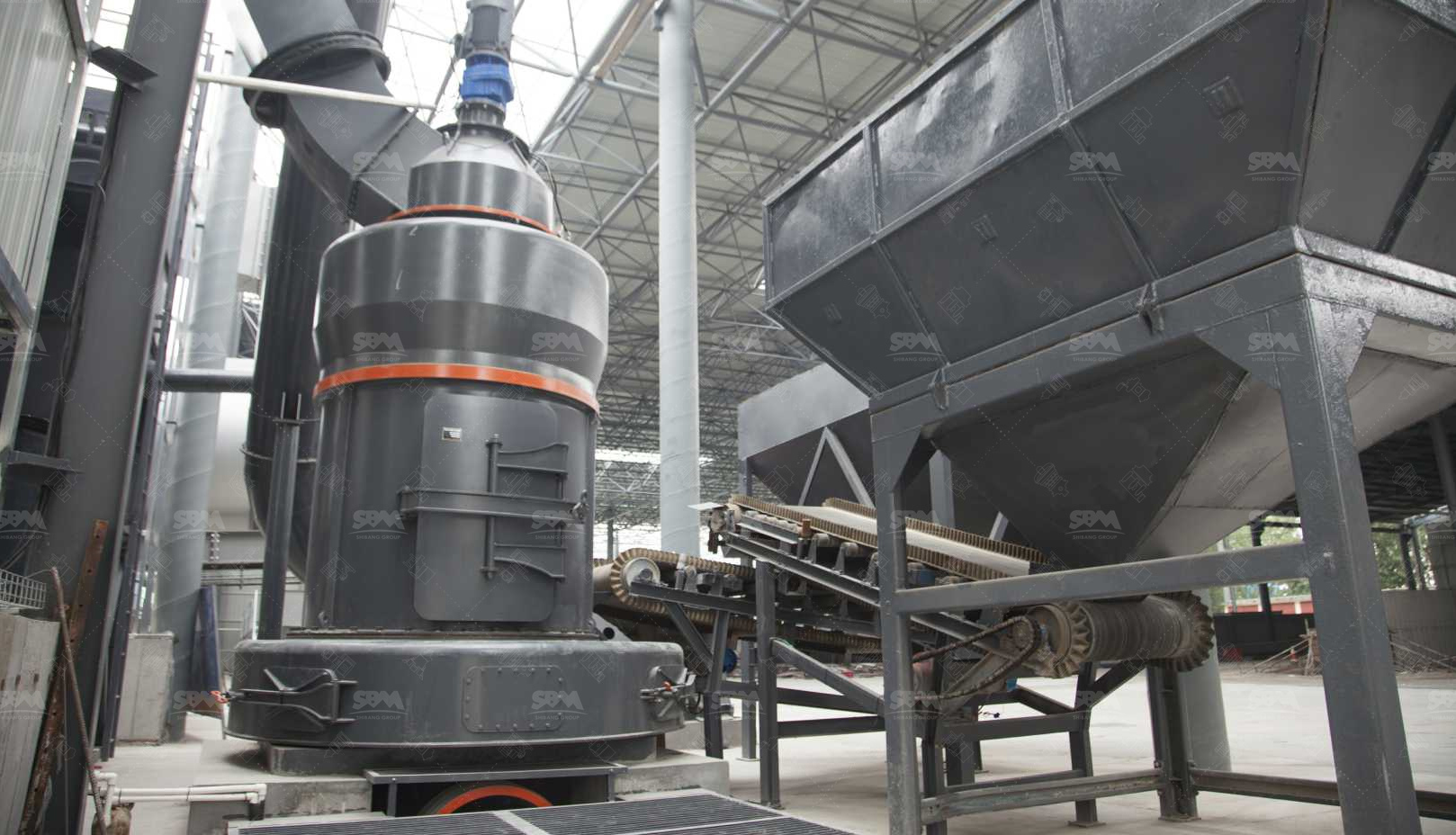
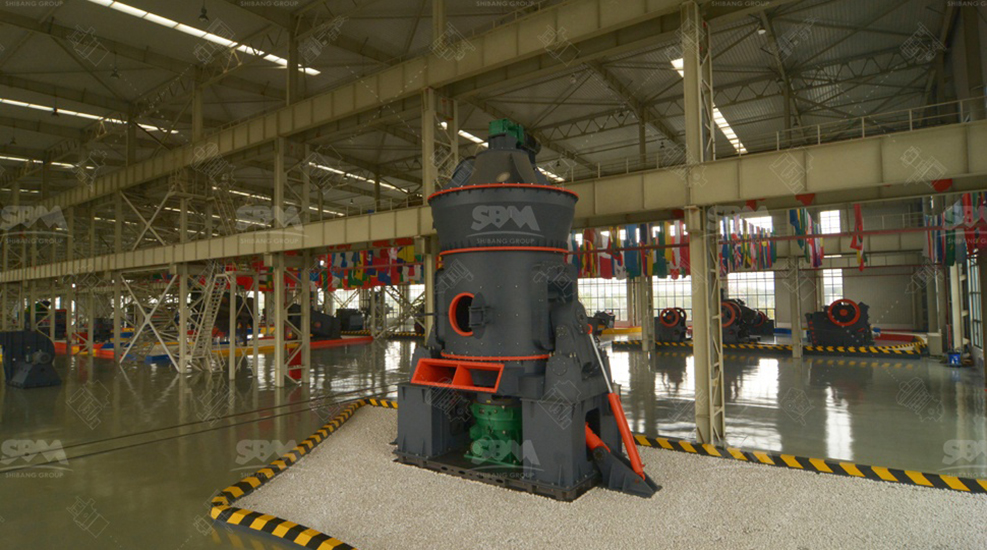
Among Zenith’s comprehensive product line, the LM Vertical Grinding Mill stands out for its exceptional vibration characteristics. This mill integrates five functions—crushing, grinding, powder selection, drying, and material conveying—into a single, compact machine with significantly reduced vibration transmission compared to traditional horizontal mills.
The vertical configuration naturally provides better mass distribution and lower center of gravity, contributing to enhanced stability. Furthermore, Zenith’s proprietary grinding curve design and precision-balanced grinding rollers ensure smooth operation even at high capacities. The integrated design eliminates multiple transfer points that typically generate additional vibration in conventional grinding circuits.
| Model | Plate diameter (mm) | Capacity (t/h) | Output fineness (μm) | Max feed size (mm) | Main motor (kW) |
|---|---|---|---|---|---|
| LM130K | 1300 | 10-28 | 170-40 | <38 | 200 |
| LM190K | 1900 | 23-68 | 170-40 | <45 | 500 |
| LM280K | 2800 | 50-170 | 170-45 | <50 | 1250 |
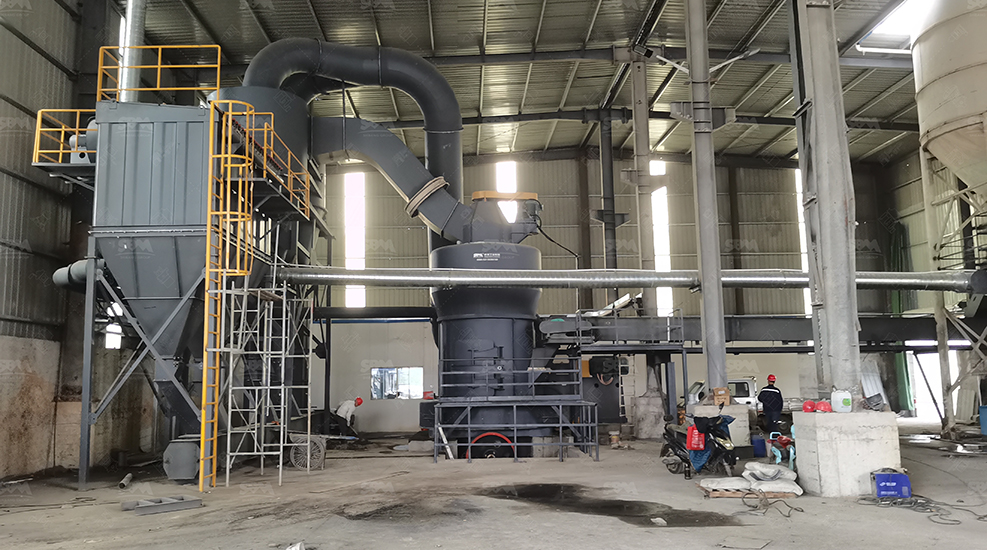
The LM Vertical Grinding Mill’s compact footprint and integrated design significantly reduce the foundation requirements compared to traditional grinding systems. With fewer components and transfer points, the vibration sources are minimized, resulting in a more stable operation that places less demand on the foundation system.
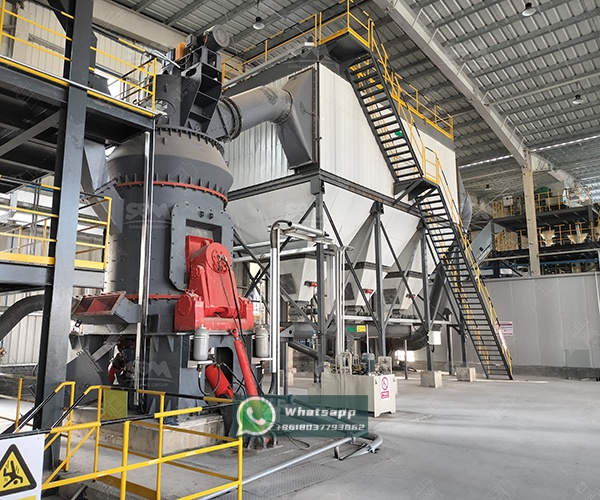
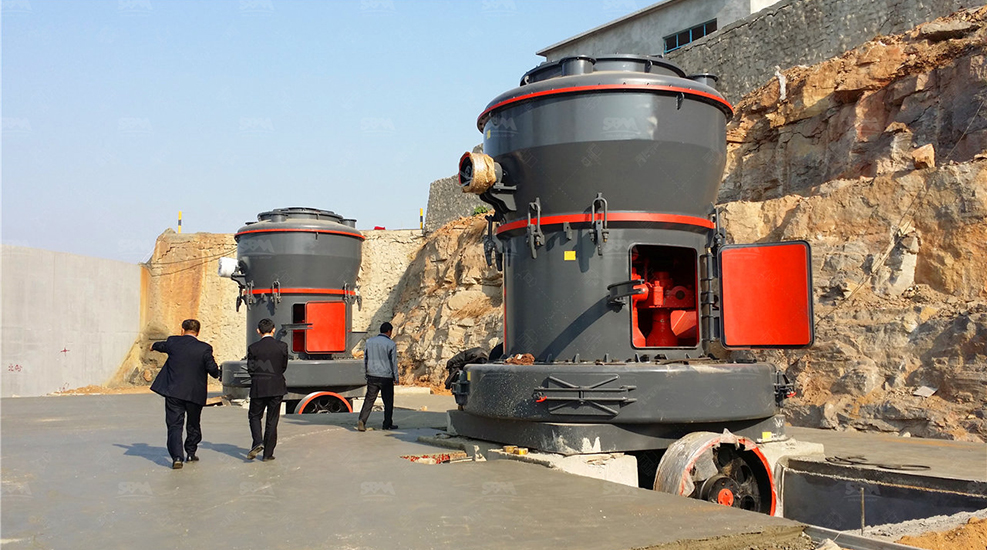
For applications requiring ultra-fine grinding, Zenith’s LUM Ultrafine Vertical Mill represents the pinnacle of vibration-controlled design. This advanced mill incorporates several proprietary technologies that make it exceptionally stable even when producing products with high content of end-fines.
The LUM series features an intelligent control system that continuously monitors operating parameters and automatically adjusts to maintain optimal grinding conditions, preventing vibration-inducing scenarios such as material overload or uneven feeding. The mill’s sophisticated classification system ensures consistent product quality while minimizing recirculation loads that can contribute to vibration.
| Model | Main machine power (kW) | Capacity (t/h) | Size distribution D97 (μm) |
|---|---|---|---|
| LUM1525 | 220-250 | 1.6-11.5 | 5-30 |
| LUM1632 | 280-315 | 2.0-13.5 | 5-30 |
| LUM1836 | 355-400 | 2.3-15 | 5-30 |
The LUM mill’s design includes advanced vibration damping elements in the grinding chamber and classification zones, effectively absorbing energy that would otherwise transmit to the foundation. This makes it particularly suitable for installations in multi-story buildings or sensitive environments where vibration control is paramount.
The most successful grinding installations result from a holistic approach that considers both equipment characteristics and foundation design as complementary elements of a unified system. When selecting grinding equipment, engineers should evaluate several vibration-related factors:
For greenfield projects, the foundation design can be optimized specifically for the selected equipment. In retrofit situations, equipment selection may need to consider existing foundation limitations, making low-vibration equipment like Zenith’s vertical mills particularly valuable.
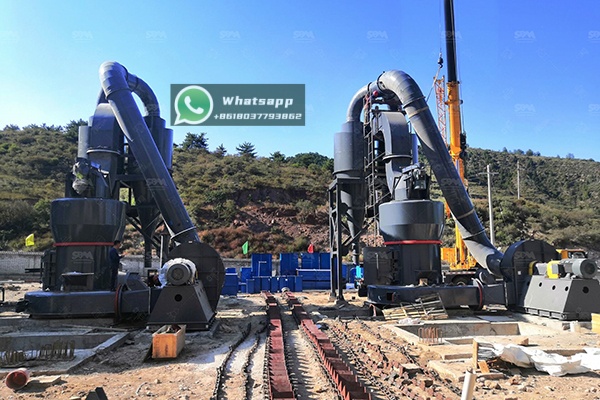
Investing in low vibration grinding equipment and proper foundation design delivers substantial economic benefits throughout the equipment lifecycle:
The benefits of low vibration foundation design extend far beyond simple equipment protection. When combined with properly engineered grinding equipment like Shanghai Zenith’s LM Vertical Grinding Mill and LUM Ultrafine Vertical Mill, operators achieve not only superior vibration control but also enhanced grinding efficiency, reduced operating costs, and extended equipment service life. The integrated approach of selecting vibration-optimized equipment and designing appropriate foundations represents the modern standard for successful grinding operations across mining, cement, and industrial minerals sectors.
As grinding technology continues to advance, the relationship between equipment design and foundation requirements will become increasingly important. Manufacturers like Shanghai Zenith Machinery who prioritize vibration control in their equipment design provide valuable solutions that simplify foundation requirements while delivering superior operational performance. For any new grinding project or upgrade, considering vibration characteristics at the equipment selection stage remains one of the most impactful decisions an operator can make.