The industrial grinding sector has undergone a significant transformation in recent decades, driven by the relentless pursuit of efficiency, precision, and operational safety. At the heart of this evolution lies the integration of advanced automation, particularly Programmable Logic Controller (PLC) systems, into milling machinery. This article explores how modern PLC control systems are revolutionizing vertical mill operations, enhancing performance, and setting new standards for industrial grinding.
A Programmable Logic Controller (PLC) is an industrial digital computer that has been ruggedized and adapted for the control of manufacturing processes. In the context of vertical mills, PLCs serve as the central nervous system, coordinating all aspects of the grinding operation. From monitoring feed rates and material hardness to adjusting grinding pressure and classifying rotor speed, the PLC ensures optimal performance under varying conditions.
Modern PLC systems for vertical mills feature sophisticated Human-Machine Interfaces (HMIs) that provide operators with real-time data visualization, historical trend analysis, and intuitive control over complex processes. These systems can automatically adjust operational parameters to maintain product quality, even when raw material characteristics fluctuate.
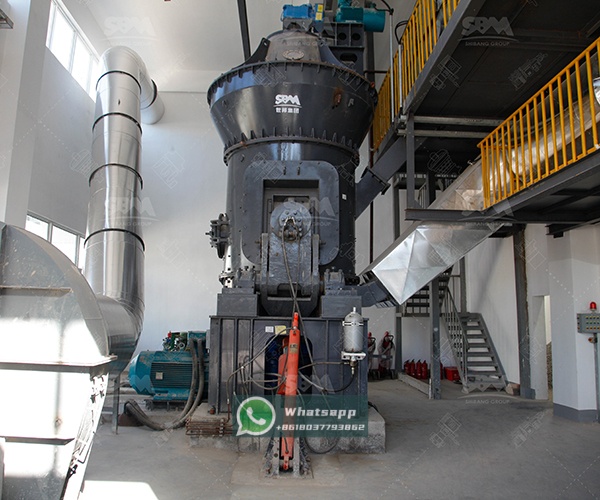
Advanced PLC systems continuously analyze multiple variables including motor load, vibration levels, and product fineness. By processing this data in real-time, the system can automatically adjust the separator speed, grinding pressure, and feed rate to maintain consistent product quality while maximizing throughput.
Modern control systems incorporate predictive maintenance algorithms that monitor equipment health through vibration analysis, temperature trending, and performance degradation tracking. This proactive approach minimizes unplanned downtime and extends equipment lifespan.
PLC systems optimize energy consumption by adjusting motor loads and fan speeds based on actual production requirements. This intelligent power management can result in significant energy savings, particularly in large-scale grinding operations.
With Industrial Internet of Things (IIoT) capabilities, modern vertical mills can be monitored and controlled remotely. This enables centralized management of multiple mills and facilitates quick response to operational issues by technical experts regardless of their physical location.
Shanghai Zenith Machinery Co., Ltd. has established itself as a leader in the integration of advanced automation systems within their grinding equipment. Their commitment to research and development has resulted in milling solutions that embody the principles of modern industrial automation.
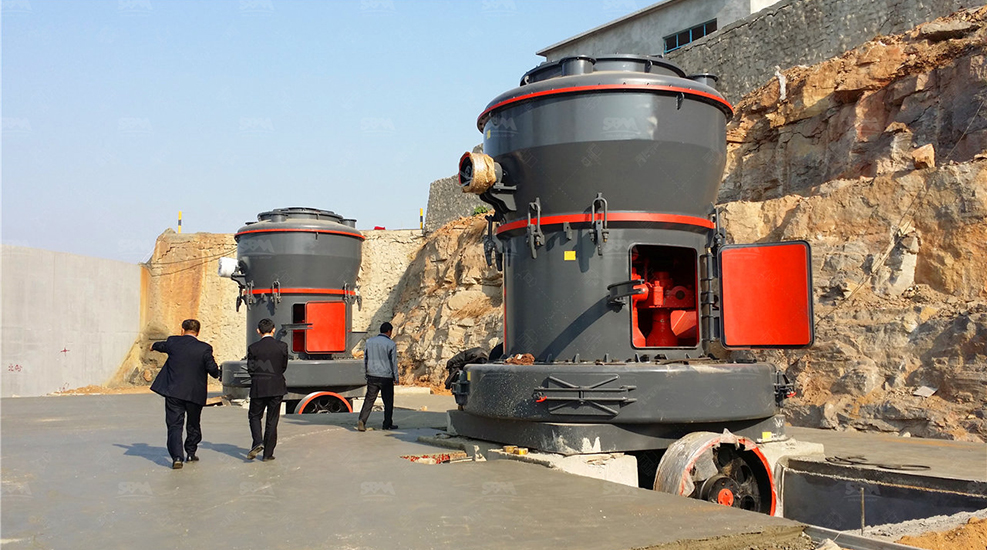
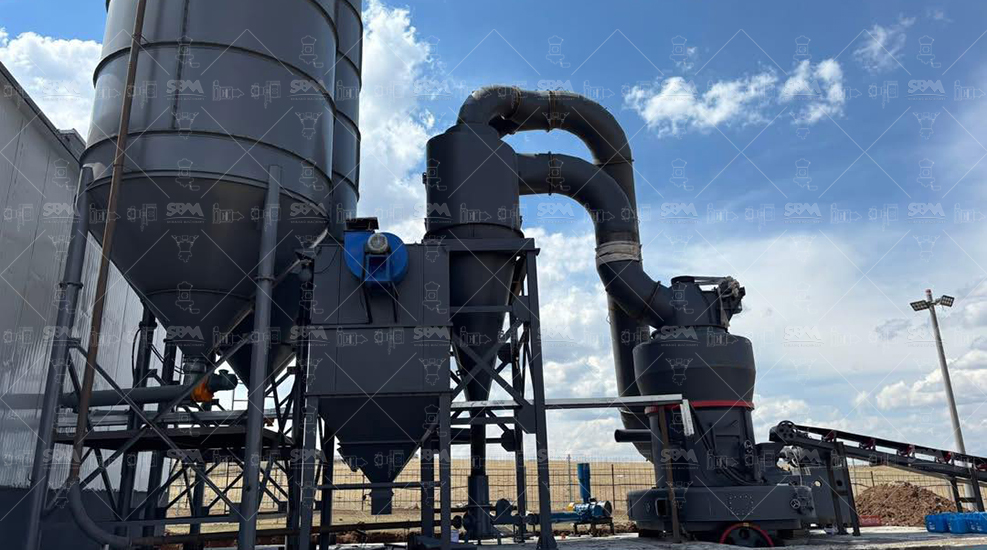
Among their extensive product portfolio, two vertical mills stand out for their sophisticated PLC control systems and exceptional performance characteristics.
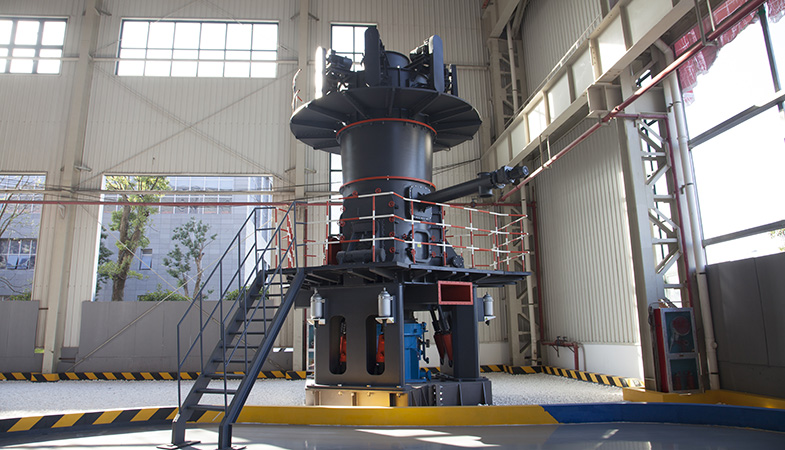
The LM Vertical Grinding Mill represents a significant advancement in grinding technology, integrating five crucial functions—crushing, grinding, powder selection, drying, and material conveying—into a single, compact unit. This integration is made possible by a comprehensive PLC control system that coordinates all aspects of the milling process.
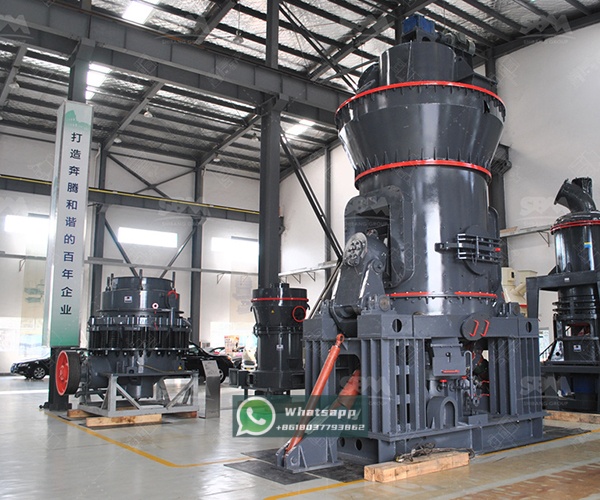
The automation system in the LM Vertical Mill features:
The technical specifications of the LM Vertical Mill series demonstrate its capability across various applications:
| Model | Plate diameter (mm) | Capacity (t/h) | Output fineness (μm) | Max feed size (mm) | Main motor (kW) |
|---|---|---|---|---|---|
| LM130K | 1300 | 10-28 | 170-40 | <38 | 200 |
| LM190K | 1900 | 23-68 | 170-40 | <45 | 500 |
| LM280K | 2800 | 50-170 | 170-45 | <50 | 1250 |
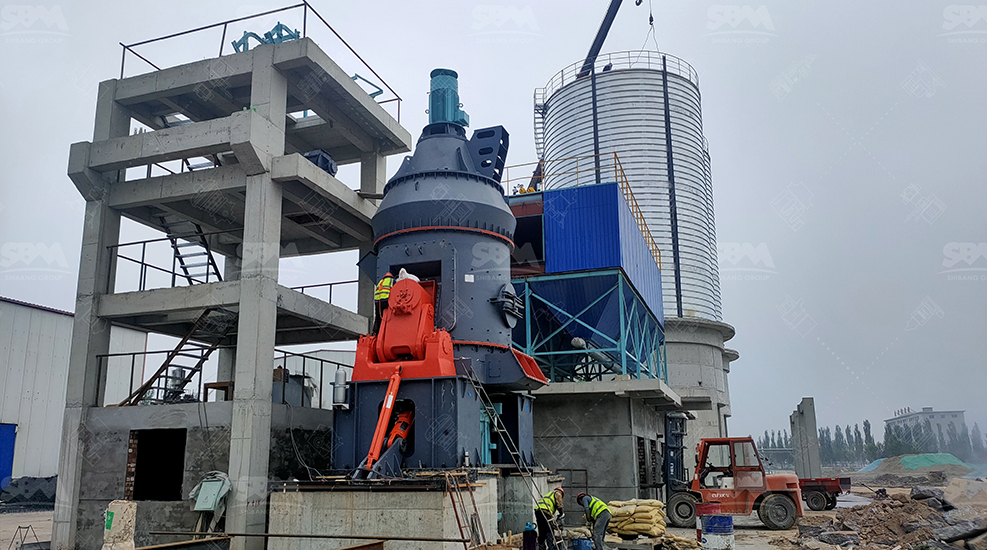
For applications requiring exceptional fineness and precision, the LUM Ultrafine Vertical Mill offers advanced automation capabilities specifically designed for ultrafine powder production. Its intelligent control system manages the complex interplay between grinding, drying, classifying, and transportation processes.
The LUM series incorporates several innovative automation features:
| Model | Main machine power (kW) | Capacity (t/h) | Size distribution D97 (μm) |
|---|---|---|---|
| LUM1525 | 220-250 | 1.6-11.5 | 5-30 |
| LUM1632 | 280-315 | 2.0-13.5 | 5-30 |
| LUM1836 | 355-400 | 2.3-15 | 5-30 |
As industrial automation continues to evolve, vertical mills are poised to incorporate even more advanced features. Artificial intelligence and machine learning algorithms are beginning to be integrated into PLC systems, enabling mills to “learn” from operational data and continuously optimize their performance.
Future developments may include:
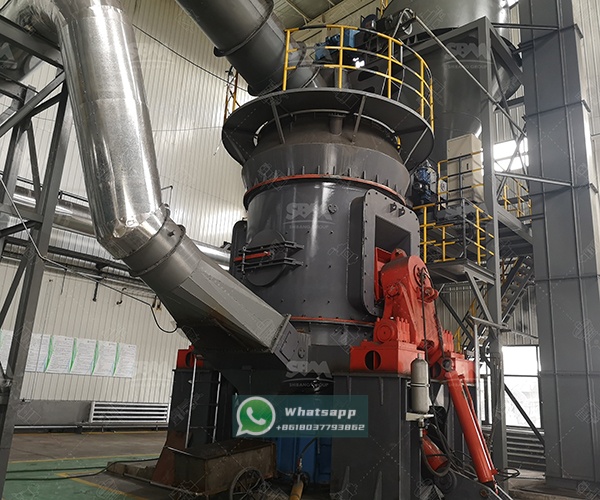
The integration of advanced PLC control systems has transformed vertical mills from simple grinding machines into sophisticated, automated production units. Companies like Shanghai Zenith Machinery are at the forefront of this transformation, developing equipment that combines mechanical excellence with cutting-edge automation technology.
The LM Vertical Grinding Mill and LUM Ultrafine Vertical Mill exemplify this trend, offering comprehensive automation features that enhance efficiency, product quality, and operational safety. As technology continues to advance, we can expect even greater levels of automation and intelligence in vertical milling systems, further optimizing industrial grinding processes for years to come.
For operations seeking to modernize their grinding processes, investing in mills with advanced PLC control systems is no longer a luxury but a necessity for maintaining competitiveness in an increasingly demanding industrial landscape.