In recent years, the cement industry in Indonesia has experienced rapid growth, driven by infrastructure development, urban expansion, and industrial modernization. As cement manufacturing evolves toward higher efficiency and sustainability, advanced grinding technologies have played an increasingly central role. Zeolite, a naturally occurring aluminosilicate mineral with high ion-exchange and adsorption capacities, has emerged as a key additive in modern cement blends. When finely ground to ultrafine particle sizes—up to 1000 mesh—zeolite can improve cement strength, chemical stability, and environmental performance.
Shanghai Zenith Machinery Co., Ltd., a pioneering Chinese manufacturer of industrial grinding equipment, provides state-of-the-art solutions for zeolite grinding and cement production. With decades of expertise in ultrafine milling, Zenith’s grinding mills—such as the LUM Ultrafine Vertical Mill and XZM Ultrafine Grinding Mill—are designed to achieve precise particle sizes and stable production, perfectly suited for the Indonesian cement market.
Zeolite’s unique crystalline structure allows it to act as a supplementary cementitious material (SCM), offering several advantages in cement production:
To unlock these benefits, zeolite must be ground to ultrafine levels—typically between 325 and 2500 mesh. Achieving a consistent 1000-mesh product requires specialized grinding technology capable of producing high surface area materials without excessive energy consumption.
Grinding zeolite poses several technical challenges. Its medium hardness and porous microstructure demand careful control of grinding parameters such as pressure, temperature, and airflow. Traditional ball mills or Raymond mills often struggle to reach the required fineness efficiently. Furthermore, the need for large-scale continuous production in cement plants adds strict performance criteria for equipment stability, maintenance convenience, and environmental control.
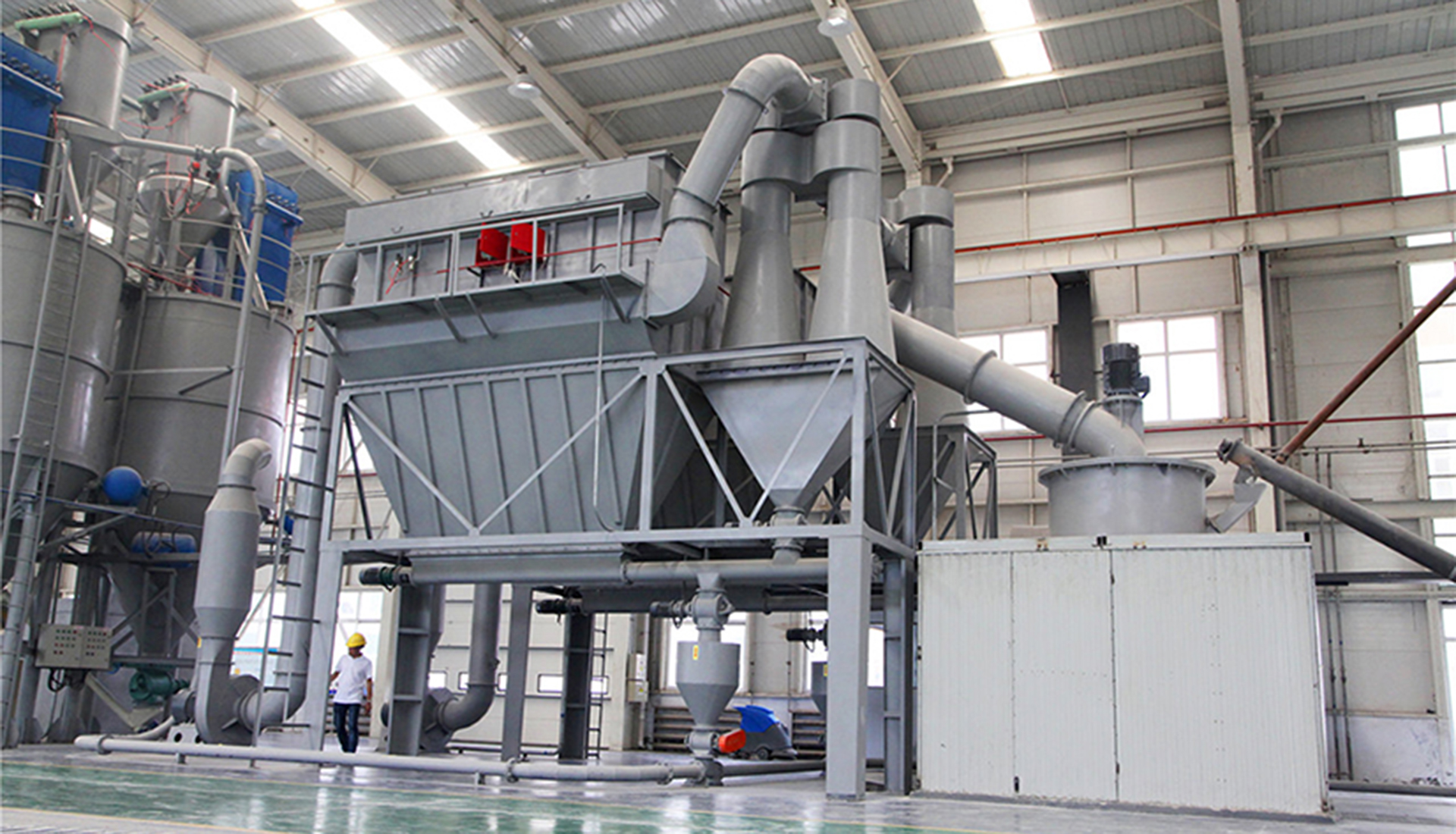
In response to these requirements, advanced vertical and ultrafine mills from Shanghai Zenith Machinery Co., Ltd. offer an ideal solution. Specifically, the LUM Ultrafine Vertical Mill and the XZM Ultrafine Grinding Mill provide precise fineness control, high throughput, and consistent powder quality, making them highly suitable for zeolite grinding in cement production.
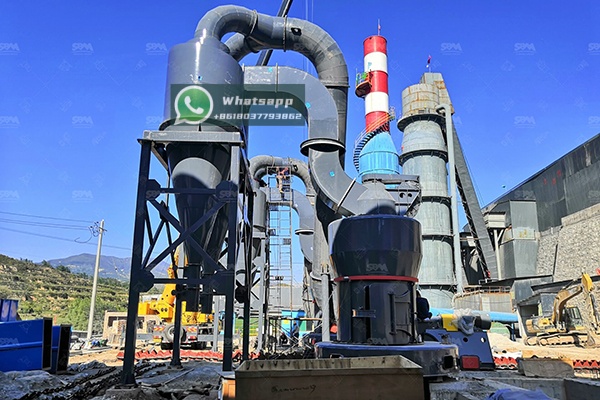
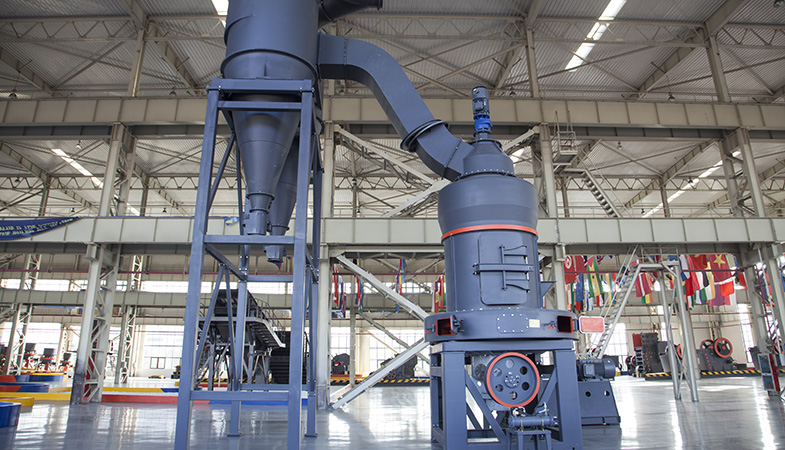
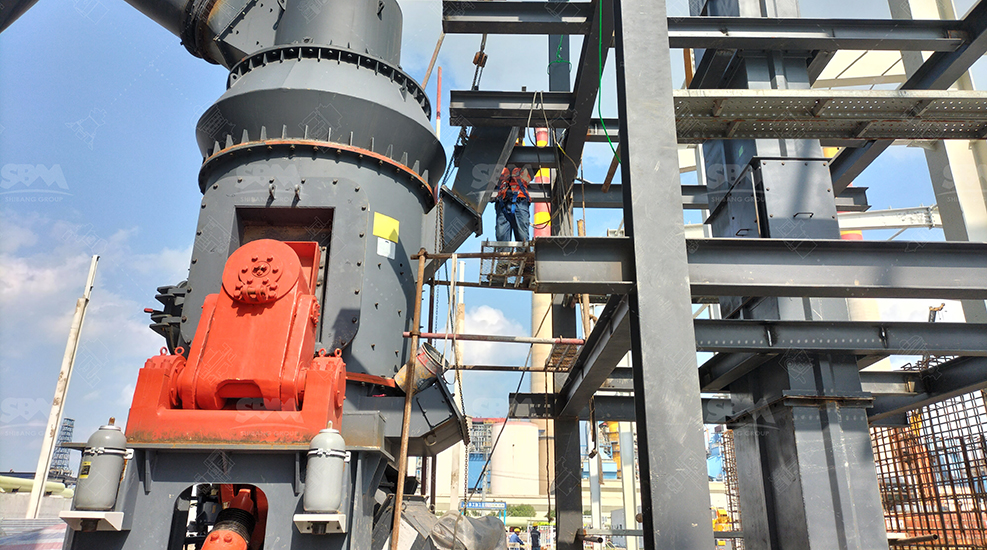
The LUM Ultrafine Vertical Mill integrates grinding, drying, classification, and material conveying into one unit. It is engineered to deliver powders ranging from 5–30 μm—equivalent to approximately 400–2500 mesh—with exceptional uniformity. This makes it particularly valuable for zeolite applications where particle size directly influences reactivity and blending characteristics in cement mixtures.
| Model | Main Machine Power (kW) | Capacity (t/h) | Size Distribution D97 (μm) |
|---|---|---|---|
| LUM1525 | 220-250 | 1.6-11.5 | 5-30 |
| LUM1632 | 280-315 | 2.0-13.5 | 5-30 |
| LUM1836 | 355-400 | 2.3-15 | 5-30 |
For Indonesian cement producers aiming to achieve a 1000-mesh zeolite powder with consistent quality, the LUM Ultrafine Vertical Mill stands as a dependable, advanced, and economical option.
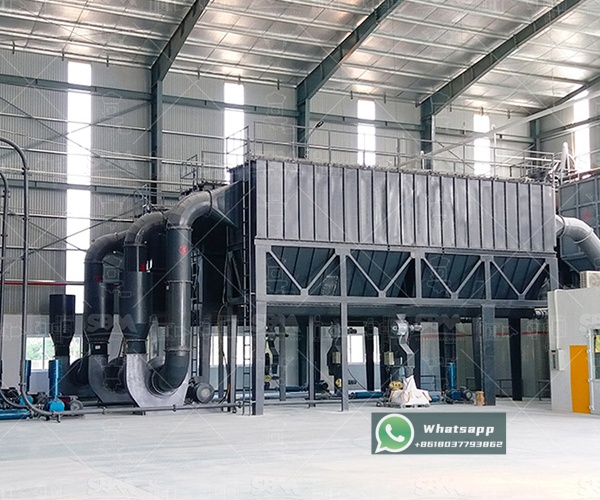
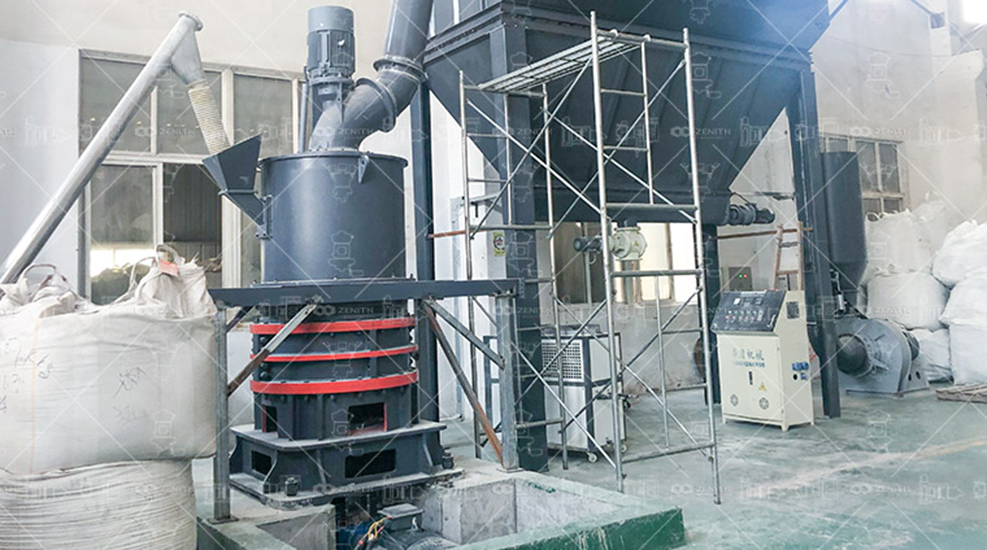
For companies requiring flexible deployment or medium-scale production, the XZM Ultrafine Grinding Mill from Shanghai Zenith Machinery Co., Ltd. provides a proven alternative. Designed specifically for producing ultrafine powders ranging from 325 to 2500 mesh, it excels in producing zeolite powders with controlled shape and surface activity, essential for cement optimization.
| Model | Working Diameter (mm) | Max Feed Size (mm) | Final Size (mesh) | Output (kg/h) | Main Motor Power (kW) |
|---|---|---|---|---|---|
| XZM221 | Φ800 | ≤20 | 325-2500 | 500-4500 | 75 |
| XZM268 | Φ1680 | ≤20 | 325-2500 | 5000-25000 | 315 |
This mill is ideal for zeolite producers who need an energy-efficient and adaptable solution for fine powder preparation. When used in conjunction with cement synthesis, the XZM mill ensures consistent distribution of zeolite particles, enhancing cement hydration properties and performance metrics.
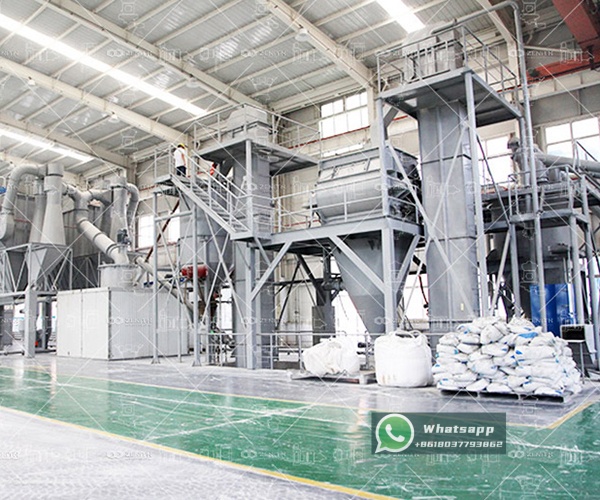
In Indonesia, cement companies are increasingly focused on producing high-performance, environmentally friendly products. The integration of zeolite grinding systems into existing cement production lines can be strategically implemented using either vertical or ultrafine mills depending on plant capacity and product specification.
The Indonesian cement industry’s evolution toward ultrafine grinding technologies marks a critical shift toward quality and sustainability. With increasing demand for superior cement performance, the inclusion of 1000-mesh zeolite powder provides an effective pathway to improving both mechanical properties and environmental footprints.
Shanghai Zenith Machinery Co., Ltd. stands ready to support this transformation with its advanced grinding solutions. The LUM Ultrafine Vertical Mill offers high-capacity, precision-controlled performance ideal for large integrated plants, while the XZM Ultrafine Grinding Mill caters to modular and medium-scale operations. Together, these technologies provide Indonesian cement producers the flexibility to integrate zeolite more efficiently, reduce energy consumption, and enhance product competitiveness.
By harnessing the latest in grinding technology and automated process control, Indonesian manufacturers can confidently embrace the next generation of sustainable, high-performance cement production.