The European chemical and foundry industries have long relied on chromite as a critical raw material for various applications. From refractory linings in foundries to chromium chemicals production, the quality and consistency of chromite powder directly impact final product performance. Grinding chromite presents unique challenges due to its abrasive nature and specific fineness requirements for different applications. This article explores the technological advancements in chromite grinding and introduces optimal milling solutions from industry leader Shanghai Zenith Machinery Co., Ltd.
Chromite (FeCr₂O₄) is an iron chromium oxide mineral that serves as the primary source of chromium. In the foundry sector, chromite sand is valued for its high melting point, thermal stability, and resistance to metal penetration. The chemical industry processes chromite to produce sodium chromate, which serves as a precursor to various chromium compounds used in pigments, leather tanning, and wood preservation.
The grinding process must achieve specific particle size distributions depending on the application. Foundry applications typically require coarser grains (approximately 100-200 mesh), while chemical processing demands finer powders (often 325 mesh or finer) to increase reaction surface area. This variability necessitates flexible grinding equipment capable of producing consistent results across different fineness requirements.
Chromite’s hardness (5.5-6.5 on Mohs scale) and abrasive characteristics present significant challenges for grinding equipment. Traditional mills often suffer from excessive wear, contamination from grinding media, and inconsistent particle size distribution. Additionally, energy consumption represents a major operational cost, making efficiency a critical consideration for European manufacturers facing high electricity prices.
Environmental regulations in Europe demand dust-free operations and minimal noise pollution, further complicating equipment selection. The ideal grinding solution must address all these concerns while maintaining production throughput and product quality.
Shanghai Zenith Machinery Co., Ltd. has established itself as an excellent manufacturer of ore grinding equipment with significant achievements in ultra-fine powder grinding technology. Their specialized research, development, and production of industrial powder grinding equipment has yielded several innovative solutions perfectly suited for chromite processing.
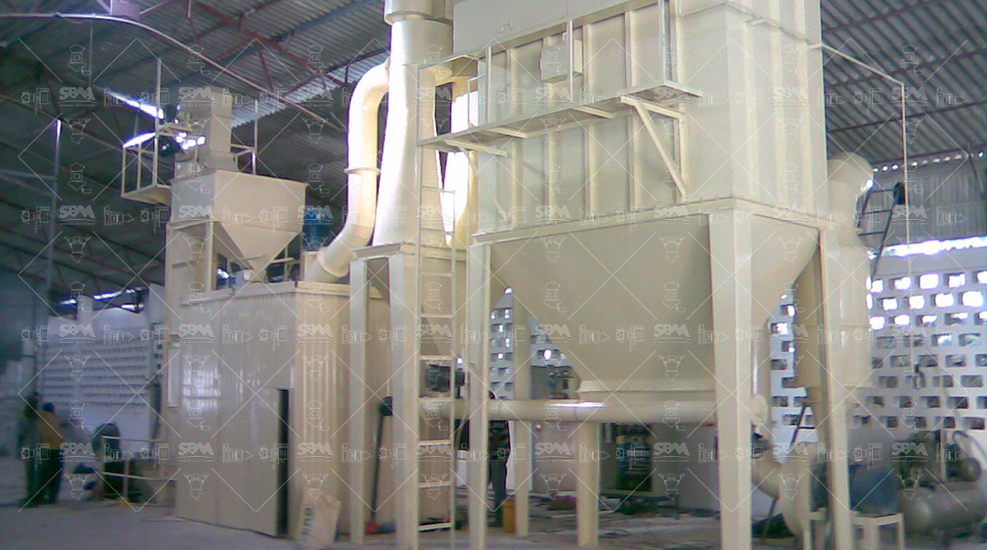
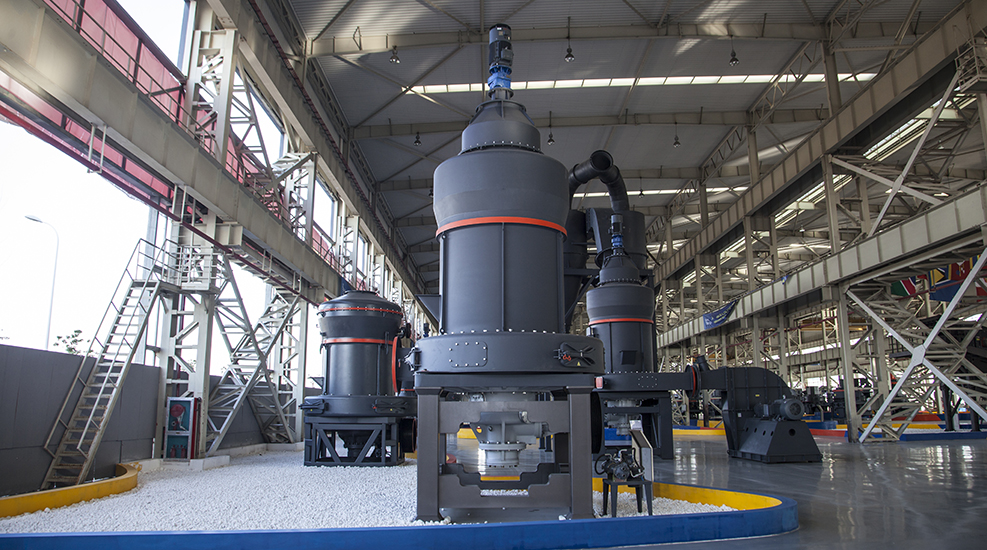
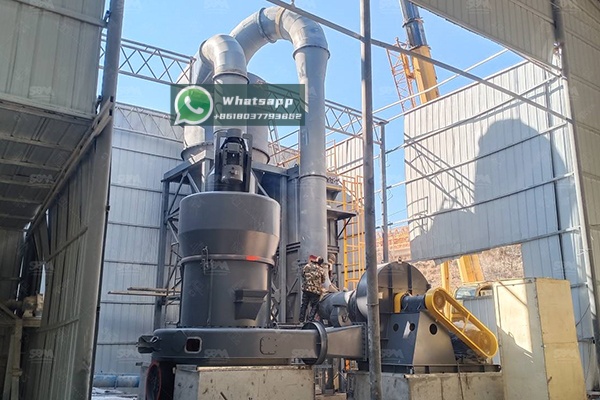
For foundry applications requiring chromite sand in the medium-fine range (approximately 100-325 mesh), the MTW Trapezium Grinding Mill offers an ideal solution. This mill incorporates multiple patents and features a compact structure, long service life, and eco-friendly design. Its ability to handle feed sizes up to 50mm and produce final products as fine as 0.038mm makes it versatile for various chromite processing requirements.
The MTW series employs a bevel gear overall transmission system, internal thin oil lubrication system, and arc air channel design—all contributing to its efficiency and reliability. For European chromite processors, these features translate to reduced maintenance downtime and lower operational costs.
| Model | Max. Feed Size (mm) | Final Size (mm) | Capacity (t/h) | Main Motor (kW) | Fan Motor (kW) |
|---|---|---|---|---|---|
| MTW110 | <30 | 1.6-0.045 | 3-9 | 55 | 55 |
| MTW110Z | <30 | 1.6-0.045 | 3-10 | 55 | 55 |
| MTW138Z | <35 | 1.6-0.045 | 6-17 | 90 | 110 |
| MTW175G | <40 | 1.6-0.045 | 9.5-25 | 160 | 200 |
| MTW215G | <50 | 1.6-0.045 | 15-45 | 280 | 315 |
The MTW215G model, with its capacity of 15-45 t/h, is particularly well-suited for medium to large European chromite processing facilities serving both chemical and foundry sectors.
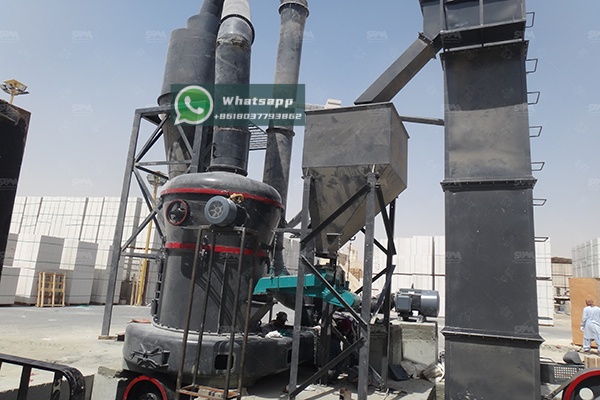
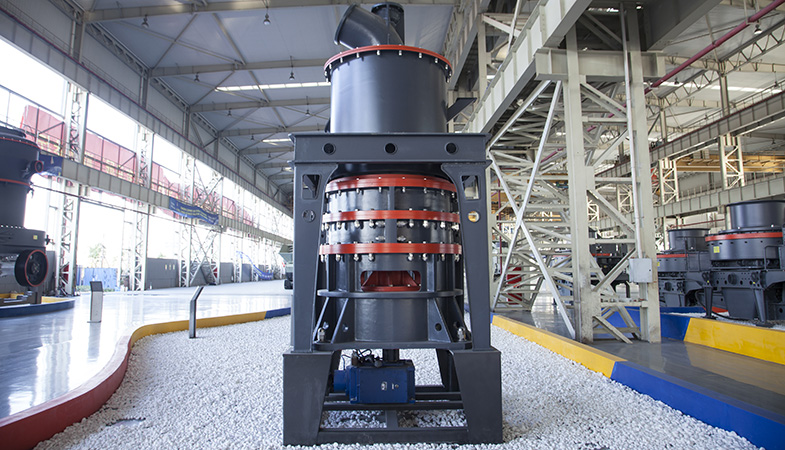
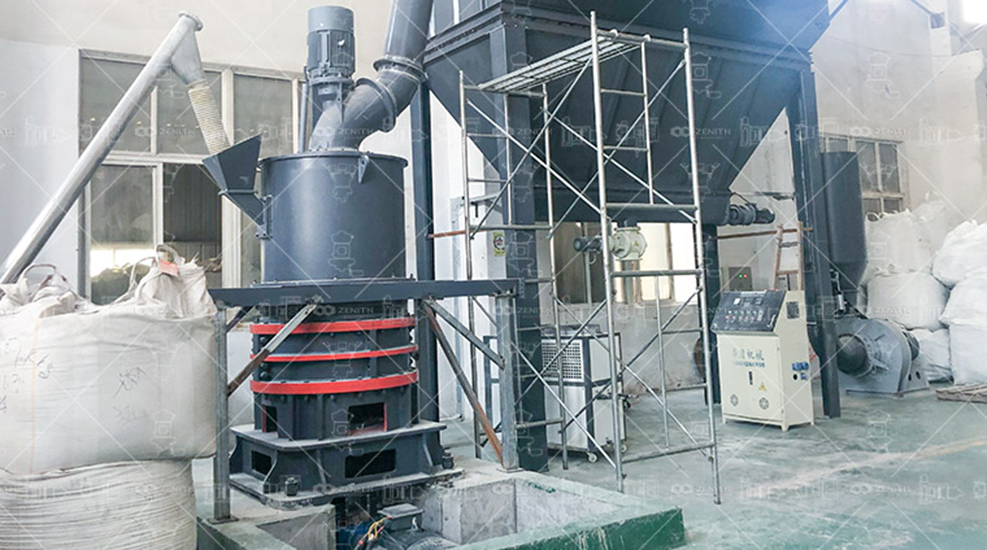
For chemical applications requiring ultra-fine chromite powder, Shanghai Zenith’s LUM Ultrafine Vertical Mill represents the pinnacle of grinding technology. This mill integrates grinding, drying, classifying, and transportation functions while occupying minimal space—a significant advantage for European plants where real estate comes at a premium.
The LUM series produces products with high content of end-fines and features intelligent control for easier maintenance. Its advanced classification system ensures precise particle size control, critical for chemical processes where consistent reactivity depends on uniform particle dimensions.
| Model | Main Machine Power (kW) | Capacity (t/h) | Size Distribution D97 (μm) |
|---|---|---|---|
| LUM1525 | 220-250 | 1.6-11.5 | 5-30 |
| LUM1632 | 280-315 | 2.0-13.5 | 5-30 |
| LUM1836 | 355-400 | 2.3-15 | 5-30 |
The LUM1836 model, with its capacity of 2.3-15 t/h and ability to produce powders with D97 between 5-30μm, meets the exacting standards of European chemical manufacturers processing chromite for chromium chemicals production.
European regulations increasingly emphasize energy efficiency and environmental protection. Shanghai Zenith’s grinding mills address these concerns through innovative design features. The MTW series incorporates high-efficiency impellers in its cyclone collector, reducing energy consumption while maintaining collection efficiency. The LUM series features minimal dust emission and noise levels compliant with European standards.
Both recommended mills utilize advanced sealing systems that prevent chromite dust escape—a crucial consideration for worker safety and environmental protection. Additionally, their efficient motor systems and optimized grinding mechanisms significantly reduce power consumption per ton of processed chromite, delivering both economic and environmental benefits.
A major European chemical producer recently replaced their aging grinding equipment with Shanghai Zenith’s LUM1836 Ultrafine Vertical Mill for their chromite processing line. The results demonstrated a 23% reduction in energy consumption, a 35% increase in throughput, and consistently superior product quality with 98% of particles falling within the target size range. The mill’s compact footprint also allowed the company to reallocate floor space for additional processing stages.
Similarly, a German foundry material supplier implemented the MTW215G Trapezium Grinding Mill for producing chromite sand, reporting significantly reduced maintenance intervals and 40% longer wear part lifespan compared to their previous equipment. The improved particle shape distribution enhanced the flow characteristics of their foundry sand products, providing added value to their customers.
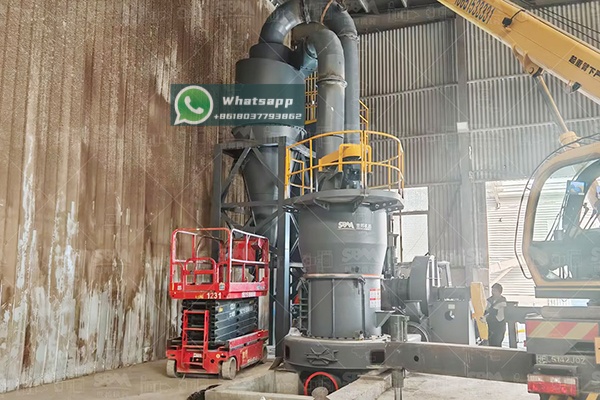
The evolution of chromite grinding technology continues to focus on smarter, more connected systems. Shanghai Zenith is developing mills with integrated IoT sensors for real-time monitoring of wear parts, predictive maintenance algorithms, and automated adjustment of operational parameters based on feed material characteristics. These advancements will further enhance efficiency and reduce operational costs for European processors.
Additionally, research continues into novel lining materials that extend service life when processing highly abrasive minerals like chromite. Ceramic composites and specialized alloys show promise in dramatically increasing component lifespan, thereby reducing downtime and maintenance costs.
The selection of appropriate grinding equipment is crucial for European chromite processors serving the chemical and foundry sectors. Shanghai Zenith Machinery’s MTW Trapezium Grinding Mill and LUM Ultrafine Vertical Mill offer technologically advanced solutions that address the specific challenges of chromite processing while meeting European standards for efficiency, environmental compliance, and product quality.
By investing in these state-of-the-art grinding systems, European manufacturers can enhance their competitive position through improved product quality, reduced operational costs, and compliance with increasingly stringent environmental regulations. As the global demand for chromium-based products continues to grow, advanced grinding technology will play an increasingly vital role in the European chromite processing industry.