Zircon sand, a mineral primarily composed of zirconium silicate (ZrSiO₄), has become an indispensable material in the ceramics industry worldwide. Its exceptional properties – including high thermal stability, chemical inertness, and excellent whiteness – make it a crucial component in the production of ceramic tiles, sanitaryware, tableware, and advanced technical ceramics. The European ceramics market, renowned for its quality and innovation, demands zircon flour of exceptional purity and precisely controlled particle size distribution. This article explores the technological requirements for grinding zircon sand to meet these stringent European standards and presents advanced milling solutions from Shanghai Zenith Machinery Co., Ltd., a leader in industrial grinding technology.
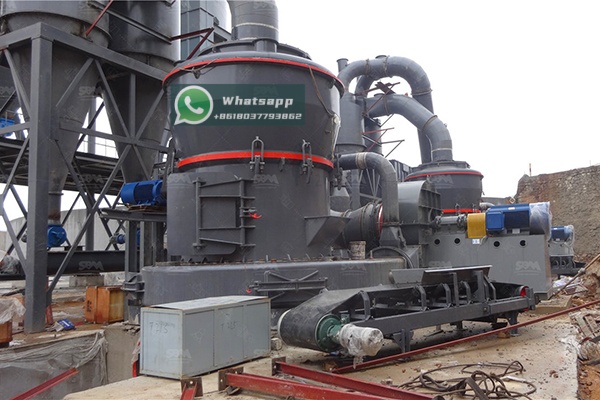
Processing raw zircon sand into a fine, consistent powder suitable for ceramic applications presents several technical challenges. The material’s high hardness (7.5 on the Mohs scale) necessitates robust milling equipment capable of sustained operation without excessive wear. Furthermore, the final product must be free from metallic contamination, which could compromise the ceramic’s color and structural integrity. The ideal particle size for most ceramic applications ranges from 10 to 45 microns (D50), requiring mills that can achieve a narrow particle size distribution efficiently and consistently.
Traditional grinding methods often fall short in terms of energy efficiency, product consistency, or contamination control. This is where advanced milling technology from specialized manufacturers becomes critical. Shanghai Zenith Machinery Co., Ltd., with its extensive experience in ultra-fine powder processing, offers solutions specifically engineered to overcome these challenges.
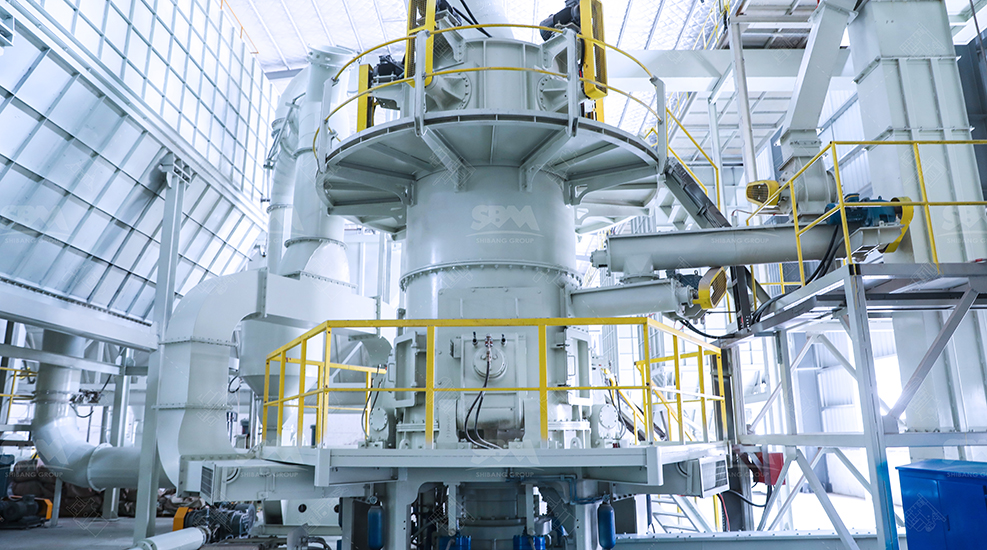
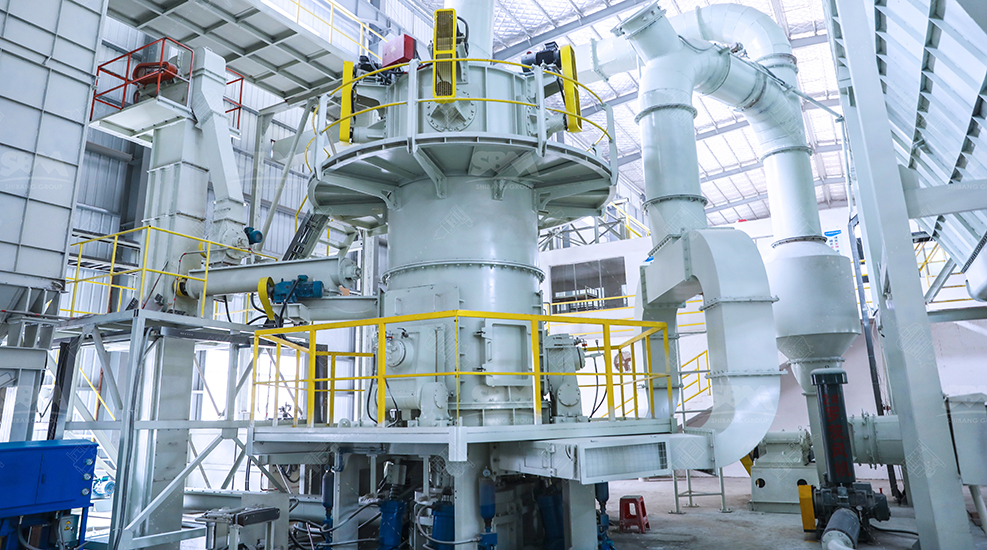
For applications requiring the highest levels of fineness and consistency, the LUM Ultrafine Vertical Mill represents the pinnacle of grinding technology. This mill integrates multiple processes – grinding, drying, classifying, and conveying – into a single, compact unit. Its unique design minimizes floor space while maximizing operational efficiency. For zircon sand processing, the LUM mill offers several distinct advantages:
The technical specifications for the LUM series demonstrate its capability for zircon sand processing:
| Model | Main Machine Power (kW) | Capacity (t/h) | Size Distribution D97 (μm) |
|---|---|---|---|
| LUM1525 | 220-250 | 1.6-11.5 | 5-30 |
| LUM1632 | 280-315 | 2.0-13.5 | 5-30 |
| LUM1836 | 355-400 | 2.3-15 | 5-30 |
For European ceramic producers seeking to achieve product differentiation through superior material quality, the LUM Ultrafine Vertical Mill provides the technological edge necessary to produce zircon flour with exceptional characteristics.
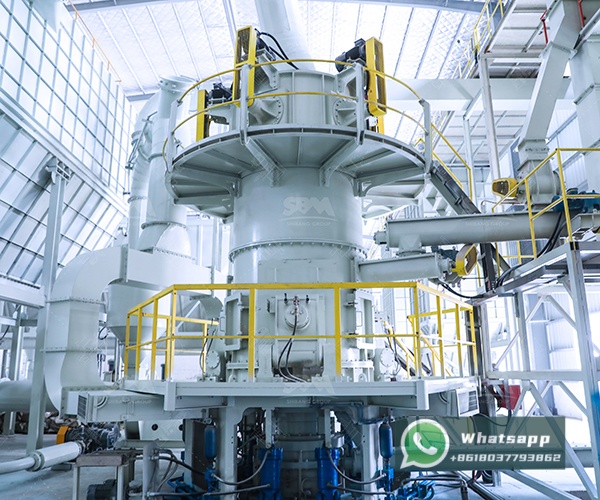
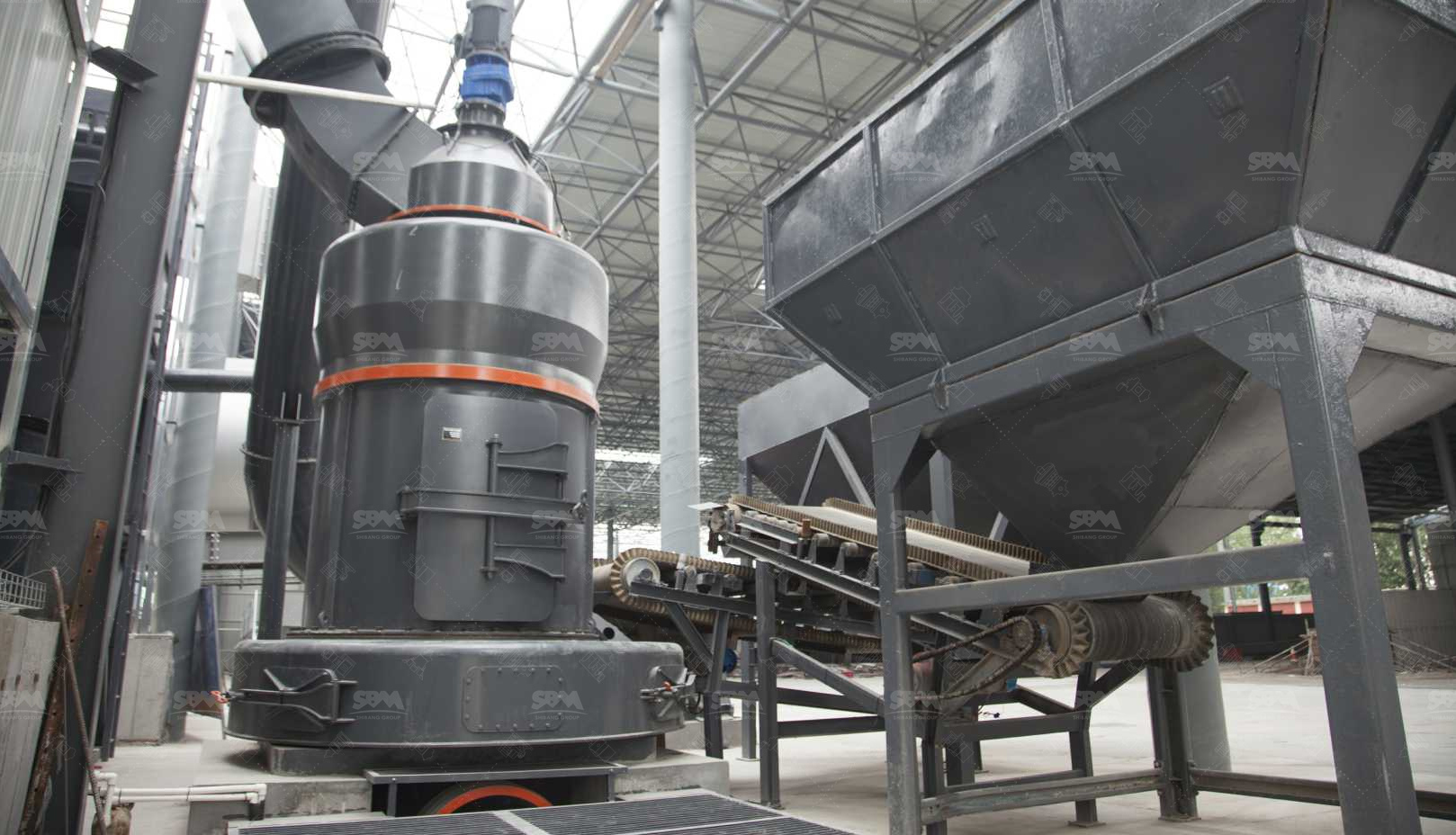
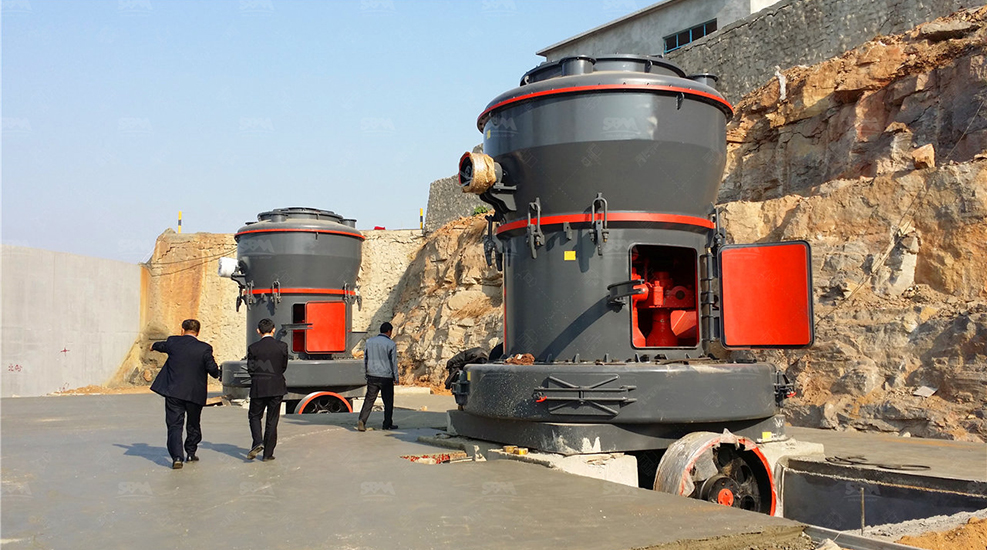
When the production requirement calls for high volume output of consistently fine zircon powder, the MTW Trapezium Grinding Mill emerges as an optimal solution. This mill incorporates multiple international patents and features a bevel gear overall drive, internal thin oil lubrication system, and arc air channel design – all contributing to its outstanding performance in abrasive material processing.
Key benefits of the MTW Trapezium Grinding Mill for zircon sand applications include:
The technical parameters for select MTW models illustrate their suitability for zircon sand grinding operations:
| Model | Max. Feed Size (mm) | Final Size (mm) | Capacity (t/h) | Main Motor (kW) |
|---|---|---|---|---|
| MTW138Z | <35 | 1.6-0.045 | 6-17 | 90 |
| MTW175G | <40 | 1.6-0.045 | 9.5-25 | 160 |
| MTW215G | <50 | 1.6-0.045 | 15-45 | 280 |
A prominent ceramic tile manufacturer in Italy recently upgraded their zircon sand grinding circuit with Shanghai Zenith’s LUM Ultrafine Vertical Mill. The previous system struggled to achieve the required particle size distribution consistently and consumed excessive energy. After installing the LUM1525 model, the facility reported:
This case demonstrates how appropriate grinding technology can directly impact product quality, operational costs, and environmental compliance in the competitive European ceramics market.
The European ceramics industry continues to evolve, with emerging trends placing new demands on zircon sand processors. These include:
Shanghai Zenith Machinery is addressing these trends through continuous R&D, developing next-generation mills with enhanced digital capabilities, improved energy efficiency, and even finer grinding capabilities.
The processing of zircon sand for the ceramics industry requires specialized equipment capable of delivering consistent quality while operating efficiently and sustainably. Shanghai Zenith Machinery Co., Ltd., with its comprehensive range of advanced grinding mills – including the precision-focused LUM Ultrafine Vertical Mill and the high-capacity MTW Trapezium Grinding Mill – offers European ceramic producers reliable technological solutions to meet their specific requirements.
By selecting appropriate grinding technology and partnering with experienced equipment manufacturers, European mills can optimize their zircon sand processing operations, enhance product quality, reduce operational costs, and maintain compliance with increasingly stringent environmental regulations. In the competitive global ceramics market, such technological advantages can make the crucial difference between market leadership and obsolescence.